Find the Best Mini-Split Installers for Your Business
No obligation • Fast responses • Nationwide coverage

Why you can trust HVAC Firms
HVAC Firms is a leading United States resource for evaluating HVAC service providers. Our team researches companies, checks credentials, and reviews customer feedback to present clear, unbiased information. Listings and rankings are based on merit, and companies cannot pay to change our editorial content.
Search providers near you
Top Mini-Split Installers in Independence, Missouri Ranked
A ductless mini-split system is a versatile heating and cooling solution perfect for many Independence homes. These systems provide zoned comfort, allowing you to control the temperature in individual rooms or areas, which can lead to significant energy savings and enhanced comfort. This guide will help you understand the process, benefits, and key considerations for installing a mini-split, so you can find the right local professional for your project.
Air Care
10332 W 79th St, Shawnee, KS 66214
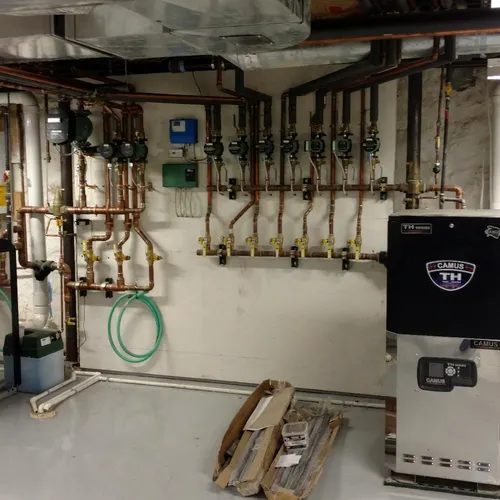
Air Care is an HVAC company serving Kansas City, MO, and the surrounding Shawnee area. Established in 1981, they provide a wide range of heating and cooling services including installation, repair, and maintenance of furnaces, air conditioners, boilers, mini-splits, and geothermal heat pumps. Their NATE-certified technicians handle both residential and light commercial work, with capabilities in duct design and indoor air quality services. Air Care offers 24/7 emergency repair service to address urgent heating or cooling issues.
Air Unlimited Heating and Cooling
701 Haines Suite 100, Liberty, MO 64068
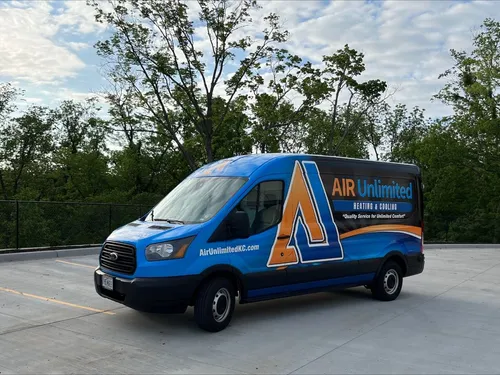
Air Unlimited Heating and Cooling provides a range of HVAC and indoor air quality services in Kansas City, MO. Their offerings include air conditioner, furnace, and heat pump repair and installation, as well as duct cleaning, thermostat installation, and air quality solutions. The company also handles water heater repair and water filtration system installation. Established in 2010, Air Unlimited Heating and Cooling has built a reputation for honest and reliable service. VIP members have access to 24/7 emergency service for urgent heating and cooling needs.
Delta T Heating & Cooling
14200 Parallel Rd, Basehor, KS 66007
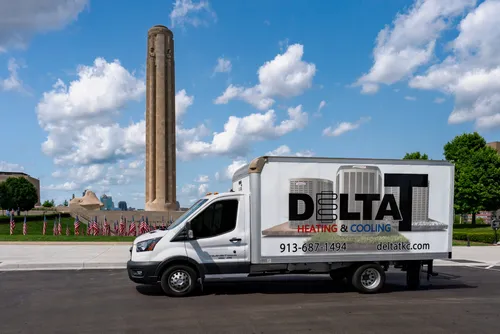
Delta T Heating & Cooling is an HVAC company serving Kansas City, MO, offering a range of services including air conditioning, heating, ductless systems, indoor air quality solutions, and electrical work. They provide repairs, installations, maintenance, and tune-ups for residential and commercial clients. The company emphasizes fair pricing and honest service, backed by licensed professional engineers who perform all the work themselves. Their capabilities include comprehensive HVAC system assessments and seasonal maintenance plans tailored to ensure efficient operation throughout the year.
Buckner's Heating, Cooling, and Plumbing
406 W 75th St Ste F, Kansas City, MO 64114
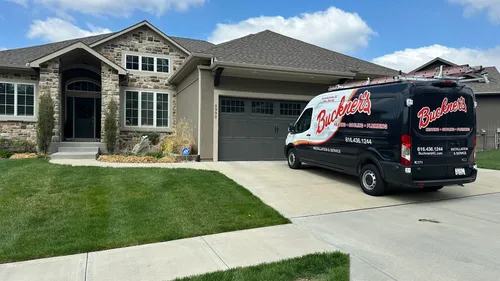
Buckner's Heating, Cooling, and Plumbing has been serving Kansas City, MO, since 1983, offering a wide range of HVAC and plumbing services. Their experienced technicians handle heating and cooling system repairs, installations, and maintenance, including furnaces, heat pumps, geothermal systems, and air conditioning units. They also provide comprehensive plumbing services such as leak repairs, water heater service, and drain cleaning. The company is equipped with well-stocked service vehicles and offers after-hours service for urgent needs.
A-Team Plumbing, Heating & Cooling
15832 S Madison Dr, Olathe, KS 66062
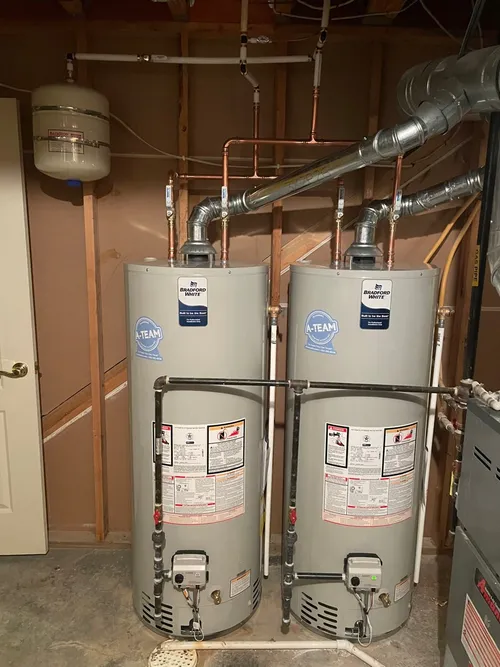
A-Team Plumbing, Heating & Cooling is a family-owned and operated company based near Kansas City, MO, specializing in residential and light commercial plumbing and HVAC services. They serve the Johnson County and Miami County areas, offering repair, maintenance, and installation for heating and cooling systems including heat pumps, furnaces, mini-splits, and air conditioners. As certified Trane dealers, they provide access to reliable HVAC equipment and handle full installations and tune-ups. With over 32 years of experience in the plumbing and HVAC industry, A-Team also offers 24/7 emergency service to support their customers whenever needed.
What is a Ductless Mini-Split System?
Often called a ductless heat pump or simply a mini-split, this system consists of one outdoor condenser unit connected to one or more indoor air handlers via a small conduit containing refrigerant lines and electrical wiring. The key advantage is that it completely bypasses the need for ductwork. This makes ductless AC and heating an ideal solution for room additions, finished garages, older homes without existing ducts, or for providing supplemental zoning to address stubborn hot or cold spots in your home 1.
The technology uses an inverter-driven compressor, which adjusts its speed to match the exact heating or cooling demand. This results in quieter operation and superior energy efficiency compared to traditional HVAC systems that constantly turn on and off.
System Types: Single-Zone vs. Multi-Zone
Choosing the right configuration is the first major decision in your ductless installation project.
- Single-Zone Systems: This setup involves one outdoor unit connected to a single indoor air handler. It's perfect for conditioning one specific area, such as a master bedroom, home office, sunroom, or garage workshop.
- Multi-Zone Systems: A single, more powerful outdoor condenser can be connected to multiple indoor units (typically 2 to 5). This allows you to independently control the temperature in different "zones" or rooms of your home. For example, you could cool the living room during the day and only the bedrooms at night, maximizing efficiency and personalized comfort.
Planning Your Installation: Indoor Unit Placement
Proper placement of the indoor air handler is critical for performance, comfort, and aesthetics. Key considerations include:
- Height and Location: Indoor units are typically mounted high on an interior wall, about 7 feet from the floor, to allow for optimal air circulation throughout the room. Ceiling cassette or floor-mounted models are also options for different room layouts 2.
- Airflow: The unit should be positioned so that its airflow is not obstructed by furniture, curtains, or cabinetry. It's also important to avoid placing it directly above a heat source like a television or lamp.
- Drainage: Each indoor unit produces condensate (water) when cooling. The unit must be installed with a slight tilt toward the drain line to ensure proper gravity drainage. In situations where a gravity drain isn't possible, a condensate pump will need to be installed 3.
Planning Your Installation: Outdoor Unit Placement
The outdoor condenser requires careful site selection for efficiency, longevity, and neighborly consideration.
- Foundation: The unit must be placed on a solid, level base. This is usually a concrete pad or a specialized wall bracket designed to handle the weight and vibration.
- Clearance: All manufacturers specify minimum clearance distances around the condenser (often 12-24 inches on all sides and above). This space is essential for adequate airflow, which ensures efficient operation and prevents the system from overworking 4.
- Drainage and Access: The outdoor unit also produces condensate during its defrost cycle in winter. The site should allow for this water to drain away. Additionally, leave room for a technician to access the unit for future maintenance and service.
Understanding Mini-Split Installation Costs in Independence
The total investment for a ductless mini-split installation varies widely based on your home's specific needs. Here is a general cost breakdown based on the number of zones 5 6 7 8 9 10:
- Single-Zone System: $2,000 - $5,000+
- 2-3 Zone System: $5,500 - $9,500+
- 4+ Zone System: $8,000 - $15,000+ (can be higher for complex setups)
Several factors influence the final price:
- Number of Zones & Capacity: More indoor heads and a larger outdoor unit increase cost.
- System Efficiency: Units with higher SEER2 ratings for cooling and HSPF ratings for heating are more efficient but have a higher upfront cost.
- Brand and Features: Premium brands and units with advanced features (wi-fi controls, advanced filtration) command a higher price.
- Installation Complexity: The cost of electrical work (requiring a dedicated circuit run by a licensed electrician), the length of refrigerant line sets, and the difficulty of mounting the units (e.g., on a second-story wall) all affect labor time and price.
Find the perfect mini-split installers for your needs
Get personalized recommendations and expert advice
The Professional Installation Process
A proper ductless system installation is a technical job that requires certified professionals. Here's what a high-quality installation entails:
- Site Evaluation & Load Calculation: A technician will assess your home to determine the correct system size (BTU capacity) for each zone, avoiding the pitfalls of an undersized or oversized system.
- Mounting the Units: The indoor air handler(s) and outdoor condenser are securely mounted in their planned locations.
- Drilling and Running Lines: A small, clean hole (typically 3 inches) is drilled through the exterior wall to pass the conduit containing the refrigerant lines, condensate drain, and electrical wiring.
- Electrical Connection: A licensed electrician will run a dedicated electrical circuit from your main panel to the outdoor unit to ensure safe and reliable power.
- Making Connections: The refrigerant lines are connected between the indoor and outdoor units. This is a precision task, as the system must remain sealed and free of contaminants.
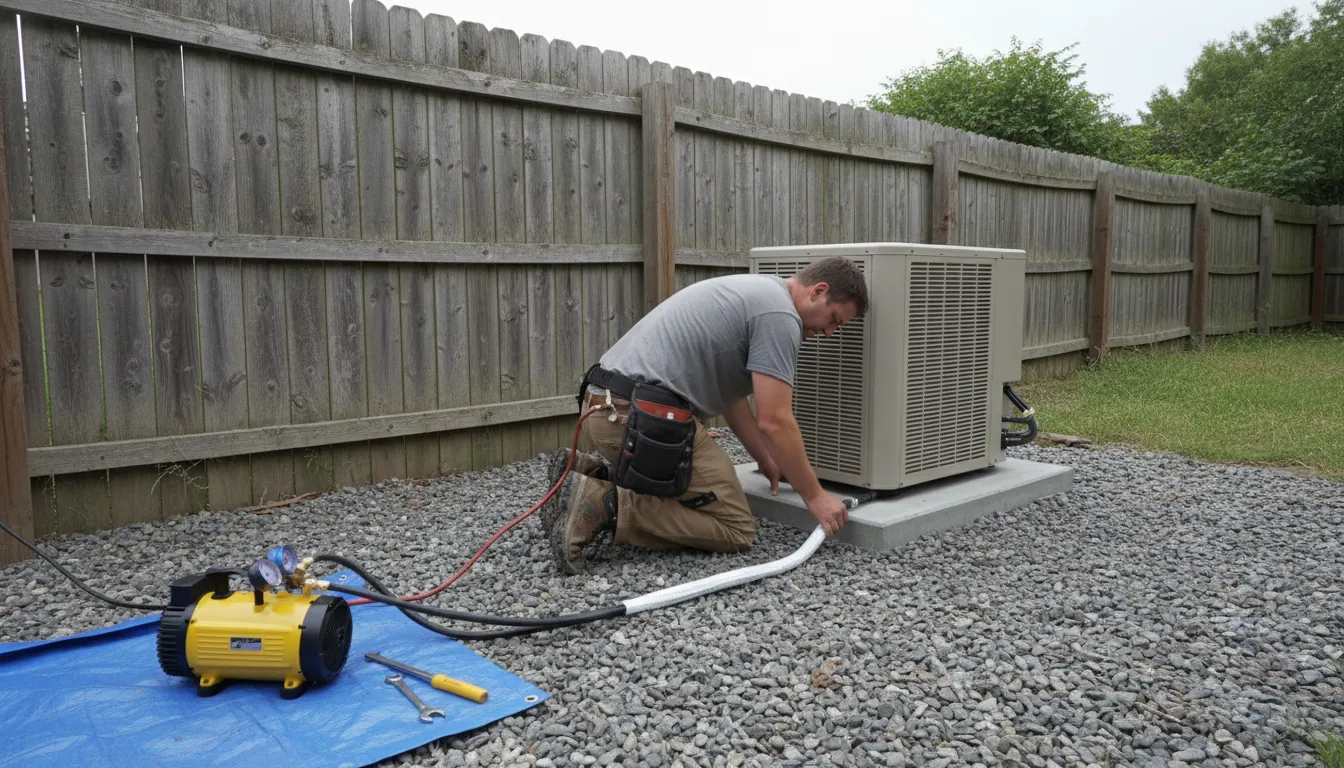
- Pressure Testing and Evacuation: The system is pressurized with nitrogen to check for leaks. Then, a vacuum pump is used to remove all air and moisture from the refrigerant lines-a critical step for system longevity and efficiency 11 12 13.
- Charging and Commissioning: The system is charged with the exact amount of refrigerant, and all components are tested to ensure proper heating, cooling, and drainage operation.
Benefits of a Professional Ductless Installation
Hiring a licensed and experienced contractor for your mini-split installation in Independence ensures you gain the full range of benefits:
- Energy Savings: Zoned heating and cooling eliminate energy waste in unoccupied rooms. Inverter technology also uses less electricity than traditional systems.
- Enhanced Comfort: Eliminate hot and cold spots by delivering conditioned air directly to where it's needed.
- Improved Indoor Air Quality: Many ductless units feature multi-stage filtration that can capture dust, pollen, and other allergens, and since there are no ducts, there's no ductwork to accumulate and circulate contaminants.
- Quiet Operation: The indoor units operate very quietly, and the advanced inverter compressor in the outdoor unit is significantly quieter than a standard central air conditioner.
- Flexibility and Aesthetics: With various indoor unit styles (wall-mounted, ceiling cassette, floor-standing) and sleek designs, you can find an option that complements your room's decor.
Frequently asked questions
Sources
Footnotes
-
Ductless Mini-Split Systems | Columbia MO - Air & Water Solutions - https://www.airwatersolutions.com/ductless-mini-split-systems ↩
-
Best Place to Install a Ductless Mini Split System - https://jacobsheating.com/blog/mini-split-placement/ ↩
-
How to Properly Install a Ductless Mini-Split System - https://www.geappliancesairandwater.com/how-to-properly-install-a-ductless-mini-split-system ↩
-
Ductless Mini-Splits: A Comprehensive Cost Breakdown - https://www.myfivestarhomeservices.com/ductless-mini-splits-a-comprehensive-cost-breakdown/ ↩
-
Ductless Mini Split Installation Costs in 2026 - Carrier - https://www.carrier.com/residential/en/us/products/ductless-mini-splits/ductless-mini-split-installation-cost/ ↩
-
Ductless Mini-Split Installation Cost in 2025: Full Breakdown - https://osborneheatingncooling.com/ductless-mini-split-installation-cost/ ↩
-
Ductless Mini-Splits: A Comprehensive Cost Breakdown | Fire & Ice - https://indoortemp.com/resources/cost-of-mini-split-ductless-system ↩
-
Mini Split Installation at The Home Depot - https://www.homedepot.com/services/c/mini-split-installation/723194ce9 ↩
-
How much to install mini split? - https://mrgoodguyhvac.com/how-much-to-install-mini-split/ ↩
-
Understanding Mini Split Installation Costs A Complete Guide - https://armusmech.net/understanding-mini-split-installation-costs-a-complete-guide/ ↩
-
Best Mini Split AC Installation Location - Carrier - https://www.carrier.com/residential/en/us/products/ductless-mini-splits/install-ductless-ac/best-mini-split-placement/ ↩
-
Ductless mini-split installation: Cool 2025 Guide - Southern Air - https://www.southern-air.com/blog/ductless-mini-split-installation ↩
-
How to Install a Mini Split System - https://www.youtube.com/watch?v=J2nkLRbhfPY&t=99 ↩