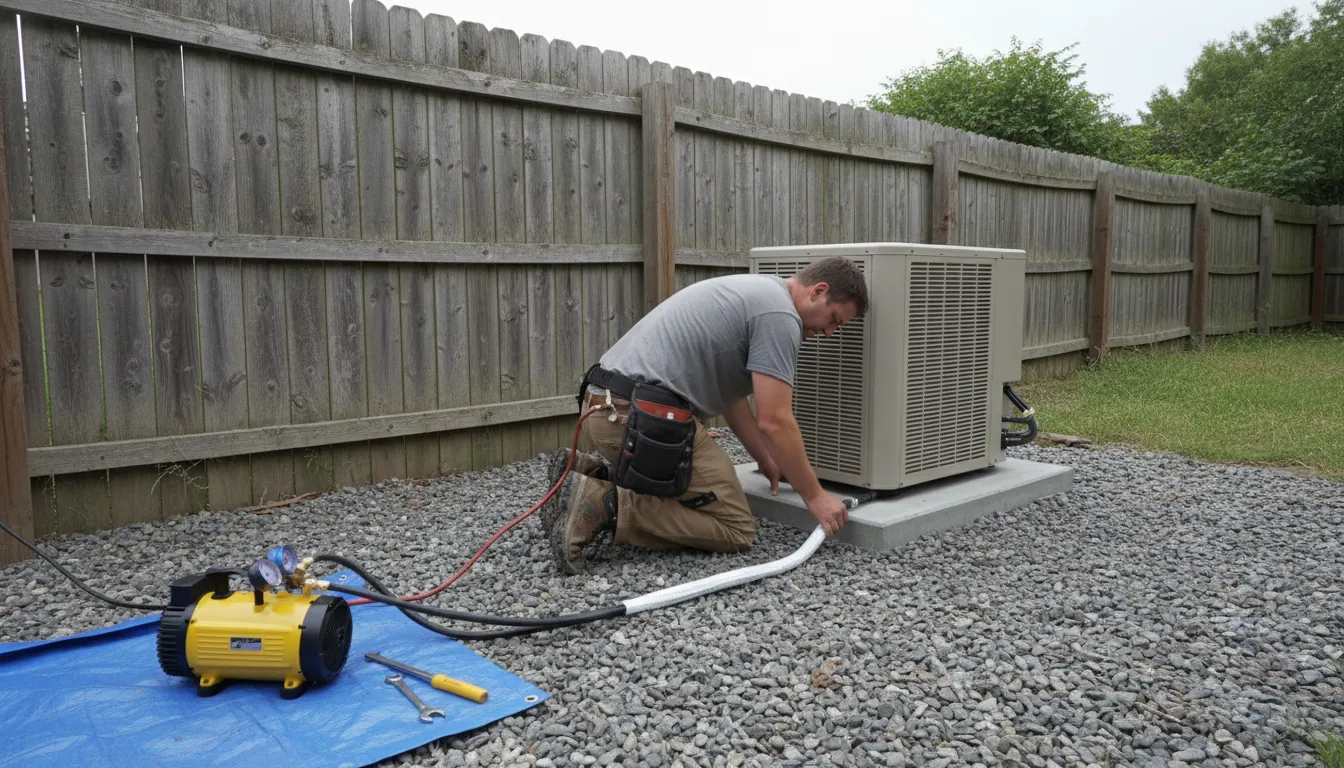
Find the Best Mini-Split Installers for Your Business
No obligation • Fast responses • Nationwide coverage

Why you can trust HVAC Firms
HVAC Firms is a leading United States resource for evaluating HVAC service providers. Our team researches companies, checks credentials, and reviews customer feedback to present clear, unbiased information. Listings and rankings are based on merit, and companies cannot pay to change our editorial content.
Search providers near you
Best Mini-Split Installers in Hawaii Ranked
Installing a ductless mini-split system is a smart way to cool and heat your Hawaii home efficiently. These systems are ideal for homes without existing ductwork, offering zoned comfort and significant energy savings. This guide explains the essential steps, regulations, and financial incentives for a successful mini-split installation in the Aloha State, helping you connect with qualified local professionals.
Standard Air, LLC
Honolulu, HI
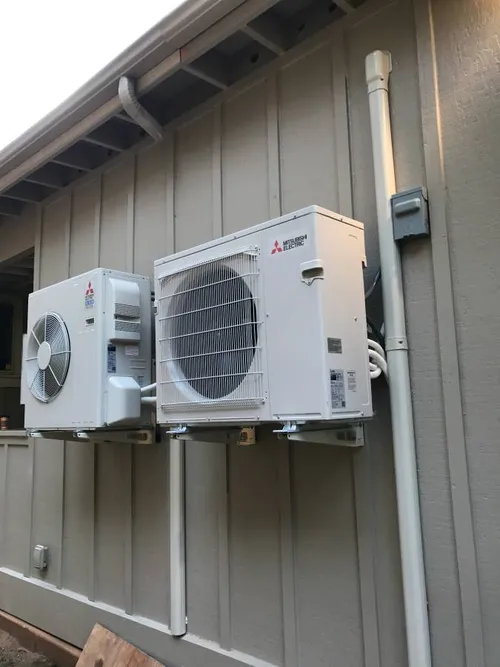
Standard Air, LLC is an HVAC company serving Honolulu, HI, and surrounding areas including Kailua, Kaneohe, Waialae-Kahala, and Hawaii Kai. Since 2018, they have provided services such as air conditioning installation, repair, maintenance, duct cleaning, and indoor air quality improvement. They specialize in Mitsubishi HVAC systems and use a detailed ten-point quality inspection to ensure system efficiency and longevity. The company focuses on addressing Oahu's unique climate challenges, including humidity and air quality issues, to help clients maintain comfortable and healthy indoor environments.

Air Source Air Conditioning
2007 Republican St, Honolulu, HI 96819
Air Source Air Conditioning is a licensed AC contractor serving Honolulu, HI, since 2002. The company offers a full range of air conditioning services including installation, repair, maintenance, and replacement, with a specialization in mini-split system installations. As a Mitsubishi Elite Diamond Contractor, they bring expert knowledge to their projects and provide manufacturer warranties for added assurance. Their services also include HVAC zoning to improve comfort and energy efficiency. Air Source Air Conditioning is a locally owned, family- and woman-owned business with over 20 years of experience in the industry.
Igloo AC
Honolulu, HI
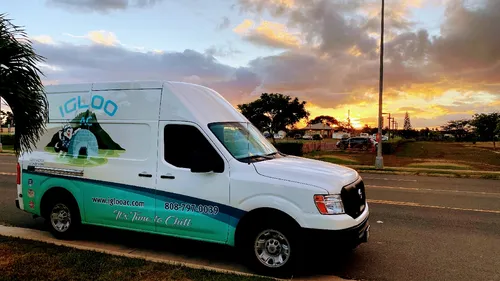
Igloo AC is a family-owned HVAC and electrical contracting business based in Kailua, serving Honolulu, HI, and the Big Island. They specialize in residential and commercial installation of ductless mini-split systems, central ducted air conditioning, VRF and VRV systems, rooftop units, and electrical services. The company handles all electrical work in-house and offers a 12-year parts and labor warranty on Daikin and Fujitsu split AC systems. With over 50 years of combined experience, Igloo AC is licensed and insured, providing comprehensive HVAC and electrical solutions for new construction and existing properties.
Ultimate Air Conditioning - Hawaii
Honolulu, HI
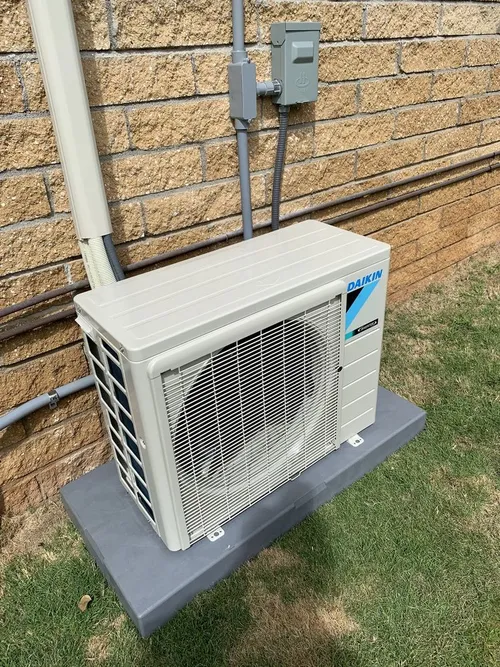
Ultimate Air Conditioning - Hawaii is an HVAC service provider based in Honolulu, HI. They offer a range of services including air conditioning repair and installation, mini-split system installation, thermostat installation, indoor air quality solutions, duct cleaning, and seasonal HVAC maintenance. Their team handles emergency HVAC repairs and system inspections, serving residential and commercial customers across Honolulu. One of their key capabilities is the installation and repair of ductless mini-split systems, which are popular in the area for efficient cooling.
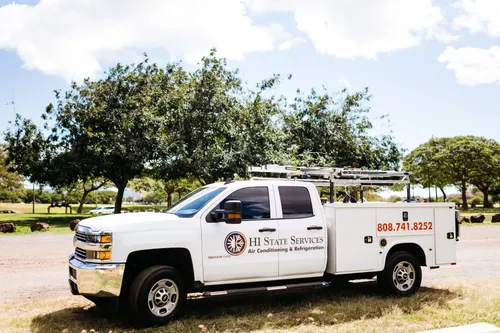
Hi State Services LLC
Honolulu, HI
Hi State Services LLC is a locally owned and operated air conditioning and HVAC contractor based in Honolulu, HI. They provide residential and commercial air conditioning solutions including installation, maintenance, and repair of central air and mini split systems. The company also offers duct upgrades and indoor air quality services. As a Hawaii Energy ally, they assist customers with energy rebates and focus on cost-effective recommendations. Their team is trained to diagnose and repair various HVAC issues and offers routine maintenance programs to improve system efficiency.
Understanding Mini-Split Systems for Island Living
Ductless mini-split systems consist of an outdoor compressor/condenser unit and one or more indoor air-handling units, connected by a conduit containing refrigerant lines, power cables, and a condensate drain. Unlike central air systems, they require no ductwork, making them perfect for Hawaii's diverse housing, from older plantation-style homes to new additions and ohana units.
The primary advantage is zoned cooling and heating. You can control the temperature in individual rooms, avoiding the energy waste of cooling unoccupied spaces. This efficiency is crucial in Hawaii, where electricity costs are among the highest in the nation. Modern units are also exceptionally quiet and can provide both cooling and heating, which is beneficial for cooler upland areas.
Hawaii's Licensing and Permit Requirements
Hiring a properly licensed contractor is not just a recommendation-it's a legal requirement for a safe, code-compliant, and warrantied installation.
Required Contractor Licenses
In Hawaii, HVAC work is regulated by the Department of Commerce and Consumer Affairs (DCCA). The key licenses for a mini-split installation are:
- C-52 Ventilating and Air Conditioning Contractor: This is the primary license for the mechanical installation of the system, including mounting units and running refrigerant lines.
- C-13 Electrical Contractor: A separate electrical license is required to connect the system to your home's electrical panel. Some contractors hold both licenses, or they may subcontract the electrical work to a C-13 licensed electrician.
- EPA Section 608 Certification: Any technician who handles refrigerant must be certified by the EPA. This ensures proper, environmentally safe practices1.
Always verify a contractor's license status online through the DCCA's website before signing any agreement.
Permit Process
Obtaining the proper permits is mandatory. Your licensed contractor will typically handle this process, which includes:
- Mechanical Permit: For the installation of the HVAC equipment itself.
- Electrical Permit: For the new electrical circuit and connections2. Permits are issued by your county's building department (City and County of Honolulu, Maui County, Hawaii County, or Kauai County). The permit process ensures the installation is inspected for safety and compliance with state and county codes. Skipping permits can result in fines, voided equipment warranties, and problems when selling your home.
Key Considerations for Installation in Hawaii
Unit Placement and Sizing
Professional installation starts with a proper load calculation (Manual J) to determine the correct system size for your space. An oversized or undersized unit will lead to poor performance, higher costs, and reduced comfort.
Placement is critical, especially in Hawaii's unique climate:
- Outdoor Unit: Must be placed on a stable, level pad with ample clearance for airflow. It should be protected from direct exposure to sprinklers and positioned to minimize noise for neighbors. Most importantly, it must be shielded from corrosive salt air, which is prevalent in coastal areas.
- Indoor Unit: Should be mounted high on a wall for optimal air distribution, away from direct sunlight or heat sources, and in a location where condensation can drain properly.
Adherence to Energy Codes
Hawaii has adopted stringent energy codes to promote efficiency. Your new ductless system must meet minimum Seasonal Energy Efficiency Ratio 2 (SEER2) and Heating Seasonal Performance Factor 2 (HSPF2) ratings3. A professional contractor will ensure the selected equipment complies with these codes, which also helps qualify for valuable rebates and tax credits.
Financial Incentives and Rebates
Investing in a high-efficiency mini-split system can be offset by several financial incentives.
Hawaii Energy Rebates
Hawaii Energy, the state's ratepayer-funded energy conservation and efficiency program, periodically offers rebates for installing high-efficiency ductless mini-split systems 4. Rebates are often tied to specific, high-tier efficiency levels (e.g., SEER2 ratings of 15.3 or higher for certain programs)4. The availability and amounts change, so check the Hawaii Energy website for the most current offers before you purchase.
Federal Tax Credits
The federal Residential Clean Energy Property Credit (IRS Form 5695) provides a tax credit worth 30% of the cost of qualifying energy-efficient property, including certain high-efficiency air conditioners and heat pumps, installed through 20325 6. This credit applies to both the equipment and installation labor costs. There is no dollar limit for this credit. Your contractor can help you identify models that meet the Consortium for Energy Efficiency (CEE) tier requirements to qualify.
Other State Programs
Programs like eHale Energy Saver may also offer rebates for energy-efficient upgrades. It's worthwhile to research all available state and utility-specific incentives.
Find the perfect mini-split installers for your needs
Get personalized recommendations and expert advice
Understanding Installation Costs
The cost for a ductless mini-split installation in Hawaii varies widely based on several factors, with a general range of $2,000 to over $10,5007 8 9.
What Influences the Cost:
- Number of Zones: A single-zone system (one outdoor unit, one indoor head) is the most affordable. Multi-zone systems (one outdoor unit serving multiple indoor heads) cost more.
- System Capacity and Efficiency: Higher BTU capacity and higher SEER2 ratings increase equipment cost but offer long-term savings and rebate eligibility.
- Installation Complexity: The difficulty of running linesets through walls, attic spaces, or between floors significantly impacts labor costs. Homes with concrete walls or complex layouts will be more expensive.
- Electrical Work: If your electrical panel requires an upgrade to support the new circuit, this adds cost.
- Hawaii-Specific Factors: Requirements for salt-air corrosion protection, such as specialized coatings or more frequent maintenance protocols, can add to the project cost10.
While DIY "pre-charged" mini-split kits are marketed, professional installation is strongly advised to ensure warranty validity, code compliance, safety, and optimal performance 11.
Ensuring a Successful Project
- Get Multiple Quotes: Obtain detailed written estimates from at least three licensed Hawaii contractors (C-52 and C-13).
- Verify Everything: Check licenses, insurance, and references. Ensure the quote includes all permit and county inspection fees.
- Plan for Efficiency: Discuss high-SEER2 models with your contractor to maximize rebates and long-term energy savings.
- Ask About Protection: Inquire specifically about their methods for protecting the outdoor unit from salt-air corrosion.
- Review the Contract: The contract should outline the scope of work, equipment model numbers, total price, payment schedule, and warranty details for both parts and labor.
A properly installed, high-efficiency ductless mini-split system is a valuable upgrade for any Hawaii homeowner, providing decades of reliable, cost-effective comfort.
Frequently asked questions
Sources
Footnotes
-
Hawaii HVAC Regulatory Oversight for 2026: Complete Guide - Budget Heating and Air Conditioning Inc - https://www.budgetheating.com/blog/hawaii-hvac-regulatory-oversight-complete-guide/ ↩
-
Do Mini Splits Need Permits? Installation Requirements Guide - https://www.greecomfort.com/news-and-events/do-mini-splits-need-permits/ ↩
-
STATE OF HAWAII - https://energy.hawaii.gov/wp-content/uploads/2020/04/HawaiiCounty_EnergyCode.pdf ↩
-
Mini-Split VRF AC Rebate Fillable Application - Hawaii Energy - https://hawaiienergy.com/wp-content/uploads/mini-split-app_fillable.pdf ↩ ↩2
-
Air Conditioner Tax Credits in Hawaii - RevoluSun - https://www.revolusun.com/ac-tax-credits/ ↩
-
eHale Energy Saver Rebate Program - Hawai'i State ... - https://energy.hawaii.gov/ehale-rebates/ ↩
-
Ductless mini-split installation: Cool 2025 Guide - Southern Air - https://www.southern-air.com/blog/ductless-mini-split-installation ↩
-
Ductless Mini Split Installation Costs in 2026 - Carrier - https://www.carrier.com/residential/en/us/products/ductless-mini-splits/ductless-mini-split-installation-cost/ ↩
-
Ductless Mini-Split Installation Cost in 2025: Full Breakdown - https://osborneheatingncooling.com/ductless-mini-split-installation-cost/ ↩
-
Hawaii Energy Rebates Wahiawa - Smart Home Upgrades - https://hirootsrealty.com/blog/hawaii-energy-rebates-smart-upgrades-for-wahiawa ↩
-
Ductless Mini Split Installation Guide: What Every Homeowner ... - https://www.aceanda.com/blog/ductless-mini-split-installation-guide-what-every-homeowner-should-know/ ↩