Find the Best Indoor Air Quality Service Providers for Your Business
No obligation • Fast responses • Nationwide coverage

Why you can trust HVAC Firms
HVAC Firms is a leading United States resource for evaluating HVAC service providers. Our team researches companies, checks credentials, and reviews customer feedback to present clear, unbiased information. Listings and rankings are based on merit, and companies cannot pay to change our editorial content.
Search providers near you
Best Indoor Air Quality Service Providers in Pennsylvania Ranked
The air inside your Pennsylvania home or workplace can significantly impact your health, comfort, and productivity. Indoor air quality (IAQ) refers to the condition of the air within buildings, influenced by pollutants, humidity, and ventilation. While Pennsylvania follows guidelines from the EPA and ASHRAE, there are no specific state-mandated standards for private residences. This makes proactive management essential. Understanding common pollutants, effective control strategies, and available testing can help you create a healthier indoor environment. The following guide provides practical information to identify issues and connect with qualified local professionals for assessment and solutions.
J&J Mechanical Inc.
200 Grove Rd, Paulsboro, NJ 08066
J&J Mechanical Inc. is a family-owned HVAC and generator service provider serving Philadelphia, PA, and the surrounding South Jersey and Southeastern Pennsylvania areas. They offer a wide range of services including air conditioning and heating installation, repair, maintenance, and indoor air quality solutions. Their N.A.T.E certified technicians provide reliable system tune-ups and emergency repairs, along with energy-efficient and environmentally friendly options such as high-efficiency HVAC systems and backup generators. With over two decades of experience, J&J Mechanical Inc. is committed to transparent pricing and community involvement.
Mold Medics
811 Washington Ave, Carnegie, PA 15106
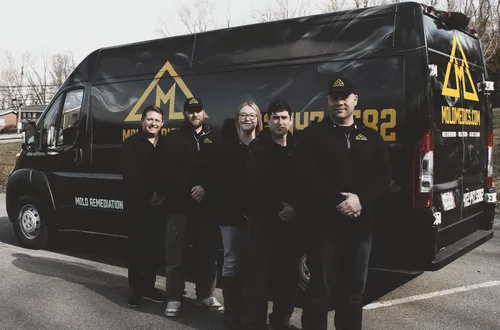
Mold Medics is a duct cleaning and indoor air quality service provider located in Pittsburgh, PA. They specialize in mold testing, mold remediation, air duct cleaning, and disinfection services using EPA-registered products applied with electrostatic sprayers. Their process includes containment, removal, HEPA vacuuming, and antimicrobial treatment to ensure thorough mold elimination and improved indoor air quality. Mold Medics is known for their expertise in handling mold and indoor allergens and uses advanced equipment like thermal imaging cameras and moisture meters to assess mold problems accurately.
McGinley Services Heating & Cooling
746 Chester Pike STE A, Prospect Park, PA 19076
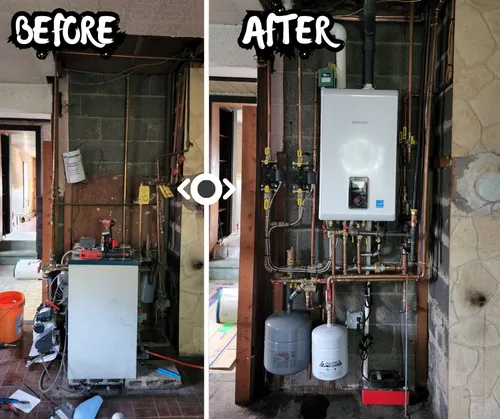
McGinley Services Heating & Cooling is a family-owned HVAC company serving Philadelphia, PA, and nearby Delaware and Montgomery counties. Since 2020, they have provided heating, air conditioning, indoor air quality, and water heating services, including installations, repairs, duct cleaning, and maintenance. The company offers 24/7 emergency service and same-day appointments, ensuring support during inconvenient times. Their licensed and insured team is experienced in heat pump and furnace installations as well as boiler repairs, focusing on safety and quality.
Supreme Heating and Cooling
1475 Frey Rd, Penn Hills Township, PA 15235
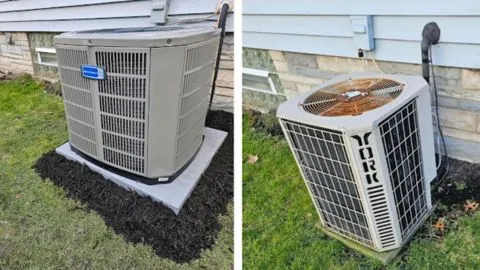
Supreme Heating and Cooling is an HVAC company based in Pittsburgh, PA, offering a wide range of heating and cooling services. They provide installation, repair, and maintenance for air conditioners, furnaces, heat pumps, boilers, mini split systems, and indoor air quality equipment. Their certified technicians also handle electrical services related to HVAC systems. The company emphasizes energy efficiency and improved indoor air quality in their work. Supreme Heating and Cooling is known for working with trusted brands and offers comprehensive HVAC solutions to keep homes comfortable year-round.
Ace Duct Cleaning Inc
423 Commerce Ln UNIT 1, West Berlin, NJ 08091
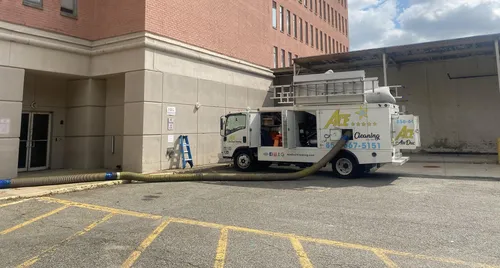
Ace Duct Cleaning Inc is a family-owned company serving Philadelphia, PA, and nearby areas with air duct cleaning and indoor air quality services. Since 1992, they have provided thorough cleaning of HVAC systems using advanced power vacuum trucks and NADCA Certified technicians. Their services cover residential, commercial, and industrial properties, focusing on removing dust, allergens, mold, and other contaminants to improve air quality and HVAC efficiency. The company offers 24/7 availability, including emergency services, to support heating and air needs at any time.
Why Indoor Air Quality Matters in Pennsylvania
Pennsylvania's climate and building stock create unique challenges for indoor air. Cold winters lead to tightly sealed homes, which can trap pollutants and reduce fresh air exchange. Older homes may contain legacy materials like asbestos or lead paint, while basements and foundations are common entry points for moisture and radon gas. The Pennsylvania Department of Health emphasizes that poor IAQ can lead to immediate symptoms like headaches, fatigue, and irritation of the eyes, nose, and throat, as well as long-term health effects, including respiratory diseases and heart conditions. For vulnerable populations like children, the elderly, and those with asthma or allergies, maintaining clean indoor air is particularly critical.
Common Indoor Air Pollutants in Pennsylvania
Awareness of potential contaminants is the first step toward improvement. Key pollutants found in Pennsylvania homes and workplaces include:
- Radon: This colorless, odorless radioactive gas is a significant concern, as it seeps from the ground into buildings. Pennsylvania has areas with high radon potential, and it is the leading cause of lung cancer among non-smokers 1. Testing is highly recommended for all homes.
- Biological Contaminants: Mold, mildew, dust mites, pet dander, pollen, bacteria, and viruses thrive in damp conditions. Pennsylvania's humidity, especially in summer and in basements, provides an ideal environment for mold growth.
- Combustion Products: Carbon monoxide (CO), nitrogen dioxide (NO₂), and particulate matter can be released from fuel-burning appliances like gas stoves, furnaces, fireplaces, and space heaters. Improper venting or maintenance can lead to dangerous indoor levels 2.
- Volatile Organic Compounds (VOCs): These chemicals are emitted as gases from a wide array of products, including paints, varnishes, cleaning supplies, adhesives, new furniture, and building materials. They can cause short- and long-term adverse health effects.
- Particulate Matter (PM): Dust, pollen, smoke, and other tiny particles can be suspended in the air. These can irritate airways and exacerbate respiratory conditions.
- Legacy Pollutants (Asbestos & Lead): In homes built before the 1980s, disturbing materials like insulation, floor tiles, or paint can release asbestos fibers or lead dust, which require professional handling for safe abatement.
The Four Pillars of Effective IAQ Management
The Pennsylvania Department of Health outlines a multi-faceted approach to improving indoor air, with source control being the most effective strategy.
1. Source Control
Eliminating or reducing pollutants at their origin is more effective than trying to clean the air after they have spread.
- Test for Radon: Conduct a radon test. If levels are high (4 pCi/L or above), install a radon mitigation system.
- Maintain Appliances: Ensure all fuel-burning appliances (furnaces, water heaters, fireplaces) are professionally inspected and vented properly to the outdoors to prevent carbon monoxide buildup 3.
- Choose Low-VOC Products: Opt for paints, cleaners, and building materials labeled as low-VOC or zero-VOC 4.
- Control Moisture: Promptly fix leaks, use exhaust fans in bathrooms and kitchens, and use a dehumidifier in damp areas like basements to prevent mold growth 5.
2. Ventilation
Diluting indoor air with cleaner outdoor air is crucial. The Pennsylvania Mechanical Code mandates mechanical ventilation in all occupied spaces to ensure adequate air exchange.
- Natural Ventilation: Open windows and doors when weather and outdoor air quality permit.
- Mechanical Ventilation: Use exhaust fans in kitchens and bathrooms. Consider installing a whole-house ventilation system, such as a Heat Recovery Ventilator (HRV) or Energy Recovery Ventilator (ERV), which brings in fresh air while conserving energy 6.
- ASHRAE Standards: For non-residential settings like schools, ASHRAE standards suggest 15 to 60 cubic feet per minute (cfm) of outdoor air per person. Carbon dioxide (CO₂) levels can be a useful indicator; levels consistently above 700 ppm above outdoor levels often signal inadequate ventilation.
3. Humidity Control
Maintaining indoor relative humidity between 30% and 50% is recommended to inhibit mold growth and dust mite populations 7 8.
- Use Dehumidifiers: In naturally damp areas like basements.
- Use Humidifiers: During dry winter months to prevent overly dry air, which can irritate respiratory passages.
- Vent Moisture: Always vent clothes dryers to the outside.
4. Air Filtration and Cleaning
When source control and ventilation are insufficient, filtration can capture airborne particles.
- Upgrade HVAC Filters: Replace standard furnace filters with pleated filters with a Minimum Efficiency Reporting Value (MERV) between 8 and 13 for a good balance of particle capture and system airflow.
- Use Portable Air Cleaners: Select units with HEPA filters for bedrooms or other key areas, especially for allergy sufferers. Ensure the unit is sized appropriately for the room.
- HEPA Vacuums: Use a vacuum cleaner equipped with a HEPA filter to capture fine particles and prevent them from being recirculated into the air.
Find the perfect indoor air quality service providers for your needs
Get personalized recommendations and expert advice
Professional IAQ Testing and Improvement Costs
If you suspect an issue or want a baseline assessment, professional testing can provide clarity. Costs in Pennsylvania vary based on home size, location, and the type of testing performed.
- Comprehensive IAQ Inspection: A basic whole-home assessment that checks for multiple pollutants (e.g., particulates, CO₂, humidity, VOCs) typically ranges from $292 to $584 9.
- Targeted Pollutant Testing:
- Radon Testing: $150-$800.
- Mold Inspection and Testing: $300-$1,000.
- VOC Testing: $200-$400.
- Carbon Monoxide Testing: $100-$200.
- Common IAQ Improvement Costs:
- Radon Mitigation System: The average installation cost is $800-$1,300 10.
- Mold Remediation: Professional removal averages $1,200-$3,800, depending on the extent of the infestation 11.
- Air Purifiers & Filters: Portable HEPA air cleaners are a one-time purchase with a wide price range. Higher-MERV HVAC filters are a routine, modest maintenance expense 12 13.
Special Considerations for Pennsylvania Workplaces and Schools
Commercial buildings and schools have a responsibility to provide a safe environment. The Pennsylvania DOH provides specific IAQ guidelines for schools, emphasizing proactive management plans, proper HVAC maintenance, and controlling moisture and pollutant sources 14. Employers should be aware of common workplace pollutants from industrial processes, office equipment, and building materials 15. Regular maintenance of ventilation systems and adherence to ASHRAE standards are fundamental for occupant health and productivity.
Frequently asked questions
Sources
Footnotes
-
Indoor Air Quality Tests in Pennsylvania - https://www.centralpennradonmitigation.com/indoor-air-testing.html ↩
-
Introduction to Indoor Air Quality | US EPA - https://www.epa.gov/indoor-air-quality-iaq/introduction-indoor-air-quality ↩
-
indoor air pollution - https://www.pa.gov/content/dam/copapwp-pagov/en/health/documents/topics/documents/environmental-health/PEHDA_Indoor_Air_Pollution.pdf ↩
-
4 Major Indoor Air Pollutants Impacting Your Health - https://evergreenairquality.com/what-are-the-4-major-indoor-air-pollutants/ ↩
-
Tackling Indoor Air Pollution In Pennsylvania Homes | Blog - https://signaturehvac.com/blog/tackling-indoor-air-pollution-in-pennsylvania-homes/ ↩
-
Chapter 4 Ventilation: Pennsylvania Mechanical Code 2021 - https://up.codes/viewer/pennsylvania/imc-2021/chapter/4/ventilation ↩
-
How Safe Is Your Indoor Air Quality for Kids? - https://www.pa.gov/content/dam/copapwp-pagov/en/health/documents/topics/documents/environmental-health/ECE_enewsletter_10_14_2021.pdf ↩
-
Pennsylvania Department of Health - https://www.pa.gov/content/dam/copapwp-pagov/en/health/documents/topics/documents/school-health/Indoor%20Air%20Quality%20082011.pdf ↩
-
How Much Does a Home Indoor Air Quality Testing Cost? - https://www.airpf.com/how-much-does-a-home-indoor-air-quality-testing-cost/ ↩
-
How Much Does Indoor Air Quality Testing Cost? [2025 Data] - https://www.homeadvisor.com/cost/environmental-safety/test-indoor-air-quality/ ↩
-
How Much Does Indoor Air Quality Testing Cost? [2026 Data] - https://www.angi.com/articles/how-much-does-indoor-air-quality-testing-cost.htm ↩
-
The Impact of Regular HVAC Filters Changes on Indoor Air Quality - https://www.hoffmannbros.com/resources/hvac-filters-impact-on-indoor-air-quality ↩
-
Portable Air Cleaners - https://maineindoorair.org/portable-air-cleaners/ ↩
-
Indoor Air Quality Guidelines for Pennsylvania Schools - https://www.pa.gov/content/dam/copapwp-pagov/en/health/documents/topics/documents/school-health/Pennsylvania%20Department%20of%20Health%2C%20Indoor%20Air%20Quality%20Guidelines%20for%20Pennsylvania%20Schools_A_18.pdf ↩
-
10 Workplace Toxic Indoor Air Pollutants and Their Sources - https://www.atlenv.com/10-workplace-toxic-indoor-air-pollutants ↩