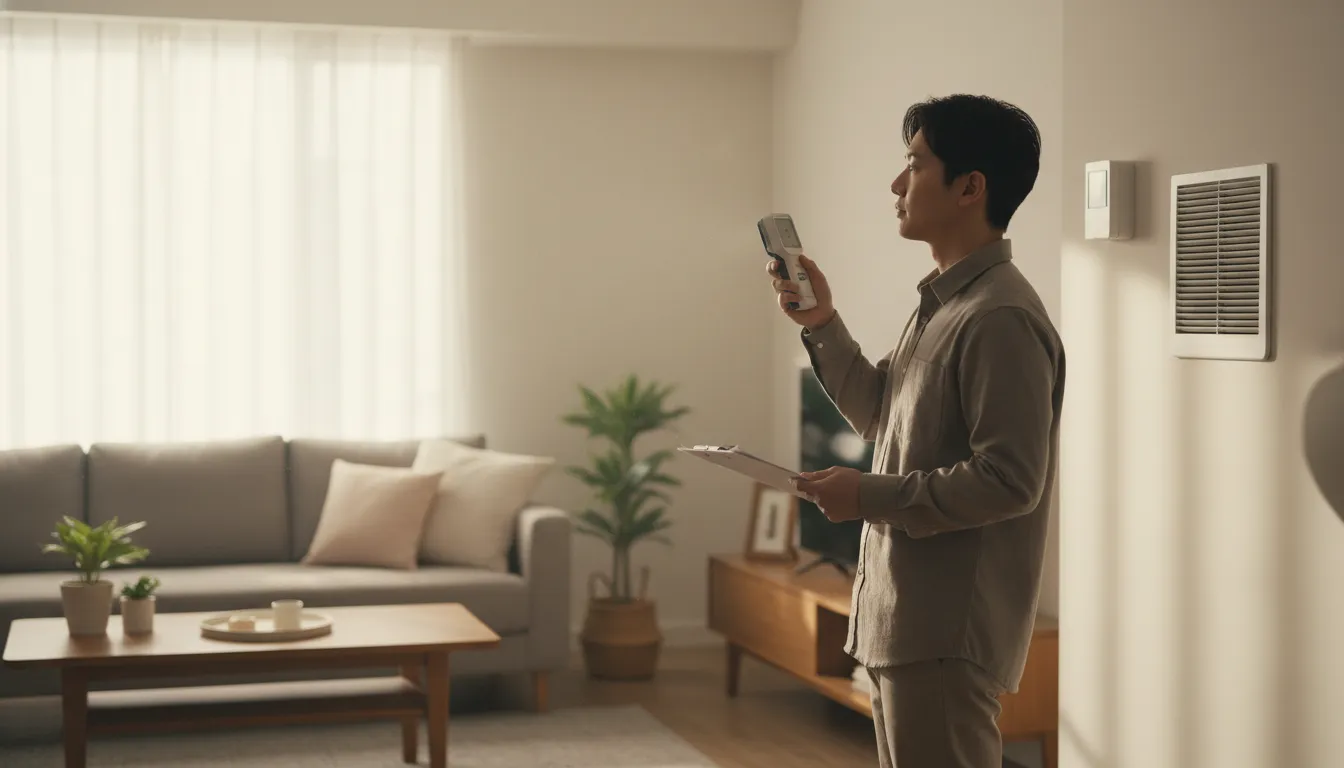
Find the Best Indoor Air Quality Service Providers for Your Business
No obligation • Fast responses • Nationwide coverage

Why you can trust HVAC Firms
HVAC Firms is a leading United States resource for evaluating HVAC service providers. Our team researches companies, checks credentials, and reviews customer feedback to present clear, unbiased information. Listings and rankings are based on merit, and companies cannot pay to change our editorial content.
Search providers near you
Best Indoor Air Quality Service Providers in Ohio Ranked
The air you breathe inside your home or workplace has a direct impact on your health, comfort, and productivity. In Ohio, managing indoor air quality (IAQ) involves understanding local climate challenges, common pollutants, and the guidelines that shape building ventilation. This resource provides clear, actionable information on IAQ standards, common issues in Ohio homes and buildings, and practical steps you can take to improve your indoor environment. Use this guide to identify potential concerns and connect with qualified local professionals who can provide testing, mitigation, and system improvements tailored to Ohio's specific needs.
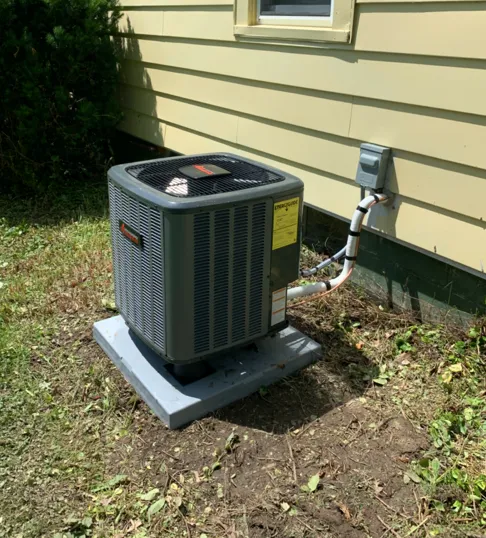
Lanigan Heating & Air Conditioning
1869 E 337th St, Eastlake, OH 44095
Lanigan Heating & Air Conditioning is a locally owned HVAC company serving Cleveland, OH. They provide a range of services including air conditioning and furnace installation, repair, and maintenance for both residential and commercial properties. Their capabilities include air duct inspection and cleaning to improve indoor air quality and reduce allergens. Lanigan Heating & Air Conditioning offers guarantees on parts, labor, and equipment to ensure customer satisfaction.
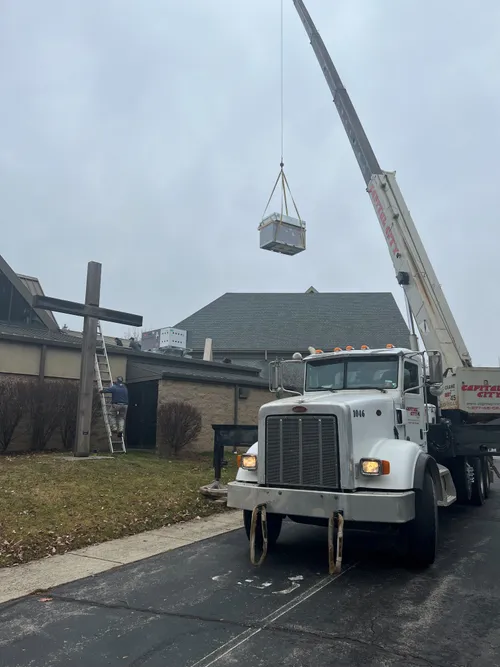
Right Way Heating and Cooling
2933 Donnylane Blvd, Columbus, OH 43235
Right Way Heating and Cooling is a family-owned HVAC company serving Columbus, OH, and surrounding areas including Franklin, Licking, and Ross counties. Founded in 2009, they offer a full range of heating and cooling services such as air conditioner, furnace, and heat pump installation and repair, as well as indoor air quality solutions like whole home air filtration and humidifiers. The company provides 24-hour emergency service to address urgent HVAC needs promptly and is staffed by NATE certified technicians.
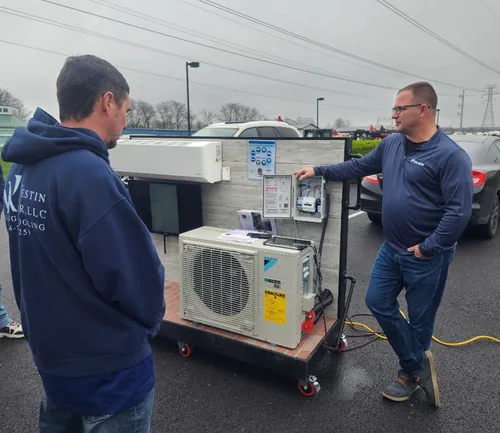
Westin Air Heating and Cooling - Sunbury Ohio
725 Kintner Pkwy, Sunbury, OH 43074
Westin Air Heating and Cooling - Sunbury Ohio provides a range of HVAC services including installation, repair, and maintenance of air conditioners, furnaces, heat pumps, and geothermal systems in Columbus, OH. The company also offers indoor air quality solutions and commercial HVAC services. Westin Air is equipped to handle emergency repairs 24/7 and stocks common replacement parts for quick service. Established in 2005, Westin Air has over 18 years of experience serving the Sunbury and Columbus area, ensuring reliable heating and cooling solutions for homes and businesses.
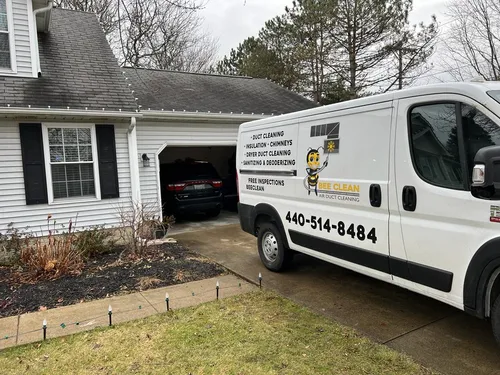
Bee Clean Air duct cleaning
Cleveland, OH
Bee Clean Air duct cleaning is a service provider based in Cleveland, OH, specializing in duct cleaning and indoor air quality improvement. They serve the Cleveland metro area, offering professional cleaning of air ducts and dryer vents to enhance home air quality. Their services include thorough cleaning using state-of-the-art equipment and a specialized sanitizing process with ULV foggers to reduce contaminants like mold, bacteria, and viruses. The company is fully bonded and insured, with a focus on detailed work and customer education. Bee Clean Air duct cleaning has built a reputation for professionalism and care in residential and commercial settings.
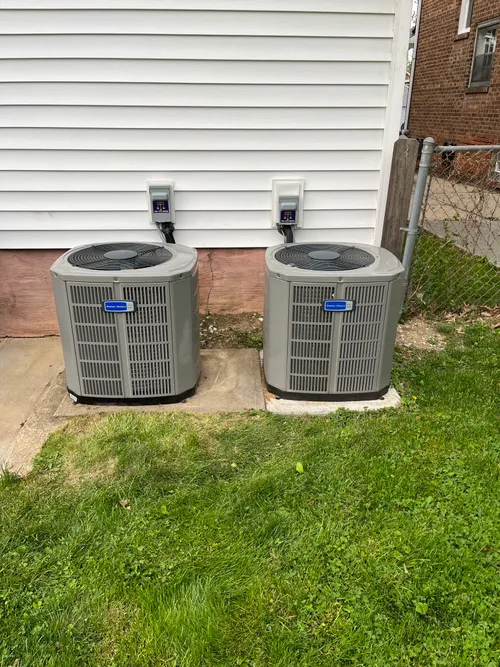
Balanced Air Heating & Cooling
23672 Lorain Rd, North Olmsted, OH 44070
Balanced Air Heating & Cooling is an HVAC contractor based in Cleveland, OH, offering repair, maintenance, and installation services for heating and cooling systems. Founded in 2022 by Jeremy Hall, the company provides balanced service focused on customer satisfaction without commission-based technician pay. They specialize in air conditioning, furnace, heat pump, and indoor air quality services, ensuring systems operate efficiently and comfortably.
Understanding Ohio's Indoor Air Quality Landscape
Ohio does not have a single set of state-specific indoor air quality regulations for general buildings. Instead, the state adheres to federal guidelines from agencies like the U.S. Environmental Protection Agency (EPA) and the Occupational Safety and Health Administration (OSHA), as well as model codes from organizations like the American Society of Heating, Refrigerating, and Air-Conditioning Engineers (ASHRAE) 1 2 3 4 5. The Ohio EPA and the Ohio Department of Health provide additional guidance and resources on managing specific pollutants and implementing best practices.
This framework means that building codes and health recommendations are the primary tools for ensuring good air. For homeowners and building managers, the focus is on proactive management-understanding the sources of pollution, ensuring proper ventilation, and using effective filtration.
Common Indoor Air Pollutants in Ohio
Ohio's climate and building stock contribute to a set of common indoor air concerns. Being aware of these is the first step toward mitigation.
- Radon: This naturally occurring radioactive gas is a significant health risk and can seep into homes from the ground. The U.S. EPA recommends all homes be tested for radon, regardless of location or foundation type.
- Mold and Mildew: Ohio's humid summers create ideal conditions for mold growth, particularly in basements, bathrooms, and anywhere moisture accumulates. In winter, heating systems can dry out the air, but trapped moisture from lack of ventilation can still cause problems. Maintaining indoor relative humidity between 30% and 50% is a key strategy to inhibit mold growth 6.
- Carbon Monoxide (CO): Produced by incomplete combustion from furnaces, water heaters, fireplaces, and vehicles. Ohio's ambient air quality standards set a limit of 9 parts per million (ppm) over an eight-hour period 7. Every home should have working CO alarms installed on each level and near sleeping areas.
- Particulate Matter (PM2.5): These fine particles can come from smoke (fireplaces, wood stoves, cooking), dust, and outdoor pollution that infiltrates indoors. The Ohio Department of Health specifically recommends using high-efficiency filters (MERV 13 or higher) in HVAC systems to capture these particles, especially during regional air quality alerts 8.
- Volatile Organic Compounds (VOCs): These gases are emitted from a wide array of household products including paints, varnishes, cleaning supplies, pesticides, and even some furnishings. Using low-VOC or VOC-free products and ensuring ample ventilation during and after their use can reduce exposure 9 10.
- Asbestos: Found in insulation, floor tiles, and other materials in buildings constructed before the 1980s. If asbestos-containing material is in good condition and undisturbed, it often poses little risk. Removal or disturbance requires certified abatement professionals to prevent dangerous fibers from becoming airborne 11.
Ventilation Standards and Building Codes in Ohio
Proper ventilation is the cornerstone of good indoor air quality, as it dilutes and removes pollutants while bringing in fresh outdoor air. Ohio's building codes incorporate nationally recognized standards to define requirements.
Residential Buildings
The Ohio Residential Ventilation and Acceptable Indoor Air Quality Code is based on the ASHRAE 62.2 standard. Key recommendations include:
- Providing a minimum of 0.35 air changes per hour (ACH) from outdoor air, but not less than 15 cubic feet per minute (cfm) per person 12 13.
- Installing and using intermittent exhaust fans in kitchens (to remove moisture and cooking pollutants) and bathrooms (to remove humidity) 14.
- For tightly sealed, energy-efficient homes, these standards highlight the potential need for dedicated whole-house ventilation systems to meet fresh air requirements.
Commercial and Public Buildings
The Ohio Mechanical Code references ASHRAE Standard 62.1 for ventilation requirements in commercial spaces 15. This standard is more complex, calculating outdoor air rates based on both the floor area and the expected number of occupants in a space. Modern best practices often integrated into these systems include:
- Enhanced Filtration: Installing MERV 13 or higher filters in HVAC systems to effectively capture fine particulate matter, including viruses and allergens.
- Demand-Controlled Ventilation (DCV): Using carbon dioxide (CO₂) sensors to monitor occupancy. When CO₂ levels rise (typically setpoints between 800-1000 ppm), the system increases the intake of outdoor air. This saves energy when spaces are less occupied while ensuring air quality when they are full 16.
Find the perfect indoor air quality service providers for your needs
Get personalized recommendations and expert advice
Practical IAQ Improvements for Ohio Homes and Businesses
You don't need to be an expert to make meaningful improvements to your indoor air. Here are actionable steps, starting with simple, low-cost measures.
1. Source Control: The most effective way to improve IAQ is to prevent pollutants from entering the air.
- Use exhaust fans in kitchens and bathrooms and ensure they vent to the outside.
- Choose low-VOC paints, adhesives, and cleaning products.
- Maintain fuel-burning appliances to prevent CO and combustion byproducts.
- Fix water leaks promptly to prevent mold growth.
- Remove shoes at the door to reduce tracked-in dust and pesticides.
2. Ventilation Enhancement: Ensure your building's ventilation system is operating as intended.
- Have your HVAC system inspected annually to ensure it is moving air properly.
- Consider installing a dedicated outdoor air system (DOAS) or an energy recovery ventilator (ERV) in tightly sealed homes to bring in fresh air without significant energy loss.
- Open windows when weather and outdoor air quality permit to flush out stale air.
3. Filtration and Air Cleaning: Capture pollutants that are already in the air.
- Upgrade your HVAC system's filter to a MERV 13 rating, if compatible with your system. Check with a professional, as higher MERV filters can restrict airflow if the system is not designed for them 17.
- Use portable HEPA air purifiers in bedrooms, offices, or other key areas, especially for managing allergens or in spaces where ventilation is limited.
- Professional duct cleaning can be beneficial if there is substantial visible mold growth, vermin infestation, or excessive dust and debris in the ducts.
Cost Considerations for IAQ Services
Investing in indoor air quality varies widely based on the scope of work, the size of your property, and the specific pollutants addressed. Here is a general overview of potential costs in Ohio 18 19:
- IAQ Inspection and Testing: A basic visual assessment and consultation may range from $200 to $500. Comprehensive testing for specific pollutants like mold spores, radon, or a full suite of VOCs can increase the cost significantly, potentially reaching $1,000 to $3,000 or more depending on the number of tests and lab analyses required 20 21.
- Radon Mitigation: Professional installation of a radon mitigation system (typically a sub-slab depressurization system) is a common and effective solution, with costs generally ranging from $800 to $2,500+ 22.
- Ventilation & Filtration Upgrades:
- High-efficiency HVAC filters (MERV 13): $20-$40 per filter (depending on size).
- Portable HEPA air purifiers: $100 to $800+ per unit.
- Whole-house ventilation system (like an ERV/HRV): Several thousand dollars for equipment and professional installation.
- Duct Cleaning: For an average-sized home, professional duct cleaning typically costs between $300 and $1,000 23.
Frequently asked questions
Sources
Footnotes
-
Indoor Air Quality - Overview - OSHA - https://www.osha.gov/indoor-air-quality ↩
-
Help - Ohio EPA's Answer Place - https://ohioepa.custhelp.com/app/answers/list/search/1/kw/air%20toxics/suggested/1/c/0/page/3 ↩
-
Ohio Cosmetology Safety, Sanitation, and Infection Control - https://ebooks.elitelearning.com/view/799834254 ↩
-
HVAC Quality Assurance: Building Trust in Your System - https://www.linkedin.com/pulse/quality-assurance-development-hvac-systems-paras-patel-lexre ↩
-
Indoor Air Quality Services in Middle TN - https://petittheatingandcooling.com/indoor-air-quality/ ↩
-
Top Indoor Air Quality Tips for Families in Ohio - https://www.usefarsight.com/mold-monthly/top-indoor-air-quality-tips-for-families-in-ohio ↩
-
National Ambient Air Quality Standards (NAAQS) - Attainment ... - https://epa.ohio.gov/divisions-and-offices/air-pollution-control/guides-and-manuals/national-ambient-air-quality-standards-naaqs-attainment-status ↩
-
Ohio Department of Health encourages awareness of air ... - https://odh.ohio.gov/media-center/odh-news-releases/odh-news-release-06-08-23 ↩
-
Indoor Air Quality | US EPA - https://www.epa.gov/air-quality/indoor-air-quality ↩
-
Indoor Air Quality | Fairfield County Health Department - https://www.fairfieldhealth.org/Environmental-Division/FDH-Indoor-Air-Quality.html ↩
-
Indoor Air Quality - Overview - OSHA - https://www.osha.gov/indoor-air-quality ↩
-
How much ventilation do I need in my home to improve indoor ... - https://www.epa.gov/indoor-air-quality-iaq/how-much-ventilation-do-i-need-my-home-improve-indoor-air-quality ↩
-
CFM in HVAC Meaning: Everything You Need to Know - Trane® - https://www.trane.com/residential/en/resources/glossary/cfm-meaning/ ↩
-
Ohio Residential Ventilation and Acceptable Indoor Air Quality ... - https://up.codes/viewer/ohio/ashrae-62-2-2019 ↩
-
Chapter 4 Ventilation: Ohio Mechanical Code 2024 | UpCodes - https://up.codes/viewer/ohio/imc-2021/chapter/4/ventilation ↩
-
Ventilation and Air Quality in Offices - EPA - https://www.epa.gov/sites/default/files/2014-08/documents/ventilation_factsheet.pdf ↩
-
Ohio Schools and SARS-CoV-2: A Summary of HVAC and Plumbing ... - https://dam.assets.ohio.gov/image/upload/ofcc.ohio.gov/Portals/0/OFCC_HVAC_COVID_Guidelines.pdf ↩
-
Philadelphia Office Air Quality Testing: Essential Compliance Guide - myshyft.com - https://www.myshyft.com/blog/indoor-air-quality-testing-for-offices-philadelphia-pennsylvania/ ↩
-
How Much Does Air Quality Monitoring Cost? - Kaiterra - https://learn.kaiterra.com/en/resources/how-much-does-iaq-monitoring-cost ↩
-
Indoor Air Quality Testing / Industrial Hygiene Services - Safex - https://www.safex.us/our-services/indoor-air-quality/ ↩
-
How Much Does Commercial Roof Inspection Cost? - https://litespeedconstruction.com/how-much-does-a-commercial-roof-inspection-cost/ ↩
-
3 Indoor Air Quality Tips For Your Ohio Home - https://carrierohio.com/3-indoor-air-quality-tips-for-your-ohio-home/ ↩
-
Improving Indoor Air Quality through Ventilation & Filtration - https://dam.assets.ohio.gov/image/upload/info.bwc.ohio.gov/SafetyDocs/IAQHVACBestPractice.pdf ↩