Find the Best Indoor Air Quality Service Providers for Your Business
No obligation • Fast responses • Nationwide coverage

Why you can trust HVAC Firms
HVAC Firms is a leading United States resource for evaluating HVAC service providers. Our team researches companies, checks credentials, and reviews customer feedback to present clear, unbiased information. Listings and rankings are based on merit, and companies cannot pay to change our editorial content.
Search providers near you
Best Indoor Air Quality Service Providers in Nevada Ranked
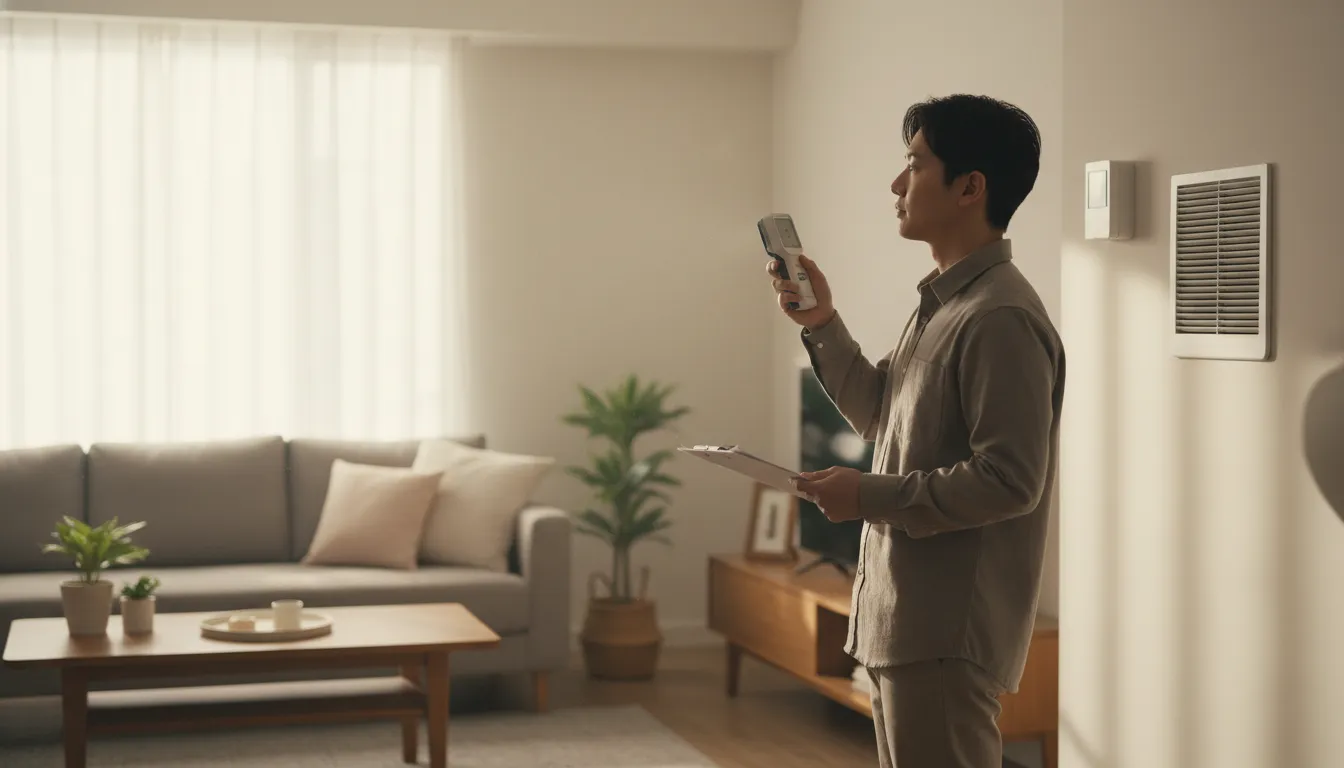
The air you breathe inside your Nevada home or business has a direct impact on your health, comfort, and productivity. Indoor air quality (IAQ) refers to the condition of the air within and around buildings, particularly as it relates to the presence of pollutants and the effectiveness of ventilation. In Nevada's unique desert climate, managing IAQ is crucial due to high levels of dust, pollen, and other region-specific challenges. This guide provides essential information on Nevada's regulations, common pollutants, testing procedures, and improvement strategies to help you find qualified local professionals who can assess and enhance your indoor environment.
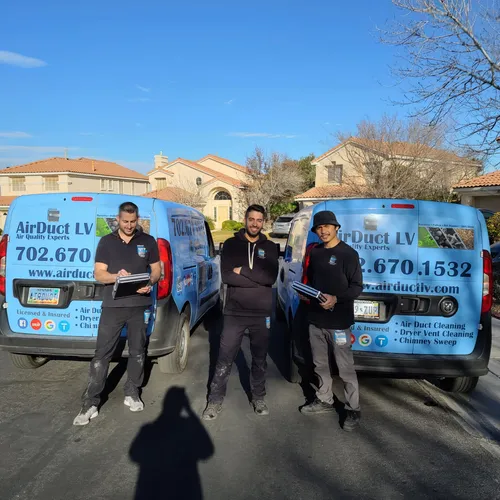
Air Duct LV Heating & Cooling
1728 Double Arch Ct, Las Vegas, NV 89128
Air Duct LV Heating & Cooling is a licensed HVAC and air duct cleaning company serving Las Vegas, NV, and surrounding areas. With over 10 years of experience, they offer residential and commercial services including air duct cleaning, dryer vent cleaning, attic insulation, and air filter replacement. Their team uses industry-standard equipment to improve indoor air quality by removing dust, allergens, and debris from ventilation systems. They also provide 24/7 emergency HVAC and air duct cleaning services to address urgent needs promptly.
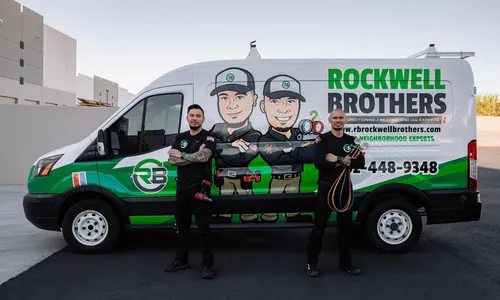
RB Rockwell Brothers Air Conditioning / Heating and IAQ Experts
3325 W Ali Baba Ln #609, Las Vegas, NV 89118
RB Rockwell Brothers Air Conditioning / Heating and IAQ Experts serves homeowners in Las Vegas, NV, with a range of HVAC services. They provide AC repair, installation, furnace repair, and seasonal maintenance. Their services also include duct cleaning, sealing, and filtration upgrades to improve indoor air quality by reducing dust and allergens. The company offers expert advice on HVAC maintenance and indoor air quality to help customers make informed decisions about their home comfort.
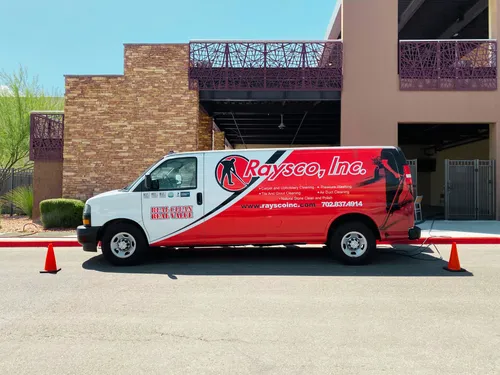
Raysco, Inc
5087 S Arville St Ste H, Las Vegas, NV 89118
Raysco, Inc is a carpet cleaning company based in Las Vegas, NV, serving both residential and commercial clients. They offer a range of services including deep carpet cleaning, stain and odor removal, upholstery cleaning, tile and grout restoration, and pressure washing. With over 25 years of experience, Raysco, Inc uses advanced steam cleaning techniques and environmentally friendly products to improve indoor air quality and maintain healthy environments. Their services extend to ventilation duct cleaning to help reduce allergens in homes and businesses.
The Future Of Heating and Cooling LLC
4834 Eureka Diamond Ct, Las Vegas, NV 89139
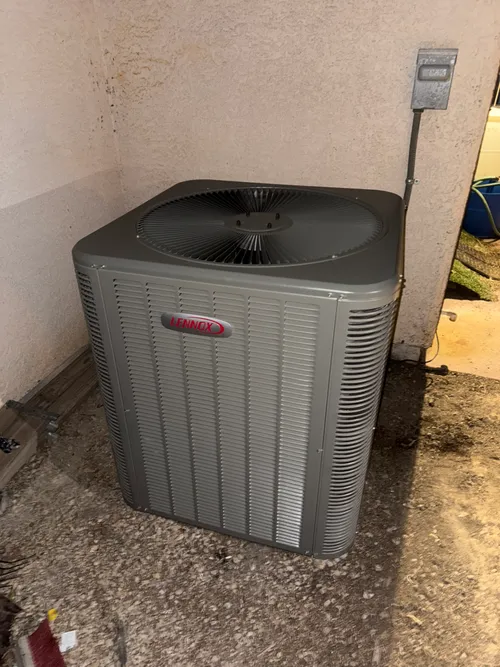
The Future Of Heating and Cooling LLC provides a range of HVAC services in Las Vegas, NV, including air conditioning repair, installation, tune-ups, and indoor air quality solutions. With over five years of experience, the company offers expertise in maintaining and optimizing heating and cooling systems to ensure year-round comfort. Their services include refrigerant level inspections and condenser coil cleaning to improve system efficiency. The company is led by a licensed and bonded professional and focuses on clear communication and tailored HVAC solutions.
Sun City
6394 Montessouri St. b, Las Vegas, NV 89113
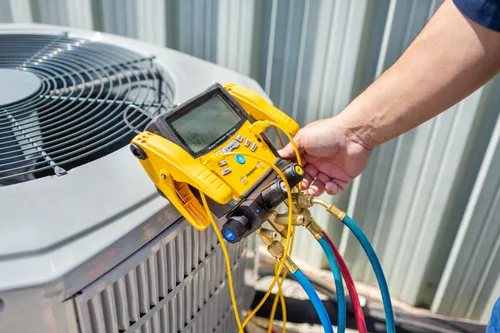
Sun City is a family-owned heating and cooling company serving Las Vegas, NV. They provide repair and maintenance services for all makes and models of air conditioners and furnaces. Their offerings include duct cleaning to improve indoor air quality by removing obstructions and pollutants from ductwork. Established in 1976, Sun City brings decades of experience to HVAC service in the area.
Nevada's Indoor Air Quality Regulations and Standards
Nevada has established specific laws and building codes to protect public health by ensuring acceptable indoor air. Understanding these regulations is the first step for homeowners, builders, and business owners.
The Nevada Clean Indoor Air Act (NCIAA): A cornerstone of public health policy, this act prohibits smoking and the use of electronic smoking devices (vaping) in most indoor public places and workplaces, including restaurants and retail stores 1. Enacted in 2006 and updated in 2020, the law significantly reduces exposure to secondhand smoke, a major indoor air contaminant. Exceptions include certain casino gaming floors, stand-alone bars that prohibit minors, retail tobacco stores, and licensed brothels 2 3.
Building and Mechanical Codes: Nevada has adopted the 2018 International Residential Code (IRC) and International Mechanical Code (IMC), which incorporate key industry standards for ventilation.
- Residential Standards: New home construction generally follows ASHRAE Standard 62.2 (2016 or later), which sets requirements for mechanical and natural ventilation to provide acceptable indoor air quality in low-rise residences 4.
- Commercial Standards: For commercial and institutional buildings, the state references ASHRAE Standard 62.1 (2016 or later) for ventilation system design and rates 5.
School-Specific Requirements: Nevada law (SB 260) mandates that school districts conduct annual indoor air quality inspections, which must include checks for radon and mold 6. Furthermore, HVAC systems in schools must be inspected by a qualified professional at least every five years. If a school utilizes demand-control ventilation (DCV) systems that monitor carbon dioxide (CO2), the CO2 set point must be maintained at 800 parts per million (ppm) or less to ensure adequate fresh air for students and staff.
Common Indoor Air Pollutants in Nevada
The desert environment and modern building materials contribute to a distinct set of IAQ challenges for Nevada residents.
- Particulate Matter (Dust & Pollen): Nevada's dry, windy climate leads to significant infiltration of dust (PM10) and fine particulate matter (PM2.5) into homes and buildings. This is a year-round issue that intensifies during seasonal wind events and nearby wildfires. High pollen levels in spring and fall also contribute to allergen loads indoors.
- Volatile Organic Compounds (VOCs): These gases are emitted from a wide array of products including paints, varnishes, cleaning supplies, new furniture, and building materials like carpets and adhesives 7. In areas with rapid construction and renovation, such as Las Vegas and Pahrump, VOC levels can be a primary concern.
- Biological Contaminants (Mold & Mildew): While Nevada is arid, mold can grow anywhere moisture is present. Common sources include plumbing leaks, roof leaks, poor bathroom ventilation, and improperly maintained HVAC systems where condensation occurs 8 9.
- Radon: This colorless, odorless radioactive gas can seep into buildings from the underlying soil. Certain geological areas in Nevada have a potential for elevated radon levels, making testing an important safety measure 10.
- Carbon Monoxide (CO): A deadly gas produced by the incomplete combustion of fuels. Sources in the home include gas stoves, furnaces, water heaters, and vehicles running in attached garages 11.
Key Ventilation and Filtration Requirements
Proper ventilation and filtration are the engineering controls mandated by code to dilute and remove indoor pollutants.
- Mechanical Ventilation: New homes in Nevada are built to stricter air-sealing standards, which improves energy efficiency but can trap pollutants indoors. To compensate, codes require balanced mechanical ventilation systems, such as Heat Recovery Ventilators (HRVs) or Energy Recovery Ventilators (ERVs), to bring in fresh, filtered outdoor air while exhausting stale air 12 13.
- Local Exhaust: Codes specify minimum exhaust rates for high-moisture and high-pollutant areas. Kitchens require a range hood capable of 100 cubic feet per minute (cfm) on an intermittent setting or 25 cfm continuously. Bathrooms must have an exhaust fan rated for at least 50 cfm intermittent or 20 cfm continuous 14.
- Air Filtration: For new construction, mechanical ventilation systems must be equipped with a filter rated at MERV 13 or higher at the point of outdoor air entry 15. Upgrading to a high-efficiency filter (MERV 13-16) in your existing HVAC system is one of the most effective ways to capture Nevada's pervasive dust and fine particles.
Find the perfect indoor air quality service providers for your needs
Get personalized recommendations and expert advice
Professional IAQ Testing and Inspection
If you suspect an air quality issue or are purchasing a new home, a professional assessment can identify specific problems and guide solutions.
What Testing Involves: A comprehensive IAQ inspection evaluates ventilation effectiveness, measures pollutant levels, and inspects the HVAC system. Professionals use tools like particle counters, VOC meters, hygrometers (for humidity), CO detectors, and radon test kits. For schools and commercial buildings, testing is more complex and often involves verifying that the HVAC system delivers the designed amount of outside air per person 16.
Cost of IAQ Testing: Prices vary based on the size of the property and the scope of testing.
- Residential Testing: A basic whole-home IAQ inspection in Nevada typically ranges from $200 to $1,000, with an average cost between $292 and $585. Targeted tests for specific contaminants cost less: mold or dust tests ($30-$50), VOC tests ($100-$150), professional radon tests ($150-$800), and asbestos tests ($100-$125) 17.
- Commercial Testing: Due to larger size and complexity, IAQ testing for commercial spaces generally starts at $1,000 and can exceed $3,000 18.
Solutions and Remediation Costs
Once pollutants are identified, a professional can recommend and implement corrective actions.
- Air Duct Cleaning: Removing accumulated dust, debris, and mold from ductwork can improve system efficiency and air quality. Costs in Nevada typically range from $300 to over $1,000, depending on the home's size and duct system complexity 19 20.
- Radon Mitigation: If high radon levels are detected, a mitigation system (usually a sub-slab depressurization system) is installed to vent the gas safely outdoors. Installation costs in Nevada average between $800 and $1,300+.
- Mold Remediation: Professional mold removal involves containment, removal of contaminated materials, and cleaning of affected areas. For a significant infestation, homeowners can expect costs between $1,200 and $3,800+ 21.
- HVAC Maintenance and Upgrades: Regular professional HVAC maintenance is critical for IAQ. This includes cleaning coils, checking drain pans, and ensuring proper system operation. Upgrading to a higher-MERV filter or installing a whole-home air purifier or UV light system are effective upgrades, with filter replacements being a recurring but essential cost 22.
Maintaining Healthy Indoor Air
Beyond professional services, homeowners and building managers can take proactive steps:
- Change HVAC Filters Regularly: Replace filters every 1-3 months, especially during dusty seasons. Use the highest MERV rating your system can accommodate (consult a professional if unsure).
- Control Moisture: Use bathroom and kitchen exhaust fans during and after use. Fix leaks promptly. Ensure your HVAC system is properly sized and maintained to control humidity.
- Increase Ventilation: Open windows when outdoor air quality is good (check local air quality indexes). Run your HVAC fan on the "ON" setting to continuously filter air.
- Minimize VOC Sources: Choose low-VOC paints, adhesives, and cleaning products. Allow new furniture and building materials to off-gas in a well-ventilated area before installation.
Frequently asked questions
Sources
Footnotes
-
Nevada Clean Indoor Air Act - https://www.nnph.org/programs-and-services/cchs/chronic-disease-prevention/be-tobacco-free/nevada-clean-indoor-air-act.php ↩
-
Nevada Clean Indoor Air Act - https://www.southernnevadahealthdistrict.org/Health-Topics/nevada-clean-indoor-air-act/ ↩
-
A Guide for the Public - Southern Nevada Health District - https://www.southernnevadahealthdistrict.org/Health-Topics/nevada-clean-indoor-air-act/a-guide-for-the-general-public/ ↩
-
Nevada Residential Ventilation and Acceptable Indoor Air ... - https://up.codes/viewer/nevada/ashrae-62-2-2016 ↩
-
Nevada Ventilation for Acceptable Indoor Air Quality Code 2016 - https://up.codes/viewer/nevada/ashrae-62-1-2016 ↩
-
2022 Nevada Revised Statutes :: Chapter 393 - Justia Law - https://law.justia.com/codes/nevada/2022/chapter-393/statute-393-393/ ↩
-
Indoor Pollutants and Sources | US EPA - https://www.epa.gov/indoor-air-quality-iaq/indoor-pollutants-and-sources ↩
-
Residential Indoor Air Quality in Las Vegas & Pahrump | Gunny's - https://callgunnys.com/air-quality/indoor-air-quality/ ↩
-
Indoor Air Quality | US EPA - https://www.epa.gov/air-quality/indoor-air-quality ↩
-
Indoor Air Quality Testing Guide For Homes in Las Vegas - https://nrs.vegas/blog/your-comfort/indoor-air-quality-testing-guide-for-homes-in ↩
-
Indoor Air Quality in Commercial and Institutional Buildings - https://www.osha.gov/sites/default/files/publications/3430INDOOR-AIR-QUALITY-SM.pdf ↩
-
Recommendation to Adopt 2018 IRC Mechanical Ventilation ... - https://www.energy.nv.gov/siteassets/content/programs/taskforces/2017/Comment_Received_from_Newport_Ventures.pdf ↩
-
4.6 Indoor Air Quality and Mechanical Ventilation - https://energycodeace.com/site/custom/public/reference-ace-2019/Documents/46indoorairqualityandmechanicalventilation.htm ↩
-
E 605.0 Indoor Air Quality for Low-Rise Residential - UpCodes - https://up.codes/s/indoor-air-quality-for-low-rise-residential ↩
-
Database of State Indoor Air Quality Laws - https://www.eli.org/sites/default/files/files-pdf/2024%20Mold%20Excerpt_1.pdf ↩
-
Chapter 12 Interior Environment: Nevada Building Code 2018 - https://up.codes/viewer/nevada/ibc-2018/chapter/12/interior-environment ↩
-
Home Indoor Air Quality Testing in Las Vegas? - https://nrs.vegas/blog/your-comfort/home-indoor-air-quality-testing-in ↩
-
How Much Does an Indoor Air Quality Test Cost? - Ambient Edge - https://www.ambientedge.com/faqs/how-much-does-an-indoor-air-quality-test-cost/ ↩
-
Indoor Air Quality Test Cost | Schedule Your Appointment - https://www.ambientedge.com/faqs/home-indoor-air-quality-test-cost/ ↩
-
Indoor Air Quality Testing Las Vegas, NV | A1 EnviroGreen, LLC - https://airductcleaningnv.com/air-quality-testing-las-vegas-nevada ↩
-
How Much Does Indoor Air Quality Testing Cost? [2025 Data] - https://www.homeadvisor.com/cost/environmental-safety/test-indoor-air-quality/ ↩
-
Nevada Dust Conditions and HVAC Filter Requirements - https://nevadahvacauthority.com/nevada-dust-and-hvac-filter-requirements.html ↩