Find the Best Indoor Air Quality Service Providers for Your Business
No obligation • Fast responses • Nationwide coverage

Why you can trust HVAC Firms
HVAC Firms is a leading United States resource for evaluating HVAC service providers. Our team researches companies, checks credentials, and reviews customer feedback to present clear, unbiased information. Listings and rankings are based on merit, and companies cannot pay to change our editorial content.
Search providers near you
Best Indoor Air Quality Service Providers in Maryland Ranked
The air inside your Maryland home or workplace can significantly impact your health, comfort, and productivity. Indoor air quality (IAQ) refers to the condition of the air within buildings, influenced by pollutants like radon, mold, volatile organic compounds, and combustion byproducts. In Maryland, managing IAQ involves understanding state-specific concerns, following ventilation codes, and taking proactive steps to test and improve your environment. This guide helps you identify common air quality issues, learn about local standards, and connect with qualified professionals who can assess and address your specific needs.
Atlantic Duct Cleaning
9139 Red Branch Rd A, Columbia, MD 21045
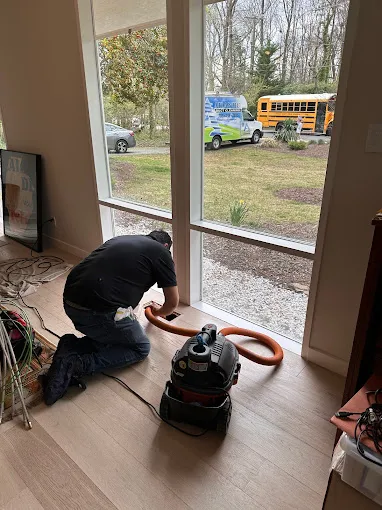
Atlantic Duct Cleaning is a duct cleaning and indoor air quality service provider serving Baltimore, MD, and the surrounding Maryland and Northern Virginia areas. The company offers residential and commercial air duct cleaning, dryer vent cleaning, Aeroseal duct sealing, and commercial kitchen exhaust system cleaning. They use state-of-the-art equipment including HEPA-filtered vacuums and Abatement Technologies® tools to improve air quality and HVAC efficiency. Established in 1995, Atlantic Duct Cleaning is NADCA certified and has over 27 years of experience in the industry, ensuring trained technicians handle each project with high standards.
Fresh Air Ducts
12200 Velvet Hill Dr, Owings Mills, MD 21117
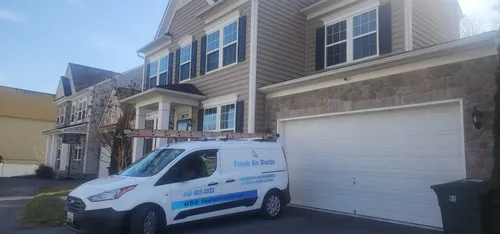
Fresh Air Ducts is a duct cleaning company based in Baltimore, MD, specializing in improving indoor air quality for both homeowners and businesses. They offer a range of services including air duct cleaning, dryer vent cleaning, chimney sweeping, duct mold remediation, and duct disinfectant solutions. Their certified team serves Baltimore and surrounding areas such as Ellicott City and Silver Spring, focusing on thorough cleaning and maintenance to enhance air flow and reduce fire hazards. Fresh Air Ducts uses professional tools and techniques to ensure lasting indoor air quality improvements.
Lowe's Air Duct Cleaning
22 W Pennsylvania Ave Ste 408, Towson, MD 21204
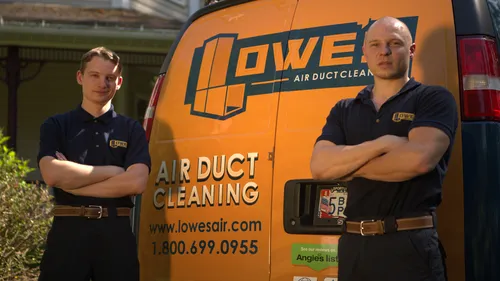
Lowe's Air Duct Cleaning is a duct cleaning company based in Baltimore, MD, offering services to improve indoor air quality and HVAC efficiency. They use a powerful HEPA-filter vacuum to clean ductwork and provide before and after pictures as proof of their work. Their services include air duct cleaning, dryer vent cleaning to reduce fire risks, and duct sealing to fix leaks. Since 2013, Lowe's Air has served multiple Maryland areas including Annapolis, Baltimore, and Towson, following standards set by the National Air Duct Cleaners Association.
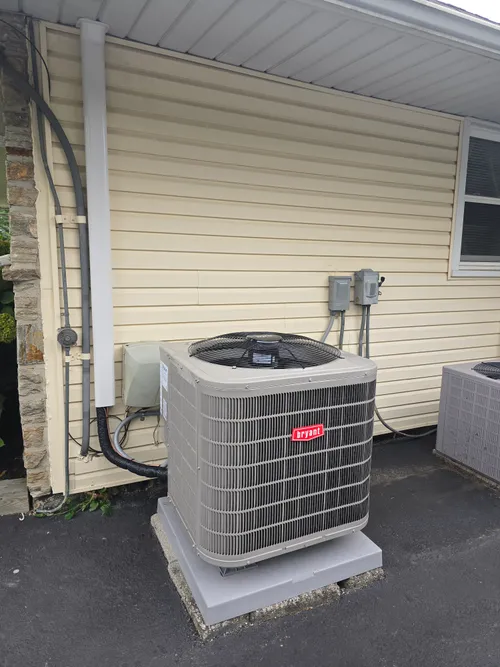
Cozy Heating & Cooling, LLC
4420 Hillside Ave, Baltimore, MD 21229
Cozy Heating & Cooling, LLC is an HVAC company based in Baltimore, MD, specializing in air conditioning, heating, and indoor air quality services. They provide repair, installation, and maintenance for various systems including heat pumps, gas and electric furnaces, and air conditioners. As an authorized Bryant factory dealer, they focus on high-quality, energy-efficient products and offer services such as air cleaners and humidifiers to improve indoor air quality.
Beltway Air Conditioning, Heating & Plumbing
2600 Cabover Dr unit a, Hanover, MD 21076
Beltway Air Conditioning, Heating & Plumbing provides comprehensive HVAC and plumbing services in Baltimore, MD. They offer repair, installation, and maintenance for air conditioners, furnaces, heat pumps, and ductwork, along with indoor air quality solutions such as air purification and duct cleaning. Their plumbing services include kitchen and bathroom plumbing, water heater installation, and 24-hour emergency plumbing support. The company works with well-known HVAC brands and serves both residential and commercial customers. Beltway Air Conditioning, Heating & Plumbing emphasizes thorough workmanship and customer care, backed by several service guarantees.
Understanding Maryland's Indoor Air Landscape
Maryland's approach to indoor air is shaped by a combination of federal guidelines, state codes, and local environmental factors. Unlike some states with stringent universal mandates, Maryland primarily relies on code enforcement for new construction and renovations, while encouraging proactive testing and source control for existing buildings 1 2. This means homeowners and building managers bear significant responsibility for monitoring and maintaining healthy indoor environments.
The state's diverse geography-from the Appalachian Plateau to the Chesapeake Bay-introduces variable risks. For instance, radon levels can differ greatly between counties, and coastal areas may face higher humidity, increasing mold potential. Understanding these regional nuances is the first step in protecting your indoor air.
Key Pollutants of Concern in Maryland
Several specific contaminants are of particular importance for Maryland residents, often mirroring national health advisories but with local emphasis.
Radon Gas
Radon is a colorless, odorless, radioactive gas that naturally seeps from the ground and is the leading cause of lung cancer among non-smokers 3. Testing is strongly recommended for all Maryland homes, as radon levels can be high even in areas not traditionally considered high-risk. The state promotes testing as a critical first step in mitigation.
Mold and Biological Contaminants
Mold growth is a common issue linked to moisture problems from leaks, flooding, or consistently high indoor humidity. The U.S. Environmental Protection Agency (EPA) recommends maintaining indoor relative humidity between 30% and 50% to inhibit mold growth and dust mites 4 5. In damp Maryland climates, proper ventilation and dehumidification are essential defenses.
Volatile Organic Compounds (VOCs)
VOCs are emitted as gases from a wide array of products, including paints, varnishes, cleaning supplies, pesticides, and building materials 6. In Maryland, there is also awareness of VOCs originating from subsurface contamination in former industrial or commercial areas, which can migrate into buildings 7. Source control-using low-VOC products and ensuring proper ventilation during and after their use-is a key management strategy.
Combustion Products
These include carbon monoxide (CO), nitrogen dioxide, and particulate matter from sources like gas stoves, furnaces, fireplaces, and vehicles in attached garages 8. Maryland's Clean Indoor Air Act also prohibits smoking in most indoor workplaces and public places, significantly reducing exposure to secondhand smoke 9. Ensuring combustion appliances are properly vented and annually serviced is vital for safety.
Maryland's Ventilation Standards and Codes
Proper ventilation is the cornerstone of good indoor air quality, diluting and removing indoor pollutants. Maryland adopts the Maryland Mechanical Code, which incorporates standards from organizations like the American Society of Heating, Refrigerating and Air-Conditioning Engineers (ASHRAE).
For Residential Buildings
The code and EPA guidelines provide clear targets. For general dilution of pollutants, a continuous ventilation rate of at least 15 cubic feet per minute (cfm) of outdoor air per person is recommended 10. The code specifically requires mechanical ventilation systems in new homes that are built "tight" (with less than 5 air changes per hour under a blower door test). It also mandates local exhaust fans in kitchens and bathrooms to remove moisture and contaminants at their source.
For Commercial and Public Buildings
These facilities must have ventilation systems that operate during occupancy to provide adequate outdoor air supply 11. The design must control contaminant sources, which often involves using local exhaust hoods for activities like cooking, printing, or laboratory work 12. Schools, offices, and other public buildings in Maryland are subject to these requirements to protect occupant health.
Find the perfect indoor air quality service providers for your needs
Get personalized recommendations and expert advice
Testing and Assessing Your Indoor Air
Knowing what's in your air is the first step toward improvement. The scope and cost of testing depend on your concerns.
Radon Testing: This is straightforward and inexpensive. Do-it-yourself test kits are often available for under $50, and they are the standard first step 13. If elevated levels are found, a follow-up test or professional assessment is recommended.
Comprehensive IAQ Inspections: For broader concerns about mold, VOCs, allergens, or unexplained health symptoms, a professional assessment is advisable. An initial inspection typically ranges from $200 to $600, but can rise to several thousand dollars if extensive sampling and laboratory analysis are required 14 15. A professional will use tools like moisture meters, particle counters, and air sampling pumps to diagnose problems.
Common Solutions and Improvement Strategies
Once issues are identified, a range of solutions can be implemented. Costs vary widely based on your home's size, system type, and the severity of the problem 16.
Source Control: The most effective strategy is to remove or reduce the source of pollution. This can include fixing water leaks, storing chemicals properly, using exhaust fans, and choosing low-emission materials during renovations.
Ventilation Improvements: Enhancing your home's ability to bring in fresh air is crucial. Solutions range from installing simple bathroom exhaust fans (a few hundred dollars) to adding a whole-house Heat Recovery Ventilator (HRV) or Energy Recovery Ventilator (ERV), which can cost several thousand dollars but efficiently exchange stale indoor air for fresh outdoor air while conserving energy 17.
Air Cleaning: Portable air purifiers with HEPA filters can effectively remove particles like dust, pollen, and mold spores. Prices range from $100 to $800+ per unit, depending on the area they are designed to cover 18. It's important to select a purifier sized for the room and to understand that most standard purifiers do not remove gaseous pollutants like VOCs or radon.
Duct Cleaning and Sealing: Having your HVAC ductwork cleaned can remove accumulated dust and debris, typically costing between $300 and $1,000 19. Air sealing your home's envelope (attic, walls, windows) can prevent pollutant entry and improve HVAC efficiency, but costs are highly variable based on the home's size and condition 20.
Specialized Remediation: For confirmed hazards like mold or radon, specialized professional remediation is necessary.
- Mold Remediation: Involves containing the area, removing contaminated materials, and correcting the moisture source. Costs depend on the extent of the problem but often start around $500 and can reach thousands for large infestations.
- Radon Mitigation: Usually involves installing a vent pipe and fan system to draw radon from beneath the house and vent it outside. These systems are highly effective and professional installation is essential.
Maintaining Healthy Air Long-Term
Good indoor air quality is an ongoing process. Regular maintenance of your HVAC system, including changing filters every 1-3 months, is fundamental. Monitor indoor humidity with a hygrometer, especially in summer, and use dehumidifiers if needed. Be mindful of activities that generate pollutants (painting, sanding, cleaning) and ensure extra ventilation during those times. Finally, consider periodic IAQ check-ups, just as you would service your furnace, to ensure your environment remains healthy.
Frequently asked questions
Sources
Footnotes
-
Occupational Safety and Health - Public buildings - Indoor Air Quality - https://mgaleg.maryland.gov/cmte_testimony/2023/ent/14765_04052023_131347-795.pdf ↩
-
Pages - Healthy Homes - https://health.maryland.gov/phpa/OEHFP/EH/pages/healthy-homes.aspx ↩
-
Maryland's Indoor Air Initiative - Facts About... - https://mde.maryland.gov/programs/land/MarylandBrownfieldVCP/Documents/Maryland%20Indoor%20Air%20Initiative.pdf ↩
-
Indoor Air Quality, Montgomery County, MD Government - https://www.montgomerycountymd.gov/DEP/property-care/air/indoor-air/index.html ↩
-
1.2 Indoor Pollutants - Maryland Department of Health - https://health.maryland.gov/phpa/OEHFP/EH/Shared%20Documents/MD_Child_Env_Indoor_Air.pdf ↩
-
Indoor Air Pollution: An Introduction for Health Professionals | US EPA - https://www.epa.gov/indoor-air-quality-iaq/indoor-air-pollution-introduction-health-professionals ↩
-
Final Report July 1, 2002 - Maryland State Archives - https://msa.maryland.gov/megafile/msa/speccol/sc5300/sc5339/000113/004000/004171/unrestricted/20071008e.pdf ↩
-
Indoor Air Quality, Montgomery County, MD Government - https://www.montgomerycountymd.gov/DEP/property-care/air/indoor-air/index.html ↩
-
Clean Indoor Air Act | Frederick County Health Department, MD - https://health.frederickcountymd.gov/134/Clean-Indoor-Air-Act ↩
-
How much ventilation do I need in my home to improve indoor air ... - https://www.epa.gov/indoor-air-quality-iaq/how-much-ventilation-do-i-need-my-home-improve-indoor-air-quality ↩
-
Indoor Air Quality | Montgomery College, Maryland - https://www.montgomerycollege.edu/offices/public-safety-health-emergency-management/public-health-and-environmental-safety/indoor-air-quality.html ↩
-
Chapter 4 Ventilation: Maryland Mechanical Code 2018 - https://up.codes/viewer/maryland/imc-2018/chapter/4/ventilation ↩
-
Indoor Air Quality - Maryland Department of the Environment - https://mde.maryland.gov/publichealth/pages/indoorairquality.aspx ↩
-
How Much Does a Home Indoor Air Quality Testing Cost? - https://www.airpf.com/how-much-does-a-home-indoor-air-quality-testing-cost/ ↩
-
How Much Does Indoor Air Quality Testing Cost? [2025 Data] | Angi - https://www.angi.com/articles/how-much-does-indoor-air-quality-testing-cost.htm ↩
-
Main stages of indoor air quality services testing, remediation & maintenance? - Thermacon Service Company, Inc. - https://thermaconservice.com/indoor-air-quality-testing-remediation-maintenance/ ↩
-
Philadelphia Office Air Quality Testing: Essential Compliance Guide - myshyft.com - https://www.myshyft.com/blog/indoor-air-quality-testing-for-offices-philadelphia-pennsylvania/ ↩
-
The Air We Breathe - How to Measure and Manage Indoor Air Quality in Rentals - https://masslandlords.net/how-to-measure-and-manage-indoor-air-quality-in-rentals/ ↩
-
Draft guidance on improving indoor air quality in office buildings: For professionals - https://www.canada.ca/en/health-canada/programs/consultation-draft-guidance-improving-indoor-air-quality-office-buildings/for-professionals.html ↩
-
Air Sealing in Doylestown, PA | CDO Heating & Air - https://cdohvac.com/air-sealing/ ↩