Find the Best Indoor Air Quality Service Providers for Your Business
No obligation • Fast responses • Nationwide coverage

Why you can trust HVAC Firms
HVAC Firms is a leading United States resource for evaluating HVAC service providers. Our team researches companies, checks credentials, and reviews customer feedback to present clear, unbiased information. Listings and rankings are based on merit, and companies cannot pay to change our editorial content.
Search providers near you
Best Indoor Air Quality Service Providers in Louisiana Ranked
The air you breathe inside your home or workplace has a direct impact on your health, comfort, and productivity. In Louisiana, managing indoor air quality (IAQ) involves addressing unique challenges posed by the state's humid climate and industrial landscape through a combination of state health guidelines, environmental regulations, and building codes. This resource provides clear, practical information on common indoor pollutants, state-specific standards, testing options, and improvement strategies. You can use this guide to understand your IAQ needs and connect with qualified local professionals who offer assessment, testing, and remediation services.
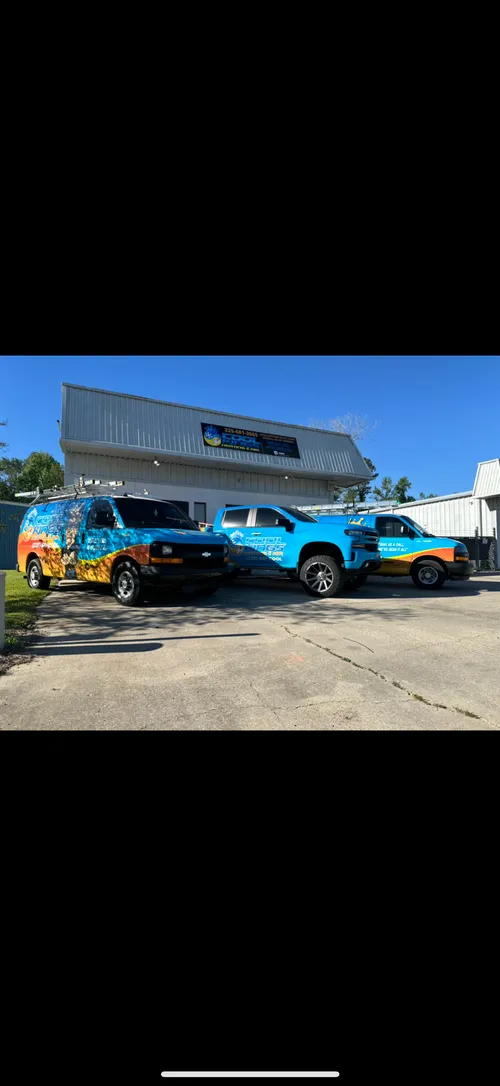
Cool Kings Heating and Air
13418 S Choctaw Dr, Baton Rouge, LA 70815
Cool Kings Heating and Air is an HVAC service provider located in Baton Rouge, LA. They offer a wide range of heating and cooling services including installation, repair, and maintenance for air conditioners, furnaces, boilers, heat pumps, ductless mini splits, and PTAC systems. The company also provides indoor air quality solutions such as air purifiers, humidifiers, and dehumidifiers, along with duct cleaning, thermostat installation, and HVAC duct services. Their expertise includes comprehensive maintenance plans and vent duct cleaning to ensure efficient system performance. Cool Kings Heating and Air serves residential and commercial customers in the Baton Rouge area.
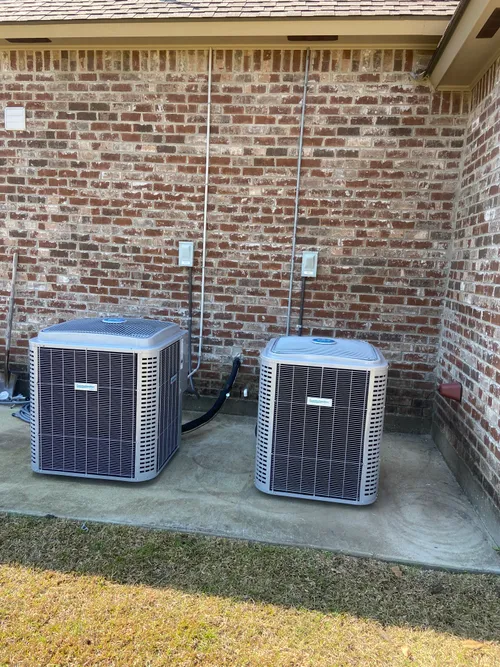
Cajun Coolers, LLC
18041 Old Jefferson Hwy, Prairieville, LA 70769
Cajun Coolers, LLC is an HVAC company based in Baton Rouge, LA, offering installation, maintenance, and repair services for air conditioning, furnaces, heat pumps, and indoor air quality systems. They provide routine HVAC maintenance to extend equipment lifespan and improve air quality, as well as new system installations tailored to customer needs. Cajun Coolers also offers 24/7 emergency HVAC repair services to address urgent issues promptly. With nearly 15 years of experience, they serve the Baton Rouge area with a focus on reliable and efficient heating and cooling solutions.
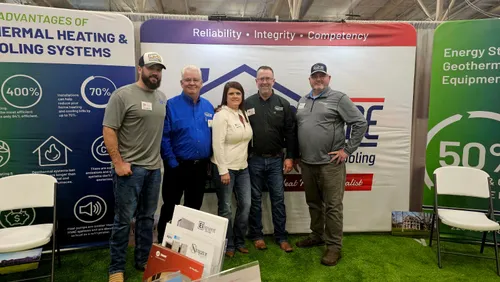
WinterSaire Heating & Cooling
Baton Rouge, LA
WinterSaire Heating & Cooling is a family-owned HVAC company based in Baton Rouge, LA, serving all areas of South Louisiana. They provide a wide range of heating, cooling, and refrigeration services for residential and commercial clients, including air conditioning and furnace installation, geothermal heat pump systems, HVAC maintenance, and indoor air quality solutions. Their expertise includes geothermal heat pump installation, which uses the earth's natural energy for efficient heating and cooling. With over ten years of experience, WinterSaire Heating & Cooling is locally owned and operated from Denham Springs, Louisiana.
Natal's Air Conditioning, Plumbing & Electrical
2630 Banks St, New Orleans, LA 70119
Natal's Air Conditioning, Plumbing & Electrical is a family-owned company serving New Orleans, LA, since 1974. They provide a wide range of home services including HVAC repair, installation, and maintenance, as well as plumbing and electrical work. Their HVAC expertise includes ductless systems and indoor air quality services, supported by partnerships with leading brands like Daikin and Lennox. The company emphasizes community values and offers 24/7 phone support for customer inquiries and emergencies.
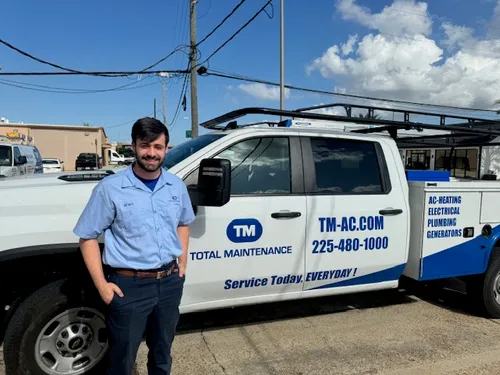
Total Maintenance of Southern Louisiana
5801 Plauche St, Harahan, LA 70123
Total Maintenance of Southern Louisiana is an HVAC, plumbing, and electrical service provider based in New Orleans, LA. Serving Southern Louisiana since 1980, they offer installation, repair, and maintenance for air conditioners, furnaces, heat pumps, ductless systems, and indoor air quality products. As a Carrier Factory Authorized Dealer with NATE-certified technicians, they handle all makes and models and specialize in solutions for older homes and renovations. Their capabilities include duct cleaning and sealing, and they provide same-day emergency service throughout the greater New Orleans area, including Kenner, Metairie, and Baton Rouge.
Why Indoor Air Quality Matters in Louisiana
Louisiana's environment presents specific challenges for maintaining clean indoor air. The state's signature high humidity creates a persistent breeding ground for biological contaminants like mold and mildew. Simultaneously, industrial activity in certain regions can lead to outdoor air pollutants that readily infiltrate buildings. Combined with everyday sources like household cleaners, building materials, and combustion appliances, these factors make proactive IAQ management essential for residents and business owners across the state.
Poor indoor air can lead to a range of short- and long-term health effects, from immediate irritation of the eyes, nose, and throat to exacerbated allergies and asthma. Over time, exposure to certain pollutants has been linked to more serious respiratory diseases, heart conditions, and even cancer. Ensuring good air quality is a critical component of creating a safe and healthy living or working environment.
Common Indoor Air Pollutants in Louisiana Homes and Businesses
Understanding the specific contaminants prevalent in the region is the first step toward improving your indoor environment. Key pollutants of concern include:
- Biological Contaminants: Mold and mildew are highly prevalent due to Louisiana's consistently high humidity levels, especially in poorly ventilated areas like bathrooms, basements, and attics 1.
- Combustion Byproducts: Carbon monoxide (CO) and nitrogen dioxide (NO₂) can be emitted from gas stoves, unvented space heaters, fireplaces, and backup generators-appliances commonly used throughout the state.
- Volatile Organic Compounds (VOCs): These are emitted as gases from a wide array of products, including paints, varnishes, adhesives, air fresheners, and dry-cleaned clothing 2.
- Formaldehyde: Often found in pressed wood products (like particleboard and certain cabinetry), insulation, and some fabrics, this chemical can off-gas into indoor air.
- Outdoor Infiltration: In some industrial areas, airborne chemicals from manufacturing facilities, such as ethylene oxide or chloroprene, can enter indoor spaces 3. Additionally, smoke from regional wildfires can significantly degrade indoor air.
Louisiana's Indoor Air Quality Standards and Guidelines
While Louisiana does not have a single, comprehensive IAQ law for all buildings, air quality is managed through a framework of health, environmental, and building regulations.
- State Health Guidance: The Louisiana Department of Health (LDH) Indoor Environmental Quality Service provides education and resources on managing contaminants like mold, asbestos, and lead 4 5.
- Environmental Regulations: The Louisiana Department of Environmental Quality (LDEQ) regulates outdoor air emissions from industrial sources to limit community exposure, which indirectly protects indoor air 6 7.
- Building and Ventilation Codes: Guidelines for residential and commercial buildings generally follow nationally recognized ASHRAE (American Society of Heating, Refrigerating and Air-Conditioning Engineers) standards to ensure adequate fresh air exchange 8.
- Residential: Recommendations include a minimum ventilation rate of 0.35 air changes per hour, but not less than 15 cubic feet per minute (cfm) per person.
- Commercial/Offices: Workplaces must meet ASHRAE Standard 62.1 for minimum ventilation rates and must be "free from recognized hazards" under OSHA's General Duty Clause 9. Local building codes, such as those in New Orleans, often mandate dedicated exhaust systems for kitchens and bathrooms to remove moisture and odors at the source 9.
Professional Indoor Air Quality Testing
When persistent odors, visible mold, health symptoms among occupants, or concerns about specific pollutants arise, professional testing is a prudent step. A certified IAQ professional can conduct a comprehensive assessment to identify pollutant types and concentrations.
What Testing Involves: A professional evaluation typically includes a visual inspection of the property, assessment of the HVAC system and ventilation, and sampling of the air or surfaces. Tests can be general or target specific concerns like mold spores, radon gas, formaldehyde, or a broad range of VOCs.
Cost of Professional IAQ Testing: Prices in Louisiana vary based on property size, the number of contaminants tested, and the complexity of the assessment.
| Service Category | Typical Price Range (Professional) |
|---|---|
| Basic Home IAQ Testing | $300 - $600 (averages ~$437) |
| Commercial Inspection | $1,000 - $3,000+ |
| Specific Pollutant Tests | Mold: $300-$1,000; Radon: $150-$800; VOCs: $200-$400 10 |
| DIY Test Kits | $15 - $300 (varies by kit and lab fees) |
| Professional Labor | $75 - $150 per hour 11 |
Find the perfect indoor air quality service providers for your needs
Get personalized recommendations and expert advice
Remediation and Air Quality Improvement Solutions
Once pollutants are identified, a range of solutions can be implemented to clean the air and prevent future issues.
Source Control: The most effective strategy is to eliminate or reduce the source of pollution. This can include fixing water leaks to stop mold growth, switching to low-VOC paints and cleaning products, ensuring proper venting of combustion appliances, and using exhaust fans in kitchens and bathrooms.
Ventilation Improvement: Increasing the amount of outdoor air coming indoors dilutes pollutant concentrations. This can be as simple as opening windows when weather permits, using window or attic fans, or installing a more advanced solution like an Energy Recovery Ventilator (ERV) or Heat Recovery Ventilator (HRV), which brings in fresh air while minimizing energy loss 12 13.
Air Cleaning: Air purifiers with HEPA filters are highly effective at removing particulate matter like dust, pollen, and mold spores from the air. The cost for a quality HEPA air purifier typically ranges from $150 to $800, depending on the room size and features 14. For whole-home purification, UV-C lights or specialized media filters can be installed within the HVAC system 15.
Common Remediation Costs: Addressing specific pollutants after they are identified involves specialized services.
- Mold Remediation: $1,200 - $3,800
- Asbestos Removal: $1,190 - $3,260
- Radon Mitigation: $800 - $1,300 16
- Duct Cleaning/Sealing: Costs vary widely based on home size and system complexity 17.
Maintaining Healthy Indoor Air
Good IAQ is an ongoing process. Key maintenance habits include:
- Changing your HVAC system air filters regularly (every 1-3 months).
- Keeping humidity levels between 30-50% using dehumidifiers or properly sized air conditioners.
- Immediately cleaning and drying any water spills or leaks.
- Having your HVAC system inspected and serviced annually.
- Using doormats and removing shoes to reduce tracked-in contaminants.
Frequently asked questions
Sources
Footnotes
-
Guide to Indoor Air Quality (IAQ) standards in the UK - https://www.airflow.com/about-us/blog/article?article_id=61&article_desc=Guide-to-Indoor-Air-Quality-IAQ-standards-in-the-UK ↩
-
Live healthier in 2026 by breathing cleaner air at home - https://www.livingstonparishnews.com/premium/theconversation/stories/live-healthier-in-2026-by-breathing-cleaner-air-at-home,200992 ↩
-
The Shocking Hazards of Louisiana's Cancer Alley - https://publichealth.jhu.edu/2025/the-shocking-hazards-of-louisianas-cancer-alley ↩
-
Indoor Environmental Quality Education Service (IEQES) - https://ldh.la.gov/page/829 ↩
-
Indoor Environmental Quality Education Service (IEQES) - https://ldh.la.gov/page/829 ↩
-
General Environmental Air Regulations - https://deq.louisiana.gov/page/general-environmental-air-regulations ↩
-
Air Toxics Monitoring - Louisiana Department of Environmental Quality - https://deq.louisiana.gov/page/air-toxics-monitoring ↩
-
JETIR Research Journal - https://www.jetir.org/papers/JETIR2402218.pdf ↩
-
Essential Indoor Air Quality Testing For New Orleans Offices - https://www.myshyft.com/blog/indoor-air-quality-testing-for-offices-new-orleans-louisiana/ ↩ ↩2
-
How Much Does An Indoor Air Quality Test Cost? - https://www.cleanairsciences.com/indoor-air-quality-cost/ ↩
-
How Much Does Indoor Air Quality Testing Cost? [2026 Data] - https://www.angi.com/articles/how-much-does-indoor-air-quality-testing-cost.htm ↩
-
How much ventilation do I need in my home to improve indoor air ... - https://www.epa.gov/indoor-air-quality-iaq/how-much-ventilation-do-i-need-my-home-improve-indoor-air-quality ↩
-
Improving Indoor Air Quality | US EPA - https://www.epa.gov/indoor-air-quality-iaq/improving-indoor-air-quality ↩
-
HEPA Air Filtration - CLIMATE SMART MISSOULA - https://www.missoulaclimate.org/clean-air-for-schools--daycares.html ↩
-
How Do HVAC Add-Ons Impact Pricing? - https://www.hvac.com/expert-advice/how-do-hvac-add-ons-impact-pricing/ ↩
-
How Much Does Indoor Air Quality Testing Cost? [2025 Data] - https://www.homeadvisor.com/cost/environmental-safety/test-indoor-air-quality/ ↩
-
How Often Should You Clean Your Air Ducts? Here's What Experts ... - https://www.southernliving.com/how-often-clean-air-ducts-11881657 ↩