Find the Best Indoor Air Quality Service Providers for Your Business
No obligation • Fast responses • Nationwide coverage

Why you can trust HVAC Firms
HVAC Firms is a leading United States resource for evaluating HVAC service providers. Our team researches companies, checks credentials, and reviews customer feedback to present clear, unbiased information. Listings and rankings are based on merit, and companies cannot pay to change our editorial content.
Search providers near you
Best Indoor Air Quality Service Providers in Kentucky Ranked
The air inside your Kentucky home can be more polluted than the air outside, impacting your comfort, health, and even your home's structure. Indoor Air Quality (IAQ) refers to the condition of the air within and around buildings, especially as it relates to the health and well-being of occupants. In Kentucky, managing IAQ involves understanding local pollutant sources-from seasonal humidity and radon risks to combustion byproducts-and implementing practical solutions like proper ventilation, humidity control, and pollutant source management. This guide provides clear, actionable information to help you identify common air quality issues, understand your options for testing and improvement, and connect with qualified local professionals who can assess your specific situation and recommend effective solutions.

Feistritzer Heating & Air Conditioning
105 Man O War Dr, Danville, KY 40422
Feistritzer Heating & Air Conditioning serves Lexington, KY, and surrounding areas including Danville, Harrodsburg, and Stanford. They provide a range of HVAC services such as air conditioning and furnace repair, heat pump and geothermal system installation, indoor air quality solutions, and thermostat and gas line installation. The company is staffed by NATE-certified technicians who handle residential and light commercial projects. They emphasize thorough assessments and offer financing options. Their capabilities include geothermal heating and cooling systems, which use underground temperatures for efficient climate control.
GraceLand Air
314 Stanford St, Lancaster, KY 40444
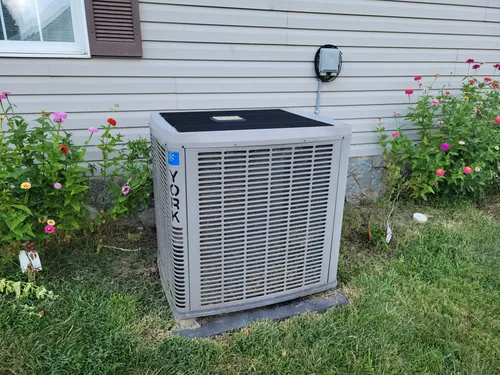
GraceLand Air is a local HVAC company serving Lexington, KY, and nearby areas including Lancaster. They provide a full range of heating and cooling services such as air conditioning and furnace repair, heat pump and boiler installation, ductless mini-split systems, and indoor air quality solutions. With over ten years of experience, GraceLand Air offers tailored solutions based on thorough diagnostics to ensure effective and long-term results. The company is a YORK® Certified Comfort Expert™ and serves all brands.
J Elliott Heating and Air
1101 N College St, Harrodsburg, KY 40330
J Elliott Heating and Air is an HVAC company serving Lexington, KY, and the surrounding Mercer County area. Founded in late 2015 by Jonathan Elliott, the company offers a range of heating and cooling services including installation, repair, and maintenance of air conditioners, furnaces, heat pumps, and thermostats. They focus on providing quality products and staying current with industry standards to ensure safety and efficiency. Jonathan Elliott brings nearly 10 years of experience in the heating and air trade, complemented by skills gained as a general contractor. The company is licensed through the Kentucky Public Protection Cabinet and fully insured.
Mitch Craig Heating and Cooling
7200 Appleleaf Ln, Sellersburg, IN 47172
Mitch Craig Heating and Cooling is a family-owned HVAC company based in Sellersburg, IN, serving Louisville, KY, and the surrounding Kentuckiana area. They provide residential and commercial services including air conditioning and furnace repair, installation, and indoor air quality solutions. The company offers reliable advice on system maintenance and replacement options when needed. Mitch Craig Heating and Cooling handles projects of all sizes, from emergency repairs to new installations.
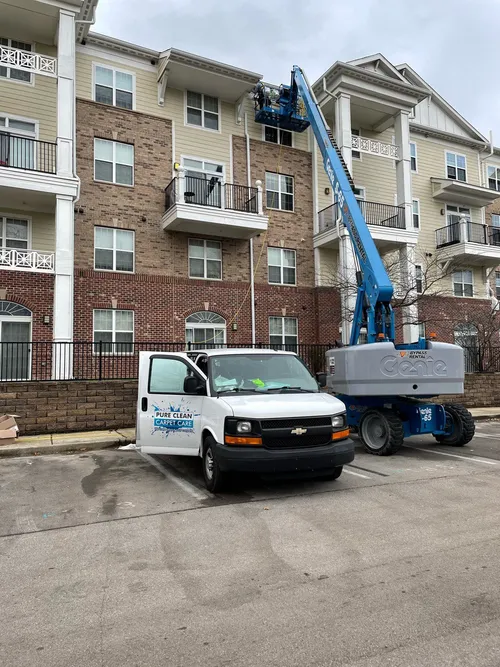
PureClean Carpet & Air Duct Cleaning
1125 Commercial Dr, Lexington, KY 40505
PureClean Carpet & Air Duct Cleaning is a family-owned business serving Lexington, KY, specializing in air duct, carpet, tile, and upholstery cleaning for both residential and commercial clients. They use professional equipment to improve indoor air quality and maintain clean environments. The company is locally operated and trusted by over 2,000 homeowners in the area.
Understanding Kentucky's Indoor Air Landscape
Kentucky's climate and housing stock create a unique set of challenges for maintaining healthy indoor air. The state experiences high humidity in the summer, which can promote mold growth, and cold winters that lead to tightly sealed homes, potentially trapping pollutants inside. Furthermore, certain geological regions in Kentucky have a higher potential for radon gas infiltration. It's important to know that Kentucky does not have specific state-level regulations for IAQ in private residences. Instead, state agencies like the Kentucky Energy and Environment Cabinet provide guidelines and recommend following federal best practices from organizations like the EPA, CDC, and OSHA. This means homeowners are primarily responsible for proactively managing their home's air quality through awareness and action.
Common Indoor Air Pollutants in Kentucky Homes
A wide range of contaminants can affect your home's air. Identifying potential sources is the first step toward improvement.
- Combustion Byproducts: These are gases and particles produced by burning materials. Common sources in Kentucky homes include tobacco smoke, wood-burning fireplaces and stoves, gas stoves, furnaces, and unvented space heaters. They can release carbon monoxide (CO), nitrogen dioxide, and fine particulate matter, which are harmful to respiratory and cardiovascular health 1.
- Radon: This colorless, odorless radioactive gas naturally emanates from the soil and rock beneath homes. Kentucky is considered a radon-prone state, and the gas can seep into homes through cracks in foundations, gaps around pipes, and sump pits. Radon is the second leading cause of lung cancer in the United States 2.
- Biological Contaminants: These include mold, mildew, dust mites, pet dander, pollen, and bacteria. They thrive in damp conditions. Kentucky's humidity makes homes susceptible to mold growth in basements, bathrooms, and around leaky windows. These allergens can trigger asthma, allergies, and other respiratory issues 3.
- Volatile Organic Compounds (VOCs): These are gases emitted from a vast array of household products. Sources include paints, varnishes, cleaning supplies, disinfectants, air fresheners, pesticides, building materials (like plywood and adhesives), and new furniture or carpets. Exposure can cause headaches, eye and throat irritation, and long-term health effects 4 5.
- Legacy Pollutants: In older Kentucky homes, building materials may contain asbestos (in insulation, floor tiles, or popcorn ceilings) or lead-based paint. These materials are generally not a risk unless they are disturbed during renovation, remodeling, or demolition, releasing harmful fibers or dust into the air 6 7.
The Pillars of Good Indoor Air Quality: Control and Ventilation
Effective IAQ management rests on two main principles: controlling pollutant sources and ensuring adequate ventilation to dilute and remove contaminants.
1. Controlling Pollution at the Source
The most effective way to improve air quality is to remove or reduce the source of pollution.
- Address Moisture Immediately: Fix leaks in roofs, walls, and plumbing promptly. Use dehumidifiers in basements and crawl spaces to keep humidity levels between 30% and 60%, which inhibits mold and dust mite growth 8 9.
- Maintain Combustion Appliances: Have gas furnaces, water heaters, stoves, and fireplaces inspected annually by a qualified technician to ensure they are venting properly and not leaking combustion gases like carbon monoxide. Install and maintain CO detectors on every floor.
- Choose Low-Emission Products: Opt for paints, cleaners, and building materials labeled "low-VOC" or "zero-VOC." Store chemicals, paints, and fuels in well-ventilated sheds or garages, not living spaces.
- Test for Radon: The EPA and the state of Kentucky recommend testing all homes for radon. Affordable DIY test kits are available, or you can hire a certified professional.
2. Ensuring Proper Ventilation
Ventilation replaces stale, polluted indoor air with fresh outdoor air. Kentucky's building codes incorporate model standards that set expectations for ventilation 10.
- Natural Ventilation: Opening windows and doors when weather permits is a simple way to dilute indoor pollutants. However, it's not always practical due to Kentucky's temperature extremes, humidity, or high pollen counts.
- Local Exhaust Ventilation: These systems remove pollutants at the point of generation. Kitchen exhaust fans vented to the outside are essential for removing moisture, grease, and combustion byproducts from cooking. Bathroom exhaust fans are critical for removing moisture from showers and baths to prevent mold. Both should be used during and for 20-30 minutes after the activity.
- Whole-House Mechanical Ventilation: For modern, energy-efficient, tightly sealed homes, dedicated mechanical systems are often necessary to meet the minimum ventilation rates recommended by standards like ASHRAE 62.2 11. These can include:
- Exhaust Ventilation Systems: Simple fans that depressurize a home, pulling stale air out. Fresh air enters through passive vents.
- Supply Ventilation Systems: Fans that pressurize a home, bringing fresh air in. Stale air escapes through leaks and exhaust fans.
- Balanced Ventilation Systems: Such as Heat Recovery Ventilators (HRVs) and Energy Recovery Ventilators (ERVs). These systems simultaneously exhaust stale air and bring in fresh outdoor air, while transferring heat (and in the case of ERVs, moisture) between the two streams. This improves IAQ with minimal impact on heating and cooling costs, making them an excellent option for Kentucky's climate 12.
Find the perfect indoor air quality service providers for your needs
Get personalized recommendations and expert advice
Professional IAQ Assessment and Improvement
If you experience persistent odors, humidity problems, health symptoms that improve when you leave home, or if you are simply unsure of your air quality, a professional assessment can provide clarity.
What to Expect from Professional Testing
A qualified IAQ professional will typically conduct a visual inspection of your home, discuss occupant concerns and symptoms, and may use specialized equipment to test for specific pollutants like mold spores, radon, VOCs, carbon monoxide, or formaldehyde. It's common for inspectors to focus on testing and assessment only, leaving remediation to other specialists to avoid conflicts of interest 13. This ensures their diagnosis is unbiased.
Understanding the Costs
Costs for IAQ services in Kentucky vary based on the size of your home, the number of pollutants tested, and the complexity of any required remediation.
| Service/Pollutant Focus | Average Professional Inspection/Test Cost | Average Improvement/Remediation Cost |
|---|---|---|
| Basic IAQ Assessment | $292 - $584 | Varies widely based on findings |
| Mold Inspection & Testing | $300 - $1,000 | $1,200 - $3,800 |
| Radon Testing | $150 - $800 | $800 - $1,300 (for mitigation system installation) |
| VOC/Formaldehyde Testing | $200 - $400 | Varies (source removal, increased ventilation) |
| Asbestos Inspection | $250 - $800 | $1,190 - $3,260 (for professional abatement) |
Note: Duct cleaning is sometimes part of an HVAC or IAQ evaluation, but its cost varies greatly by system size and complexity. It is not always necessary unless there is substantial visible mold growth, vermin infestation, or excessive dust/debris clogging the vents 14 15.
Selecting the Right Professional
Look for certified and licensed professionals such as:
- Certified Industrial Hygienists (CIHs) or Indoor Environmental Consultants for comprehensive testing.
- Radon Mitigation Specialists (certified by the National Radon Proficiency Program or the National Radon Safety Board).
- HVAC Contractors with expertise in ventilation system design, humidity control, and installing solutions like ERVs/HRVs.
- Licensed Mold Assessors and Remediators.
- Licensed Asbestos Abatement Contractors.
Always ask for references, proof of insurance, and detailed quotes before work begins.
Maintaining Healthy Air Long-Term
Good IAQ is an ongoing process. Incorporate these habits into your home maintenance routine:
- Change HVAC Filters Regularly: Use high-quality pleated filters (MERV 8-13) and change them every 1-3 months, or as recommended by your system manufacturer.
- Clean and Vacuum: Use a vacuum with a HEPA filter to capture dust and allergens. Damp-dust surfaces regularly.
- Manage Humidity: Monitor levels with a hygrometer. Run bathroom/kitchen fans, use dehumidifiers, and ensure your air conditioner is properly sized and maintained to remove moisture effectively.
- Inspect and Maintain: Annually check your home's exterior drainage, roof, and caulking to prevent water intrusion. Schedule annual HVAC maintenance.
Frequently asked questions
Sources
Footnotes
-
Background Document, AP-42, Section 1.9 Residential ... - EPA - https://www.epa.gov/sites/default/files/2020-09/documents/background_document_ap-42_section_1.9_residential_fireplaces.pdf ↩
-
Indoor Air Quality: A Review of Cleaning Technologies - https://www.mdpi.com/2076-3298/9/9/118 ↩
-
The Inside Story: A Guide to Indoor Air Quality | US EPA - https://www.epa.gov/indoor-air-quality-iaq/inside-story-guide-indoor-air-quality ↩
-
Indoor Air Quality | US EPA - https://www.epa.gov/report-environment/indoor-air-quality ↩
-
POSITION PAPER* ON INDOOR AIR QUALITY - https://www.hse.ie/eng/services/list/5/publichealth/publichealthdepts/env/position-paper-on-indoor-air-quality.pdf ↩
-
Kentucky Asbestos Regulations - https://www.findlaw.com/state/kentucky-law/kentucky-asbestos-regulations.html ↩
-
Indoor Air Quality - Occupational Health & Safety - https://ohs.uky.edu/industrial-hygiene/indoor-air-quality ↩
-
Indoor Air Quality - Kentucky Energy and Environment Cabinet - https://eec.ky.gov/Environmental-Protection/Air/Pages/Indoor-Air-Quality.aspx ↩
-
Indoor Air Quality for the HVAC Technician - Part 2 - https://building-performance.org/bpa-journal/indoor-air-quality-for-the-hvac-technician-part-2/ ↩
-
Chapter 4 Ventilation: Kentucky Mechanical Code 2015 - https://up.codes/viewer/kentucky/imc-2015/chapter/4/ventilation ↩
-
How much ventilation do I need in my home to improve indoor ... - https://www.epa.gov/indoor-air-quality-iaq/how-much-ventilation-do-i-need-my-home-improve-indoor-air-quality ↩
-
Innovations in Demand Control Ventilation - https://www.aceee.org/files/proceedings/2009/data/papers/6_90.pdf ↩
-
How much does it cost to test the air in your home? - 5 Microns Inc - https://5microns.tech/2022/01/27/how-much-does-it-cost-to-test-the-air-in-your-home/ ↩
-
How Much Does Indoor Air Quality Testing Cost? [2026 Data] - https://www.angi.com/articles/how-much-does-indoor-air-quality-testing-cost.htm ↩
-
How Much Does Indoor Air Quality Testing Cost? [2025 Data] - https://www.homeadvisor.com/cost/environmental-safety/test-indoor-air-quality/ ↩