Find the Best Indoor Air Quality Service Providers for Your Business
No obligation • Fast responses • Nationwide coverage

Why you can trust HVAC Firms
HVAC Firms is a leading United States resource for evaluating HVAC service providers. Our team researches companies, checks credentials, and reviews customer feedback to present clear, unbiased information. Listings and rankings are based on merit, and companies cannot pay to change our editorial content.
Search providers near you
Best Indoor Air Quality Service Providers in Idaho Ranked
The quality of the air inside your Idaho home or business directly impacts comfort, health, and safety. Indoor air quality (IAQ) refers to the condition of the air within buildings, influenced by pollutants, humidity, and ventilation. While Idaho doesn't have specific state-level IAQ regulations for residences, it follows federal guidelines and enforces building codes that set standards for ventilation and safety. Understanding common local pollutants and available solutions is key to creating a healthier indoor environment. This guide provides practical information on Idaho's IAQ landscape, from regulations and common issues to testing and improvement strategies, helping you connect with the right expertise for your needs.
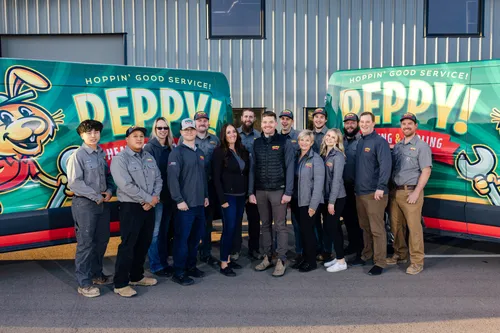
Peppy Heating and Cooling Boise
590 N Maple Grove Rd Ste #7, Boise, ID 83704
Peppy Heating and Cooling Boise is an HVAC company based in Boise, ID, offering a wide range of services including air conditioning, furnace, and heat pump repair and installation, as well as mini split systems, duct cleaning, thermostat installation, and indoor air quality solutions. They serve residential customers in the Boise area with expertise in installing and maintaining Trane systems and other reliable equipment. The company is known for thorough diagnostics and repairs, such as identifying and fixing ductwork issues and refrigerant leaks. Peppy Heating and Cooling Boise has built a reputation for honest, detailed service and clear communication with customers. They also provide maintenance plans and have experience with advanced air quality products like UV air scrubbers. While no specific business history or special availability is stated, customer feedback highlights their professionalism and technical knowledge.
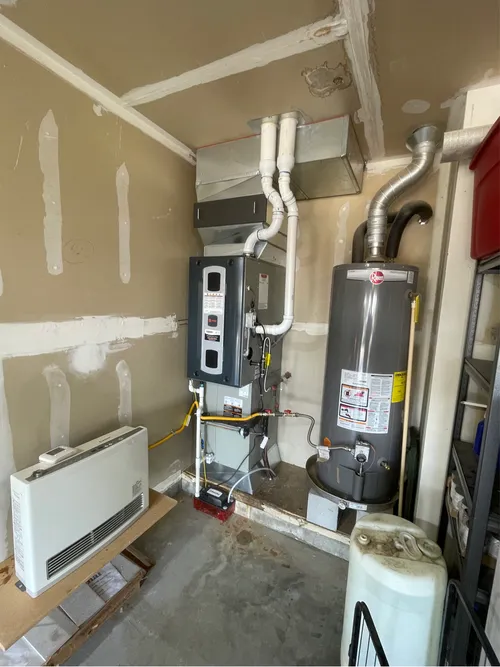
Top Shelf Heating and Cooling
2251 W Chinden Blvd, Meridian, ID 83646
Top Shelf Heating and Cooling is an HVAC contractor based in Boise, ID, specializing in the installation of air conditioning units, furnaces, heat pumps, and indoor air quality systems. They provide tailored HVAC solutions to fit various home types and sizes, helping customers select the most suitable system for their needs. Their services include installing hybrid heat systems and air quality products such as electronic air cleaners, UV lights, and humidifiers.
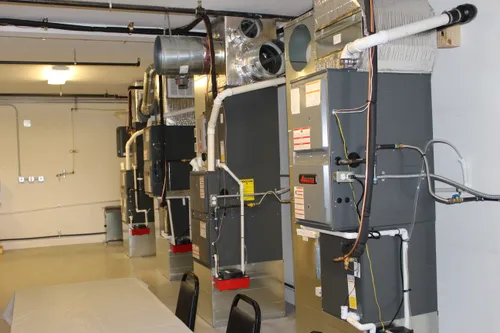
Diamond Heating, Cooling, Plumbing & Electric
Boise, ID
Diamond Heating, Cooling, Plumbing & Electric is a home service company based in Boise, ID, offering HVAC, plumbing, and electrical services. They provide a range of heating and cooling solutions including AC and furnace repair, installation, maintenance, indoor air quality services, and thermostat installation. The company serves the greater Treasure Valley area and is equipped with trained technicians using advanced tools to ensure quality work. Founded in 1999, Diamond Heating, Cooling, Plumbing & Electric has over 25 years of experience and offers emergency HVAC services 24/7 to address urgent heating and cooling needs.
Western Heating and Air Conditioning
4980 E Bradley St, Boise, ID 83714
Western Heating and Air Conditioning is a full-service HVAC company based in Boise, ID, offering heating, cooling, indoor air quality, electrical, and plumbing services. They work with all makes and models of furnaces, heat pumps, and air conditioners, providing installation, repair, and maintenance services. The company also offers 24/7 emergency repair services for air conditioning. Established in 1967, Western Heating and Air Conditioning has grown into a third-generation business with over 200 employees, serving Boise and the surrounding Treasure Valley area.
A-1 Heating, Air Conditioning & Electric
327 N Linder Rd, Meridian, ID 83642
A-1 Heating, Air Conditioning & Electric is a heating, cooling, and electrical contractor serving Boise, ID, and the surrounding Treasure Valley area. Established in 1956, the company offers a wide range of HVAC services including furnace and heat pump repair, AC installation, geothermal heat pump solutions, indoor air quality improvements, and electrical work for both residential and commercial clients. They provide 24/7 emergency HVAC services and have expertise in installing and maintaining energy-efficient systems tailored to each property's needs.
Understanding Idaho's Indoor Air Quality Framework
Idaho's approach to indoor air quality is a blend of voluntary federal guidelines, enforceable building codes, and local public health oversight. There is no single, comprehensive state law governing IAQ in private homes, but several mechanisms work together to promote healthier indoor environments 1.
Primary Oversight and Guidelines: The Idaho Department of Environmental Quality (DEQ) and local public health districts are the main points of contact for air quality concerns, operating in cooperation with the U.S. Environmental Protection Agency (EPA) 2 3. Residents and builders typically rely on EPA resources and recommendations for best practices. For commercial buildings and new residential construction, the state adopts building codes that incorporate critical IAQ protections.
Building Codes and Ventilation Standards: Idaho's building codes mandate specific ventilation requirements to ensure adequate fresh air exchange and contaminant control. The Idaho Mechanical Code, for instance, requires local exhaust systems in kitchens and bathrooms to be vented directly outdoors to manage moisture and odors. More broadly, the state's energy conservation codes require mechanical ventilation in modern, tightly sealed homes to compensate for reduced natural air infiltration. Commercial buildings must comply with ASHRAE Standard 62.1, which outlines minimum ventilation rates for acceptable indoor air quality.
Essential Safety Requirements: Beyond general air quality, Idaho has clear safety mandates. The installation of carbon monoxide (CO) alarms and smoke detectors is required in all homes. These devices are critical first lines of defense against acute, life-threatening pollutants from combustion appliances, fireplaces, and other sources 4.
Common Indoor Air Pollutants in Idaho Homes
Idaho's diverse climate and geology contribute to a specific set of common indoor air pollutants. Being aware of these can help you identify potential problems in your home.
Naturally Occurring Pollutants:
- Radon: This is a significant concern across Idaho. Radon is a radioactive, colorless, odorless gas that seeps from the soil and rock into homes through cracks in foundations, crawl spaces, and floor drains. It is the leading cause of lung cancer among non-smokers.
- Wildfire Smoke: During summer and fall, smoke from regional wildfires can significantly degrade outdoor air quality, which in turn infiltrates homes. This smoke contains fine particulates that can aggravate respiratory and cardiovascular conditions.
Biological Contaminants:
- Mold and Mildew: These fungi thrive in damp, poorly ventilated areas. Common problem spots in Idaho homes include basements, bathrooms, around leaky windows, and anywhere with chronic moisture issues. Mold spores can trigger allergies, asthma attacks, and other respiratory problems 5.
- Allergens: Dust mites, pet dander, and pollen are perennial allergens that accumulate in carpets, upholstery, and bedding. They are circulated through the home via the HVAC system and daily activity.
Chemical and Particulate Pollutants:
- Volatile Organic Compounds (VOCs): These gases are emitted from a wide array of household products, including paints, varnishes, cleaning supplies, adhesives, and even new furniture and carpets. Concentrations are often highest in newly constructed or renovated homes 6.
- Combustion Byproducts: Carbon monoxide, nitrogen dioxide, and other particles can be released from malfunctioning or poorly vented fuel-burning appliances like furnaces, water heaters, gas stoves, and fireplaces.
- Particulate Matter: This includes general dust, dirt, and pollen that becomes airborne. The effectiveness of your HVAC filter plays a major role in controlling these particulates.
Key Strategies for Improving Indoor Air Quality
Improving your home's air involves a combination of source control, ventilation, and filtration. Here are the most effective strategies applicable to Idaho residences.
1. Ensure Proper Ventilation: Ventilation is the process of exchanging stale indoor air with fresh outdoor air. Idaho's climate makes this a year-round consideration.
- Mechanical Ventilation: In energy-efficient homes built to modern codes, natural air leakage is minimal. These homes require mechanical ventilation systems, such as Heat Recovery Ventilators (HRVs) or Energy Recovery Ventilators (ERVs), to provide a controlled, continuous supply of fresh air without wasting energy.
- Local Exhaust: Always use exhaust fans in bathrooms and kitchens, ensuring they are vented to the outside, not just into an attic. This removes moisture and pollutants at the source 7.
- Natural Ventilation: When outdoor conditions permit, opening windows and doors is a simple and effective way to dilute indoor pollutants.
2. Control Humidity Levels: Managing moisture is critical for preventing mold growth and dust mite populations. Ideal indoor relative humidity is generally between 30% and 50%. Use dehumidifiers in damp basements and ensure your air conditioning system is properly sized and maintained to remove humidity effectively during summer months.
3. Maintain and Upgrade Your HVAC System: Your heating and cooling system is the lungs of your home. Proper maintenance is non-negotiable for good IAQ.
- Regular Filter Changes: Replace HVAC air filters regularly-typically every 1-3 months. Consider upgrading to a filter with a higher Minimum Efficiency Reporting Value (MERV). MERV 6 filters are considered a baseline, but MERV 11-13 filters can capture finer particles like mold spores and dust mite debris, provided your system can handle the increased airflow resistance 8 9.
- Professional Maintenance: Annual HVAC inspections and cleanings ensure the system is operating efficiently and not circulating dust or microbial growth from within the ductwork or equipment.
4. Source Control and Targeted Remediation: The most effective way to improve air quality is to prevent pollutants from entering in the first place.
- Radon Mitigation: If testing reveals elevated radon levels (4 pCi/L or higher), a professionally installed radon mitigation system, typically involving sub-slab depressurization, is highly effective 10.
- Mold Remediation: Address water leaks immediately. Significant mold growth should be assessed and remediated by professionals who can safely contain and remove the contaminated materials 11.
- Choose Low-VOC Products: Opt for paints, sealants, and furnishings labeled as low-VOC or zero-VOC.
Find the perfect indoor air quality service providers for your needs
Get personalized recommendations and expert advice
Professional IAQ Testing and Improvement Costs
If you suspect an air quality issue or want a baseline assessment, professional testing is a wise investment. Costs in Idaho vary based on the home's size, the number of samples, and the specific pollutants targeted.
Professional IAQ Inspection Costs:
- Basic Whole-Home Assessment: A general evaluation that may include visual inspection, humidity and CO2 readings, and basic particulate counts typically ranges from $200 to $500.
- Comprehensive Testing: More extensive testing that includes sampling for multiple specific pollutants can cost up to $1,000 or more 12.
- Targeted Pollutant Testing:
- Radon Testing: Professional short-term or long-term testing averages $150 to $800.
- Mold Testing: Air or surface sampling to identify mold species and spore counts generally costs between $300 and $1,000.
- VOC Testing: Sampling and laboratory analysis for volatile organic compounds can range from $200 to $400 per sample 13.
Common Improvement and Remediation Costs: Once a problem is identified, remediation costs depend on the scale of the issue.
- Radon Mitigation System: Installing an active sub-slab depressurization system, the most common and effective solution, averages $800 to $1,300 in Idaho 14 15.
- Mold Remediation: The cost to professionally remove mold depends heavily on the affected area. The average range is $1,200 to $3,800, but severe infestations can cost significantly more.
- Asbestos Abatement: If discovered in older homes, safe removal by a licensed professional averages $1,190 to $3,260 16.
- Ventilation Upgrades: Installing a whole-house mechanical ventilation system like an HRV or ERV varies widely based on the home's layout and system complexity, often costing several thousand dollars.
Maintaining Healthy Air Long-Term
Good indoor air quality is an ongoing commitment. Beyond initial testing and improvements, adopt these habits:
- Clean Regularly: Use a vacuum with a HEPA filter to capture fine particles. Damp-dust surfaces to avoid stirring dust into the air.
- Groom Pets Frequently: Bathe and brush pets regularly to reduce dander.
- Store Chemicals Safely: Keep paints, solvents, and pesticides in sealed containers in a well-ventilated shed or garage, not in living spaces.
- Test Periodically: Consider periodic radon testing, especially if you occupy a lower level of your home more frequently or after any renovations to the foundation.
For authoritative information, the EPA's Indoor Air Quality website is an excellent resource, and your local Idaho public health district can provide region-specific guidance 17 18 19.
Frequently asked questions
Sources
Footnotes
-
Energy Codes and Indoor Air Quality - https://www.idahoenergycode.com/energy-codes-and-indoor-air-quality ↩
-
Air Quality (Indoor and Outdoor) - Public Health - Idaho North ... - https://idahopublichealth.com/air-quality-indoor-and-outdoor/ ↩
-
Air Quality - Idaho Department of Environmental Quality - https://www.deq.idaho.gov/air-quality/ ↩
-
Indoor Air Quality | US EPA - https://www.epa.gov/air-quality/indoor-air-quality ↩
-
The Real Costs of Homeownership: What Listings Don't Tell You About... - https://pearlscore.com/news/the-real-costs-of-homeownership-what-listings-dont-tell-you-about-quality-of-life ↩
-
Why Indoor Air Quality Matters | IESVE IAQ Solutions - https://www.iesve.com/discoveries/view/52876/indoor-air-quality-iaq-importance ↩
-
Chapter 4 Ventilation: Idaho Mechanical Code 2018 | UpCodes - https://up.codes/viewer/idaho/imc-2018/chapter/4/ventilation ↩
-
Effective Strategies for Indoor Air Quality Improvement in ... - https://www.capitalcityheating.com/effective-strategies-for-indoor-air-quality-improvement-in-boise-idaho/home-improvement/ ↩
-
4.6 Indoor Air Quality and Mechanical Ventilation - https://energycodeace.com/site/custom/public/reference-ace-2013/Documents/46indoorairqualityandmechanicalventilation.htm ↩
-
Indoor Air Quality Services - Idaho Radon - https://www.idahoradon.com/indoor-air-quality-services.html ↩
-
Breathe Cleaner Air In Your Idaho Home | Boise, ID - https://westernhvac.com/breathe-cleaner-air-in-your-idaho-home/ ↩
-
How Much Does a Home Indoor Air Quality Testing Cost? - https://www.airpf.com/how-much-does-a-home-indoor-air-quality-testing-cost/ ↩
-
How Much Does Indoor Air Quality Testing Cost? - https://www.katyacrepair.com/how-much-does-it-cost-to-have-your-home-indoor-air-quality-tested/ ↩
-
Energy Codes and Indoor Air Quality - https://www.idahoenergycode.com/energy-codes-and-indoor-air-quality ↩
-
Idaho Energy Conservation Code: Improving Indoor Air ... - https://betterbricks.com/resources/idaho-energy-conservation-code-improving-indoor-air-quality-for-healthier-commercial-buildings/ ↩
-
How Much Does Indoor Air Quality Testing Cost? [2025 Data] - https://www.homeadvisor.com/cost/environmental-safety/test-indoor-air-quality/ ↩
-
Frequent Questions | Assessing Outdoor Air Near Schools | US EPA - https://19january2017snapshot.epa.gov/www3/air/sat/faq.html ↩
-
Private Wells - https://cdh.idaho.gov/wp-content/uploads/2023/11/Private-Well-Guidance.pdf ↩
-
Indoor Air Quality - http://www.homewiseinspections.com/id17.html ↩