Find the Best Indoor Air Quality Service Providers for Your Business
No obligation • Fast responses • Nationwide coverage

Why you can trust HVAC Firms
HVAC Firms is a leading United States resource for evaluating HVAC service providers. Our team researches companies, checks credentials, and reviews customer feedback to present clear, unbiased information. Listings and rankings are based on merit, and companies cannot pay to change our editorial content.
Search providers near you
Top Indoor Air Quality Service Providers in Alpharetta, Georgia Ranked
Breathing clean, healthy air inside your home or office is fundamental to your comfort and well-being. In Alpharetta, Georgia, managing your indoor environment is a unique challenge due to the region's specific climate and development patterns. This guide explains the common air quality concerns for Alpharetta residents, outlines professional testing and improvement solutions, and helps you understand how to connect with local specialists who can assess and enhance the air you breathe every day.

Wall Heating & Air Conditioning, Inc.
485 Scenic Hwy S, Lawrenceville, GA 30046
Wall Heating & Air Conditioning, Inc. is an HVAC company serving Atlanta, GA, specializing in air conditioning, heating, and indoor air quality services. They handle installation, repair, and maintenance for central air conditioners, ductless mini splits, heat pumps, furnaces, and rooftop or packaged units for both residential and commercial properties. The company also offers indoor air quality solutions including air cleaners, humidifiers, dehumidifiers, and UV germicidal lights, with a focus on Aprilaire products. Their certified technicians provide expertise in eco-friendly heat pump systems and climate control efficiency.
Techmazing Heating and Cooling
4931 Hwy 81, Loganville, GA 30052
Techmazing Heating and Cooling provides a full range of HVAC services in Atlanta, GA, including air conditioning, furnace, heat pump, and ductless mini-split installation and repair. They also offer indoor air quality solutions and commercial refrigeration services. The company is experienced in servicing all major brands and models, with certified technicians who provide warranties on parts and labor. Techmazing Heating and Cooling serves Northeast Georgia communities such as Braselton, Buford, Dacula, Duluth, Gainesville, Lawrenceville, Loganville, and Snellville. Their capabilities include expert diagnostics and repairs, as well as custom installations of Trane heating and cooling systems.
Holt Hudson Heating & Airconditioning
5195 Linnadine Way NW, Peachtree Corners, GA 30092
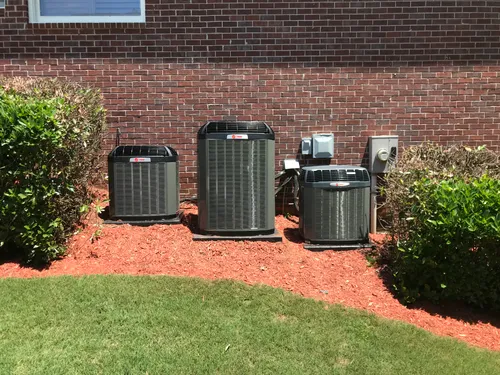
Holt Hudson Heating & Airconditioning is an HVAC company based in Atlanta, GA, specializing in residential maintenance, repair, and replacement of heating and cooling systems. They offer a full line of Trane products and provide services including installation, repair, indoor air quality solutions, and HVAC tune-ups. The company emphasizes quality installations and thorough maintenance to optimize system performance and energy efficiency. Founded by John Hudson, who has been involved in HVAC since childhood and took over operations in 2006, Holt Hudson Heating & Airconditioning serves multiple communities around Atlanta, including Peachtree Corners and nearby areas.
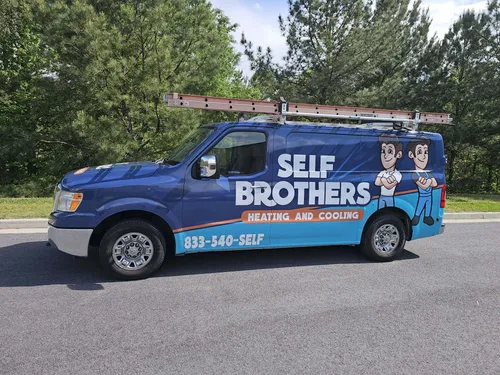
Self Brothers Heating & Cooling
1700 Cumberland Point Dr UNIT 14, Marietta, GA 30067
Self Brothers Heating & Cooling is an HVAC company serving Atlanta, GA, and the surrounding Metro Atlanta area. Since 2000, this family-owned business has provided heating and cooling services including AC repair and installation, furnace repair and installation, heat pump services, indoor air quality solutions, and HVAC maintenance. Their factory-trained team offers clear pricing and a protection plan for ongoing energy savings and priority service, emphasizing local community roots and personalized care.

Arcadia HVAC
3288 Duluth Hwy, Duluth, GA 30096
Arcadia HVAC is an HVAC company serving Atlanta, GA, and surrounding areas including Duluth, Norcross, and Roswell. They provide a range of services such as air conditioning, furnace, heat pump, and mini-split installation and repair, along with indoor air quality solutions and thermostat upgrades. The company has been in business since 1974 and offers extended labor warranties and complimentary service after installations. Their technicians have over 80 years of combined experience and focus on honest pricing without unnecessary upselling.
Why Alpharetta's Indoor Air Poses Unique Challenges
The air inside buildings in Alpharetta can be significantly more polluted than the outdoor air, with studies indicating indoor air can be 2 to 5 times more contaminated. This is exacerbated by two primary local factors: Georgia's characteristically high humidity and the area's rapid growth and construction. Together, these create a perfect storm for common indoor pollutants to thrive, impacting everything from respiratory health to the integrity of your home.
The Humidity and Mold Connection
Georgia's humid climate, particularly during the long summers, allows moisture to settle into building materials, walls, and HVAC ductwork. This persistent dampness creates an ideal breeding ground for mold and mildew. Mold spores, once established, can circulate through your ventilation system, triggering allergies, asthma attacks, and other respiratory issues. The problem often starts unseen, behind walls or in crawl spaces, making professional assessment crucial.
Radon: A Silent, Local Threat
A naturally occurring radioactive gas, radon seeps from the soil and bedrock into homes through cracks in foundations and slabs. The geological profile of the region makes radon a significant concern in North Georgia, with about 1 in 15 homes in the area potentially having elevated levels. Because it is odorless and invisible, specialized testing is the only way to know if this health risk is present in your Alpharetta property.
Volatile Organic Compounds (VOCs) and Other Contaminants
Rapid development means many homes and offices contain new building materials, paints, carpets, and furniture that can "off-gas" VOCs. Combined with everyday use of cleaning agents and aerosols, these chemicals contribute to poor indoor air quality. Furthermore, standard allergens like pollen, dust mites, and pet dander are prevalent and can accumulate in poorly maintained HVAC systems, continuously recirculating throughout your living space. 1
Professional Indoor Air Quality Testing in Alpharetta
You can't manage what you don't measure. Professional air quality testing provides a scientific snapshot of your indoor environment, identifying invisible threats. Local specialists use a variety of accredited methods to pinpoint problems.
Comprehensive Contaminant Analysis: Experts can collect air and surface samples to be analyzed in certified labs, specifically looking for mold spores, specific VOC compounds, formaldehyde, carbon monoxide, and other harmful agents.
Targeted Assessments:
- Radon Testing: Conducted over a period of days to get an accurate average level, this is a critical test for any home in the Alpharetta area.
- Particulate Matter Testing: This screening detects fine dust and other invisible particles that can penetrate deep into the lungs. 2
- Carpet Dust Analysis: Particularly useful in humid climates, this test can reveal hidden mold and allergen reservoirs trapped in carpet fibers, especially after water damage. 3
- Infrared Imaging: Technicians use thermal cameras to detect hidden moisture behind walls and in ceilings-the precursor to mold growth-without invasive demolition.
- Continuous Monitoring: Advanced systems can provide real-time, ongoing data on key parameters like humidity levels, particulate counts, and VOC concentrations. 4
Understanding the specific pollutants in your home is the first, essential step toward creating a healthier indoor atmosphere.
Find the perfect indoor air quality service providers for your needs
Get personalized recommendations and expert advice
Effective Solutions for Cleaner Indoor Air
Once testing identifies the issues, a range of effective solutions can be implemented to purify your air and create a healthier environment. These strategies often involve upgrading or supplementing your existing HVAC system.
Humidity Control and Mold Prevention
Managing moisture is the most critical step in preventing mold in Alpharetta. Whole-home dehumidifiers integrated with your HVAC system actively remove excess moisture from the air throughout the entire house, maintaining an optimal humidity level that inhibits mold growth and increases comfort. 5 This is often more effective and efficient than using multiple portable units.
Advanced Filtration and Air Purification
Simply upgrading your HVAC filter can make a substantial difference.
- High-Efficiency Particulate Air (HEPA) Filtration: These filters capture up to 99.97% of particles as small as 0.3 microns, including pollen, dust, and mold spores. 6
- UV Germicidal Lights: Installed inside your HVAC ductwork, these ultraviolet lamps kill bacteria, viruses, and mold spores as air passes by, sterilizing the air stream and keeping the coil clean. 7
- Air Purifiers: Stand-alone or HVAC-integrated purifiers with activated carbon filters can also be effective at adsorbing gases and odors, including VOCs.
Ventilation and Source Control
Modern, energy-efficient homes are often sealed tightly, which can trap pollutants inside. Improving mechanical ventilation ensures a controlled exchange of stale indoor air with fresh outdoor air. 8 Equally important is source control-reducing the use of high-VOC products, promptly fixing water leaks, and ensuring gas appliances are properly vented. 9
Radon Mitigation
If testing reveals high radon levels, a radon mitigation system is essential. These systems typically use a vent pipe and fan to draw radon gas from beneath the home and safely exhaust it above the roofline, effectively reducing indoor concentrations to safe levels. 10 11
Investing in Your Air: Understanding Costs
The investment in indoor air quality varies based on the services required. Here's a general overview of what you might expect:
- Comprehensive IAQ Testing: The national average cost for professional indoor air quality testing ranges from approximately $266 to $712, with many homeowners paying around $435.
- Mold & Moisture Assessment: A focused inspection and assessment for mold typically costs around $295.
- Radon Testing: Professional radon testing in Alpharetta generally costs between $135 and $150, and it is sometimes offered at a lower rate when combined with a general home inspection. 12
- Improvement Solutions: Costs for solutions like installing UV lights, advanced filtration systems, or whole-home dehumidifiers will vary significantly based on your home's size and existing HVAC system. These are considered long-term investments in your property's health and your family's comfort.
Maintaining Healthy Air Long-Term
Achieving good indoor air quality is not a one-time event but an ongoing process. Regular HVAC maintenance is paramount. This includes scheduled cleaning of ductwork, replacing filters according to manufacturer guidelines (typically every 1-3 months), and having a professional service your system bi-annually. 13 Be especially vigilant after any water incident or if your ductwork runs through a damp crawl space. By partnering with a knowledgeable local professional, you can develop a proactive plan to ensure the air in your Alpharetta home remains clean and healthy for years to come.
Frequently asked questions
Sources
Footnotes
-
Identifying Signs of Poor Home Air Quality and How to Improve It - https://lunsprogeorgia.com/blog/identifying-signs-of-poor-home-air-quality-and-how-to-improve-it ↩
-
Professional Particulate Matter & Air Quality Testing Near the ... - https://www.iaqanswers.com/air-quality-testing-near-alpharetta-ga ↩
-
Household Air Quality Testing Alpharetta GA Improve Air - https://hvacsoutheast.com/iaq/household-air-quality-testing-alpharetta-ga ↩
-
Indoor Air Quality Inspection | Book Now - https://www.iaqanswers.com/indoor-air-quality-inspection ↩
-
7 Signs Your Georgia Home Needs a Dehumidification System - https://www.alpharetta-hvac.com/blog/7-signs-your-georgia-home-needs-a-dehumidification-system/ ↩
-
Indoor Air Quality (IAQ) - Environmental Health & Safety - https://ehs.gatech.edu/form/indoor-air-quality-iaq- ↩
-
Indoor Air Quality: A significant Environmental threat to Human Health. - https://dca.georgia.gov/document/document/richard-johnson-presentation/download ↩
-
Humidity Impact on HVAC Systems and Indoor Air - https://www.hurricanellc.com/humidity-impact-on-hvac-georgia/ ↩
-
Moisture in The Air Can Cause Mold In Your Home - https://safeairmoldtesting.com/moisture-in-the-air-can-cause-mold-in-your-home/ ↩
-
Indoor Air Quality Services in Northeastern Georgia - https://www.georgiaradondefense.com/indoor-air-quality-services.html ↩
-
Alpharetta GA Radon Mitigation 404-522-9708 - https://swat-radon.com/alpharetta-ga/ ↩
-
2025 Indoor Air Quality Testing Cost | Get Estimates - Thumbtack - https://www.thumbtack.com/p/indoor-air-quality-testing-cost ↩
-
Indoor Air Quality Consultants - Georgia - https://iaq-solutions-consulting-inc.com/indoor-air-quality-consultants-georgia/ ↩