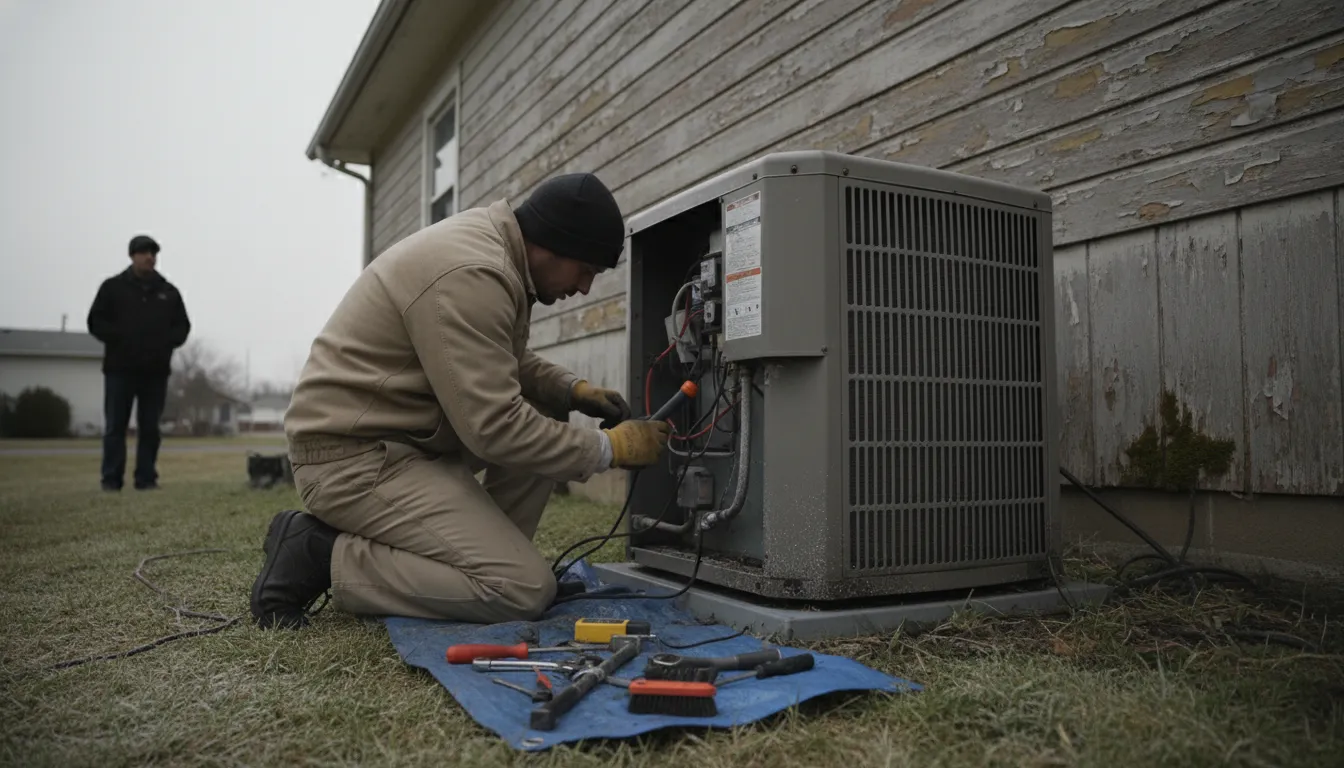
Find the Best Heat Pump Repair Contractors for Your Business
No obligation • Fast responses • Nationwide coverage

Why you can trust HVAC Firms
HVAC Firms is a leading United States resource for evaluating HVAC service providers. Our team researches companies, checks credentials, and reviews customer feedback to present clear, unbiased information. Listings and rankings are based on merit, and companies cannot pay to change our editorial content.
Search providers near you
Top Heat Pump Repair Contractors in Leesburg, Virginia Ranked
A heat pump is the heart of your home's year-round comfort, providing both heating and cooling from a single, efficient system. When it malfunctions, it can disrupt your daily life and lead to uncomfortable temperatures and high energy bills. This guide explains the common heat pump problems faced by Leesburg homeowners, details what happens during a professional service call, and provides insights into repair timelines and costs, helping you make informed decisions when your system needs attention.
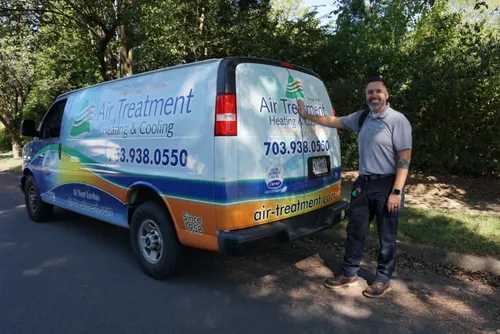
Air Treatment Heating & Cooling
518 Mill St NE, Vienna, VA 22180
Air Treatment Heating & Cooling provides a range of HVAC services in Washington, DC, including air conditioning, furnace, and heat pump repair and installation, as well as indoor air quality solutions. Serving Northern Virginia communities, the company has over 45 years of experience delivering heating and cooling services. Their team is skilled in HVAC tune-ups and maintenance, ensuring homes maintain comfortable indoor climates. Air Treatment Heating & Cooling is known for thorough assessments and upfront quotes to tailor solutions to customer needs.
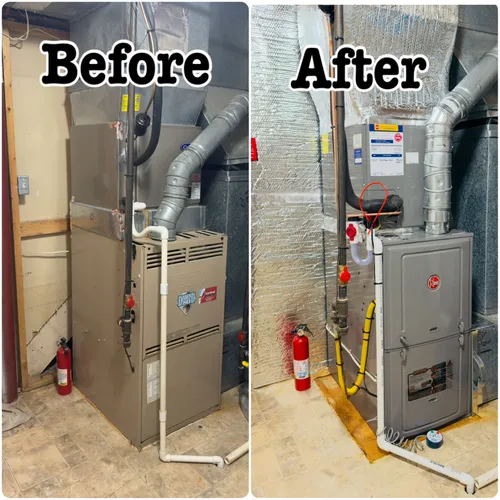
MVM Home Service INC
Washington, DC
MVM Home Service INC provides heating, cooling, and indoor air quality services in Washington, DC, and surrounding areas including Maryland and Virginia. They offer installation, repair, and maintenance for HVAC systems such as furnaces, air conditioners, heat pumps, and thermostats. The company also specializes in air duct cleaning to improve system efficiency and home health. MVM Home Service INC is family owned, certified, and insured, with a focus on personalized attention and quality home solutions. They provide 24/7 emergency services to address urgent HVAC needs.
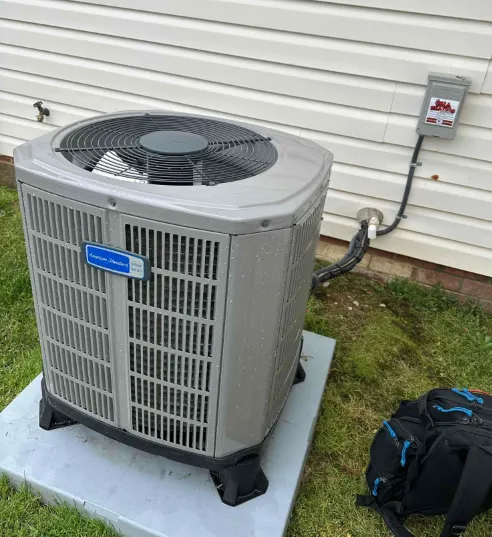
OHA HVAC, Plumbing, Chimney & Fireplaces
2800 Juniper St #10, Fairfax, VA 22031
OHA HVAC, Plumbing, Chimney & Fireplaces is a veteran and family-owned business serving Washington, DC. They provide a wide range of home services including HVAC installation, repair, and tune-ups, as well as plumbing, chimney maintenance, gas fireplace services, water heater installation, and home generator support. With over 25 years of experience, the company emphasizes integrity and customer satisfaction. They also offer 24-hour emergency service for urgent HVAC, plumbing, or power outage issues.
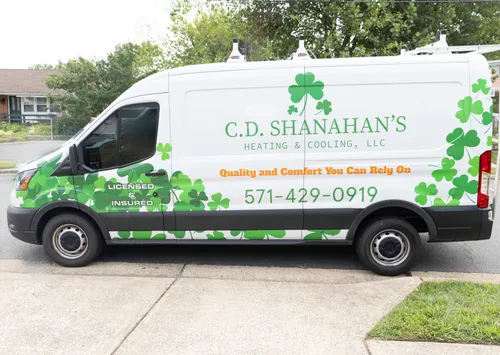
C.D. Shanahan's HVAC, Plumbing, Electrical & Remodeling LLC
7950 Woodruff Ct, Springfield, VA 22151
C.D. Shanahan's HVAC, Plumbing, Electrical & Remodeling LLC provides heating and cooling services in Washington, DC. They offer repair and installation for air conditioning, furnaces, heat pumps, boilers, and full HVAC systems. Their certified technicians bring extensive experience to each job, ensuring quality HVAC tune-ups and system maintenance. The company serves both residential and commercial customers in the area.
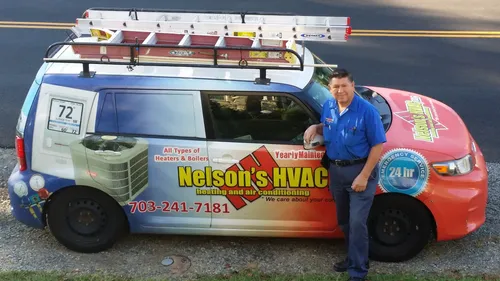
Nelson's HVAC, LLC
9226 Dellwood Dr, Vienna, VA 22180
Nelson's HVAC, LLC provides heating, ventilation, and air conditioning services in Washington, DC. They offer installation, repair, and maintenance for HVAC systems, including air conditioners, furnaces, and heat pumps. The company emphasizes indoor air quality and serves both residential and commercial clients. With over 21 years of experience, Nelson Revollo leads a licensed and insured team that operates in the Northern Virginia and Maryland suburban region. They recommend regular maintenance checks to keep systems running efficiently and provide thorough diagnostics and repairs when needed.
Common Heat Pump Problems in Leesburg Homes
Heat pumps work hard throughout Virginia's distinct seasons, which can lead to wear and tear. Recognizing the signs of trouble early can prevent minor issues from becoming major, costly repairs. Here are the most frequent problems technicians encounter in the Leesburg area.
Reduced Heating or Cooling Output If your heat pump is running but not adequately warming or cooling your home, it's a clear sign of an issue. This is often caused by dirty coils and filters restricting airflow, or a refrigerant leak that lowers the system's charge 1. Both problems force the unit to work longer and harder, reducing efficiency and comfort.
Unusual Noises and Operational Issues Strange sounds like grinding, squealing, or rattling from your outdoor unit or indoor air handler are never normal. These can indicate mechanical failures, such as a failing fan motor in the blower assembly or a compressor that is struggling to start or run 2. A unit that frequently cycles on and off or won't turn on at all often points to electrical failures in components like capacitors, contactors, or the thermostat itself.
Spikes in Energy Bills A sudden, unexplained increase in your monthly energy costs is a strong indicator that your heat pump is losing efficiency. This can be due to any of the issues above, as well as ductwork leaks that allow conditioned air to escape into your attic or crawlspace before reaching your living spaces 3. Your system compensates by running constantly, driving up your bill.
What to Expect During a Professional Service Visit
When you contact a local HVAC professional for heat pump service, a structured process ensures a thorough diagnosis and effective repair. Knowing these steps can help you feel prepared and understand the value of the service.
Initial Contact and Scheduling The process begins when you call to schedule an appointment. Reputable companies will ask about your system's symptoms to prepare the technician with the right tools and potential parts. Many offer flexible scheduling to accommodate your day.
On-Site Diagnosis and Inspection The technician will start with a visual inspection of both the indoor and outdoor units, looking for obvious issues like debris, ice buildup, or damaged components. They will then perform functional checks, which typically include testing electrical connections, measuring refrigerant pressure and charge, assessing airflow, and evaluating the performance of key components like the compressor and fan motors 4. This comprehensive diagnosis is crucial for identifying the root cause.
Clear Repair Proposal After diagnosing the problem, the technician will provide a clear, detailed proposal. This should include a description of the necessary repairs, an itemized list of required parts and labor, a total cost estimate, and a projected timeline for completion. You should have the opportunity to ask questions before authorizing any work.
Find the perfect heat pump repair contractors for your needs
Get personalized recommendations and expert advice
Repair Execution and System Testing Once you approve the proposal, the technician will perform the repairs. This could involve tasks like cleaning evaporator and condenser coils, sealing refrigerant leaks and recharging the system, or replacing failed components like a capacitor or motor. After the repair is complete, the technician will test the entire system to ensure it is operating safely and efficiently. They will often provide a brief walkthrough, explaining what was done and offering tips for maintenance.
Follow-Up and Support A quality service provider stands behind their work. They should inform you of any warranty on parts and labor and let you know how to contact them if you have any concerns after they leave. This follow-up support is a key part of reliable service.
Understanding Repair Timelines and Costs
The complexity of the issue directly influences how long a repair will take and how much it will cost. While only an on-site diagnosis can provide an exact quote, understanding general ranges can help you budget and set expectations.
Typical Repair Timelines
- Minor Repairs (1-4 hours): These are straightforward fixes such as replacing a clogged air filter, installing a new thermostat, or swapping out a faulty capacitor. A technician can often complete these in a single visit.
- Moderate Repairs (Half to Full Day): Repairs like a thorough coil cleaning, refrigerant recharge, or replacing a fan motor require more labor and testing, typically taking up a full service day 5.
- Major Repairs (Several Days): Significant component failures, such as replacing a compressor or an entire coil, are more involved. The repair itself may take a day or more, and there can be additional delays if specific parts need to be ordered and shipped.
Estimated Cost Ranges for Common Repairs It's important to note that diagnostic fees, which typically range from $100 to $250, are standard and are often applied toward the total repair cost if you proceed with the service. Repair costs themselves vary based on the part and labor required:
- Air Filter Replacement: $20 - $50 (a simple, often DIY task).
- Capacitor Replacement: $150 - $300.
- Refrigerant Recharge: $200 - $500, depending on the type and amount of refrigerant needed.
- Fan Motor Replacement: $400 - $800+.
- Compressor Replacement: $1,500 - $4,000+. This is one of the most significant repairs due to the cost of the part and the labor-intensive work involved 6.
Maintaining Your Heat Pump to Prevent Future Issues
Proactive maintenance is the most effective way to avoid unexpected breakdowns and costly repairs. Simple habits can extend the life of your system. Regularly changing or cleaning your air filter (every 1-3 months) is the single most important task a homeowner can do. It protects the coil and maintains proper airflow. Keep the area around your outdoor unit clear of leaves, grass clippings, and debris to ensure adequate ventilation. Scheduling a professional tune-up at least once a year, ideally in the spring or fall, allows a technician to catch small problems early, clean critical components, and verify system performance 7. This investment in maintenance often pays for itself through improved efficiency, lower utility bills, and fewer emergency repairs.
Frequently asked questions
Sources
Footnotes
-
Heat Pump Troubleshooting: 11 Heat Pump Issues & Their Fixes - https://cielowigle.com/blog/heat-pump-troubleshooting/ ↩
-
Does My Heat Pump Have a Bad Compressor in Durham, NC? - https://leeac.com/does-my-heat-pump-have-a-bad-compressor-in-durham-nc/ ↩
-
Common HVAC Troubleshooting Scenarios: A Technician's Guide - https://www.servicetitan.com/blog/hvac-troubleshooting-scenarios ↩
-
10 Things That Should be Included in a Heat Pump Inspection - https://iaqcolorado.com/blog/10-things-that-should-be-included-in-a-heat-pump-inspection/ ↩
-
HVAC Troubleshooting Guide: Step-by-Step Solutions Made Easy - https://projecthvac.com/2026/01/07/hvac-troubleshooting-guide-step-by-step/ ↩
-
HVAC & Plumber in Leesburg, VA - Service Specialties - https://www.ssihvac.com/service-areas/leesburg/ ↩
-
Operating and Maintaining Your Heat Pump | Department of Energy - https://www.energy.gov/energysaver/operating-and-maintaining-your-heat-pump ↩