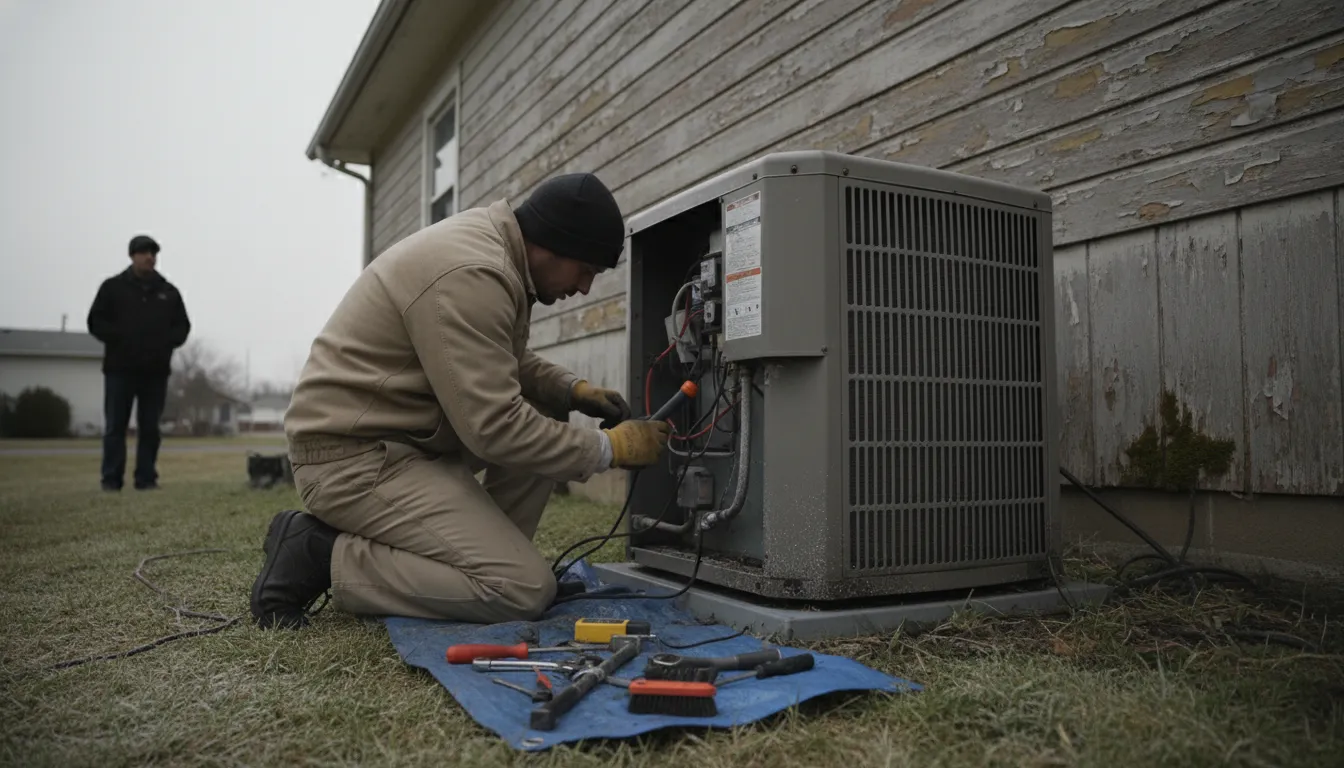
Find the Best Heat Pump Repair Contractors for Your Business
No obligation • Fast responses • Nationwide coverage

Why you can trust HVAC Firms
HVAC Firms is a leading United States resource for evaluating HVAC service providers. Our team researches companies, checks credentials, and reviews customer feedback to present clear, unbiased information. Listings and rankings are based on merit, and companies cannot pay to change our editorial content.
Search providers near you
Top Heat Pump Repair Contractors in Freeport, New York Ranked
Keeping your heat pump running efficiently is essential for year-round comfort in Freeport. These versatile systems provide both heating and cooling, but like any complex equipment, they can experience issues that require professional attention. A timely repair can restore your home's comfort, improve energy efficiency, and prevent a minor problem from becoming a costly replacement. This guide will help you understand common heat pump problems, what to expect during a service visit, and how to find qualified local technicians to get your system back on track.
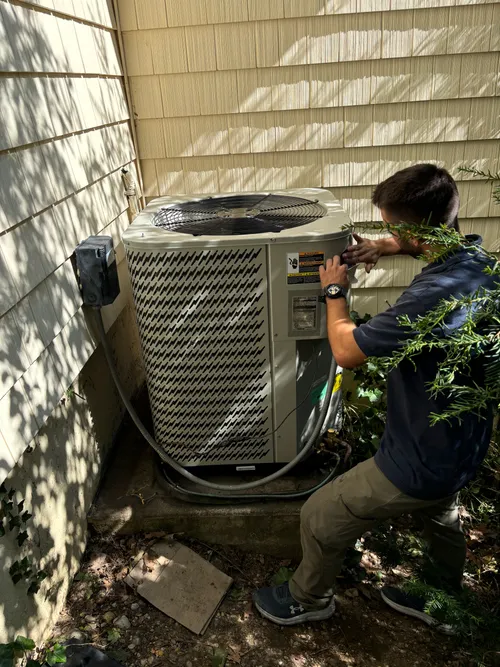
KOKA-TECH HVAC INC
60-21 Menahan St, Ridgewood, NY 11385
KOKA-TECH HVAC INC provides professional heating and cooling services in New York, NY, including installation, repair, and tune-ups for air conditioners, furnaces, heat pumps, boilers, and mini splits. They offer 24/7 emergency support and same-day availability, serving Queens, Brooklyn, Manhattan, Bronx, and Long Island. The company is licensed and insured, with a strong local presence and expertise in NYC buildings. With nearly 300 five-star reviews, KOKA-TECH HVAC INC is recognized for upfront quotes and customer approval before starting work.
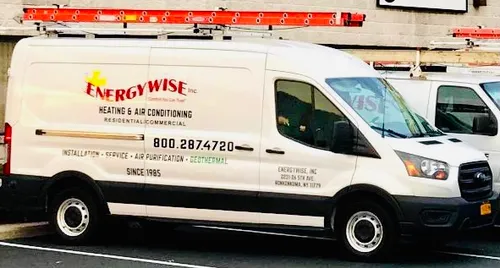
Energywise Inc
2231 5th Ave Suite 26, Ronkonkoma, NY 11779
Energywise Inc is an HVAC company based in New York, NY, specializing in heating and cooling solutions. They offer installation, repair, and maintenance services for a variety of systems including heat pumps, central air conditioning, ductless mini splits, geothermal systems, and traditional furnaces. Their factory-trained technicians provide expert guidance and personalized recommendations to optimize home comfort and energy efficiency. Energywise Inc emphasizes energy-efficient products and sustainable solutions to reduce environmental impact while maintaining reliable system performance. The company has decades of experience and provides 24/7 emergency repair services to address urgent heating or cooling issues promptly.
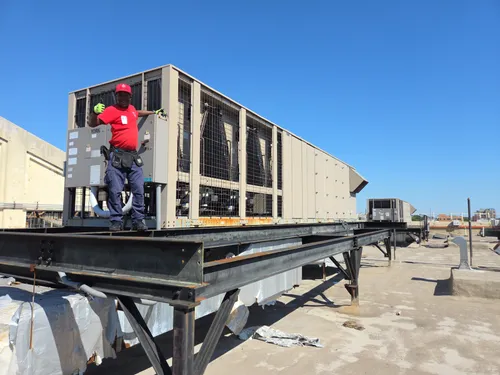
American HVAC Corp - Brooklyn, Heating, Air Conditioning, Refrigeration, Ductless Mini Split, Rooftop, Commercial HVAC NYC
77 Sands St 6th Floor, Brooklyn, NY 11201
American HVAC Corp - Brooklyn, Heating, Air Conditioning, Refrigeration, Ductless Mini Split, Rooftop, Commercial HVAC NYC provides HVAC repair, installation, and maintenance services in New York, NY. Their certified technicians handle a wide range of heating and air conditioning equipment, including furnaces, heat pumps, mini splits, and rooftop systems. The company serves numerous neighborhoods across Brooklyn and extends service to Queens, Manhattan, Staten Island, and The Bronx. They support various industries such as banks, data centers, educational institutions, and commercial office buildings. Their technicians are accredited by EPA and NATE, ensuring professional expertise.
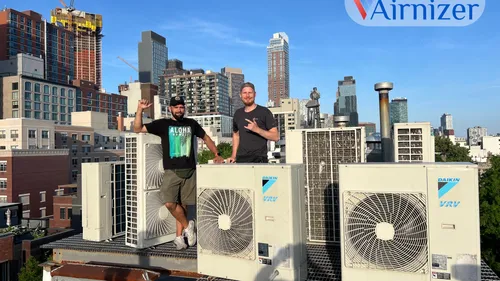
Airnizer HVAC
175 Pearl St Floor 1, suit 342, Brooklyn, NY 11201
Airnizer HVAC is an HVAC contractor based in New York, NY, specializing in the installation, repair, and maintenance of ductless mini split AC and heat pump systems. They serve multiple boroughs including Brooklyn, Queens, Manhattan, Bronx, and Staten Island. Their services cover all types of AC repairs, furnace, boiler, heat pump, and PTAC system maintenance and replacements. The team is certified and insured, focusing on practical solutions for heating and air conditioning needs.
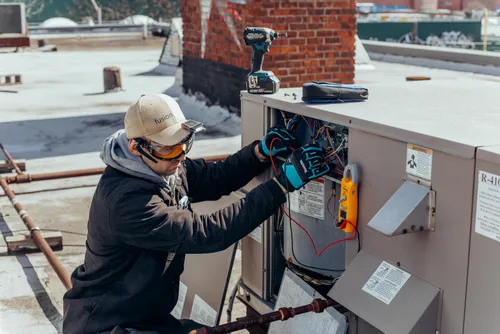
Manhattan HVAC & Appliance Repair Inc
48 W 14th St, New York, NY 10011
Manhattan HVAC & Appliance Repair Inc provides repair services for air conditioning, furnaces, heat pumps, and boilers in New York, NY. They offer emergency HVAC repairs with priority scheduling and clear communication, covering Manhattan up to 110th Street as well as Downtown Brooklyn, Park Slope, Brooklyn Heights, Dumbo, Williamsburg, Greenpoint, and Long Island City. Their dispatch team is available 24/7 to handle urgent requests and coordinate appointments efficiently.
Common Heat Pump Issues in Freeport Homes
Heat pumps work hard throughout the year, facing Long Island's humid summers and chilly winters. This constant operation can lead to specific malfunctions. Recognizing the signs early can help you schedule service before a complete breakdown occurs.
- Refrigerant Leaks: The refrigerant is the lifeblood of your heat pump, responsible for transferring heat. A leak reduces the system's capacity, leading to weak heating or cooling, longer run times, and higher energy bills. You might notice ice buildup on the coils or hear a hissing sound. Repairing a leak involves finding the source, sealing it, and then recharging the system with the correct amount of refrigerant.
- Fan Motor Failures: Your system has at least two fan motors: one in the outdoor unit (the condenser fan) and one indoors (the blower motor). If either fails, airflow stops. Symptoms include no air coming from your vents, unusual grinding or squealing noises, or the outdoor unit not running at all. A failing motor often needs replacement to restore proper operation.
- Thermostat Glitches: Sometimes the issue isn't with the heat pump itself but with its command center. A malfunctioning thermostat can cause inaccurate temperature readings, prevent the system from turning on or off, or lead to short cycling. This may require recalibration, wiring repairs, or a full thermostat replacement.
- Defrost Cycle Problems: During Freeport's colder months, the outdoor coil can frost over. A properly functioning heat pump will automatically enter a defrost cycle to melt this ice. If this cycle fails, the unit can become completely iced over, severely reducing heating performance and potentially damaging the compressor. You might see excessive ice on the unit while it runs constantly but provides little heat.
- Electrical Component Failures: Capacitors, contactors, and wiring are critical for starting and running the motor and compressor. A faulty capacitor, for example, can prevent the compressor from starting, leading to a tripped breaker or a humming sound without operation. These are common repairs that a skilled technician can diagnose and fix.
What to Expect During a Professional Service Visit
Understanding the repair process can make scheduling service less stressful. Most reputable technicians follow a standard procedure to ensure a thorough and transparent repair.
- Scheduling & Arrival: You'll book an appointment, with many companies offering same-day or next-day service for urgent issues. The technician will arrive, typically in a marked vehicle, and introduce themselves and their company.
- Inspection & Diagnosis: This is the most critical step. The technician will inspect your indoor and outdoor units, check electrical connections, test components like capacitors and motors, and use specialized gauges to check refrigerant pressure. This diagnostic phase usually takes 1-2 hours to accurately pinpoint the problem.
- Detailed Estimate: Once the issue is identified, the technician will explain their findings in plain language and provide a written estimate. This should include the cost of parts, labor, and any applicable service fees. A trustworthy professional will answer all your questions before proceeding.
- Repair Work: After you approve the estimate, the technician will perform the necessary repairs. This could involve replacing a worn capacitor, sealing a refrigerant leak, swapping out a fan motor, or repairing faulty wiring. The time required depends entirely on the job's complexity.
- System Testing & Verification: After the repair, the technician will restart your heat pump and test it in both heating and cooling modes to ensure it's operating safely and efficiently. They will verify that the original problem is resolved.
- Completion & Follow-up: You'll review the work completed, make payment, and receive any paperwork, such as an invoice and warranty information for the parts and labor. The technician may also offer tips for basic maintenance or schedule a future check-up.
Understanding Repair Timelines and Costs
Repair duration and cost are directly tied to the problem's nature and the parts required. Having realistic expectations can help you plan.
Typical Repair Timelines:
- Diagnosis: 1-2 hours.
- Minor Repairs (e.g., capacitor, contactor, thermostat): 2-4 hours. These are often completed in a single visit.
- Major Repairs (e.g., compressor, coil, fan motor replacement): 4-8 hours or more. Some major components may need to be ordered, which can add days to the timeline.
General Cost Ranges in Freeport: It's important to note that prices can vary based on the contractor, the brand of parts used, and the age of your system. Always obtain a specific quote for your situation.
- Service Call/Diagnostic Fee: $90 - $200 (this fee is often applied to the total repair cost if you proceed).
- Capacitor or Relay Replacement: $200 - $400.
- Refrigerant Recharge (including leak repair): $150 - $400.
- Fan Motor Replacement: $400 - $800.
- Compressor Replacement: $1,500 - $4,000+. This is a major repair that sometimes makes replacing the entire outdoor unit a more cost-effective option, especially for older systems 1.
Find the perfect heat pump repair contractors for your needs
Get personalized recommendations and expert advice
Financial Assistance and Rebates for Freeport Residents
Investing in heat pump maintenance and repair can be supported by state initiatives aimed at promoting clean energy. The New York State Energy Research and Development Authority (NYSERDA) offers various rebates and incentives for high-efficiency heat pumps. While these often target new installations or upgrades, keeping your existing system in top shape is the first step toward efficiency. Programs like NYSERDA's Clean Heat Connect provide resources and may offer financing options that can help manage the cost of significant repairs or system replacements. Checking their website for current programs is a wise step for any homeowner.
Choosing the Right Technician for Your Heat Pump
Not all service providers are equal. For a complex system like a heat pump, you need a specialist. Look for a technician who is:
- Licensed & Insured: This is non-negotiable for your protection and their expertise.
- Experienced with Heat Pumps: Ask specifically about their experience with your brand or type of system (e.g., ductless mini-split, geothermal).
- Transparent with Pricing: They should provide clear, written estimates and explain what each charge covers.
- Well-Reviewed: Check online reviews and ask for local references in the Freeport area. The most reliable advice is to get multiple quotes from licensed HVAC professionals to compare diagnoses, recommended solutions, and pricing before making a decision.
Maintaining Your Heat Pump After a Repair
Once your system is repaired, regular maintenance is key to preventing future issues and extending its lifespan. Simple steps include:
- Changing or cleaning air filters every 1-3 months.
- Keeping the outdoor unit clear of leaves, grass clippings, and snow.
- Scheduling an annual professional tune-up, ideally in the spring or fall. A maintenance visit allows a technician to clean coils, check refrigerant levels, inspect electrical components, and ensure everything is operating at peak efficiency, helping you avoid unexpected breakdowns.
Frequently asked questions
Sources
Footnotes
-
Cold-Climate Air Source Heat Pumps - https://cleanheatconnect.ny.gov/assets/pdf/Post-Install%20Maintenance_12_2024.pdf ↩