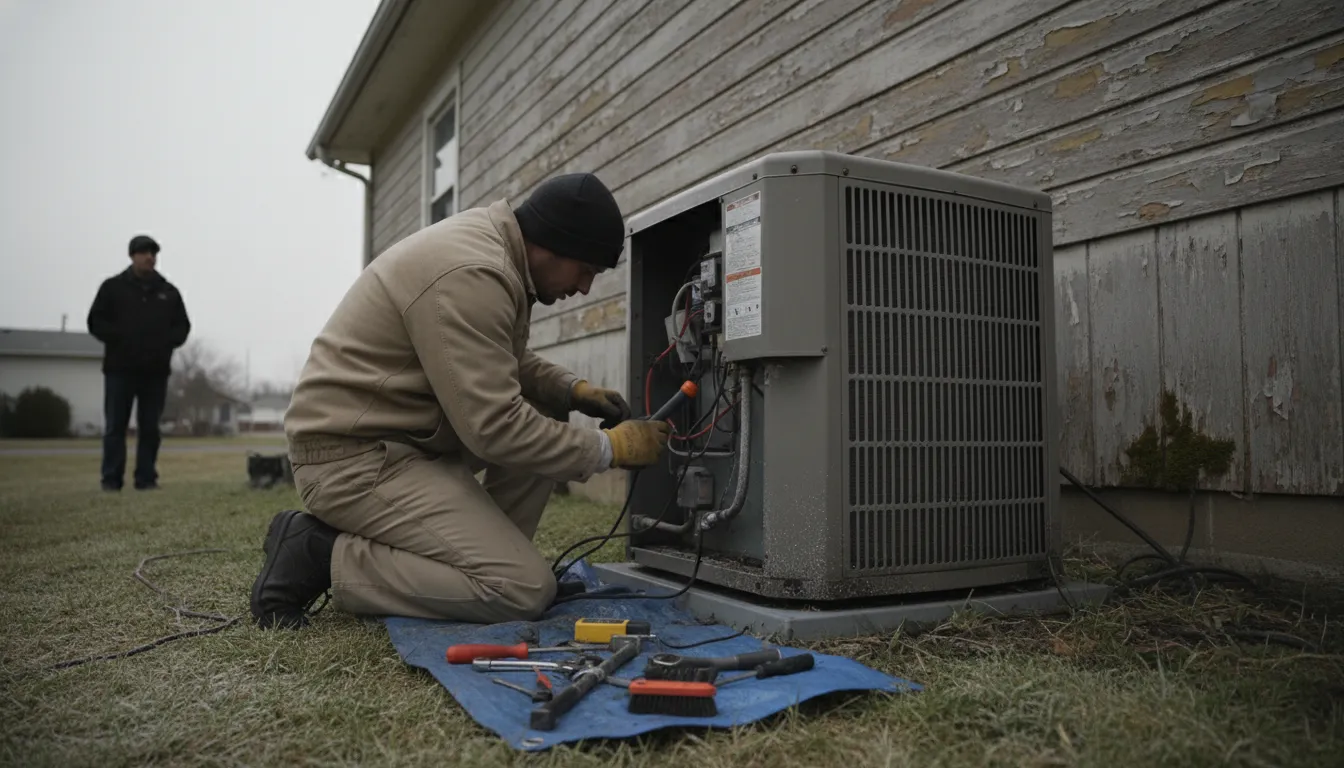
Find the Best Heat Pump Repair Contractors for Your Business
No obligation • Fast responses • Nationwide coverage

Why you can trust HVAC Firms
HVAC Firms is a leading United States resource for evaluating HVAC service providers. Our team researches companies, checks credentials, and reviews customer feedback to present clear, unbiased information. Listings and rankings are based on merit, and companies cannot pay to change our editorial content.
Search providers near you
Top Heat Pump Repair Contractors in Shakopee, Minnesota Ranked
A heat pump is a versatile and efficient system for both heating and cooling your home. When it malfunctions, it can lead to discomfort, high energy bills, and potential system damage. Finding a reliable local technician for heat pump service is crucial to restoring your home's comfort efficiently. This guide will help you understand common repair issues, what to expect during a service visit, and how to connect with qualified professionals in the Shakopee area.
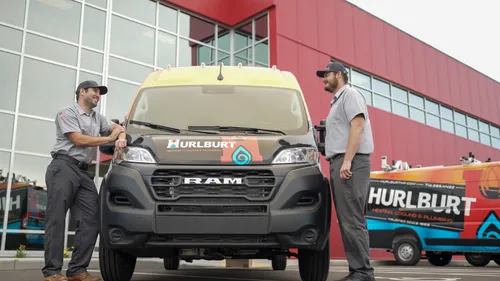
Hurlburt Heating & Plumbing
1000 County Rd E Suite 115, Shoreview, MN 55126
Hurlburt Heating & Plumbing is a family-owned home services provider serving Minneapolis, MN, and surrounding areas. Since 1959, they have offered a wide range of services including HVAC installation and repair, plumbing, and electrical work. Their HVAC services cover air conditioner and furnace repair, heat pump and mini split installation, indoor air quality solutions, and HVAC tune-ups. Hurlburt also provides whole-home air scrubbers, purifiers, humidifiers, and dehumidifiers to improve indoor air quality. With over six decades of experience, they combine modern technology with personalized service to address customer needs.
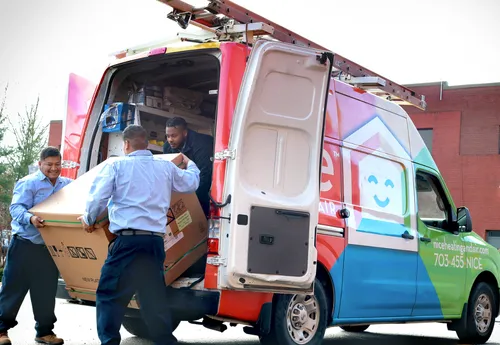
Nice Heating & Air
24 Onville Rd suite 101-9, Stafford, VA 22556
Nice Heating & Air is an HVAC company serving Minneapolis, MN, specializing in air conditioning, heating, and indoor air quality services. They provide installation, repair, and maintenance for systems including ductless mini splits, heat pumps, furnaces, and water heaters. The company has many years of experience and focuses on delivering high-quality products and services with a commitment to customer satisfaction. Their capabilities include HVAC tune-ups and indoor air quality improvements such as air purifier installation and ventilation services.
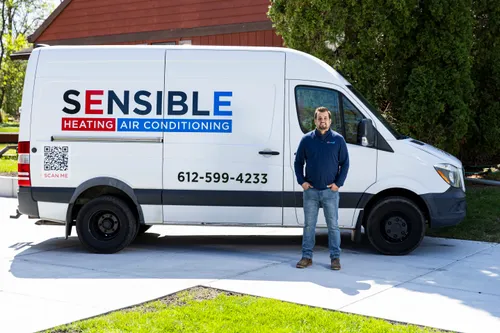
Sensible Heating and Air Conditioning
3533 Roosevelt St NE, St Anthony, MN 55418
Sensible Heating and Air Conditioning is a locally owned HVAC company serving Minneapolis, MN. They provide a range of services including air conditioning, furnace, and heat pump repair, installation, and tune-ups. With 16 years of experience, they focus on maintaining efficient and comfortable home environments through reliable HVAC solutions. Their expertise includes troubleshooting and installing all major brands to ensure energy-efficient performance throughout the year.

Pronto Heating and Air Conditioning - Minneapolis
7415 Cahill Rd, Minneapolis, MN 55439
Pronto Heating and Air Conditioning - Minneapolis is an HVAC company serving Minneapolis, MN, and nearby communities. They provide installation, repair, and maintenance for heating and cooling systems including furnaces, air conditioners, boilers, heat pumps, and ductless mini splits. The company is a Bryant Factory Authorized Dealer with expertise in indoor air quality solutions such as air purification and advanced thermostats. Pronto Heating and Air Conditioning offers emergency service with a commitment to respond within 24 hours and has a history of recognized performance as a multiple Bryant Dealer of the Year finalist and winner.
Stafford Home Service
6225 Cambridge St, Minneapolis, MN 55416
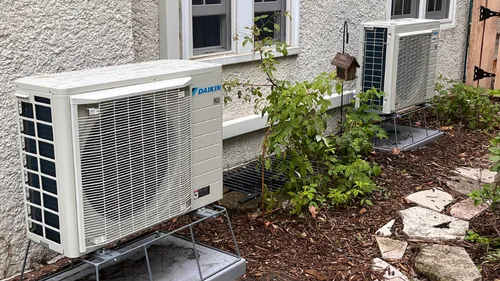
Stafford Home Service is a family-operated company based in Minneapolis, MN, offering residential HVAC and electrical services. They provide repairs, installations, and maintenance for heating and cooling systems including furnaces, heat pumps, boilers, mini-split systems, and air conditioning units. The company features licensed technicians with over 70 years of combined experience and emphasizes transparent pricing and customer satisfaction. Stafford Home Service also offers advanced HVAC solutions with Daikin products, known for energy efficiency and zoning capabilities. Since 2007, the company has continued a legacy of quality workmanship under current ownership. They serve Minneapolis and surrounding communities with a range of home comfort services.
Understanding Your Heat Pump System
A heat pump operates by transferring heat rather than generating it, moving warmth from one place to another depending on the season. In winter, it extracts heat from the outdoor air (even in cold temperatures) and moves it indoors. In summer, the process reverses to cool your home. This dual functionality makes it a cornerstone of year-round climate control. The system comprises an outdoor unit (condenser/compressor), an indoor unit (air handler), refrigerant lines, and a thermostat. Proper maintenance and timely repairs are essential to keep this complex system running at peak efficiency, especially given Shakopee's varied climate with cold winters and warm, humid summers.
Common Heat Pump Problems in Shakopee Homes
Local technicians frequently encounter a specific set of issues with heat pump systems in the area. Recognizing the signs early can prevent minor problems from escalating into costly failures.
Inconsistent Heating or Cooling One of the most frequent complaints is the system failing to maintain a consistent temperature. You might notice rooms that are too hot or too cold, or the unit running constantly without reaching the set point. This is often the first sign of trouble. Common culprits include a dirty air filter restricting airflow, low refrigerant charge due to a leak, or a malfunctioning thermostat. In some cases, ice buildup on the coils can also block heat transfer, causing poor performance.
Unusual Noises Your heat pump should operate relatively quietly. New or loud noises are a clear signal something is wrong. Banging or rattling could indicate a loose part, such as a fan blade or panel. Grinding often points to motor bearing failure, while hissing may suggest a refrigerant leak. Squealing can be related to a belt issue in some models or a problem with the blower motor. Ignoring these sounds can lead to further component damage.
Rising Energy Bills A sudden, unexplained spike in your monthly energy costs is a classic symptom of an inefficient heat pump 1. As components wear or the system struggles due to a fault like a dirty coil or low refrigerant, it must work longer and harder to achieve the same result. This decreased efficiency directly translates to higher electricity consumption. Monitoring your bills can be an effective early warning system for needed maintenance or repair.
System Won't Start or Delivers No Air If the unit doesn't turn on at all, the issue could be as simple as a tripped circuit breaker, a blown fuse, or a faulty thermostat. If the system is running but no air is coming from the vents, the problem may lie with the indoor blower fan motor or a blocked air filter. In more severe cases, a failed compressor or capacitor could be the cause.
Ice Buildup on Coils While a slight frost can be normal during cold-weather operation, significant ice accumulation on the outdoor or indoor coil is a problem. This typically indicates an issue with the defrost cycle, low refrigerant levels, or severely restricted airflow from a dirty filter or blocked return vent. Ice acts as an insulator, preventing proper heat exchange and straining the system.
Find the perfect heat pump repair contractors for your needs
Get personalized recommendations and expert advice
What to Expect During a Service Visit
When you schedule a heat pump repair in Shakopee, a qualified technician will follow a systematic process to diagnose and resolve your issue. Understanding these steps can help set your expectations.
Initial Assessment and Safety Check The technician will first discuss the symptoms you've observed. They will then perform a basic safety check, ensuring the system has power and that the thermostat is set correctly. This initial verification can sometimes resolve simple user-error issues before deeper diagnostics begin.
Comprehensive Visual Inspection A thorough visual examination is the next step. The technician will inspect both the indoor and outdoor units. They will look for obvious signs of damage, wear, or obstruction. This includes checking the condition of the ductwork (if accessible), examining the air filters and evaporator coils for dirt, inspecting the condenser coils for debris, and looking at electrical connections and refrigerant lines for signs of leakage or corrosion.
Advanced Diagnostic Testing If the issue isn't visually apparent, the technician will use specialized tools to test system components. This typically involves:
- Electrical Testing: Checking capacitors, contactors, and relays for proper function.
- Refrigerant Pressure Check: Measuring the system's refrigerant charge to identify leaks or improper levels.
- Airflow Measurement: Ensuring the system is moving the correct volume of air across the coils.
- Motor Amperage Draw: Verifying that the compressor and fan motors are operating within specified electrical ranges.
Repair Execution and Recommendations For minor issues, the technician may complete the repair on the spot, such as replacing a capacitor, cleaning coils, or changing a filter. For major component failures, they will provide a detailed quote for the necessary parts and labor. They should also offer transparent advice on whether repair is the most cost-effective option or if a system replacement should be considered, especially for older units 2.
Repair Timelines and Cost Considerations
The time and cost for fixing your heat pump can vary widely based on the problem's complexity and part availability.
Typical Repair Timelines
- Diagnosis: A basic diagnostic service call typically takes 30 to 90 minutes.
- Minor Repairs: Simple fixes like replacing a thermostat, cleaning a condensate drain, or swapping an air filter can often be completed in 1 to 2 hours.
- Standard Part Replacement: Replacing common components like a contactor, capacitor, or fan motor usually requires 2 to 4 hours of labor.
- Major Repairs: Complex jobs, such as a compressor replacement or fixing a significant refrigerant leak, can take a full day or more. If specialty parts need to be ordered, the timeline may extend to several days or even weeks.
Estimated Cost Ranges for Repairs It's important to note that prices can vary based on the specific contractor, the brand of parts used, and the severity of the issue. The following are general estimates for the Shakopee area:
- Service Call/Diagnostic Fee: Most companies charge a baseline fee of $100 to $200 to dispatch a technician and perform the initial diagnosis.
- Filter or Thermostat Replacement: These are among the least expensive fixes, typically ranging from $100 to $300 total.
- Electrical Component Repair: Replacing a failed capacitor or contactor generally costs between $200 and $400.
- Fan or Blower Motor Replacement: This more involved repair can range from $400 to over $1,000, depending on the motor type and accessibility 3.
- Refrigerant Leak Repair and Recharge: Fixing a leak, evacuating the system, and recharging it with refrigerant can cost between $300 and $800 or more, heavily dependent on the leak's location and the amount of refrigerant needed 4 5.
- Compressor Replacement: As the heart of the system, compressor failure is a major repair. Costs often range from $1,000 to $2,500 or higher. In many cases, especially with older systems, investing in a new heat pump unit may be more economical than this costly repair 6 7 8.
Always request a detailed, written estimate from your local Shakopee HVAC service provider before authorizing any major work.
Maintaining Your Heat Pump to Avoid Repairs
Proactive maintenance is the best way to minimize the need for repairs, extend your system's lifespan, and keep it running efficiently. Homeowners can perform some simple tasks, while others are best left to professionals.
DIY Maintenance Tasks
- Monthly Filter Checks: Inspect and replace or clean your air filter every 1-3 months, especially during peak heating and cooling seasons. A clean filter is the single most important thing you can do for system health.
- Clear Outdoor Unit: Keep the area around your outdoor condenser clear of leaves, grass clippings, shrubs, and debris for at least two feet in all directions to ensure proper airflow.
- Visual Inspections: Periodically look for visible ice on coils, damaged insulation on refrigerant lines, or water pooling around the indoor unit.
Professional Tune-Up Scheduling an annual professional maintenance visit is highly recommended. A technician will perform a comprehensive check, including cleaning coils, checking refrigerant charge, tightening electrical connections, lubricating moving parts, and testing system controls. This service can identify small issues before they lead to a breakdown and helps maintain your manufacturer's warranty 9.
Frequently asked questions
Sources
Footnotes
-
Heat Pump Repair | East Twin Cities Metro | Priority - https://priorityheatingcooling.com/heat-pump-repair-east-twin-cities-metro/ ↩
-
HVAC Troubleshooting Guide: Step-by-Step Solutions Made Easy - https://projecthvac.com/2026/01/07/hvac-troubleshooting-guide-step-by-step/ ↩
-
Operating and Maintaining Your Heat Pump | Department of Energy - https://www.energy.gov/energysaver/operating-and-maintaining-your-heat-pump ↩
-
Heat Pump Troubleshooting: 11 Heat Pump Issues & Their Fixes - https://cielowigle.com/blog/heat-pump-troubleshooting/ ↩
-
6 Important Things to Check Before Scheduling a Service Call - https://acmasters.com/6-things-to-check-before-scheduling-a-service-call/ ↩
-
Common HVAC Troubleshooting Scenarios: A Technician's Guide - https://www.servicetitan.com/blog/hvac-troubleshooting-scenarios ↩
-
How Long Do Heat Pumps Last? - Trane® - https://www.trane.com/residential/en/resources/troubleshooting/heat-pumps/how-long-do-heat-pumps-last/ ↩
-
HVAC Installation and Repair in Shakopee, MN - https://www.staffordhomeservice.com/locations/heating-and-cooling-services-shakopee-mn ↩
-
10 Things That Should be Included in a Heat Pump Inspection - https://iaqcolorado.com/blog/10-things-that-should-be-included-in-a-heat-pump-inspection/ ↩