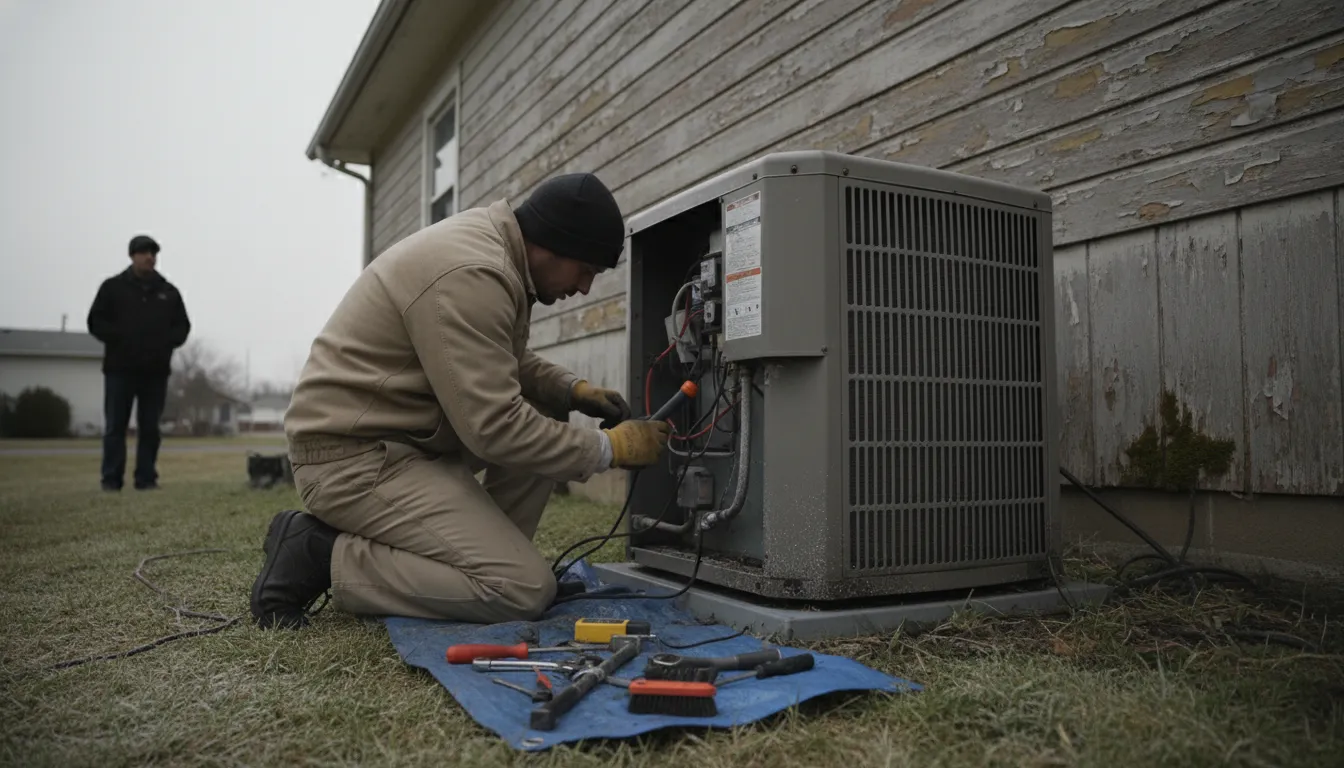
Find the Best Heat Pump Repair Contractors for Your Business
No obligation • Fast responses • Nationwide coverage

Why you can trust HVAC Firms
HVAC Firms is a leading United States resource for evaluating HVAC service providers. Our team researches companies, checks credentials, and reviews customer feedback to present clear, unbiased information. Listings and rankings are based on merit, and companies cannot pay to change our editorial content.
Search providers near you
Top Heat Pump Repair Contractors in Eagan, Minnesota Ranked
A heat pump is a versatile and efficient system that provides both heating and cooling for your home. When it malfunctions, it can disrupt your comfort and lead to higher energy bills. Finding a reliable technician for heat pump service in Eagan is crucial for restoring your system's performance and ensuring it operates efficiently through Minnesota's varied seasons. This guide will help you understand common repair issues, what to expect from a service visit, and how to connect with qualified local professionals to get your climate control back on track.
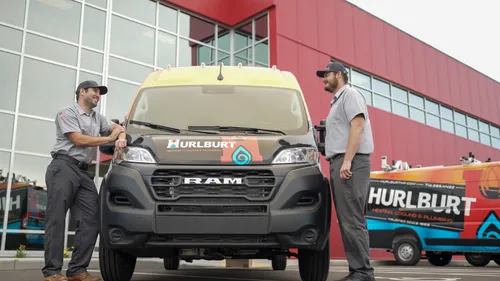
Hurlburt Heating & Plumbing
1000 County Rd E Suite 115, Shoreview, MN 55126
Hurlburt Heating & Plumbing is a family-owned home services provider serving Minneapolis, MN, and surrounding areas. Since 1959, they have offered a wide range of services including HVAC installation and repair, plumbing, and electrical work. Their HVAC services cover air conditioner and furnace repair, heat pump and mini split installation, indoor air quality solutions, and HVAC tune-ups. Hurlburt also provides whole-home air scrubbers, purifiers, humidifiers, and dehumidifiers to improve indoor air quality. With over six decades of experience, they combine modern technology with personalized service to address customer needs.
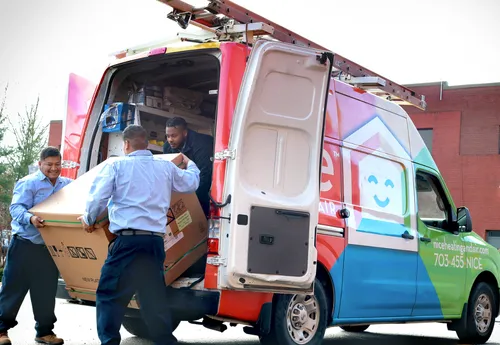
Nice Heating & Air
24 Onville Rd suite 101-9, Stafford, VA 22556
Nice Heating & Air is an HVAC company serving Minneapolis, MN, specializing in air conditioning, heating, and indoor air quality services. They provide installation, repair, and maintenance for systems including ductless mini splits, heat pumps, furnaces, and water heaters. The company has many years of experience and focuses on delivering high-quality products and services with a commitment to customer satisfaction. Their capabilities include HVAC tune-ups and indoor air quality improvements such as air purifier installation and ventilation services.
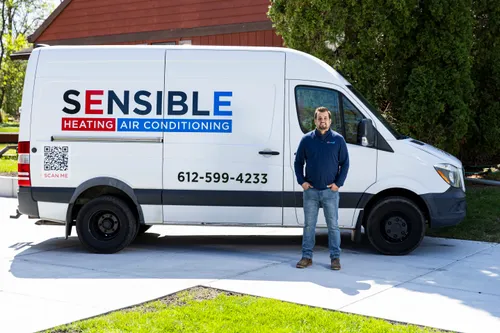
Sensible Heating and Air Conditioning
3533 Roosevelt St NE, St Anthony, MN 55418
Sensible Heating and Air Conditioning is a locally owned HVAC company serving Minneapolis, MN. They provide a range of services including air conditioning, furnace, and heat pump repair, installation, and tune-ups. With 16 years of experience, they focus on maintaining efficient and comfortable home environments through reliable HVAC solutions. Their expertise includes troubleshooting and installing all major brands to ensure energy-efficient performance throughout the year.

Pronto Heating and Air Conditioning - Minneapolis
7415 Cahill Rd, Minneapolis, MN 55439
Pronto Heating and Air Conditioning - Minneapolis is an HVAC company serving Minneapolis, MN, and nearby communities. They provide installation, repair, and maintenance for heating and cooling systems including furnaces, air conditioners, boilers, heat pumps, and ductless mini splits. The company is a Bryant Factory Authorized Dealer with expertise in indoor air quality solutions such as air purification and advanced thermostats. Pronto Heating and Air Conditioning offers emergency service with a commitment to respond within 24 hours and has a history of recognized performance as a multiple Bryant Dealer of the Year finalist and winner.
Stafford Home Service
6225 Cambridge St, Minneapolis, MN 55416
Stafford Home Service is a family-operated company based in Minneapolis, MN, offering residential HVAC and electrical services. They provide repairs, installations, and maintenance for heating and cooling systems including furnaces, heat pumps, boilers, mini-split systems, and air conditioning units. The company features licensed technicians with over 70 years of combined experience and emphasizes transparent pricing and customer satisfaction. Stafford Home Service also offers advanced HVAC solutions with Daikin products, known for energy efficiency and zoning capabilities. Since 2007, the company has continued a legacy of quality workmanship under current ownership. They serve Minneapolis and surrounding communities with a range of home comfort services.
Common Heat Pump Problems in Eagan Homes
Heat pumps work year-round, which can lead to specific wear-and-tear issues, especially in a climate with hot summers and cold winters. Recognizing the symptoms early can help you describe the problem more accurately to a technician. Here are the most frequent malfunctions homeowners encounter.
Reduced Heating or Cooling Output This is a classic sign that your system is struggling. You might notice it takes much longer to reach the thermostat setting, or the air from the vents doesn't feel as hot or cold as it should. The culprits are often simple, like a clogged air filter restricting airflow, or dirty indoor or outdoor coils that can't transfer heat effectively. More serious causes include low refrigerant levels due to a leak or issues with the fan motor.
System Runs But Doesn't Heat or Cool If the outdoor unit is running but not producing any conditioned air, it often points to a significant issue. A complete loss of refrigerant from a leak is a common cause, as the system has nothing to absorb or release heat. A major component failure, such as a faulty compressor or reversing valve, could also be to blame.
Short Cycling Short cycling occurs when your heat pump turns on and off in rapid succession, never completing a full cycle. This is hard on the equipment and inefficient. It can be triggered by an incorrectly calibrated thermostat, an oversized unit, or a system that's overheating due to dirty coils or low refrigerant.
Unusual Noises While heat pumps aren't silent, new or strange sounds are a red flag. Grinding often indicates motor bearing failure, squealing can point to a belt issue (in older models) or fan motor problem, and rattling may be caused by loose panels, debris in the outdoor unit, or unbalanced fan blades 1.
Ice Buildup in Winter Seeing ice on the coils during a Minnesota winter can be normal during the defrost cycle. However, excessive ice that doesn't melt away suggests a problem. This could be due to a malfunctioning defrost control board, sensor, or solenoid valve, low refrigerant, or blocked airflow caused by dirty filters or coils around the outdoor unit 2.
The Professional Repair Process: What to Expect
When you call for heat pump maintenance or repair, a certified technician will follow a systematic process to diagnose and resolve your issue. Understanding these steps can help you feel more informed and confident during the service visit.
Initial Consultation and Visual Inspection The technician will start by asking about the symptoms you've observed and checking the thermostat settings and power supply. A thorough visual inspection follows, examining the indoor air handler, outdoor condenser unit, refrigerant lines, and electrical connections for obvious signs of damage, dirt, or wear.
Comprehensive Diagnostic Testing This is the core of the repair process. Using specialized tools, the technician will measure key system parameters. They will check refrigerant pressures and temperatures to identify leaks or improper charge. Airflow across the coils will be measured, as improper airflow is a root cause of many efficiency and freezing problems. Electrical components like capacitors, contactors, and motors are tested for proper operation.
Troubleshooting and Diagnosis Based on the test results, the technician pinpoints the faulty component or system issue. They differentiate between, for example, a failed compressor and a bad start capacitor, or determine if a refrigerant leak is in the coils, lines, or a valve. A clear diagnosis is essential for an accurate repair plan.
Find the perfect heat pump repair contractors for your needs
Get personalized recommendations and expert advice
Repair Execution and System Verification For minor issues, the repair may be completed on the spot, such as replacing a capacitor, cleaning coils, or changing a filter. For major repairs like fixing a refrigerant leak or replacing a compressor, the technician will provide a detailed quote. Once repairs are made, the system is restarted and monitored to ensure it operates within manufacturer specifications, delivering the correct temperature rise or drop and stable pressures.
Repair Timelines and Cost Considerations
The time and cost for fixing your heat pump in Eagan depend heavily on the nature of the problem and part availability.
Typical Repair Timelines
- Basic Service & Minor Repairs: Tasks like correcting thermostat settings, resetting a tripped breaker, or replacing an air filter are often completed within 1-2 hours during a standard service visit.
- Coil Cleaning or Component Swap: Cleaning heavily soiled evaporator or condenser coils or replacing a fan motor or capacitor typically requires a half-day to a full day of work.
- Refrigerant Leak Repair: Fixing a leak involves locating it, repairing the joint or section, evacuating the system of air and moisture, and then recharging it with refrigerant. This process usually takes 1 to 2 days.
- Major Component Replacement: Replacing a compressor or a coil often requires special ordering of parts. The entire job, from diagnosis to final commissioning, can take between 1 and 5 days 3.
Understanding Repair Costs Costs in Eagan vary based on parts, labor, and the urgency of the service. A standard diagnostic or service call fee typically ranges from $100 to $250.
- Routine Maintenance/Cleaning: A professional coil cleaning service generally costs between $150 and $400.
- Common Electrical Parts: Replacing a start capacitor or contactor usually falls in the $200 to $400 range, including labor.
- Refrigerant Work: Repairing a leak and recharging the system is more involved, with costs ranging from $500 to over $1,500, depending on the leak's location and the amount of refrigerant needed 4 5.
- Major Mechanical Repairs: Replacing a fan motor can cost between $400 and $1,000. A compressor replacement is the most significant repair, often ranging from $1,500 to over $3,000 due to the cost of the part and the labor-intensive work required 6 7.
Maintaining Your Heat Pump to Avoid Repairs
Proactive maintenance is the best way to minimize the need for repairs and extend the life of your system. A well-maintained heat pump runs more efficiently, saving you money on energy bills.
Homeowner Maintenance Tasks You can perform a few simple tasks regularly. Change or clean your system's air filter every 1-3 months, or more often if you have pets or allergies. This is the single most important thing you can do to protect your equipment. Keep the area around your outdoor unit clear of leaves, grass clippings, shrubs, and snow (at least 2 feet of clearance). Ensure indoor vents are not blocked by furniture or curtains.
Professional Annual Tune-Ups Schedule a professional inspection and tune-up at least once a year, ideally in the spring before the cooling season. During this visit, a technician will perform tasks beyond a homeowner's scope: cleaning the indoor and outdoor coils, checking refrigerant charge, tightening electrical connections, lubricating moving parts (if applicable), testing system controls and the defrost cycle, and verifying safe operation 8 9. This preventative service can catch small issues before they turn into expensive breakdowns.
Choosing a Service Provider in Eagan
Selecting the right company for your heat pump installation or repair is important. Look for a licensed, bonded, and insured contractor with specific experience in heat pump technology. Check for certifications from organizations like NATE (North American Technician Excellence), which indicate advanced training. Read online reviews and ask for references to gauge reputation and customer service. A trustworthy technician will provide a clear, written estimate before beginning any major work and will be willing to explain the diagnosis and repair options in understandable terms.
Frequently asked questions
Sources
Footnotes
-
How Do I Know If My Heat Pump Is Working Correctly in the Winter? - https://brodypennell.com/how-do-i-know-if-my-heat-pump-is-working-correctly-in-the-winter/ ↩
-
Heat Pump Troubleshooting: 11 Heat Pump Issues & Their Fixes - https://cielowigle.com/blog/heat-pump-troubleshooting/ ↩
-
HVAC Troubleshooting Guide: Step-by-Step Solutions Made Easy - https://projecthvac.com/2026/01/07/hvac-troubleshooting-guide-step-by-step/ ↩
-
Heat Pump Repair in Eagan, Minnesota - Better Air - https://www.betterairinc.com/locations/eagan/heat-pump-repair-eagan/ ↩
-
Common HVAC Troubleshooting Scenarios: A Technician's Guide - https://www.servicetitan.com/blog/hvac-troubleshooting-scenarios ↩
-
Heat Pump Service | Heat Pump Repair - Bob Boldt HVAC - https://www.bobhvac.com/heat-pump-services/ ↩
-
Eagan HVAC Air Conditioner & Heater Repair - https://ontimeservicepros.com/eagan-heating-cooling/ ↩
-
10 Things That Should be Included in a Heat Pump Inspection - https://iaqcolorado.com/blog/10-things-that-should-be-included-in-a-heat-pump-inspection/ ↩
-
Operating and Maintaining Your Heat Pump | Department of Energy - https://www.energy.gov/energysaver/operating-and-maintaining-your-heat-pump ↩