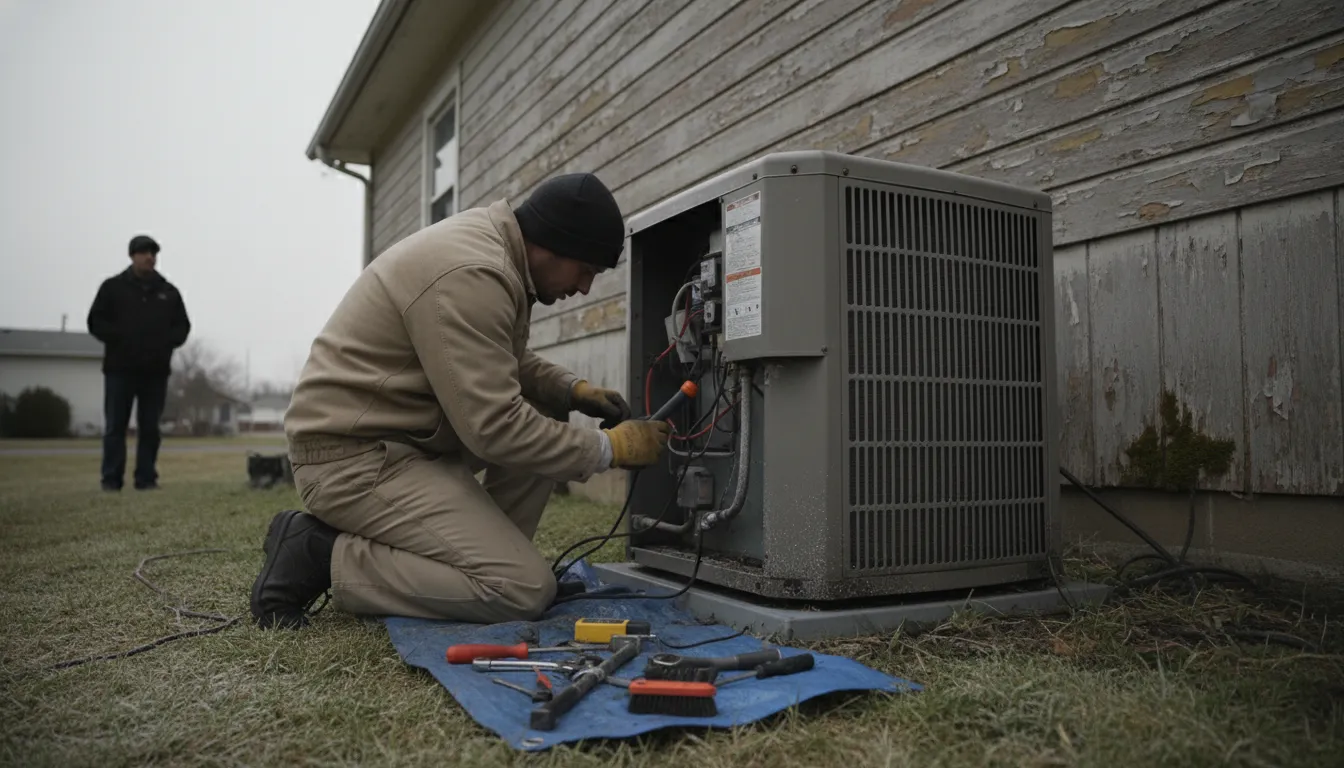
Find the Best Heat Pump Repair Contractors for Your Business
No obligation • Fast responses • Nationwide coverage

Why you can trust HVAC Firms
HVAC Firms is a leading United States resource for evaluating HVAC service providers. Our team researches companies, checks credentials, and reviews customer feedback to present clear, unbiased information. Listings and rankings are based on merit, and companies cannot pay to change our editorial content.
Search providers near you
Best Heat Pump Repair Contractors in Michigan Ranked
A heat pump is a versatile and efficient system for both heating and cooling your Michigan home. However, like any complex mechanical system, it can experience problems, especially given our state's challenging climate. When your heat pump malfunctions, it leads to discomfort, rising energy bills, and potential system damage. This guide explains common heat pump issues in Michigan, typical repair solutions, and how to find qualified local professionals to restore your home's comfort efficiently.
Downriver Climate Control, LLC
3336 Charles St, Trenton, MI 48183
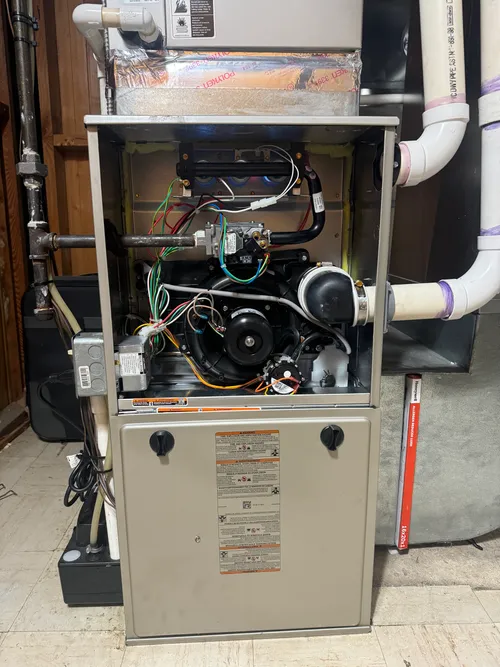
Downriver Climate Control, LLC provides heating, ventilation, and air conditioning services in Detroit, MI. They offer installation, repair, and maintenance for air conditioners, furnaces, heat pumps, and boilers. The company also focuses on improving indoor air quality. Their experienced team serves residential and commercial customers with personalized HVAC solutions.
Airman Heat & Air LLC
5129 8 Mile Rd, Warren, MI 48091
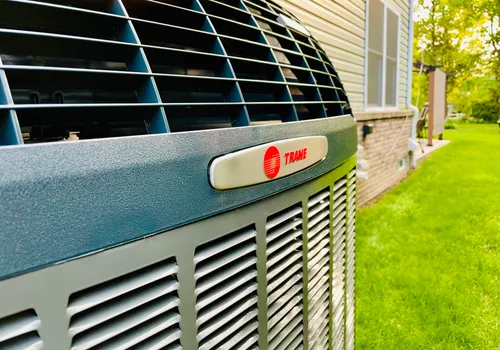
Airman Heat & Air LLC is a family-owned HVAC company serving Detroit, MI. They provide residential and commercial heating and cooling services, including installation and repair of air conditioners, furnaces, and heat pumps. The company uses factory-authorized brand name equipment and offers a labor warranty alongside the manufacturer's warranty. Established in 2001, Airman Heat & Air LLC emphasizes professionalism and a personalized approach to customer service.
Quality Air Control Heating & Cooling
18421 Valleyview St, Riverview, MI 48193
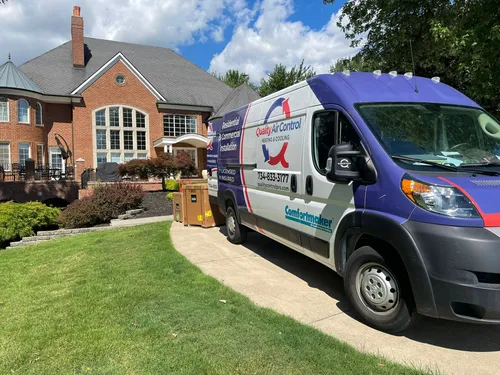
Quality Air Control Heating & Cooling is an HVAC company based in Detroit, MI, serving Downriver, Wayne County, and nearby areas. They offer a full range of heating and cooling services including AC repair and installation, furnace repair and installation, heat pump repair, mini split installation, duct cleaning, and indoor air quality solutions. With over 20 years of experience, the company handles both residential and commercial projects and is licensed, insured, and EPA certified.
Temperature Repair
Detroit, MI
Temperature Repair is an HVAC contractor based in Detroit, MI, serving Troy and nearby communities. They provide a range of heating and cooling services including AC repair, furnace repair and installation, heat pump repair, thermostat installation, HVAC tune-ups, and indoor air quality improvements. The company supports central air, ductless systems, and high-efficiency units to help maintain home comfort and safety throughout the year.
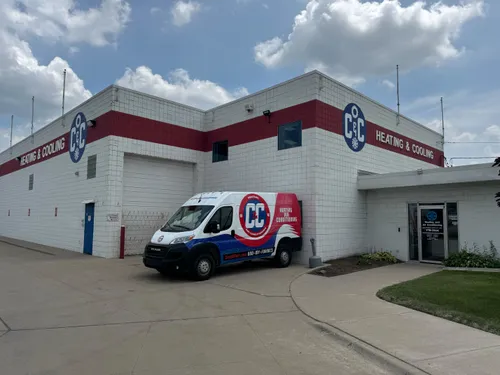
C & C Heating & Air Conditioning
29420 Groesbeck Hwy, Roseville, MI 48066
C & C Heating & Air Conditioning is an HVAC company based in Detroit, MI, offering a full range of heating and cooling services. They install and repair air conditioners, furnaces, heat pumps, and indoor air quality products from major manufacturers like Carrier, Lennox, and Trane. The company also provides humidifiers, generators, hot water heaters, and advanced air purification systems including UV lamps and germicidal lights. Their technicians are trained to handle installation and repair for all makes and models, ensuring comprehensive indoor air control solutions.
Understanding Michigan's Climate and Your Heat Pump
Michigan's weather presents unique challenges for heat pump systems. While modern cold-climate heat pumps are designed to operate efficiently in low temperatures, the combination of extreme cold, humidity, and frequent temperature fluctuations can stress components. Winters often lead to ice buildup on the outdoor unit, while summers test the system's cooling capacity. Understanding these environmental factors is key to diagnosing why a problem may have occurred and preventing future issues. Regular maintenance tailored to our seasonal shifts is the best defense against unexpected breakdowns.
Common Heat Pump Problems in Michigan
Recognizing the symptoms of a failing heat pump is the first step toward a solution. Here are the most frequent issues reported by Michigan homeowners.
Ice Buildup on the Outdoor Unit
During cold, humid Michigan winters, it's normal to see some frost on the outdoor coil. However, a thick layer of ice that doesn't melt during the defrost cycle indicates a problem. Ice buildup stresses the system, reduces efficiency, and can cause complete failure. Common causes include a malfunctioning defrost control board, low refrigerant levels, dirty coils, or a faulty reversing valve.
Reduced Heating or Cooling Capacity
You may notice the system is running constantly but not reaching the thermostat set point, or that some rooms are colder than others in winter (or warmer in summer). This performance drop, particularly noticeable during extreme cold snaps, can stem from dirty air filters, blocked coils, refrigerant leaks, or an undersized unit struggling with Michigan's temperature extremes. In some cases, it may signal the need for supplemental backup heat or a system assessment 1.
Short Cycling
Short cycling occurs when the heat pump turns on and off rapidly in short bursts. This not only fails to heat or cool your home but also causes excessive wear on the compressor and drives up energy costs. This issue is often triggered by an oversized unit, a dirty air filter, a faulty thermostat, low refrigerant, or a problem with the capacitor or electrical connections 2.
Unusual Noises
Heat pumps should operate relatively quietly. New or loud noises are a clear sign of trouble:
- Grinding or Squealing: Often points to a failing motor or blower assembly bearings.
- Buzzing: Can indicate an electrical issue, such as a failing contactor, loose wiring, or a problematic capacitor.
- Rattling: May be caused by loose panels, debris in the outdoor unit, or a failing compressor 3.
- Hissing or Bubbling: This can be a serious sign of a refrigerant leak, which requires immediate professional attention.
High Energy Bills
A sudden, unexplained increase in your monthly energy bills is often one of the first signs of an inefficiently operating heat pump. The system may be working harder due to a minor issue like a dirty filter or a more significant problem like refrigerant loss or component failure 4.
Find the perfect heat pump repair contractors for your needs
Get personalized recommendations and expert advice
Diagnostic Checks You Can Perform
Before calling a professional, you can safely perform a few basic checks that might resolve simple issues.
- Thermostat Settings: Ensure the thermostat is set to "HEAT" (or "COOL" in summer) and the temperature setting is above (or below) the current room temperature. Verify that "EMERGENCY HEAT" is turned off, as running in this mode is inefficient and costly.
- Air Filters: A clogged air filter is a leading cause of reduced airflow, ice buildup, and system strain. Check your filter monthly and replace it if it's dirty 5.
- Circuit Breakers: Check your home's electrical panel. A tripped breaker for the indoor air handler or outdoor condenser unit will shut the system down. Reset any tripped breakers.
- Outdoor Unit: Ensure the outdoor condenser is clear of leaves, grass, snow, and debris. Maintain at least two feet of clear space around it for proper airflow.
- Vents and Registers: Make sure all supply and return vents inside your home are open and unblocked by furniture, rugs, or curtains.
Important Safety Note: Never attempt to check refrigerant levels or repair electrical components yourself. These tasks require specialized tools, training, and certifications due to safety hazards and environmental regulations.
Professional Repair Process and Costs
When basic troubleshooting doesn't solve the problem, a certified technician will perform a systematic diagnosis. They will check electrical components (capacitors, contactors, wiring), measure refrigerant pressure and levels, inspect coils and the compressor, and test the defrost cycle and reversing valve operation.
Repair costs in Michigan vary based on the part needed, labor time, and the system's accessibility. Here is a general overview of common repair cost ranges:
- Minor Repairs ($150 - $650): This range typically includes replacing a faulty capacitor or contactor, installing a new thermostat, or performing a basic electrical repair. Cleaning severely dirty coils may also fall into this category.
- Mid-Range Repairs ($650 - $1,500): Repairs such as fixing a refrigerant leak (which includes locating the leak, repairing it, and recharging the system), replacing a fan motor, or installing a new defrost or control board often fall within this bracket 6.
- Major Repairs ($1,500 - $3,500+): The most expensive repairs involve the system's core components. Replacing a compressor or reversing valve is labor-intensive and costly. In many cases, especially for older units, the cost of a major repair may approach or exceed the value of the system, making replacement a more economical long-term choice 7 8.
When to Consider Repair vs. Replacement
Deciding whether to repair or replace your heat pump involves several factors:
- Age of System: If your heat pump is over 10-15 years old, replacement may be more cost-effective, especially with a major repair.
- Repair Cost: A common rule of thumb is to consider replacement if the repair cost exceeds 50% of the value of a new system.
- Frequency of Repairs: If you're calling for repairs multiple times a year, you're investing in a failing system.
- Energy Efficiency: Newer cold-climate heat pumps are significantly more efficient than models from a decade ago. Upgrading can lead to substantial savings on your Michigan heating and cooling bills.
- R-22 Refrigerant: If your older system uses R-22 (Freon) and has a leak, repair may be prohibitively expensive due to the high cost and phased-out status of this refrigerant.
A reputable technician can provide a detailed cost-benefit analysis to help you make an informed decision.
Maintaining Your Heat Pump for Michigan Winters
Proactive maintenance is the best way to avoid costly repairs and ensure efficient operation. Schedule a professional tune-up twice a year-ideally in the fall before heating season and in the spring before cooling season. This service typically includes cleaning coils, checking refrigerant levels, tightening electrical connections, lubricating moving parts, and testing system controls. Between professional visits, remember to change your air filters regularly and keep the outdoor unit clear.
Frequently asked questions
Sources
Footnotes
-
Heat Pump Repair Michigan | Cregger - https://www.creggerplumbing.com/heating/heat-pump-repair/ ↩
-
Heat Pump Repair Services in Ann Arbor, MI | HVAC - https://www.koch-white.com/heat-pumps/repair/ ↩
-
Heat Pump Troubleshooting: 11 Heat Pump Issues & Their Fixes - https://cielowigle.com/blog/heat-pump-troubleshooting/ ↩
-
5 Common Causes of HVAC Breakdowns & How To Prevent Them - https://www.moncriefair.com/blog/5-causes-of-hvac-breakdowns-and-how-to-prevent-them ↩
-
Heat pump not heating: 5 Quick Fixes - Southern Air - https://www.southern-air.com/blog/heat-pump-not-heating ↩
-
Heat Pump Repair: Common Issues and Solutions - https://www.climatecontrolkc.com/blog/heat-pumps/issues-with-heat-pump-repair/ ↩
-
Heat Pump Repair Cost in 2025: Average Prices & Common Fixes - https://modernize.com/hvac/heating-repair-installation/heat-pump/repair-cost ↩
-
Average HVAC Repair Costs vs. Replacement Costs in 2025 - https://thefurnaceoutlet.com/blogs/news/average-hvac-repair-costs-vs-replacement-costs-in-2025 ↩