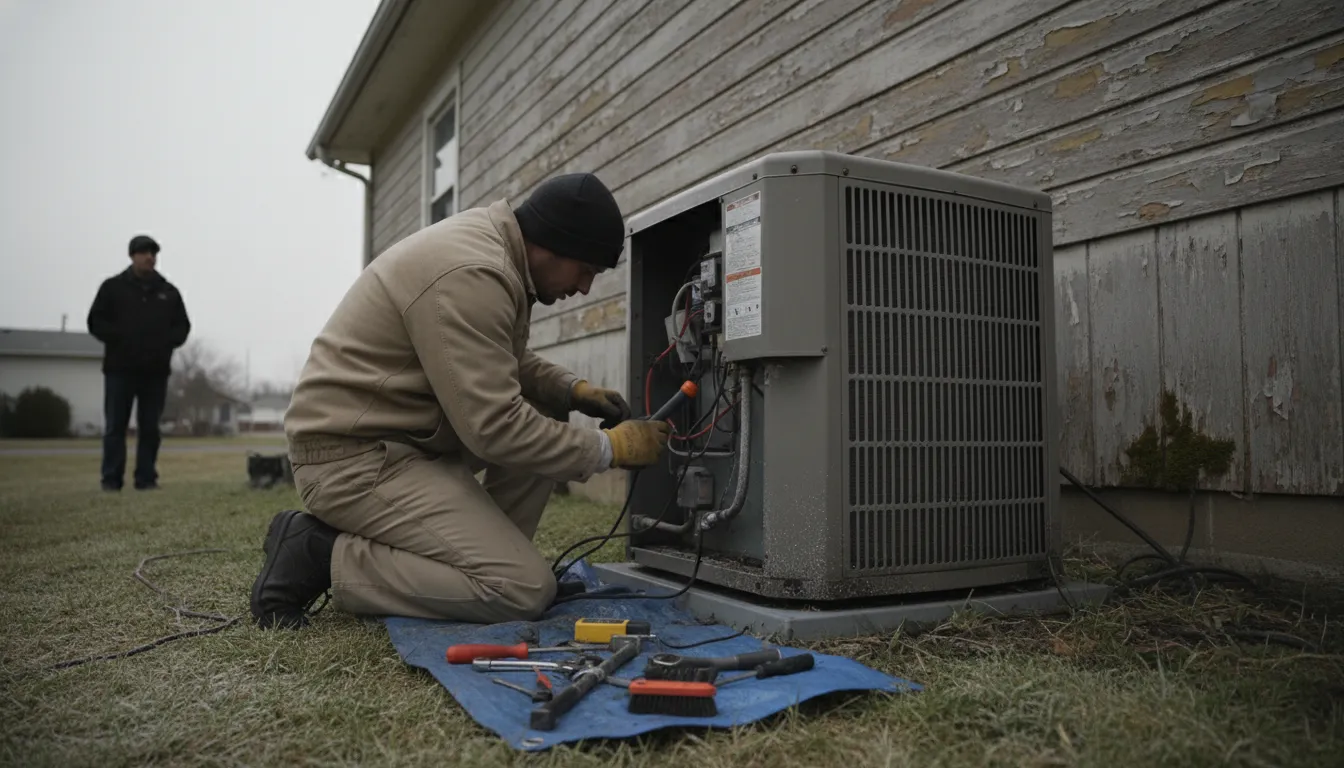
Find the Best Heat Pump Repair Contractors for Your Business
No obligation • Fast responses • Nationwide coverage

Why you can trust HVAC Firms
HVAC Firms is a leading United States resource for evaluating HVAC service providers. Our team researches companies, checks credentials, and reviews customer feedback to present clear, unbiased information. Listings and rankings are based on merit, and companies cannot pay to change our editorial content.
Search providers near you
Best Heat Pump Repair Contractors in Maryland Ranked
A heat pump is a versatile, energy-efficient system that provides both heating and cooling for your Maryland home. When it malfunctions, it can compromise your comfort and lead to higher energy bills. This guide explains common heat pump problems in the state, typical repair processes, and cost considerations, helping you understand your system and make informed decisions when service is needed.
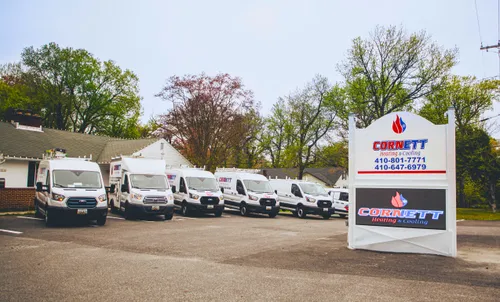
Cornett Heating & Cooling
104 Ritchie Hwy, Pasadena, MD 21122
Cornett Heating & Cooling is a family-owned HVAC company serving Baltimore, MD, and Anne Arundel County. Established in 1991, the company provides installation, repair, and maintenance services for air conditioning, furnaces, heat pumps, boilers, and other HVAC systems. They specialize in working with a variety of makes and models, including Bosch units, and offer comprehensive HVAC tune-up services. The business is led by Josh Cornett, who took over the family operation in 2016, continuing a legacy of skilled service and local expertise.

Bayside
836 Ritchie Hwy suite 10 r, Severna Park, MD 21146
Bayside is an HVAC company serving Baltimore, MD, specializing in air conditioning, furnace, and heat pump repair and installation. They offer comprehensive HVAC tune-up services to maintain system efficiency. With decades of combined technician experience, Bayside focuses on accurate diagnostics and lasting repairs. Their approach emphasizes quality work done right the first time and clear communication with customers.
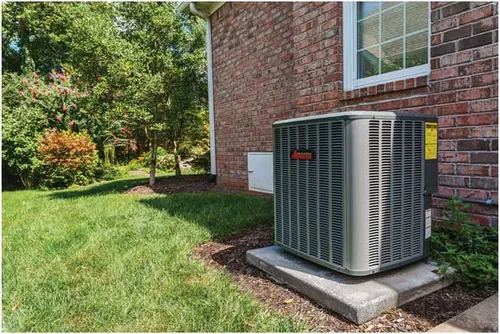
Paramount Heating & Air Conditioning LLC
4 Nashua Ct Bay 16, Baltimore, MD 21221
Paramount Heating & Air Conditioning LLC is a locally owned and family operated HVAC company serving Baltimore, MD. They provide repair services for air conditioning, furnaces, heat pumps, and boilers. With over 30 years of experience, Paramount Heating & Air Conditioning has been serving the Baltimore area since 2008.
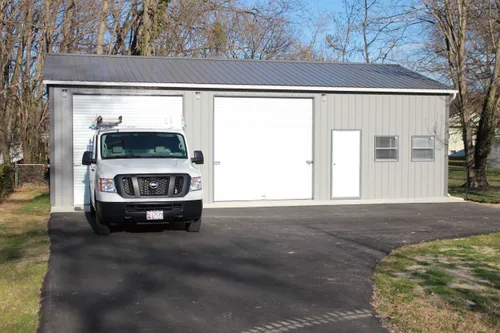
Elite Air Solutions, LLC-MD
1320 Innovation St Suite H, Baltimore, MD 21220
Elite Air Solutions, LLC-MD is an HVAC company serving Baltimore, MD, and central Maryland. They provide installation, repair, and maintenance services for air conditioning, furnaces, heat pumps, ductless units, and full duct systems. The company works with all major brands and offers preventive maintenance, new installations, and duct testing. Elite Air Solutions is available 24/7 to assist customers and aims to provide comfort in any weather condition.
Cozy Heating & Cooling, LLC
4420 Hillside Ave, Baltimore, MD 21229
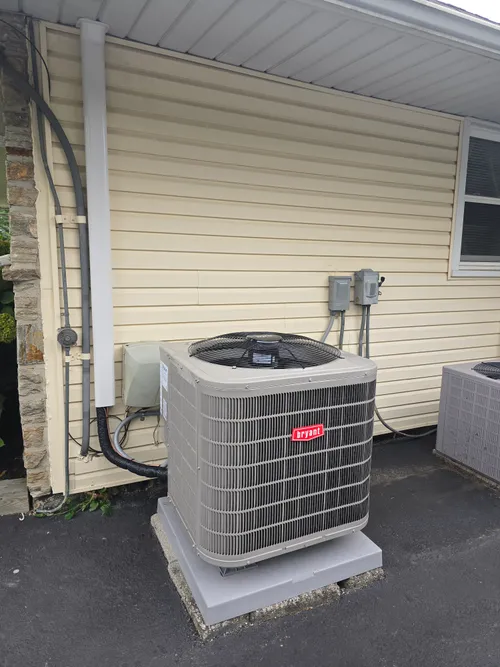
Cozy Heating & Cooling, LLC is an HVAC company based in Baltimore, MD, specializing in air conditioning, heating, and indoor air quality services. They provide repair, installation, and maintenance for various systems including heat pumps, gas and electric furnaces, and air conditioners. As an authorized Bryant factory dealer, they focus on high-quality, energy-efficient products and offer services such as air cleaners and humidifiers to improve indoor air quality.
How Maryland's Climate Affects Heat Pumps
Maryland's weather presents unique challenges for heat pump systems. The state experiences humid summers and cold, damp winters, which can stress components and lead to specific failures.
- Humidity & Icing: High humidity during summer operation and cold, damp air in winter can lead to frozen evaporator coils or defrost cycle malfunctions. When the system cannot properly defrost, ice buildup severely restricts airflow and cripples heating efficiency.
- Temperature Swings: Rapid shifts between mild and bitterly cold weather are common. These swings can cause the system to "short cycle"-turning on and off frequently-which strains electrical components and the compressor, demanding more from the entire system 1.
Understanding these environmental stressors is the first step in recognizing why a repair might be necessary.
Common Signs Your Heat Pump Needs Repair
Catching problems early can prevent minor issues from becoming major, costly repairs. Be alert for these warning signs:
- Inadequate Heating or Cooling: The system runs constantly but cannot reach the thermostat's set temperature. This is a primary indicator of reduced capacity.
- Weak Airflow: Lukewarm air from the vents, especially during extreme cold or heat, suggests a problem with the fan, ductwork, or a blockage.
- Ice on the Outdoor Unit: While some frost is normal during defrost cycles, a thick coating of ice on the coils or entire unit indicates serious airflow or refrigerant issues.
- Unusual Noises: Grinding, rattling, or buzzing sounds point to mechanical failures in the fan motor, loose components, or electrical issues.
- Short Cycling: The unit turns on and off more frequently than usual, which wastes energy and wears out components.
- Unexplained High Energy Bills: A sudden spike in your electricity bill often signals that your heat pump is working harder due to an underlying efficiency problem.
Typical Heat Pump Repairs and Costs in Maryland
Repair costs can vary widely based on the specific part, labor rates in your area, and the age of your unit. Here's a general breakdown of common repairs:
- Minor Repairs ($150 - $500): This range often covers thermostat recalibration or replacement, sensor replacements, contactor repairs, and minor refrigerant top-offs (after a leak is located and sealed) 2.
- Moderate Repairs ($500 - $1,500): This tier includes replacing failed capacitors, fixing significant refrigerant leaks, cleaning severely dirty coils, or replacing the reversing valve-a critical component for switching between heating and cooling modes.
- Major Repairs ($1,500 - $3,500+): The most expensive repairs involve replacing the compressor or the indoor or outdoor coils. At this price point, it's crucial to weigh the cost against the age and value of your existing system, as a full replacement may be a more cost-effective long-term solution 3.
Find the perfect heat pump repair contractors for your needs
Get personalized recommendations and expert advice
Key Components and What Can Go Wrong
Understanding a few essential parts can help you communicate more effectively with a service technician.
- Thermostat: Often the simplest fix. Issues include incorrect settings, dead batteries, or a failure to communicate properly with the heat pump. Always check the thermostat first if the system is unresponsive.
- Reversing Valve: This valve changes the direction of refrigerant flow to switch between heating and cooling. When it fails, your system may be stuck in one mode or not work at all. It's a complex repair but a common failure point.
- Capacitors: These cylindrical electrical components provide the jolt of energy needed to start the compressor and fan motors. A failed capacitor will prevent these motors from starting, often resulting in a humming sound without operation.
- Coils & Air Filters: The evaporator and condenser coils are where heat exchange occurs. When combined with a dirty air filter, dirt and debris on these coils restrict airflow. This is a leading cause of freezing and a significant drop in system efficiency 4 5. Regular filter changes are the easiest form of preventative maintenance.
The Diagnostic and Repair Process
When you call for service, a qualified technician will typically follow a systematic process:
- Initial Assessment: They will discuss the symptoms with you, check the thermostat, and listen for unusual noises during startup and operation.
- Visual Inspection: The technician will inspect both the indoor and outdoor units for obvious issues like ice buildup, debris blockage, damaged fan blades, or signs of refrigerant leaks (oil stains).
- Electrical Testing: Using a multimeter, they will test capacitors, contactors, and other electrical components for proper voltage and operation.
- Refrigerant and Airflow Checks: They will measure refrigerant pressure and temperature to determine if the system is properly charged. Airflow from vents will be checked to ensure it meets specifications.
- Diagnosis and Recommendation: After identifying the root cause, the technician should explain the problem, present repair options, provide a detailed estimate, and discuss whether repair or replacement is the most prudent choice.
Preventative Maintenance Tips
Proactive care can extend your heat pump's life and minimize repair needs.
- Change Air Filters Regularly: Replace 1-inch filters every 1-3 months. This is the single most important task a homeowner can do.
- Keep the Outdoor Unit Clear: Maintain at least two feet of clear space around the outdoor condenser. Remove leaves, grass clippings, and snow to ensure proper airflow.
- Schedule Annual Professional Service: A yearly tune-up before peak heating or cooling season should include coil cleaning, electrical connection checks, refrigerant level inspection, and a full system performance test.
Frequently asked questions
Sources
Footnotes
-
Heat Pump Repair - BPM Heating, Cooling & Plumbing - https://bpmhvac.com/heat-pump-repair/ ↩
-
Heat pump not heating: 5 Quick Fixes - Southern Air - https://www.southern-air.com/blog/heat-pump-not-heating ↩
-
Heat Pump Repair Costs and HVAC Pricing Variables in MD - https://ambientcoolingandheating.com/2024/01/22/how-much-does-heat-pump-repair-cost-in-maryland-homes/ ↩
-
Heat Pump Troubleshooting: 11 Heat Pump Issues & Their Fixes - https://cielowigle.com/blog/heat-pump-troubleshooting/ ↩
-
5 Common Causes of HVAC Breakdowns & How To Prevent Them - https://www.moncriefair.com/blog/5-causes-of-hvac-breakdowns-and-how-to-prevent-them ↩