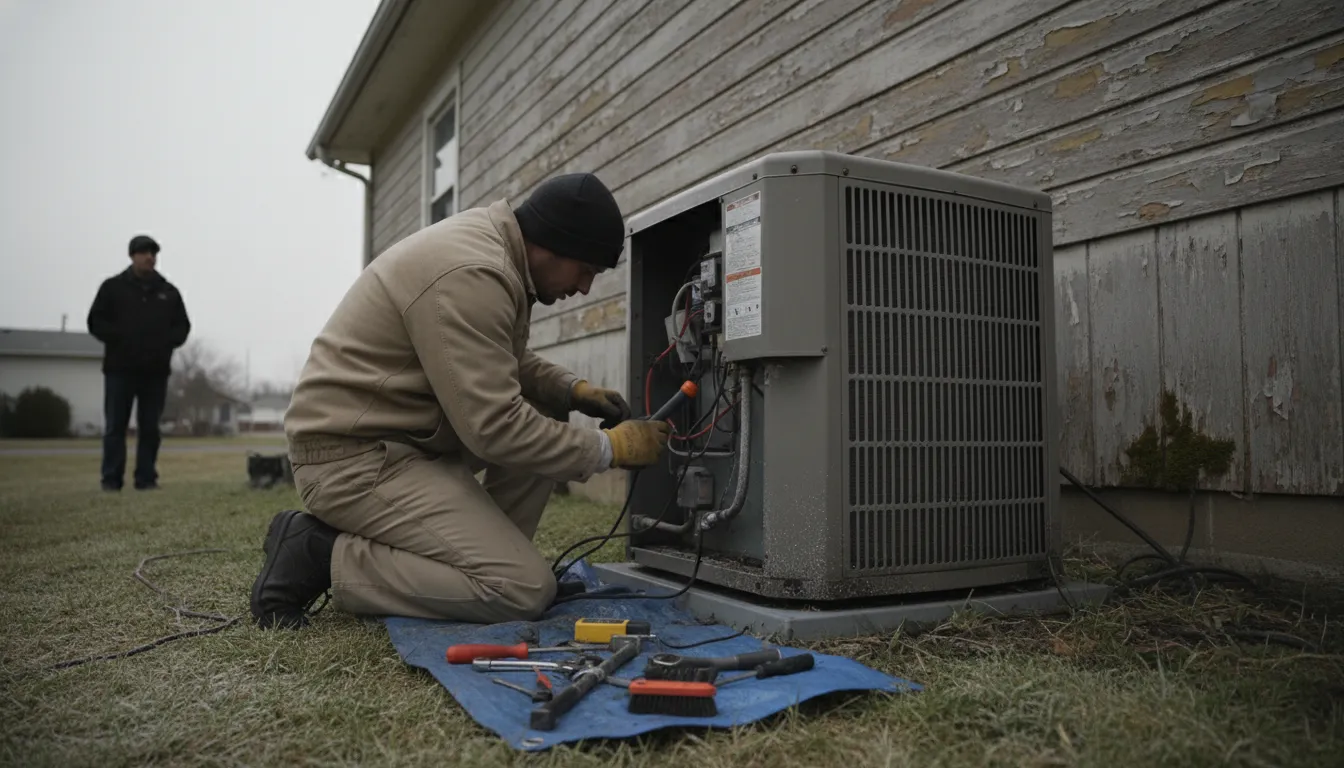
Find the Best Heat Pump Repair Contractors for Your Business
No obligation • Fast responses • Nationwide coverage

Why you can trust HVAC Firms
HVAC Firms is a leading United States resource for evaluating HVAC service providers. Our team researches companies, checks credentials, and reviews customer feedback to present clear, unbiased information. Listings and rankings are based on merit, and companies cannot pay to change our editorial content.
Search providers near you
Top Heat Pump Repair Contractors in Quincy, Massachusetts Ranked
When your heat pump starts acting up in Quincy, it's more than an inconvenience-it's a threat to your home's comfort and energy efficiency. Heat pump service and repair are essential for maintaining a reliable heating and cooling system, especially given our New England climate swings. This guide explains common heat pump problems, typical repair processes, and associated costs, helping you understand what to expect and how to connect with qualified local technicians for your HVAC needs.
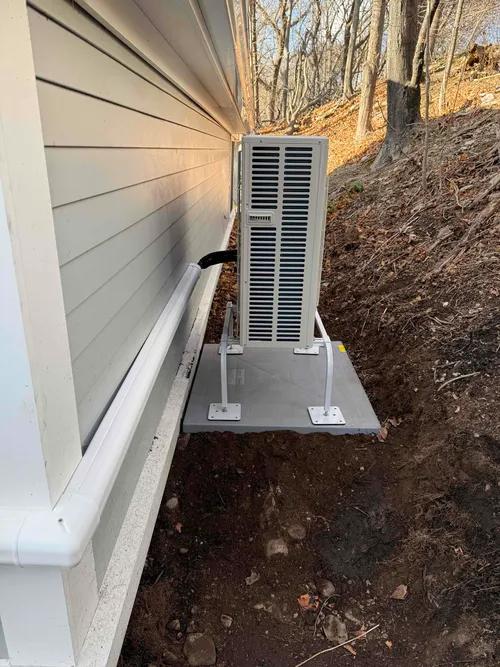
Yellow Dog Plumbing, Heating & Cooling
19 Kearney Rd, Needham, MA 02494
Yellow Dog Plumbing, Heating & Cooling is a plumbing and HVAC company serving Boston, MA, and nearby areas. They offer a wide range of services including air conditioning, furnace, heat pump, and boiler repair and installation, as well as HVAC tune-ups and indoor air quality solutions. Their technicians are equipped to handle both residential and light commercial HVAC needs, with well-stocked trucks to complete most repairs on the first visit. Yellow Dog emphasizes clear communication and customer care, providing same-day service and 24/7 live answering to support their clients' comfort and safety.
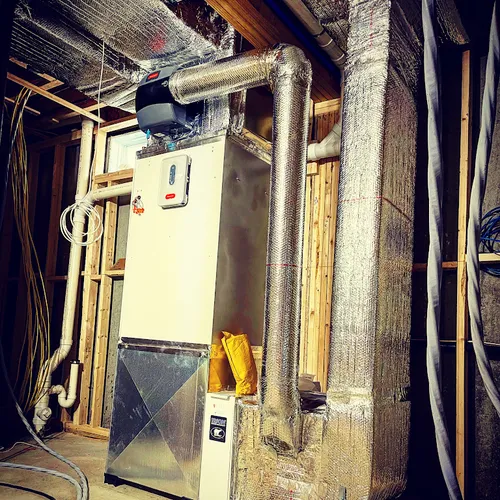
EML Mechanical
28 Pine St, Stoneham, MA 02180
EML Mechanical is an HVAC company serving Boston, MA, and the Greater Northshore Community. They provide residential and commercial heating, ventilation, and air conditioning services, including installation, repair, and tune-ups for systems like furnaces, heat pumps, and air conditioners. EML Mechanical is a MassSave-approved contractor, offering access to energy efficiency rebates and financing options. Their services also include indoor air quality solutions and thermostat installation. The company emphasizes integrity, expertise, and customer-focused service, with 24/7 emergency support available through their service membership plans.
Royal Air Systems, Inc.
210 Main St, North Reading, MA 01864
Royal Air Systems, Inc. is an HVAC company serving Boston, MA, and the surrounding North Shore communities. They offer a wide range of services including repair and installation of air conditioners, furnaces, heat pumps, and boilers. The company is known for its expertise in heat pump systems, providing flexible heating and cooling solutions that adapt to seasonal changes. Established in 1980, Royal Air Systems has over 46 years of experience in the HVAC industry. They also provide emergency after-hours service for heating repairs.
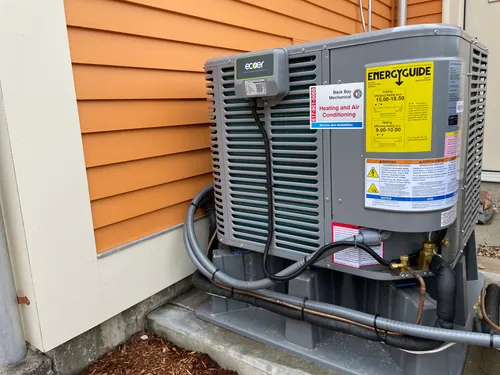
Back Bay Mechanical AC Repair & Heating
654 Washington St, Braintree, MA 02184
Back Bay Mechanical AC Repair & Heating is a licensed and insured HVAC company serving Boston, MA. They provide a range of services including furnace, heat pump, boiler, and water heater repair, as well as AC installation and duct cleaning. Their technicians evaluate all furnace components such as the combustion chamber, burners, heat exchanger, and thermostat to ensure safe and efficient operation. The company is recognized for its thorough maintenance plans and does not push unnecessary repairs or replacements. They offer emergency service and cover multiple Boston neighborhoods and surrounding areas.
CMS Plumbing, Heating, and Cooling
210 Andover St, Wilmington, MA 01887
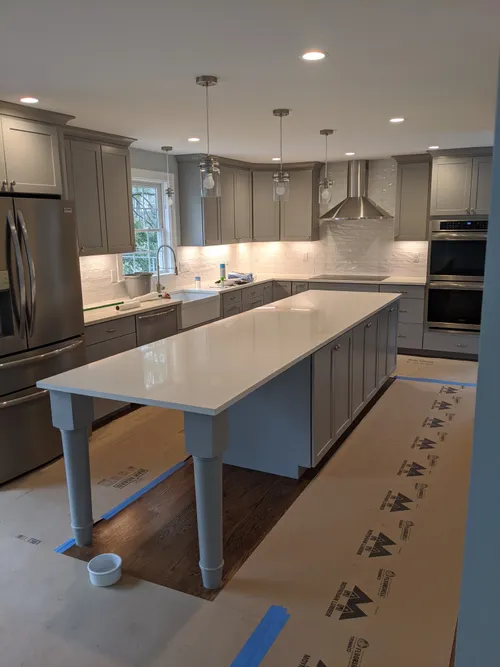
CMS Plumbing, Heating, and Cooling is a family-owned business serving Boston, MA, since 1976. They provide a range of services including installation, repair, and maintenance for HVAC systems such as air conditioners, furnaces, heat pumps, and boilers, along with plumbing and water treatment solutions. CMS offers expertise in HVAC tune-ups and indoor air quality services, ensuring customers receive informed guidance on their home comfort needs. The company is known for offering one of the industry's longest warranties on HVAC equipment and flexible financing options.
Common Heat Pump Problems in Quincy Homes
Heat pumps are complex systems, and several issues can arise, particularly with age or lack of maintenance. Understanding these common failures can help you identify when it's time to call for professional heat pump service.
- Thermostat and Sensor Glitches: One of the most frequent culprits for inconsistent temperatures is a faulty thermostat or sensor. This can cause your system to short-cycle or fail to reach the set temperature. Repairing or replacing these components is often a relatively quick and lower-cost fix.
- Refrigerant Leaks: The refrigerant is the lifeblood of your heat pump, responsible for transferring heat. Leaks are common in older units and lead to a significant drop in heating or cooling performance. A technician must locate the leak, repair it, and then recharge the system to the proper level.
- Electrical Faults: Components like capacitors, contactors, and wiring can fail. A failing capacitor, for instance, might prevent the compressor or fan motor from starting, often signaled by a humming sound or a tripped circuit breaker. Electrical diagnostics are a standard part of any repair visit.
- Compressor Failure: The compressor is the heart of the heat pump. Its failure is the most serious and expensive repair, often resulting from prolonged strain due to dirty coils, low refrigerant, or simply old age. When a compressor fails, the system will not heat or cool effectively.
- Dirty Filters and Coils: While simple, this is a leading cause of reduced efficiency and system shutdowns. Restricted airflow from a clogged filter forces the system to work harder, leading to overheating and potential component failure. This is an easy issue for homeowners to prevent with regular maintenance.
What to Expect During a Professional Service Visit
When you schedule a heat pump repair in Quincy, a certified technician will follow a systematic process to diagnose and resolve your issue. This ensures nothing is overlooked and your system is restored to optimal operation.
1. Comprehensive Inspection The visit begins with a visual inspection. The technician will check for obvious signs of wear, examine the filters for blockages, look for obstructions around indoor and outdoor units, and note any unusual noises or ice buildup.
2. Detailed Diagnostics Using specialized tools, the technician will perform electrical tests to check connections, voltages, and the health of components like capacitors. They will measure refrigerant pressures to determine if the charge is correct or if a leak is present. Airflow will be verified, and the coils will be inspected for dirt accumulation that impedes heat transfer 1.
3. Repair and Maintenance Execution Based on the findings, the technician will proceed with the necessary repairs. This could involve cleaning the evaporator and condenser coils, lubricating moving parts, sealing minor duct leaks, recharging refrigerant after fixing a leak, or replacing failed components such as sensors, capacitors, or contactors 2. For major issues like a compressor failure, they will discuss replacement options with you.
Repair Timelines and Cost Considerations
The time and cost for heat pump fixes in Quincy vary significantly based on the problem's complexity and the parts required.
Typical Repair Timelines:
- Minor Issues: Repairs like replacing a thermostat, sensor, or capacitor, or performing a routine cleaning, are often completed within 1 to 3 hours 3.
- Complex Repairs: Addressing refrigerant leaks or replacing major components like a compressor or reversing valve takes longer. While the diagnostic process is thorough, a skilled technician works efficiently to complete even major part replacements in a single day when possible 4.
Understanding Repair Costs: Costs can range from a minor service call to a major investment, largely dependent on the failed part and labor involved. It's common for companies to charge a diagnostic or service call fee, typically between $100 and $200, which is often applied toward the repair cost.
- Capacitor Replacement: A common electrical fix, usually costing between $150 and $450 for parts and labor.
- Refrigerant Recharge and Leak Repair: This service, which includes leak detection, sealing, and recharging the system, generally falls in the range of $300 to $750 5.
- Compressor Replacement: As the most costly repair, replacing a compressor can range from $1,200 to over $2,000, factoring in the expensive part and the labor-intensive installation.
- Thermostat/Sensor Issues: These are on the lower end of the spectrum, often costing between $80 and $250 for a straightforward replacement 6.
Find the perfect heat pump repair contractors for your needs
Get personalized recommendations and expert advice
The Importance of Regular Heat Pump Maintenance
Many costly repairs, especially compressor failures, are preventable. Regular professional maintenance is the key to extending the life of your Quincy heat pump and ensuring it runs efficiently year-round. A maintenance visit typically includes the cleaning, inspection, and testing procedures mentioned earlier, performed proactively. This helps catch small issues-like a weakening capacitor or a minor refrigerant leak-before they escalate into full-system failures 7 8. Simple homeowner tasks, like changing your air filter every 1-3 months, also play a critical role in maintaining proper airflow and system health 9.
Choosing a Service Provider for Your HVAC System
When your heat pump needs attention, selecting the right technician is crucial. Look for licensed, insured professionals with specific experience in heat pump systems, as they require different expertise than standard furnaces or air conditioners. Check for positive local reviews and ask about their diagnostic process. A reputable provider will offer transparent estimates, explain the necessary repairs clearly, and prioritize your system's long-term reliability and efficiency.
Frequently asked questions
Sources
Footnotes
-
HVAC Troubleshooting Guide: Step-by-Step Solutions Made Easy - https://projecthvac.com/2026/01/07/hvac-troubleshooting-guide-step-by-step/ ↩
-
Operating and Maintaining Your Heat Pump | Department of Energy - https://www.energy.gov/energysaver/operating-and-maintaining-your-heat-pump ↩
-
Heat Pump & HVAC Maintenance Auckland | AC Repair Services - EPS - https://epservices.co.nz/electrical-services/heat-pump-repairs/ ↩
-
What to Expect From a Heat Pump Service - Ideal Heating - https://idealheating.com/tips-and-advice/heat-pump-service-guide-what-to-expect ↩
-
Professional Heat Pump Service Worcester | Free Quote! - https://tcs-ma.com/heat-pump-service/ ↩
-
How Much Does Heat Pump Repair Typically Cost? - https://www.sumzeroenergysystems.com/blog/how-much-does-heat-pump-repair-typically-cost ↩
-
Heat Pump Maintenance in Quincy, MA - Aspinwall Plumbing - https://www.aspinwallplumbing.com/hvac/heat-pump-maintenance/ ↩
-
Heat Pump Repair in Quincy, MA - Aspinwall Plumbing - https://www.aspinwallplumbing.com/hvac/heat-pump-repair/ ↩
-
My Heat Pump Isn't Heating: A Homeowner's Troubleshooting Guide - https://www.southern-air.com/blog/heat-pump-not-heating ↩