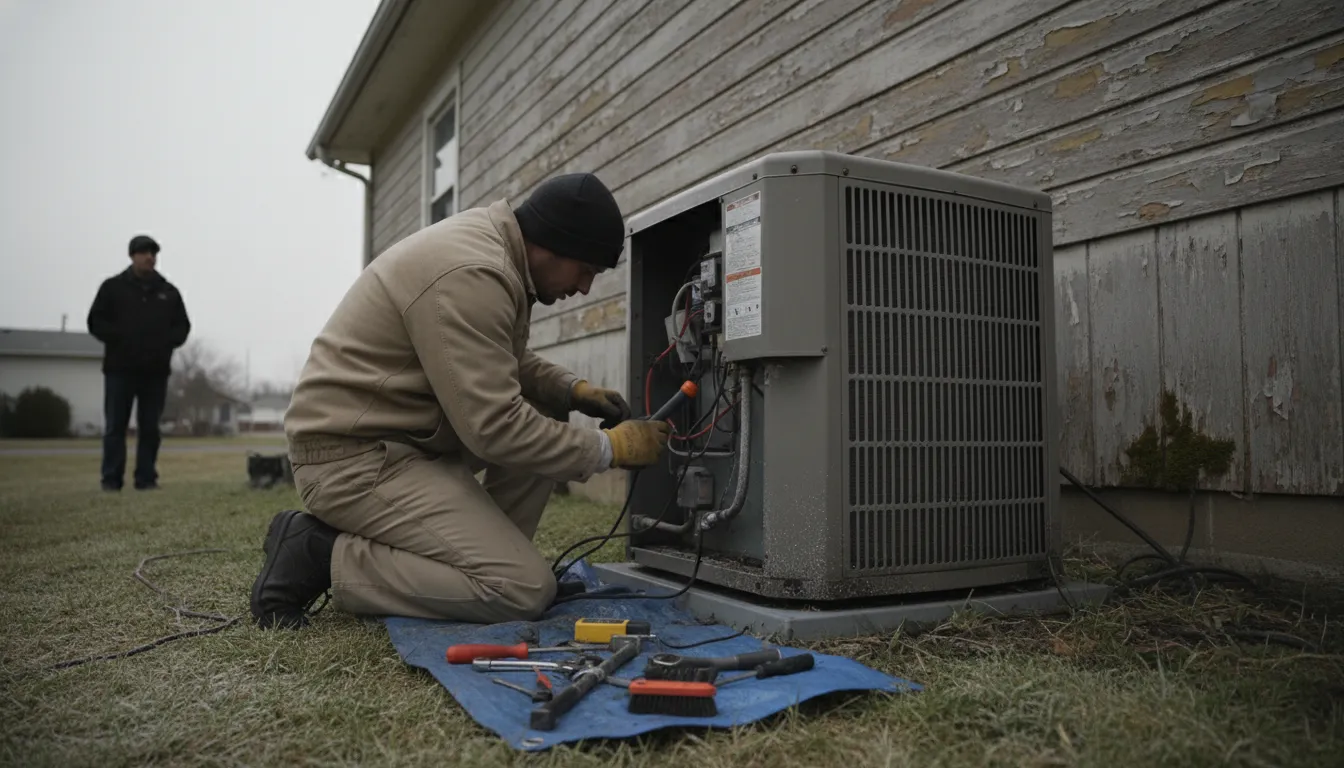
Find the Best Heat Pump Repair Contractors for Your Business
No obligation • Fast responses • Nationwide coverage

Why you can trust HVAC Firms
HVAC Firms is a leading United States resource for evaluating HVAC service providers. Our team researches companies, checks credentials, and reviews customer feedback to present clear, unbiased information. Listings and rankings are based on merit, and companies cannot pay to change our editorial content.
Search providers near you
Top Heat Pump Repair Contractors in Attleboro, Massachusetts Ranked
When your heat pump isn't working correctly, it can disrupt your home's comfort and lead to higher energy bills. Heat pump repair involves diagnosing and fixing issues with these efficient heating and cooling systems to restore their performance. For Attleboro residents, understanding common problems, repair processes, and local service options is key to maintaining a reliable system year-round. This guide helps you identify symptoms, know what to expect from a service visit, and find qualified local professionals to get your system back on track.
Yellow Dog Plumbing, Heating & Cooling
19 Kearney Rd, Needham, MA 02494
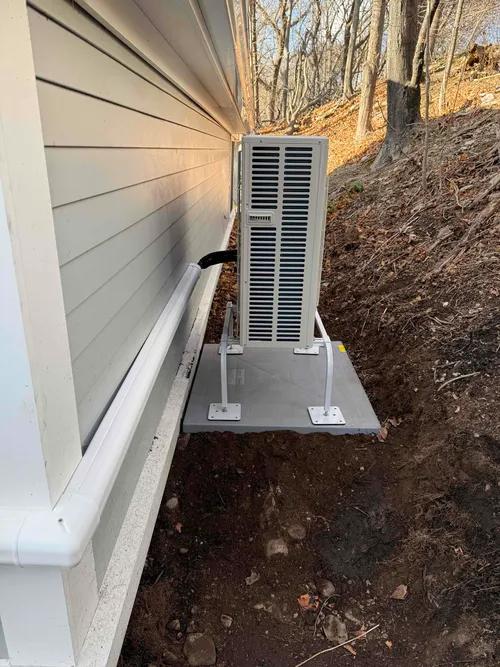
Yellow Dog Plumbing, Heating & Cooling is a plumbing and HVAC company serving Boston, MA, and nearby areas. They offer a wide range of services including air conditioning, furnace, heat pump, and boiler repair and installation, as well as HVAC tune-ups and indoor air quality solutions. Their technicians are equipped to handle both residential and light commercial HVAC needs, with well-stocked trucks to complete most repairs on the first visit. Yellow Dog emphasizes clear communication and customer care, providing same-day service and 24/7 live answering to support their clients' comfort and safety.
Back Bay Mechanical AC Repair & Heating
654 Washington St, Braintree, MA 02184
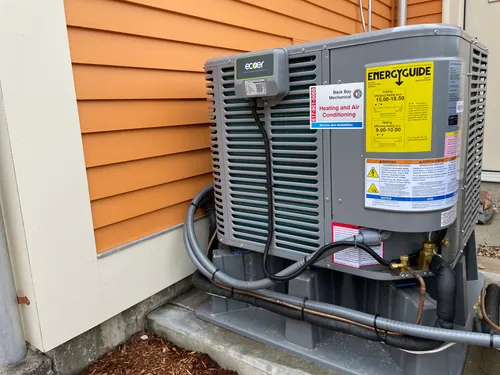
Back Bay Mechanical AC Repair & Heating is a licensed and insured HVAC company serving Boston, MA. They provide a range of services including furnace, heat pump, boiler, and water heater repair, as well as AC installation and duct cleaning. Their technicians evaluate all furnace components such as the combustion chamber, burners, heat exchanger, and thermostat to ensure safe and efficient operation. The company is recognized for its thorough maintenance plans and does not push unnecessary repairs or replacements. They offer emergency service and cover multiple Boston neighborhoods and surrounding areas.
Blue Bear Plumbing, Heating & Air
859 Willard St Suite 400, Quincy, MA 02169
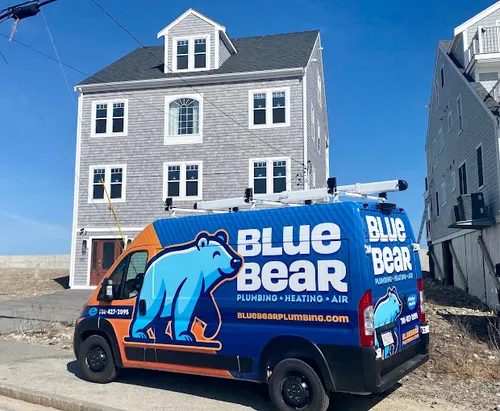
Blue Bear Plumbing, Heating & Air is a locally owned company serving Boston, MA. They provide repair and installation services for air conditioning, furnaces, heat pumps, and boilers. The team is experienced in handling complex HVAC projects, including integrating new heat pumps with existing systems. They also offer emergency water heater replacements and plumbing repairs. Blue Bear is known for thorough diagnostics and same-day repairs, helping customers avoid future issues through detailed inspections and timely solutions.
PJ Mechanical LLC
727 Washington St, Weymouth, MA 02188
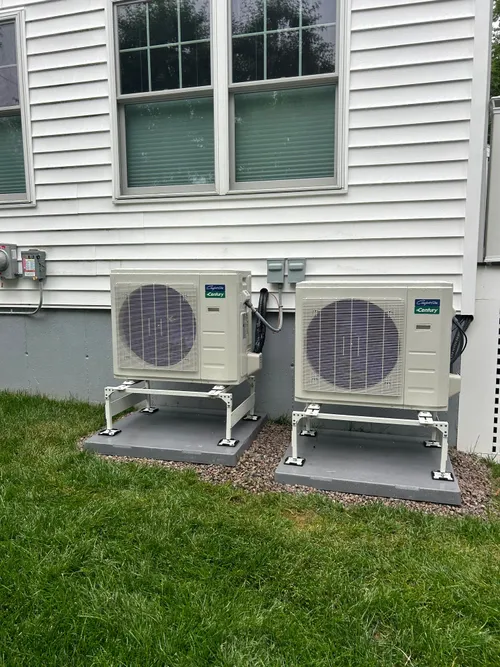
PJ Mechanical LLC is a family-owned HVAC contractor based in Weymouth, serving Boston, MA, and the South Shore. They provide installation, repair, and maintenance services for heating and cooling systems in both residential and commercial settings. Their offerings include air source heat pumps, ducted and ductless systems, high-velocity systems, hydronic heat, furnaces, air conditioners, and indoor air quality solutions. The company emphasizes quality workmanship and uses well-regarded products to ensure long-lasting system performance.
Pro Heating & Cooling
10 Sanderson Ave, Dedham, MA 02026
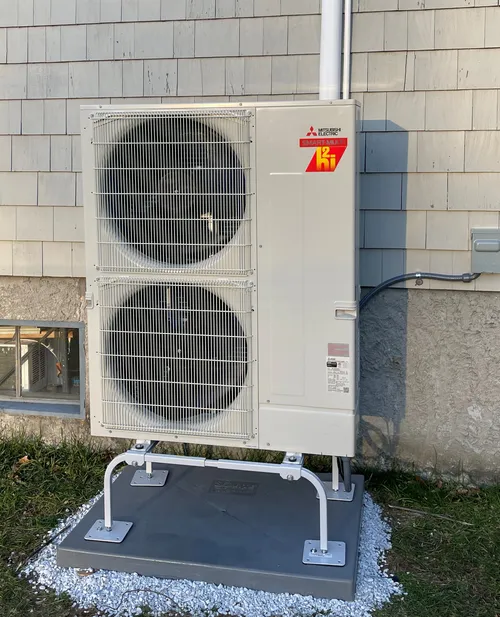
Pro Heating & Cooling provides heating and air conditioning services in Boston, MA. They specialize in installation, repair, and maintenance of HVAC systems including heat pumps, ductless HVAC, and indoor air quality solutions. As a Mass Save® approved installer, they also offer conventional and tankless water heating services. Pro Heating & Cooling serves both residential and commercial customers in Boston and nearby communities such as Dedham, Milton, Needham, West Roxbury, and Braintree. Their technicians are available 24/7 to assist with HVAC repairs and maintenance.
Common Heat Pump Problems in Attleboro
Heat pumps are complex systems, and several issues can arise, especially given the demands of Massachusetts' climate. Recognizing the signs early can prevent minor problems from becoming major repairs.
Airflow and Temperature Issues One of the most frequent complaints is inadequate heating or cooling. This often stems from airflow problems like dirty air filters, blocked vents, or frozen evaporator coils. A clogged filter restricts airflow, forcing the system to work harder and potentially causing the coil to freeze. You might also experience the system blowing warm air in heating mode or cool air in cooling mode, which can indicate a reversing valve issue, low refrigerant, or a problem with the outdoor unit's defrost cycle.
Unusual Noises and Short Cycling Strange sounds are a clear signal something is wrong. Rattling may point to loose parts, screeching could indicate a failing motor bearing, and buzzing often relates to electrical issues. Another red flag is short cycling, where the system turns on and off too frequently. This not only fails to properly condition your home but also puts excessive wear on the compressor, leading to premature failure.
Performance and Efficiency Red Flags A sudden, unexplained spike in your electricity bill is a strong indicator your heat pump is losing efficiency, possibly due to a refrigerant leak, a failing compressor, or simple lack of maintenance. Refrigerant leaks are particularly problematic as they reduce the system's capacity to transfer heat, crippling its performance in both heating and cooling seasons.
Find the perfect heat pump repair contractors for your needs
Get personalized recommendations and expert advice
The Heat Pump Repair Process: What to Expect
Knowing the steps a technician will take can demystify the repair process and help you prepare for a service visit.
Initial Diagnosis (1-2 Hours) The repair process begins with a thorough diagnosis. A technician will first check your thermostat settings to rule out user error. They will then physically inspect the system, examining air filters, indoor and outdoor coils, fan blades, and electrical connections. Using specialized tools, they will check refrigerant pressure and levels, assess electrical components like capacitors and contactors, and monitor the system's operation to pinpoint the exact fault 1.
Repair Execution and Timeline The timeline for repair varies significantly based on complexity. Simple fixes like cleaning a coil, replacing a dirty filter, or resetting a tripped breaker might be completed in the same service call 2. For more involved repairs-such as fixing a refrigerant leak, replacing a fan motor, or installing a new compressor-the technician may need to order parts. This can extend the repair timeline by several days or even weeks. Reputable technicians will test the system after repairs to ensure it operates efficiently and safely before considering the job complete 3.
Understanding Heat Pump Repair Costs
Repair costs in Attleboro depend on the nature of the problem, the parts required, and labor rates. Having a general cost range helps in budgeting and decision-making.
Cost Ranges for Common Repairs Repairs are typically categorized by complexity:
- Basic Fixes: Tasks like replacing a faulty thermostat sensor, cleaning components, or addressing minor electrical controls usually fall in the $150 to $350 range.
- Mid-Level Repairs: Addressing airflow issues, fixing refrigerant leaks, or replacing a capacitor or contactor often costs between $400 and $850.
- Major Component Replacement: The most expensive repairs involve critical parts like the compressor, blower motor, or reversing valve. These can range from $1,000 to $2,500 or more.
Factors Influencing Final Price Labor rates form a substantial part of the bill. Furthermore, if you require emergency service during nights, weekends, or holidays, expect a premium, often adding $150 to $300+ to the standard rate 4 5. The age and brand of your unit can also affect part availability and cost.
Repair vs. Replacement: Making the Right Choice
Sometimes, repairing an old or severely damaged system isn't the most economical long-term decision.
When to Consider a New Heat Pump A common rule of thumb is to consider replacement if the repair cost approaches 50% of the price of a new unit6. Age is another critical factor. If your heat pump is 12-15 years or older, investing in a major repair may not be wise, as other components are likely near the end of their lifespan, and newer models are significantly more efficient 6. Frequent breakdowns and consistently high energy bills are also strong indicators that a replacement could offer better value and comfort.
Leveraging Local Incentives For Attleboro homeowners considering replacement, exploring incentives is crucial. The Mass Save program offers rebates and financing options for upgrading to high-efficiency heat pumps, which can substantially offset the initial investment 7. A qualified local technician can help you understand these incentives and how they apply to your situation.
The Critical Role of Annual Maintenance
The best way to avoid costly and inconvenient repairs is through proactive, regular maintenance. This is especially important in Attleboro's climate, where heat pumps work hard in both summer heat and winter cold 8.
A professional annual check-up typically includes cleaning coils and filters, checking refrigerant levels, tightening electrical connections, lubricating moving parts, and verifying system controls 9. This service helps catch small issues-like a slightly low refrigerant charge or a wearing capacitor-before they lead to system failure 9. A well-maintained heat pump runs more efficiently, lowering your energy bills, extending the system's lifespan, and ensuring reliable comfort throughout the year.
Frequently asked questions
Sources
Footnotes
-
Heat Pump Troubleshooting: 11 Heat Pump Issues & Their Fixes - https://cielowigle.com/blog/heat-pump-troubleshooting/ ↩
-
Heat Pump Repair Services in Massachusetts | Fast ... - https://www.sumzeroenergysystems.com/heat-pump/repair ↩
-
Residential Heating & Cooling Services in Attleboro, MA - https://suburban-hvac.com/residential/service-area/attleboro-ma/ ↩
-
How Much Does Heat Pump Repair Typically Cost? - https://www.sumzeroenergysystems.com/blog/how-much-does-heat-pump-repair-typically-cost ↩
-
Heat Pump Repair Cost in 2026 - Modernize - https://modernize.com/hvac/heating-repair-installation/heat-pump/repair-cost ↩
-
Heat Pump Repair vs. Replacement: Which Makes More Sense? - https://www.sumzeroenergysystems.com/blog/heat-pump-repair-vs-replacement-which-makes-more-sense ↩ ↩2
-
How Much Does a Heat Pump Replacement Cost in 2025? - https://www.sumzeroenergysystems.com/blog/how-much-does-a-heat-pump-replacement-cost-in-2025 ↩
-
Heat Pumps in Cold Weather | Rewiring America - https://homes.rewiringamerica.org/articles/heating-and-cooling/heat-pumps-cold-weather ↩
-
Operating and Maintaining Your Heat Pump | Department of Energy - https://www.energy.gov/energysaver/operating-and-maintaining-your-heat-pump ↩ ↩2