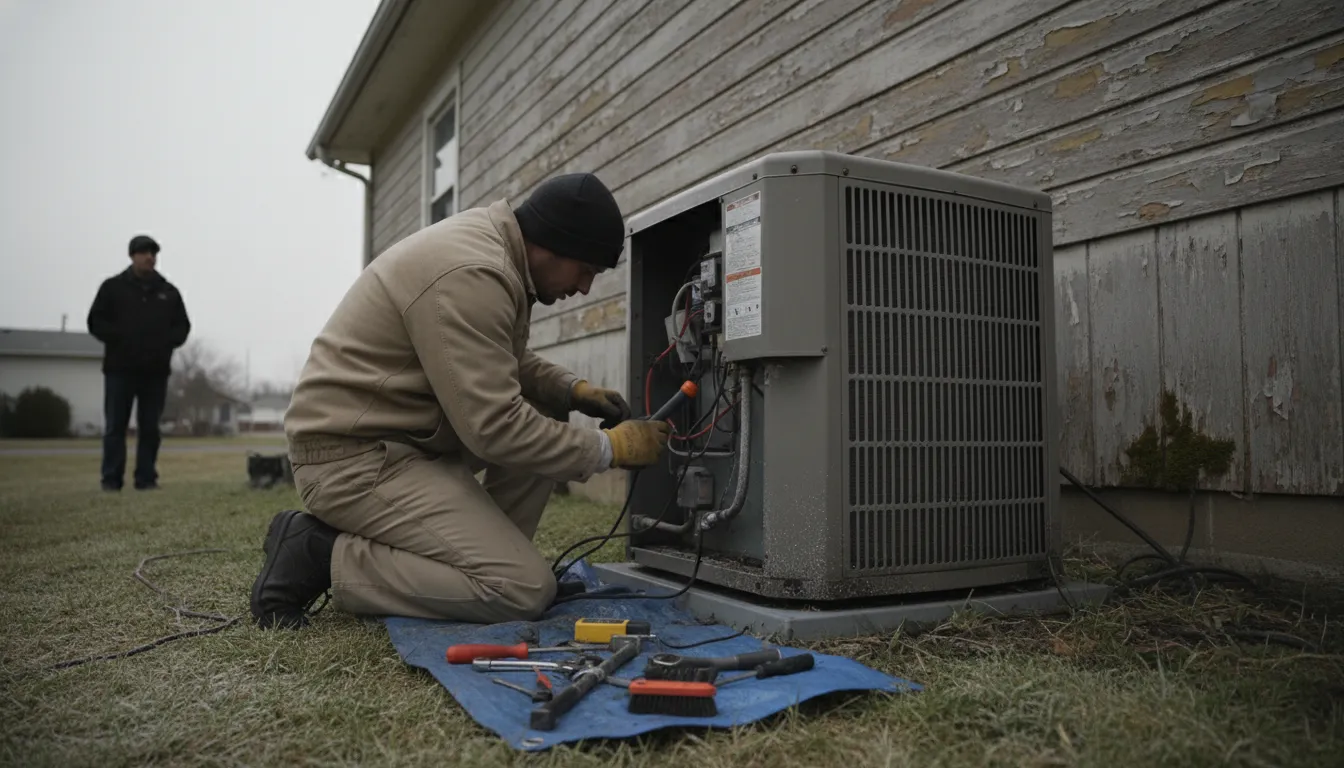
Find the Best Heat Pump Repair Contractors for Your Business
No obligation • Fast responses • Nationwide coverage

Why you can trust HVAC Firms
HVAC Firms is a leading United States resource for evaluating HVAC service providers. Our team researches companies, checks credentials, and reviews customer feedback to present clear, unbiased information. Listings and rankings are based on merit, and companies cannot pay to change our editorial content.
Search providers near you
Top Heat Pump Repair Contractors in Pearl City, Hawaii Ranked
A heat pump is a versatile and efficient system for both heating and cooling your home, making it an ideal choice for Hawaii's climate. When your heat pump malfunctions, it can disrupt your comfort and lead to higher energy bills. This guide helps you understand common repair issues, processes, and costs for heat pump systems specifically in Pearl City, so you can make informed decisions when seeking local service professionals.
Sears Appliance Repair
46-056 Kamehameha Hwy, Kaneohe, HI 96744
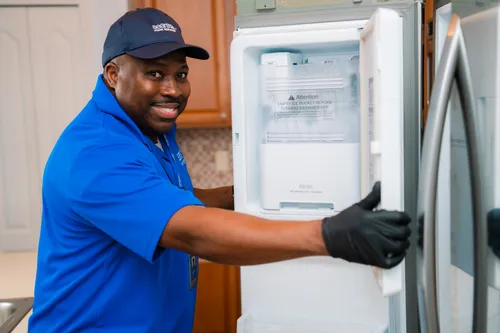
Sears Appliance Repair provides appliance and HVAC repair services in Honolulu, HI, and the surrounding areas. Their certified technicians handle repairs for refrigerators, washers, dryers, ovens, dishwashers, and HVAC systems including central air conditioners, heat pumps, and furnaces. With over 15 years of experience in the Kaneohe community, Sears Appliance Repair offers local expertise and flexible scheduling options to keep home appliances and HVAC systems running smoothly.
Sears Appliance Repair
1505 Kapiolani Blvd, Honolulu, HI 96814
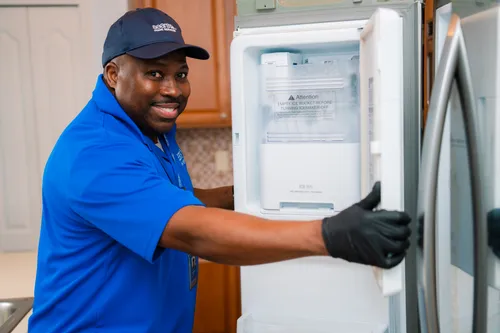
Sears Appliance Repair provides appliance and HVAC repair services in Honolulu, HI. They handle a wide range of home appliances including refrigerators, washers, dryers, ovens, stoves, dishwashers, and HVAC systems such as central air conditioners, heat pumps, and furnaces. Their certified technicians have over 15 years of local experience and are equipped to manage issues like cooling problems, heating faults, leaks, and drainage problems. Sears Appliance Repair offers flexible scheduling and warranties on parts and labor to support their work.
APB Construction Corp HVAC Division
91-335 Kauhi St, Kapolei, HI 96707
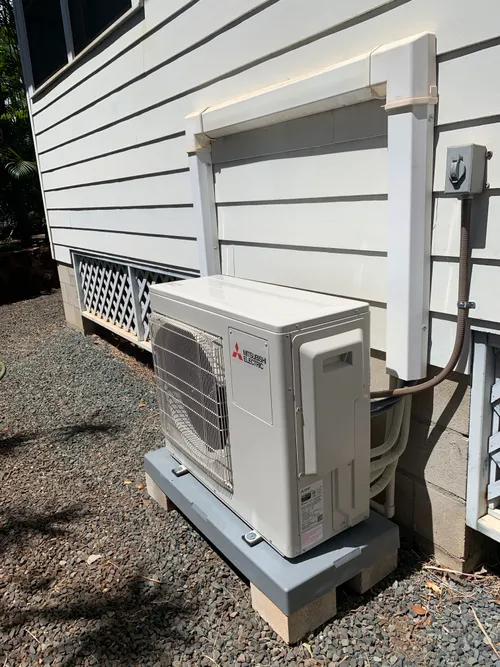
APB Construction Corp HVAC Division provides HVAC installation, repair, and maintenance services in Honolulu, HI. They handle a variety of systems including central air, mini splits, heat pumps, and rooftop packages. Their services cover routine maintenance, troubleshooting, and installation of major HVAC brands, as well as water heater and commercial refrigeration system support. As a Hawaii Energy contractor, they assist both residential and commercial clients through every step from planning to installation.
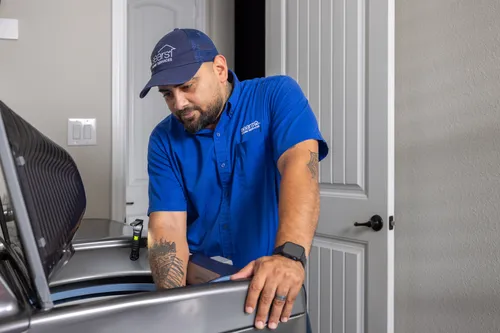
Sears Appliance Repair
98-180 Kamehameha Hwy, Aiea, HI 96701
Sears Appliance Repair provides appliance and HVAC repair services in Honolulu, HI, including the Aiea area. Their certified technicians handle repairs for refrigerators, washers, dryers, ovens, dishwashers, central air conditioners, heat pumps, and furnaces. The company has local technicians with over 15 years of experience who understand the community's needs and offer flexible scheduling options. Sears Appliance Repair offers same-day and next-day appointments to address various household appliance and HVAC issues efficiently.
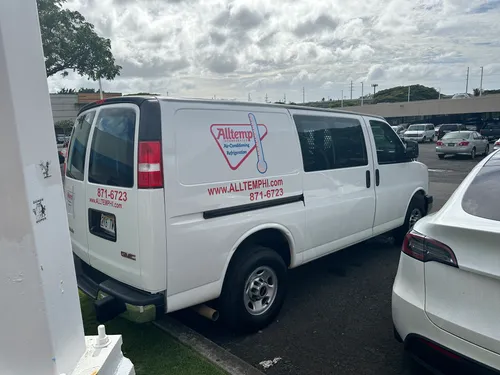
Alltemp
500 Ala Moana Blvd ste 7-400, Honolulu, HI 96813
Alltemp is an HVAC and refrigeration service provider based in Honolulu, HI, serving both residential and commercial clients across Oahu and Maui. Since 1997, the company has offered a range of services including air conditioning and heating installation, repair, and maintenance, as well as commercial refrigeration and indoor air quality solutions. Alltemp specializes in heat pump repairs and advanced air purification and humidity control systems to support healthy indoor environments. The company also provides 24/7 emergency repair services for air conditioning and commercial refrigeration systems, ensuring timely assistance when urgent issues arise.
Understanding Heat Pump Systems and Common Failures
A heat pump operates by transferring heat, moving it indoors during cooler weather and expelling it outside when it's warm. This dual functionality relies on a complex system of coils, a compressor, fans, and refrigerant. In Pearl City's unique environment-characterized by high humidity, salt air, and consistent use-certain components are more prone to failure. Recognizing the signs of trouble early, such as reduced cooling capacity, unusual noises, or ice buildup on coils, can prevent minor issues from escalating into costly major repairs.
The Impact of Pearl City's Climate on Your HVAC System
The local climate is a significant factor in heat pump wear and tear. The constant humidity and salty ocean air accelerate corrosion on metal components like refrigerant lines and evaporator coils. Furthermore, high pollen levels and moisture lead to rapid accumulation of dirt and debris on filters and coils, forcing the system to work harder and reducing its efficiency and lifespan. This environment also promotes the growth of algae and mold in condensate drain lines, a common source of clogs and water leaks.
Typical Heat Pump Problems in Pearl City Homes
Service technicians in our area frequently encounter a specific set of issues. Being aware of these can help you describe problems more accurately when you call for service.
- Refrigerant Leaks: Corrosion from salt air can create pinhole leaks in coils or lines, causing a loss of refrigerant charge. This leads to poor cooling/heating performance and can damage the compressor if left unaddressed.
- Dirty Coils and Air Filters: The combination of humidity and airborne particles causes coils and filters to clog quickly. This restricts airflow, reduces system efficiency, and can cause the unit to freeze up or overheat.
- Fan Motor or Capacitor Failure: The outdoor unit's fan motor and its starting capacitor are under constant stress. Overheating due to dirt buildup or simple age-related wear is common, resulting in a fan that won't spin or a system that won't start.
- Thermostat and Sensor Malfunctions: Humidity can affect electrical connections and sensor accuracy. A faulty thermostat or indoor temperature sensor may cause the system to short-cycle (turn on and off frequently) or not maintain the set temperature.
- Condensate Drain Issues: The drain line that removes condensation from the indoor air handler can become clogged with algae or mold growth, leading to water overflow and potential water damage inside your home.
What to Expect During a Professional Service Visit
When you contact a local technician for heat pump service, understanding the standard process can set clear expectations. Most reputable providers follow a similar structured approach.
- Diagnosis and Service Fee: The visit typically begins with a diagnostic fee, which in Pearl City generally ranges from $90 to $250. This covers the technician's time to assess the problem. Often, this fee is applied toward the total cost if you proceed with the recommended repair.
- System Troubleshooting: The technician will perform a series of checks, including measuring refrigerant pressure, inspecting electrical components (capacitors, contactors, wiring), evaluating airflow, and examining key parts like the compressor and coils.
- Detailed Quote: After identifying the issue, the technician should provide a clear, written quote that breaks down the required parts and labor. They will explain the problem, why the repair is necessary, and the total cost before any work begins.
- The Repair Work: Once you approve the quote, the technician will perform the repair. This could involve tasks like sealing a refrigerant leak, replacing a failed capacitor or fan motor, cleaning clogged coils, or unclogging a condensate drain.
- System Testing and Verification: After the repair, the technician will test the entire system to ensure it operates correctly. This includes checking temperature differentials, verifying the refrigerant charge, and ensuring all electrical components are functioning safely.
Repair Timelines and Cost Considerations
The time required for a repair depends heavily on the complexity of the job and part availability locally.
- Simple Repairs: Replacing an air filter, capacitor, or thermostat usually takes 1 to 2 hours.
- Moderate Repairs: Performing a thorough coil cleaning or addressing a clogged condensate drain line typically requires 2 to 4 hours.
- Complex Repairs: Fixing a refrigerant leak, replacing a fan motor, or installing a new circuit board can take 4 hours or more. If a specialized part like a compressor needs to be ordered, the repair may extend over a day or more.
Repair costs combine the diagnostic fee, parts, and labor. Based on local service data, you can expect a wide range 1:
- Capacitor or Fuse Replacement: $100 - $400
- Fan Motor Replacement: $200 - $700
- Control Board Replacement: $75 - $600
- Refrigerant Recharge (including leak repair): $200 - $1,000+
- Compressor or Coil Replacement: $550 - $2,900+ (considered a major repair)
Find the perfect heat pump repair contractors for your needs
Get personalized recommendations and expert advice
The Importance of Preventative Maintenance in a Coastal Climate
Given the demanding operating conditions in Pearl City, regular preventative maintenance is not just a recommendation-it's essential for protecting your investment. A professional maintenance visit typically includes cleaning the indoor and outdoor coils, checking refrigerant levels, inspecting electrical connections, lubricating moving parts, clearing the condensate drain, and testing system controls. This proactive service can improve efficiency, prevent unexpected breakdowns, extend the system's life, and often identifies small problems before they become large, expensive repairs. Scheduling maintenance annually or bi-annually is highly advised.
Navigating Major Repairs vs. System Replacement
When faced with a significant repair, such as a failed compressor, it's wise to consider whether repairing or replacing the entire heat pump system is more cost-effective. Factors to discuss with your technician include the age of your current unit (most last 10-15 years), the cost of the repair relative to a new system, and the potential energy savings of a modern, high-efficiency model. Newer heat pumps offer substantially better efficiency ratings (SEER and HSPF), which can lead to noticeable savings on your monthly energy bills, an important consideration in Hawaii.
Choosing a Qualified Service Provider in Pearl City
Selecting the right technician is crucial for a quality repair. Look for licensed, insured, and locally experienced professionals. Check for positive reviews and ask for references. A trustworthy provider will be transparent about pricing, offer clear explanations, provide written estimates, and stand behind their work with a warranty on both parts and labor. Don't hesitate to ask about their experience with your specific brand or model of heat pump.
Frequently asked questions
Sources
Footnotes
-
ATTACHMENT A - Hawaii Energy - https://hawaiienergy.com/wp-content/uploads/ProgramYear2015_Annual-Report-Attachments.pdf ↩