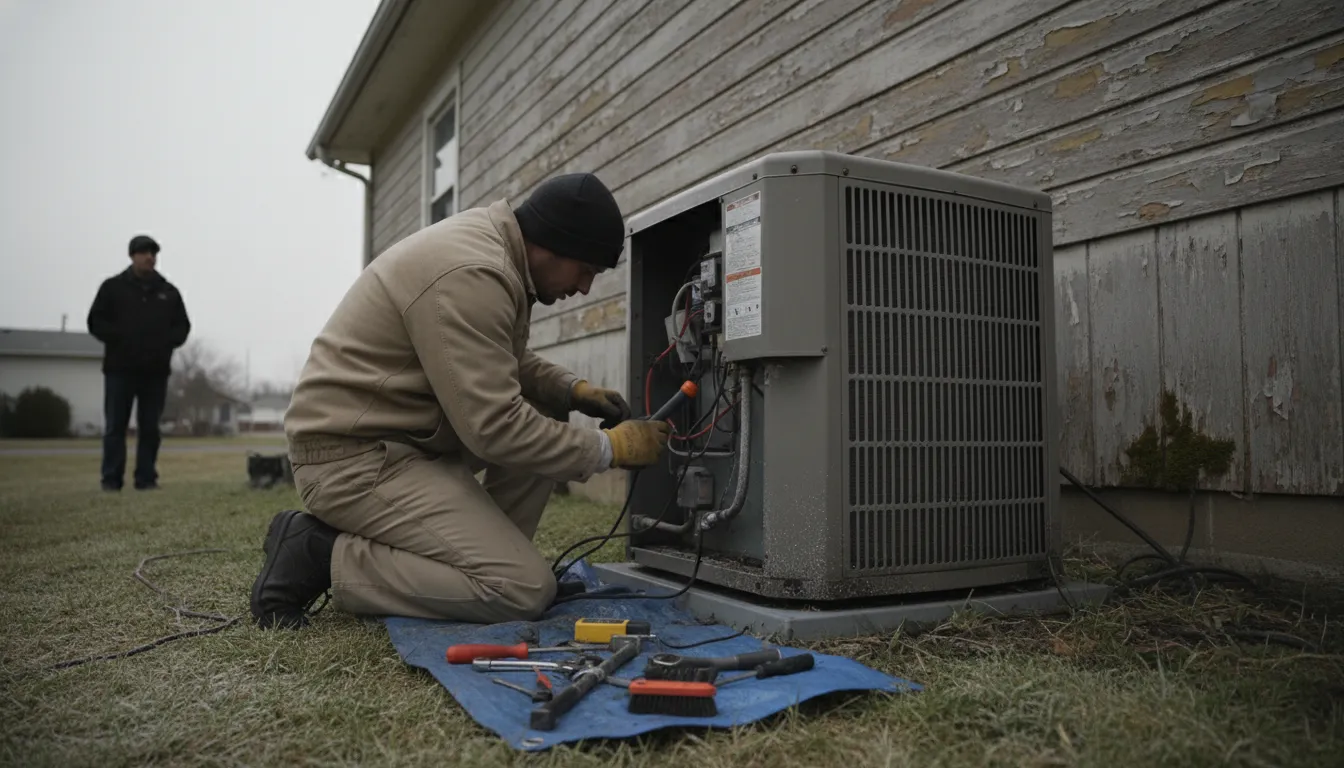
Find the Best Heat Pump Repair Contractors for Your Business
No obligation • Fast responses • Nationwide coverage

Why you can trust HVAC Firms
HVAC Firms is a leading United States resource for evaluating HVAC service providers. Our team researches companies, checks credentials, and reviews customer feedback to present clear, unbiased information. Listings and rankings are based on merit, and companies cannot pay to change our editorial content.
Search providers near you
Top Heat Pump Repair Contractors in Miami Beach, Florida Ranked
Keeping your heat pump running efficiently is essential for year-round comfort in Miami Beach. This versatile system provides both heating and cooling, making it a critical component of your home's HVAC system. When it's not working correctly, the subtropical climate-with its intense humidity, salt air, and constant demand for climate control-can quickly become uncomfortable. This guide explains common heat pump issues specific to our coastal environment, what to expect during a service visit, and how to find qualified local professionals to restore your system's performance.
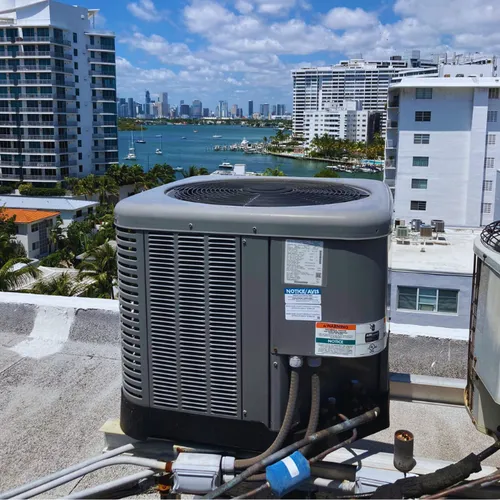
Florida Clean Air Plus
15251 NE 18th Ave Suite #3, North Miami Beach, FL 33162
Florida Clean Air Plus is an HVAC company based in Miami, FL, offering a wide range of heating and cooling services for both residential and commercial clients. Their services include AC repair, installation of new AC and heat pump systems, air duct cleaning, duct sealing, dryer vent cleaning, and thermostat installation. They emphasize improving indoor air quality and energy efficiency through thorough maintenance and cleaning. The company provides 24/7 emergency HVAC service, ensuring support whenever needed. Their certified technicians are experienced in handling all major HVAC brands and models, delivering precise installations and repairs with transparent, upfront quotes.
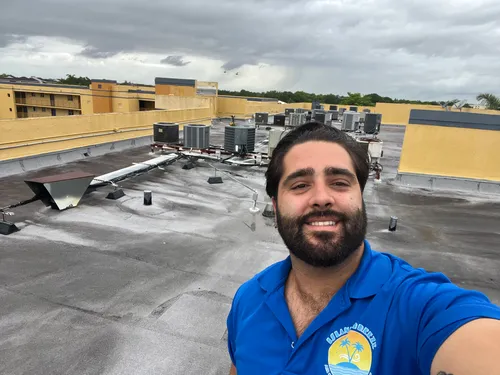
Island Breeze Air Conditioning, LLC
6831 SW 44th St APT 109, Miami, FL 33155
Island Breeze Air Conditioning, LLC is an HVAC company serving Miami, FL, specializing in heating and air conditioning system installation, repair, and maintenance. Their services include air conditioner, furnace, heat pump, and mini split system installation and repair, as well as thermostat installation and indoor air quality improvements. They offer 24/7 emergency repair services and provide service agreements for regular maintenance to extend system life and ensure reliable performance. The company also supplies a range of products such as air cleaners, humidifiers, UV lights, and zoning systems to enhance indoor environments.
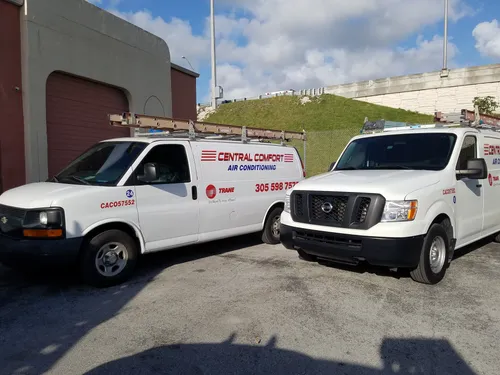
Central Comfort Air Conditioning
12320 SW 129th Ct, Miami, FL 33186
Central Comfort Air Conditioning is an HVAC company serving Miami, FL, and the surrounding Miami-Dade and Southern Broward areas. With over 29 years of experience, they provide residential and commercial heating and cooling services including installation, repair, and maintenance of air conditioners, furnaces, heat pumps, and mini-split systems. They also offer indoor air quality solutions such as duct cleaning and air purification. Their licensed technicians handle all makes and models, focusing on system efficiency and comfort. The company offers 24/7 phone support for scheduling and is accredited by the Better Business Bureau.
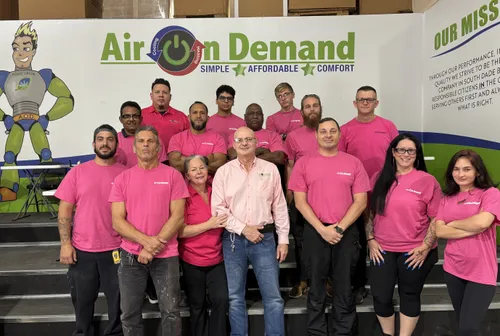
Air On Demand
10682 SW 186th St, Miami, FL 33157
Air On Demand is an HVAC company serving Miami, FL, and nearby communities including South Miami and Homestead. Since 2001, they have provided a full range of heating, air conditioning, duct cleaning, and indoor air quality services. Their licensed technicians offer comprehensive HVAC installation, repair, and tune-up services. The company is known for its expertise with Daikin systems, including advanced energy-efficient solutions and a 12-year parts warranty. Air On Demand also offers 24/7 support to assist customers whenever needed.

RCI Air Conditioning Company
16641 SW 117th Ave #10b, Miami, FL 33177
RCI Air Conditioning Company is a full-service HVAC provider based in Miami, FL. Established in 2010, the company offers air conditioning repair, heat pump service, installation of ductless HVAC systems, and indoor air quality solutions. Their team includes factory-trained technicians experienced with many HVAC brands and models. RCI Air Conditioning Company serves Miami and nearby communities such as Pinecrest, Coral Gables, Palmetto Bay, and Cutler Bay. They are a Trane Comfort Specialist dealer, emphasizing ongoing training and customer satisfaction. The company provides commercial and residential HVAC services, including preventive maintenance and equipment installation with a two-year labor warranty.
Understanding Your Heat Pump in a Coastal Climate
A heat pump is an all-in-one heating and air conditioning unit that transfers heat rather than generating it, making it highly efficient. In Miami Beach, these systems work exceptionally hard, often running nearly year-round to manage humidity and maintain cool indoor temperatures. The unique environmental factors here, particularly the salty, humid air, place extraordinary stress on the system's components. Regular maintenance and timely repairs are not just about comfort; they are crucial for preventing minor issues from escalating into costly, major component failures. Understanding the local challenges your system faces is the first step in proactive care.
Common Heat Pump Problems in Miami Beach
The coastal environment creates a specific set of challenges for HVAC equipment. Here are the most frequent issues Miami Beach homeowners encounter with their heat pumps:
- Salty Air Corrosion: Salt spray from ocean breezes accelerates corrosion on the delicate aluminum fins of the outdoor coil and can degrade electrical connections and metal components. This is a pervasive issue that shortens equipment lifespan and leads to leaks.
- Refrigerant Leaks: Corrosion and general wear can cause pinhole leaks in the refrigerant lines or coil. A leak reduces the system's efficiency and its ability to cool or heat your home effectively.
- Dirty Coils and Filters: The combination of dust, salt particulate, and high humidity acts like a glue, causing debris to cling to and clog both the indoor and outdoor coils. Clogged filters further restrict airflow, forcing the system to work harder.
- Fan Motor Failures: The outdoor unit's fan motor is constantly exposed to the elements. In our humid climate, motors can overwork, seize, or suffer from bearing wear, leading to a complete shutdown of the outdoor unit.
- Drain Line Clogs: Heat pumps dehumidify air as they cool, producing condensate. In Miami Beach's high humidity, this can lead to algae growth inside the drain line, causing blockages and potential water damage from backup.
- Capacitor Failure: This common electrical component helps start the compressor and fan motors. The constant cycling and heat exposure in our climate make capacitors a frequent point of failure, often resulting in a system that hums but won't start.
What to Expect During a Professional Service Visit
When you contact a technician for heat pump service in Miami Beach, a thorough visit typically follows a structured process to ensure an accurate diagnosis and effective repair.
- Check-in and Thermostat Review: The technician will first discuss the symptoms with you and check the thermostat settings and any error codes displayed.
- Visual Inspection: A careful examination of both the indoor air handler and the outdoor condenser unit follows. The tech will look for visible signs of corrosion, refrigerant oil stains indicating a leak, and debris buildup around the units.
- Airflow and Component Check: This involves inspecting and potentially cleaning the air filter, evaporator coil, blower fan, and ductwork for restrictions. Proper airflow is critical for system efficiency and longevity.
- System Diagnostics: Using specialized tools, the technician will test electrical components like capacitors, contactors, and relays. If a refrigerant issue is suspected, they will check the system's pressure and charge 1.
- Diagnosis and Quote: After identifying the root cause, the professional will explain the problem, provide a detailed cost estimate for the repair, and give a timeline for completion.
- Repair or Replacement: With your approval, they will perform the necessary repair. If a specialized part needs to be ordered, they will schedule a follow-up visit.
The timeline for these services can vary. Diagnosis usually takes 1-3 hours. Minor repairs like replacing a capacitor or cleaning a drain line may be completed in 1-2 hours. More complex jobs, such as repairing a refrigerant leak or replacing a compressor, can take half a day or require a second visit once parts arrive 2.
Find the perfect heat pump repair contractors for your needs
Get personalized recommendations and expert advice
Understanding Repair Costs and Your Role as a Homeowner
Repair costs in Miami Beach can vary widely based on the problem, the specific part needed, and labor rates. It's important to get a professional diagnosis for an accurate quote. Some general estimate ranges for common repairs include:
- Service Call/Diagnosis Fee: Often $100 - $200, which may be waived if you proceed with the repair.
- Capacitor Replacement: A common fix typically ranging from $150 - $350 for parts and labor.
- Refrigerant Leak Repair and Recharge: Costs can range from $300 to over $800, depending on the leak's location and severity and the amount of refrigerant needed 3.
- Fan Motor Replacement: Generally between $400 and $900.
- Compressor Replacement: As a major component, this is a significant repair, often costing between $1,500 and $4,000 or more 4.
While professionals handle the complex repairs, homeowners play a vital role in system health. Your participation can prevent many common issues:
- Regular Filter Changes: Replace or clean your air filter every 1 to 3 months, especially during peak cooling season 5.
- Clear Debris: Regularly ensure the outdoor condenser unit is free of leaves, vegetation, salt crust, and dirt. Maintain at least two feet of clear space around it 6 7.
- Monitor Performance: Pay attention to unusual noises, reduced cooling capacity, longer run times, or unexpected increases in your energy bill. Early detection is key.
Choosing the Right Service for Your Heat Pump
Given the technical nature of heat pump systems and the specific challenges of the Miami Beach climate, selecting a qualified technician is crucial. Look for professionals with specific experience servicing heat pumps in coastal areas, as they will be familiar with corrosion mitigation. Proper licensing and insurance are non-negotiable for your protection. A reputable provider will offer clear, upfront quotes, explain the diagnosis in understandable terms, and prioritize repairs that restore efficiency and reliability, not just a quick fix. Investing in quality service protects your comfort and your investment in your home's HVAC system.
Frequently asked questions
Sources
Footnotes
-
HVAC Troubleshooting Guide: Step-by-Step Solutions Made Easy - https://projecthvac.com/2026/01/07/hvac-troubleshooting-guide-step-by-step/ ↩
-
Heat Pump & HVAC Maintenance Auckland | AC Repair Services - EPS - https://epservices.co.nz/electrical-services/heat-pump-repairs/ ↩
-
Heat Pump Repair and Installation Miami FL - https://www.ameritempac.com/heat-pump-service ↩
-
What is the Average Heat Pump Repair Cost? - Dick Ray - https://dickray.com/what-is-the-average-heat-pump-repair-cost-kansas-city/ ↩
-
My Heat Pump Isn't Heating: A Homeowner's Troubleshooting Guide - https://www.southern-air.com/blog/heat-pump-not-heating ↩
-
Operating and Maintaining Your Heat Pump | Department of Energy - https://www.energy.gov/energysaver/operating-and-maintaining-your-heat-pump ↩
-
How to maintain your heat pump - https://www.youtube.com/watch?v=rpANlj_leho&t=85 ↩