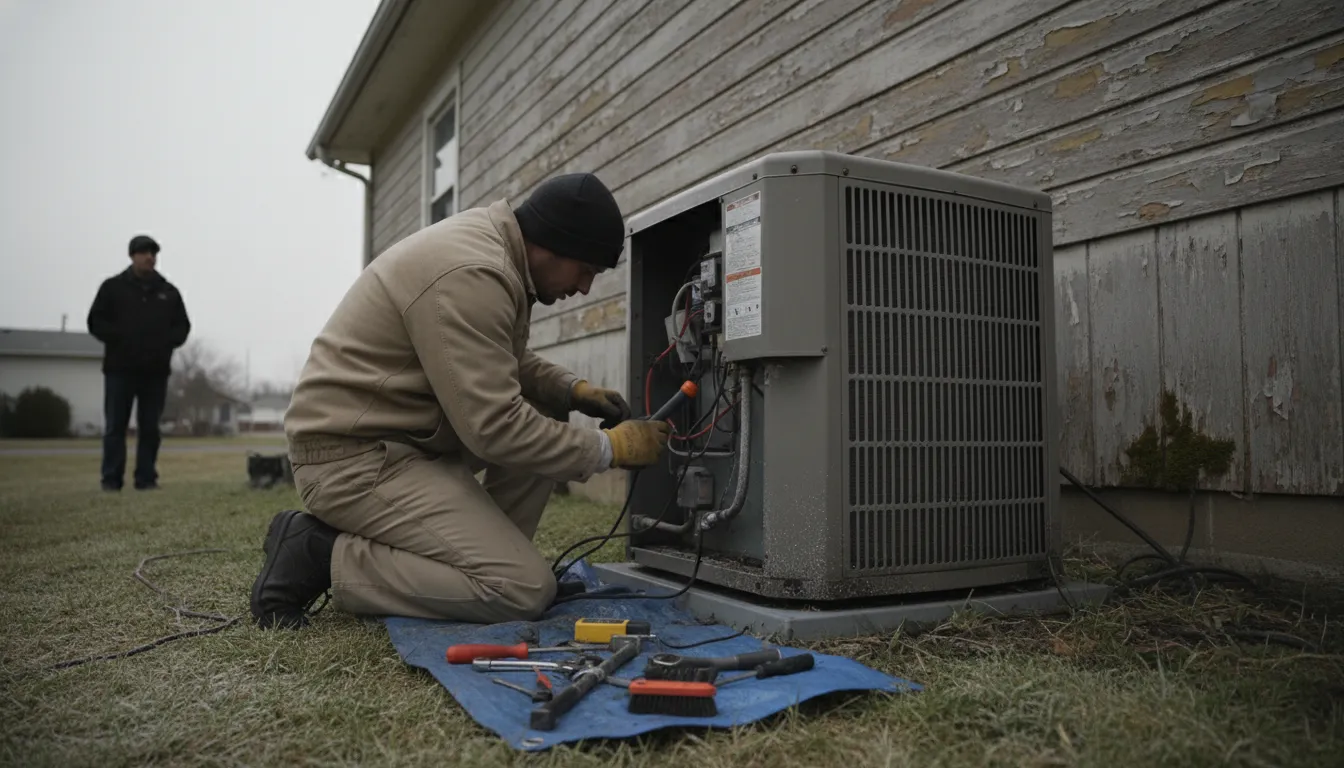
Find the Best Heat Pump Repair Contractors for Your Business
No obligation • Fast responses • Nationwide coverage

Why you can trust HVAC Firms
HVAC Firms is a leading United States resource for evaluating HVAC service providers. Our team researches companies, checks credentials, and reviews customer feedback to present clear, unbiased information. Listings and rankings are based on merit, and companies cannot pay to change our editorial content.
Search providers near you
Top Heat Pump Repair Contractors in Bradenton, Florida Ranked
When your heat pump stops working in Bradenton, it's more than an inconvenience-it's a threat to your comfort and energy bills. This efficient system provides both heating and cooling, making it a year-round essential for Florida homes. Finding a reliable local technician for heat pump service is crucial to diagnose issues quickly and restore your home's climate control. This guide will help you understand common problems, what to expect from a repair visit, and how to connect with qualified professionals in the Bradenton area.
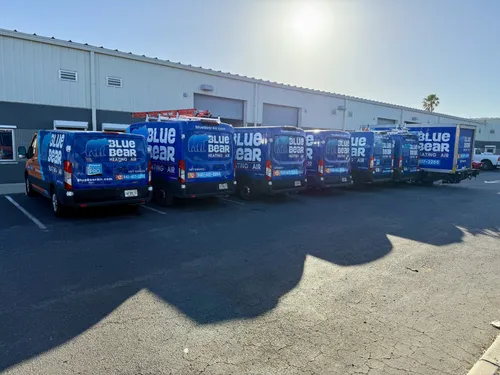
Blue Bear Total Home Services
2233 S Dock St, Palmetto, FL 34221
Blue Bear Total Home Services is a home service company based in St Petersburg, FL, offering comprehensive HVAC, plumbing, and electrical services. They serve the Tampa Bay area and Greater Sarasota, including Bradenton, Palmetto, Sarasota, and Tampa. Their services include air conditioning repair and installation, heat pump repair, furnace installation, and indoor air quality solutions. With nearly 30 years of industry experience, the company provides skilled professionals dedicated to home comfort and safety. Blue Bear Total Home Services offers 24/7 emergency availability and same-day service to address urgent home system needs.
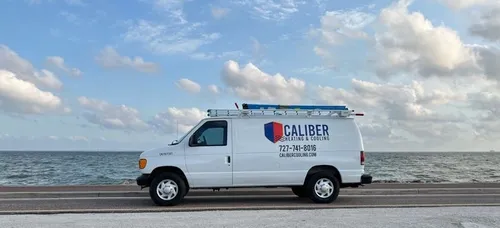
Caliber Heating & Cooling LLC
4745 126th Ave N STE 56, Clearwater, FL 33762
Caliber Heating & Cooling LLC is a family-owned HVAC company serving St Petersburg, FL, and the surrounding Pinellas County area. With over 10 years of experience, they provide a full range of heating and cooling services including installation, repair, and maintenance for air conditioners, furnaces, heat pumps, mini split systems, and smart thermostats. Their licensed technicians also specialize in indoor air quality solutions such as UV air purification and whole house air filtration systems. The company emphasizes compliance with local codes and uses premium materials to ensure reliable and efficient HVAC performance.
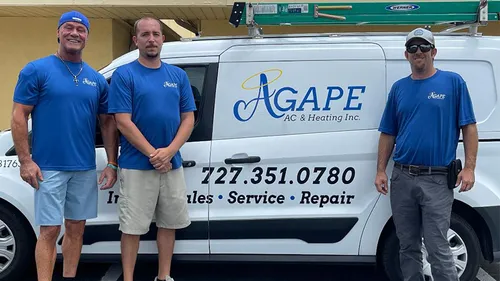
Agape AC & Heating
7178 Seminole Blvd, Seminole, FL 33772
Agape AC & Heating is an HVAC company serving St Petersburg, FL, specializing in air conditioning, furnace, and heat pump repair and installation. They offer comprehensive HVAC services tailored to residential and commercial needs. The company emphasizes compassionate care for both customers and employees, aiming to provide reliable and efficient heating and cooling solutions. Agape AC & Heating fosters a supportive work environment to ensure quality service delivery.
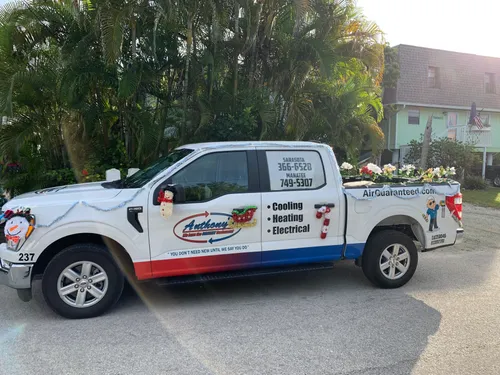
Anthony's Cooling-Heating-Electrical
1614 20th St E, Palmetto, FL 34221
Anthony's Cooling-Heating-Electrical has been serving St Petersburg, FL, and the surrounding Manatee and Sarasota Counties since 1988. The company offers a wide range of HVAC and electrical services, including installation, repair, and maintenance of air conditioning, furnaces, heat pumps, and indoor air quality systems. They are known for their licensed and insured technicians and emphasize energy-efficient and environmentally friendly products. Anthony's Cooling-Heating-Electrical provides 24/7 emergency services to address urgent HVAC issues promptly.
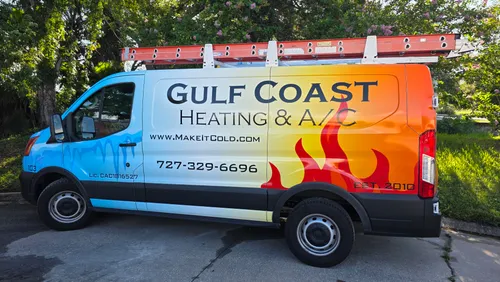
Gulf Coast Heating & AC, LLC
6331 39th St N Ste 100, Pinellas Park, FL 33781
Gulf Coast Heating & AC, LLC is an HVAC company based in Tampa, FL, offering air conditioning, furnace, heat pump repair, installation, and maintenance services. They serve various communities in the Tampa area, including St Petersburg and Pinellas County. With over 30 years of experience in the HVAC industry and operating since 2010, the company provides skilled HVAC tune-ups and thermostat installations. Gulf Coast Heating & AC is certified to install products from Tempstar® and offers a maintenance agreement plan for ongoing system care.
Why Heat Pumps Are Essential in Bradenton's Climate
Bradenton's warm, humid climate means your heat pump is working hard for most of the year, switching between cooling and dehumidifying. Unlike a standard air conditioner, a heat pump can reverse its cycle to provide efficient heating during our milder winters. This dual functionality makes proper maintenance and timely repair critical. When a heat pump fails, you lose both your primary cooling system and your most efficient heating option. The coastal environment adds another layer of complexity, as salty, humid air can accelerate wear on components. Understanding the value of this system is the first step in prioritizing its care.
Common Heat Pump Problems in Coastal Florida
Local technicians see a specific set of issues due to our unique environment. Recognizing these common failures can help you describe problems more accurately when you call for service.
Salt Air Corrosion
The proximity to the Gulf of Mexico means salt is carried in the air. This salty moisture is highly corrosive to the metal components of your outdoor unit (the condenser/compressor). Over time, it can eat away at the delicate fins of the condenser coil, corrode electrical connections, and degrade wiring insulation. This type of damage often leads to refrigerant leaks or electrical failures.
Airflow Restrictions
Bradenton's humidity and dust contribute to rapid filter clogging. A dirty air filter is one of the most frequent causes of poor performance. Beyond the filter, the indoor evaporator coil can become clogged with a combination of dust and mold growth fostered by the humidity, severely restricting airflow. Blocked return air vents or a dirty blower fan can compound the problem, forcing the system to work harder and potentially overheat.
Refrigerant Leaks
The refrigerant is the lifeblood of your heat pump. Leaks often develop at connection points, valves, or within the condenser coil itself, especially if corrosion has created pinholes. A low refrigerant charge means your system can't transfer heat effectively, leading to poor cooling/heating, longer run times, ice buildup on coils, and ultimately compressor failure.
Electrical Component Failures
The constant heat and humidity are tough on electrical parts. Capacitors, which help start the compressor and fan motors, are common failure points. Contactors (electrical relays) can weld shut or burn out. The system's control board can also malfunction due to power surges or moisture corrosion 1. These failures often result in the system not starting, tripping breakers, or only the fan running.
The Professional Heat Pump Repair Process: What to Expect
A thorough repair by a qualified technician is a multi-step process designed to correctly diagnose and permanently fix the issue. Here's what a standard service call typically involves.
1. Initial Assessment & Diagnosis The technician will start with a visual inspection of both the indoor and outdoor units, looking for obvious signs of damage, corrosion, or debris blockage. They'll listen for unusual noises and ask you about the symptoms you've observed. Then, using specialized tools, they will perform diagnostic tests. This includes checking electrical voltages and amperage on components, measuring refrigerant pressure and temperature, and assessing airflow at the vents. This phase usually takes 1 to 2 hours to pinpoint the root cause.
2. Explanation & Upfront Estimate Before any work begins, a reputable technician will explain their findings in clear terms. You should receive a detailed, written estimate that breaks down the required repairs, the cost of parts, and the labor involved. There should be no surprises. This estimate often includes the diagnostic/service call fee, which in Bradenton typically ranges from $100 to $200, though this may be waived or applied toward the repair cost.
3. The Repair Work Once you approve the estimate, the technician will proceed with the fix. This could be as simple as replacing a capacitor and cleaning coils or as complex as repairing a refrigerant leak and recharging the system. They will use quality, manufacturer-recommended parts to ensure longevity. The repair time can vary from under an hour for a simple part swap to several hours for more involved work 2.
4. System Testing & Verification After the repair is complete, the technician will restart the system and monitor its operation. They will verify that the specific problem is resolved, check that all modes (heating and cooling) function correctly, and ensure the system is operating at peak efficiency and safety 3. They should also provide tips on preventing a recurrence.
Find the perfect heat pump repair contractors for your needs
Get personalized recommendations and expert advice
Understanding Repair Timelines and Costs
The time and cost for heat pump service in Bradenton depend entirely on the nature of the problem and part availability.
Typical Timelines:
- Diagnosis: 1-2 hours.
- Minor Repairs: (e.g., replacing a contactor, capacitor, or cleaning coils) can often be completed in 1-3 hours during the same visit.
- Major Repairs: (e.g., replacing a compressor, fixing a significant refrigerant leak, or swapping a corroded coil) may require ordering parts. In these cases, the repair could span several days.
Cost Factors: Costs can vary widely based on the part needed and the labor involved. Here's a general breakdown:
- Service Call/Diagnostic Fee: Often $100 - $200+ 4.
- Minor Parts & Labor: Common parts like capacitors, contactors, or sensors, plus labor, can range from $150 to $600+ 5.
- Major Parts & Labor: Components like compressors, coils, or control boards are more expensive, with repair costs ranging from $500 to $2,000 or more, including labor 6 7.
It's important to get a detailed, upfront estimate to understand the full scope of cost before authorizing any repair beyond the diagnostic phase.
How to Prepare for a Service Technician Visit
A little preparation can make the service call more efficient and productive.
- Perform Basic Checks: Before you call, ensure the thermostat is set to "Heat" or "Cool" (as needed) and the fan setting is on "Auto." Check that the circuit breakers for both the indoor and outdoor units are not tripped.
- Change the Air Filter: A dirty filter is a leading cause of issues. Replace it with a clean one; this simple act sometimes resolves the problem.
- Clear the Area: Ensure the outdoor unit is clear of leaves, grass clippings, shrubs, or debris for at least two feet around it. Clear access to the indoor air handler/furnace as well.
- Note the Symptoms: Write down when the problem started, any unusual noises (screeching, grinding, buzzing), and whether the issue affects heating, cooling, or both. This information is invaluable to the technician 8.
Maintaining Your Heat Pump After a Repair
To protect your investment and prevent future breakdowns, consistent maintenance is key, especially in our coastal climate. After a repair, ask your technician for specific maintenance recommendations. Generally, you should:
- Change Filters Regularly: Check monthly and replace as needed, typically every 1-3 months.
- Schedule Annual Professional Maintenance: A yearly tune-up before the cooling season can catch small issues like early corrosion or refrigerant leaks before they become major repairs 9 10 11.
- Keep Coils Clean: Visually inspect the outdoor coil seasonally and gently clean it if dirty. Your technician can clean the indoor evaporator coil during a maintenance visit.
- Monitor Performance: Pay attention to any changes in airflow, temperature, run times, or unusual sounds and address them promptly.
Frequently asked questions
Sources
Footnotes
-
How Long Does a Heat Pump Last in Florida? - https://redcapnow.com/help-guides/how-long-heat-pump-last-florida ↩
-
Heat Pump Repair In Bradenton, FL - AC Warehouse - https://www.acwarehouse.com/heating-services/heat-pump-services/heat-pump-repair/ ↩
-
10 Things That Should be Included in a Heat Pump Inspection - https://iaqcolorado.com/blog/10-things-that-should-be-included-in-a-heat-pump-inspection/ ↩
-
Heat Pump Service Bradenton FL - https://www.allseasonscooling.com/heat-pump-service ↩
-
Heat Pump Repair Bradenton, FL | One Hour - https://bradentononehour.com/heat-pump/heat-pump-repair/ ↩
-
Heat Pump & HVAC Maintenance Auckland | AC Repair Services - EPS - https://epservices.co.nz/electrical-services/heat-pump-repairs/ ↩
-
What is the Average Heat Pump Repair Cost? - Dick Ray - https://dickray.com/what-is-the-average-heat-pump-repair-cost-kansas-city/ ↩
-
My Heat Pump Isn't Heating: A Homeowner's Troubleshooting Guide - https://www.southern-air.com/blog/heat-pump-not-heating ↩
-
Operating and Maintaining Your Heat Pump | Department of Energy - https://www.energy.gov/energysaver/operating-and-maintaining-your-heat-pump ↩
-
Servicing your heat pump | Daikin - https://www.daikin.co.uk/en_gb/residential/inspiration/articles/servicing-your-heat-pump.html ↩
-
Heat Pump Servicing Auckland | Qualified Local Technicians - https://happyairheatpumps.co.nz/servicing/ ↩