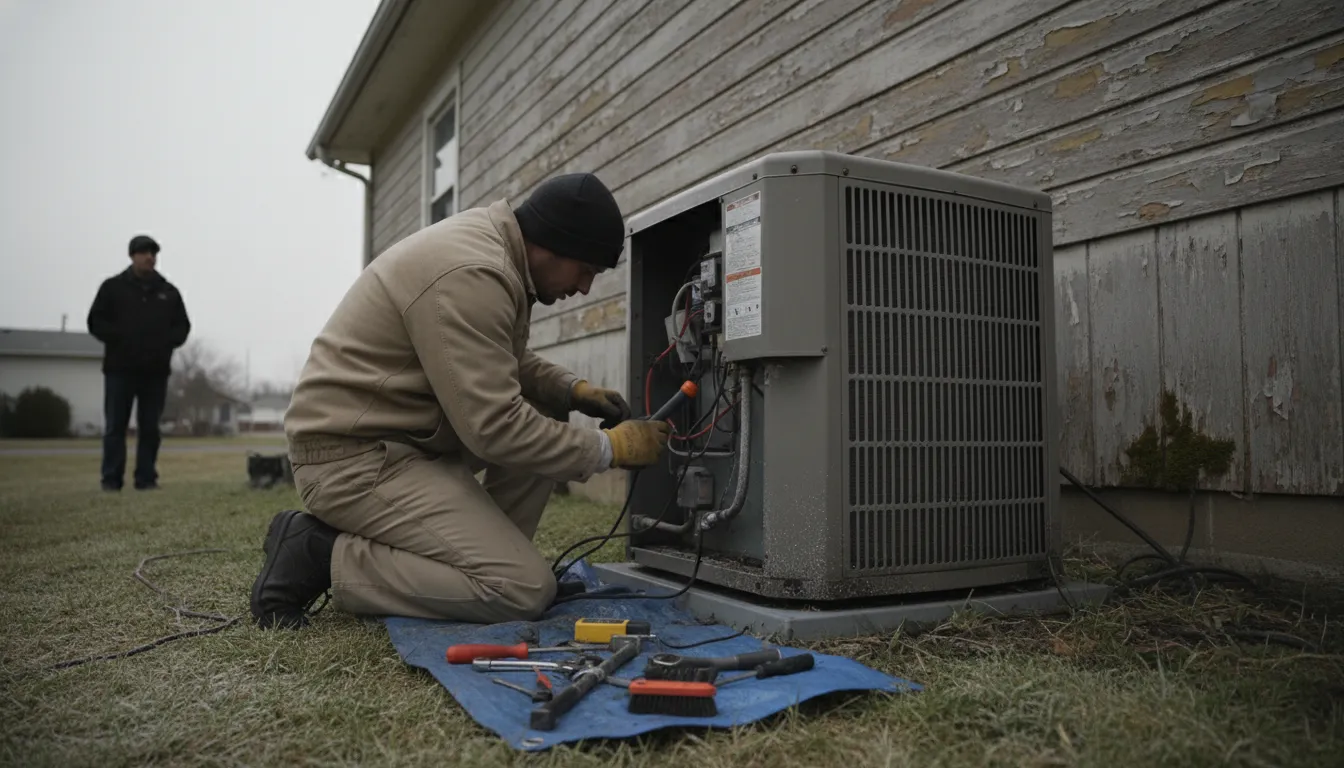
Find the Best Heat Pump Repair Contractors for Your Business
No obligation • Fast responses • Nationwide coverage

Why you can trust HVAC Firms
HVAC Firms is a leading United States resource for evaluating HVAC service providers. Our team researches companies, checks credentials, and reviews customer feedback to present clear, unbiased information. Listings and rankings are based on merit, and companies cannot pay to change our editorial content.
Search providers near you
Top Heat Pump Repair Contractors in Castle Rock, Colorado Ranked
A heat pump is a versatile and efficient system for both heating and cooling your home, making it an excellent choice for Colorado's varied climate. When your heat pump malfunctions, it can lead to discomfort, higher energy bills, and potential system damage. This guide is designed to help Castle Rock homeowners understand common heat pump problems, typical repair processes, and how to connect with qualified local technicians who can restore your home's comfort efficiently.
The Weather Changers Heating and Air Conditioning
10525 E 40th Ave #203, Denver, CO 80239
The Weather Changers Heating and Air Conditioning is an HVAC company based in Denver, CO, offering a full range of heating, cooling, and indoor air quality services. They provide installation, repair, and maintenance for air conditioners, furnaces, heat pumps, ductless systems, and thermostats. The company is a Bryant Factory Authorized Dealer and emphasizes proper sizing and installation to optimize system efficiency and longevity. They serve Denver and surrounding areas including Aurora, Centennial, and Parker. Their expertise includes indoor air quality solutions such as humidifier installation and duct cleaning. The Weather Changers has over 15 years of experience serving multiple properties and offers a 100% satisfaction guarantee.
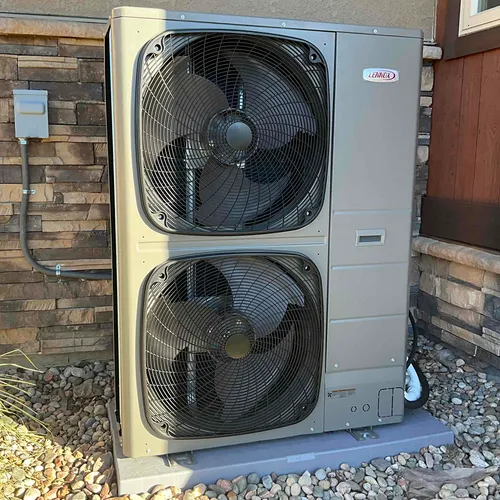
Aim High HVAC
9933 Titan Park Cir, Littleton, CO 80125
Aim High HVAC is a heating and cooling service provider based in Aurora, CO. They specialize in HVAC installation and repair, including air conditioning, furnaces, heat pumps, and indoor air quality services. Serving the greater Colorado area, Aim High HVAC offers same-day repairs and supports various home comfort needs with certified technicians. Established in 2016, the company has built a reputation for integrity and commitment to customer service.
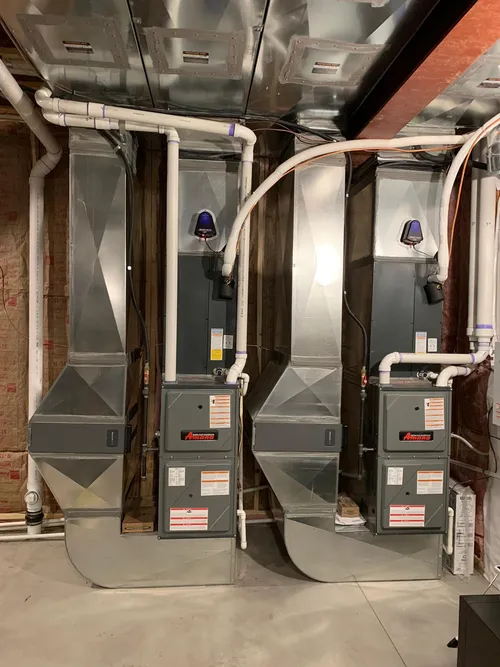
Tuscan Electric Heating & Plumbing
4301 S Federal Blvd suite 116, Sheridan, CO 80110
Tuscan Electric Heating & Plumbing is a multi-licensed home services provider based near Aurora, CO, offering integrated electrical, plumbing, and HVAC solutions. They serve the greater Denver metro area with services including AC and heat pump installation and repair, furnace repair, and HVAC tune-ups. Their team holds Master Electrical, Mechanical, and Plumbing licenses, allowing them to handle complex projects like heat pump installations combined with electrical panel upgrades without subcontractors. Tuscan Electric Heating & Plumbing emphasizes honest recommendations and offers emergency and same-day services to address urgent home system issues promptly.

Emporia Home Services
7901 Shaffer Pkwy STE 100, Littleton, CO 80127
Emporia Home Services is a family-owned HVAC company serving Denver, CO. They provide installation, repair, and maintenance for furnaces, air conditioners, heat pumps, and mini split systems. Their services include HVAC tune-ups and comprehensive heating and cooling solutions designed to improve indoor comfort throughout the year. The company emphasizes a customer-focused approach and offers financing options through trusted lenders. Emporia Home Services is led by experienced technicians dedicated to ensuring efficient system performance and customer satisfaction.

PS Cool Heat
4466 E Hunterwood Dr, Littleton, CO 80130
PS Cool Heat is an HVAC company based in Denver, CO, offering a range of heating and cooling services including installation, repair, and maintenance of air conditioners, furnaces, heat pumps, and mini-split systems. They also provide indoor air quality solutions and thermostat installation. As a Lennox Premier Dealer since 2015, PS Cool Heat is equipped to handle various HVAC needs with expertise in energy-efficient systems. The company provides 24/7 emergency support to ensure heating and cooling issues are addressed promptly.
Understanding Your Heat Pump System
Unlike a traditional furnace that generates heat, a heat pump transfers thermal energy between your home and the outdoors. In winter, it extracts heat from the outside air (even in cold weather) and moves it indoors. In summer, the process reverses to cool your home. This dual functionality relies on a complex set of components, including a compressor, coils, a reversing valve, and refrigerant. When any part of this system fails, the entire unit's performance suffers. Recognizing the signs of trouble early can prevent minor issues from escalating into costly repairs.
Common Heat Pump Issues in Castle Rock
The specific climate and weather patterns in Douglas County can contribute to certain types of heat pump failures. Being aware of these local trends can help you diagnose problems faster.
Refrigerant Leaks and Low Charge
One of the most frequent issues is a loss of refrigerant, which is the lifeblood of your heat pump system. In colder climates, the constant pressure cycles can stress connections and coils, leading to small leaks. Symptoms include reduced heating or cooling capacity, ice buildup on coils, and hissing noises. A technician must locate and seal the leak before recharging the system to the manufacturer's specified level.
Defrost Cycle Malfunctions
During Colorado winters, the outdoor unit's coil can frost over. A properly functioning heat pump will periodically enter a defrost cycle to melt this ice. If the defrost control board, sensor, or reversing valve fails, the unit may remain frozen, severely restricting airflow and halting heat production. This is a common winter complaint for Castle Rock residents.
Dirty Coils and Air Filters
Restricted airflow is a major enemy of efficiency. Dust, pollen, and pet dander can clog the air filter and coat the indoor and outdoor coils 1. This forces the system to work harder, leading to poor performance, higher energy costs, and potential overheating that triggers safety shut-offs. Regular cleaning is a simple but critical maintenance task.
Electrical Component Failures
The capacitor is a small but vital component that helps start the compressor and fan motors. Capacitors can weaken and fail over time, especially after power surges common during Colorado thunderstorms. A bad capacitor will often prevent the unit from starting, though you may hear a humming sound. Other electrical issues can include faulty contactors, wiring problems, or tripped breakers.
Reversing Valve Problems
This valve is what allows your system to switch between heating and cooling modes. If it becomes stuck-often due to debris or mechanical failure-your heat pump may be stuck in one mode. For example, it might blow cool air when you need heat during a Castle Rock cold snap. This repair is more involved and requires a skilled technician.
Short Cycling
This occurs when your heat pump turns on and off every few minutes, never completing a full cycle. It's often caused by an oversized unit, a dirty air filter, a malfunctioning thermostat, or-once again-low refrigerant. Short cycling causes excessive wear on the compressor and drives up your utility bills.
What to Expect During a Professional Service Visit
When you contact a technician for heat pump service, a systematic process is followed to diagnose and resolve the issue. Knowing these steps can help you understand the work being done in your home.
Initial Assessment: The visit typically begins with a discussion of the symptoms you've observed. The technician will then check the thermostat settings, ensure the unit has power (checking breakers and disconnects), and perform a visual inspection of both the indoor and outdoor units for obvious issues like debris blockage or ice buildup.
Comprehensive Diagnostics: Using specialized tools, the technician will measure refrigerant pressures and temperatures, check electrical voltages and amperage on motors, inspect the ductwork for leaks or restrictions, and examine all mechanical components. This step is crucial for pinpointing the root cause, not just a symptom 2.
Repair Execution: Once diagnosed, the technician will explain the problem and the proposed fix. For simple repairs like replacing a capacitor or cleaning coils, this may be completed immediately. For more complex issues like a refrigerant leak, they will repair the leak, perform a vacuum test to ensure the system is sealed, and then recharge it with the correct type and amount of refrigerant.
Final Testing and Verification: After the repair, the technician will restart the system and monitor its operation through a full cycle. They will verify that heating and cooling modes engage correctly, that temperatures are within specification, and that the system runs smoothly without unusual noises or short cycling 3. A good technician will also provide tips on maintaining your system.
Find the perfect heat pump repair contractors for your needs
Get personalized recommendations and expert advice
Repair Timelines and Cost Considerations
The time and cost for heat pump servicing in Castle Rock depend heavily on the problem's complexity and part availability.
Typical Timelines:
- Simple Repairs: Tasks like replacing a capacitor, swapping an air filter, or performing a basic coil clean can often be completed in 1 to 3 hours during a single visit 4.
- Complex Repairs: Fixing a refrigerant leak, replacing a compressor, or repairing a reversing valve are more involved. While the labor itself may take a full day, the timeline can extend if specific parts need to be ordered, which is common for less common component failures 5.
Understanding Costs: A standard service call or diagnostic fee is common, often ranging from $100 to $200, which may be waived if you proceed with the repair. The total repair cost is then added to this fee.
- Example Repairs: A capacitor replacement might cost between $150 and $300 for parts and labor 6. A refrigerant recharge or leak repair will be higher, as it involves both labor and the cost of the refrigerant itself.
- Preventative Value: It's important to view routine maintenance as an investment. An annual tune-up, which includes cleaning, inspection, and adjustments, can identify small issues before they lead to a complete system failure, ultimately saving money on more expensive emergency repairs.
Maintaining Your Heat Pump for Longevity
Proactive care is the best way to ensure reliability and efficiency. Homeowners can perform some tasks, while others should be left to professionals.
Homeowner Maintenance Tasks:
- Monthly Filter Changes: Replace or clean your air filter every 1-3 months, especially during peak heating and cooling seasons.
- Clear Outdoor Unit: Keep at least two feet of clearance around the outdoor condenser. Regularly remove leaves, grass clippings, and snow.
- Visual Inspections: Periodically check for visible ice on the coils in winter or excessive dirt buildup.
Professional Maintenance Services: An annual professional inspection is recommended, ideally in the spring or fall before peak season demands. A thorough maintenance visit will include cleaning of indoor and outdoor coils, checking and tightening electrical connections, lubricating moving parts (if applicable), verifying refrigerant charge, testing the defrost cycle, and inspecting ductwork 7 8 9. This service optimizes performance and can significantly extend the lifespan of your system.
Choosing a Service Provider in Castle Rock
Selecting the right technician is crucial. Look for a licensed, insured, and NATE-certified (North American Technician Excellence) professional with specific experience in heat pump systems, which differ from conventional AC units. Read local reviews, ask for references, and ensure they provide clear, upfront estimates. A reputable company will be transparent about their diagnostic process, explain your options, and stand behind their work with a warranty on both parts and labor.
Frequently asked questions
Sources
Footnotes
-
Heat Pump Maintenance in Castle Rock, CO - https://www.heating-ac.com/heat-pump/heat-pump-maintenance-castle-rock-co ↩
-
Castle Rock heat pump repair - Nytech Heating, Cooling - https://www.nytechmetal.com/heat-pump-repair ↩
-
My Heat Pump Isn't Heating: A Homeowner's Troubleshooting Guide - https://www.southern-air.com/blog/heat-pump-not-heating ↩
-
Heat Pump & HVAC Maintenance Auckland | AC Repair Services - EPS - https://epservices.co.nz/electrical-services/heat-pump-repairs/ ↩
-
Heat Pump Repair in Castle Rock, Colorado - https://www.rockheating.com/hvac-services/heat-pump-repair/ ↩
-
Heat Pump Repair Castle Rock CO | Emergency HVAC Service - https://avalanchehomesystems.com/heat-pump/heat-pump-repair-castle-rock/ ↩
-
10 Things That Should be Included in a Heat Pump Inspection - https://iaqcolorado.com/blog/10-things-that-should-be-included-in-a-heat-pump-inspection/ ↩
-
Operating and Maintaining Your Heat Pump | Department of Energy - https://www.energy.gov/energysaver/operating-and-maintaining-your-heat-pump ↩
-
Servicing your heat pump | Daikin - https://www.daikin.co.uk/en_gb/residential/inspiration/articles/servicing-your-heat-pump.html ↩