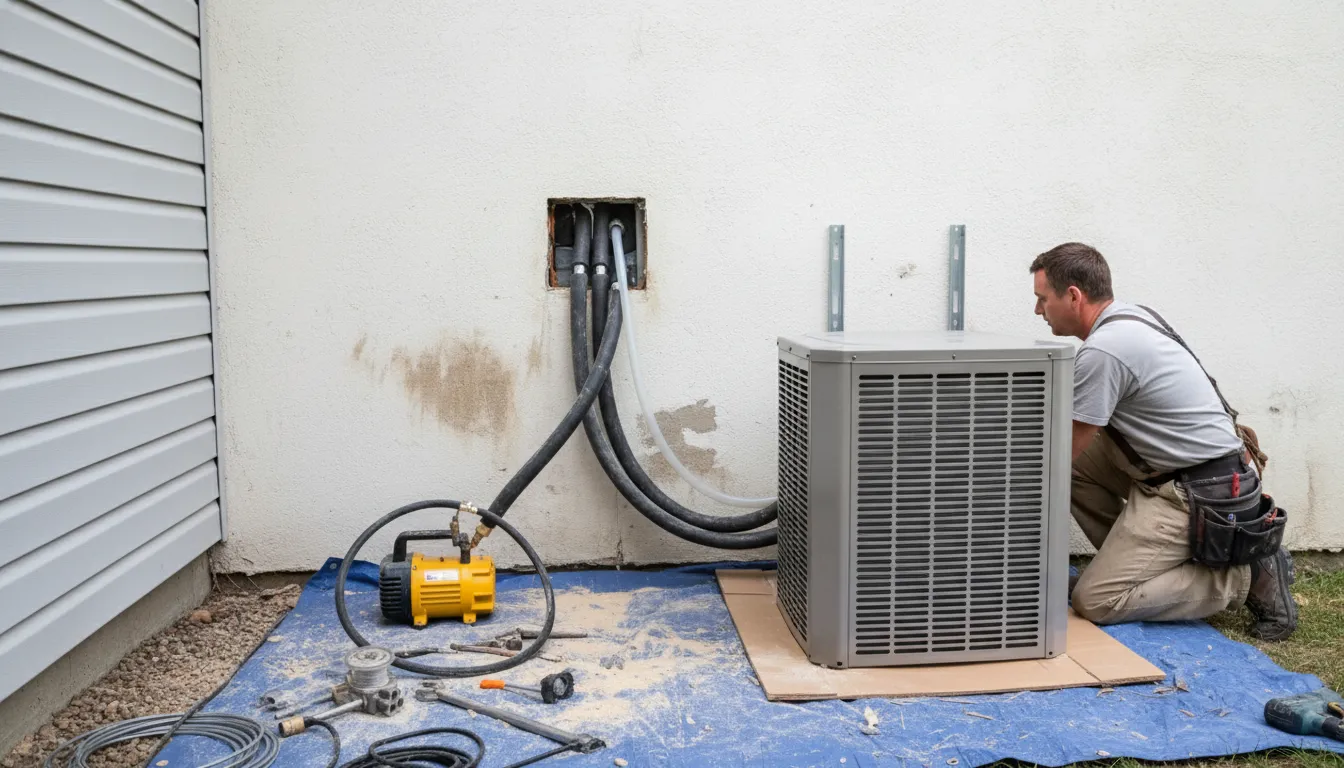
Find the Best Heat Pump Installation & Replacement Contractors for Your Business
No obligation • Fast responses • Nationwide coverage

Why you can trust HVAC Firms
HVAC Firms is a leading United States resource for evaluating HVAC service providers. Our team researches companies, checks credentials, and reviews customer feedback to present clear, unbiased information. Listings and rankings are based on merit, and companies cannot pay to change our editorial content.
Search providers near you
Top Heat Pump Installation & Replacement Contractors in Providence, Rhode Island Ranked
Modernizing your home's heating and cooling system with a heat pump is one of the most impactful upgrades a Providence homeowner can make. These versatile systems provide efficient, year-round comfort by moving heat rather than generating it, offering both heating in the winter and cooling in the summer. For residents navigating Rhode Island's distinct seasons, understanding the types of systems available, the critical importance of cold-climate performance, and the substantial financial incentives can transform a significant investment into a source of long-term savings and comfort. This guide will help you understand your options for heat pump services in Providence and how to find qualified local professionals for your project.
Accurate LLC
5 Millhouse Ave, Randolph, MA 02368
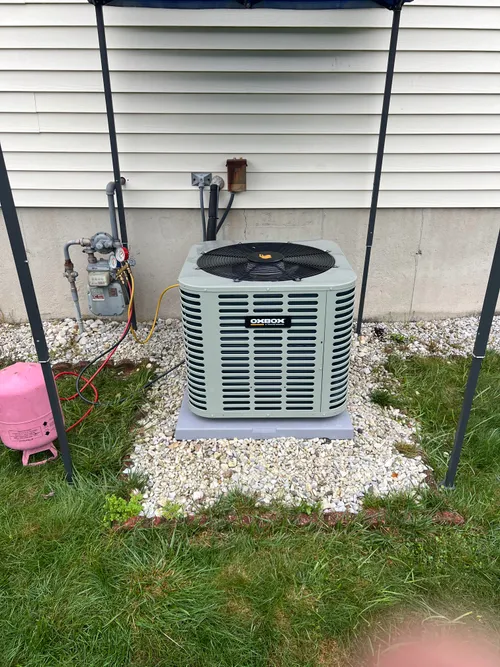
Accurate LLC is a veteran-owned HVAC contractor based in Boston, MA, specializing in residential and commercial installation services. Since 2004, they have provided installation of HVAC systems, gas furnaces, mini splits, and heat pumps. The company offers 24/7 emergency services to address urgent HVAC needs promptly. Accurate LLC is committed to energy efficiency and sustainable practices as a member of Northeast Energy Efficiency Partnerships (NEEP).
Girvan Mechanical
Boston, MA
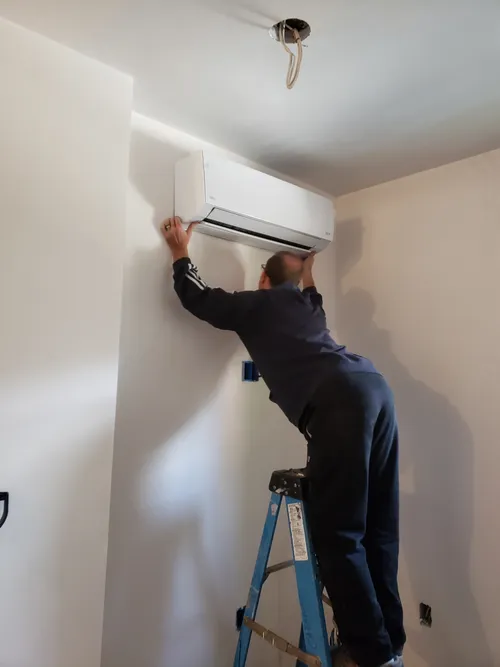
Girvan Mechanical is an HVAC company based in Boston, MA, offering a full range of heating and cooling services. They specialize in the installation, repair, and maintenance of furnaces, boilers, heat pumps, air conditioners, and ductless mini-split systems. The company also provides duct cleaning and indoor air quality services, including fog systems that eliminate mold, allergens, and mildew spores in ductwork. Girvan Mechanical serves both residential and commercial customers with expertise in complete HVAC system installations and preventative maintenance.
Why Consider a Heat Pump in Providence?
Providence's climate, with its humid summers and cold, snowy winters, makes an efficient, dual-purpose system highly attractive. Unlike traditional furnaces or boilers that burn fuel to create heat, a heat pump transfers existing heat from one place to another. In winter, it extracts heat from the outside air (or ground) and moves it indoors. In summer, the process reverses, pulling heat from your home and expelling it outside, functioning as an air conditioner. This technology can lead to substantial energy savings, especially when replacing older electric resistance heating, oil, or propane systems.
The move towards heat pumps is also strongly supported by state and federal initiatives aimed at reducing carbon emissions and energy costs. Rhode Island has set ambitious goals for electrifying heating systems, making now an opportune time for homeowners to explore this upgrade with the help of available rebates and tax credits.
Types of Heat Pump Systems
Choosing the right type of heat pump is the first critical decision. The main categories are defined by their heat source and how they distribute air throughout your home.
Air-Source Heat Pumps (ASHPs)
This is the most common and versatile type for residential use in Providence. Air-source systems transfer heat between your home and the outside air. They come in two primary configurations:
- Ducted Systems: These units connect to your home's existing ductwork, providing whole-home heating and cooling from a single outdoor unit. They are an excellent choice if you already have functional ducts from a forced-air furnace.
- Ductless Mini-Split Systems: These systems consist of an outdoor compressor unit connected to one or more indoor wall- or ceiling-mounted air handlers. They are ideal for homes without existing ducts, for room additions, or for providing zoned comfort control in different parts of the house. Mini-splits offer tremendous flexibility in design and installation.
Ground-Source Heat Pumps (Geothermal)
Geothermal systems use the stable temperature of the earth below the frost line as a heat exchange source. While they boast the highest efficiency ratings and lowest operating costs, they come with a significantly higher upfront cost due to the extensive ground-loop installation required. They represent a premium, long-term investment in efficiency 1 2.
Key Features for Providence Winters
Not all heat pumps are created equal for New England winters. Selecting a unit specifically designed for cold climates is non-negotiable for reliable Providence performance 3.
- Cold-Climate Rating: Look for models certified to provide sufficient heating capacity at very low temperatures. A key benchmark is a unit's ability to deliver 70% or more of its rated heating capacity at an outdoor temperature of 5°F. These models often include advanced vapor-injection technology to maintain efficiency in the cold.
- High HSPF and SEER Ratings: The Heating Seasonal Performance Factor (HSPF) measures heating efficiency, while the Seasonal Energy Efficiency Ratio (SEER) measures cooling efficiency. In Providence, a high HSPF is particularly important. The higher these numbers, the more efficient the unit.
- Integrated Backup Heat: During extreme cold snaps (typically below the unit's rated minimum temperature), a supplemental or backup heat source may activate. This is often in the form of electric resistance heating strips. Understanding how this backup works and its potential impact on your electricity bill during the coldest days is an important part of system planning.
Find the perfect heat pump installation & replacement contractors for your needs
Get personalized recommendations and expert advice
Understanding Costs and Incentives
The investment in a heat pump system varies widely based on the type of system, your home's size and layout, and the complexity of the installation.
- Air-Source Heat Pump (Whole-Home, Ducted): $15,000 - $30,000+
- Ductless Mini-Split (Single-Zone): Starting around $7,000
- Multi-Zone Mini-Split System: $10,000 - $20,000+
- Ground-Source (Geothermal) System: $35,000+
Crucially, these upfront costs are substantially offset by powerful incentives:
- RI Energy Rebates: Rhode Island's Office of Energy Resources offers direct rebates for qualifying clean heating and cooling installations. For air-source heat pumps, rebates can be up to $2,500, depending on the system's efficiency and capacity. These rebates are typically processed directly through your participating contractor 4.
- Federal Tax Credit: The federal Residential Clean Energy Credit provides a tax credit worth 30% of the total installation cost, with no upper limit. This includes the cost of the equipment, labor, and any necessary electrical upgrades. This credit can amount to thousands of dollars back on your federal income taxes 5 6.
When combined, these incentives can reduce the net cost of a system by 40-50%, dramatically improving the return on investment and payback period through monthly energy savings.
The Critical Role of Professional Installation
A heat pump is a sophisticated piece of equipment, and its performance, efficiency, and lifespan are directly tied to the quality of its installation. Proper sizing, refrigerant charging, electrical work, and system commissioning are not DIY projects. An undersized unit will struggle to heat your home, while an oversized unit will short-cycle, reducing comfort, efficiency, and equipment life.
Steps to ensure a quality installation:
- Get a Home Energy Audit: Many incentive programs recommend or require an audit. A professional auditor will assess your home's insulation, air leakage, and heating loads, providing a report that helps your contractor right-size your system for optimal efficiency.
- Seek Certified Professionals: Look for HVAC contractors with specific certifications in heat pump installation, such as NATE (North American Technician Excellence) certification. They should have proven experience installing cold-climate models in Providence-area homes.
- Get Multiple Detailed Quotes: A professional quote should include a detailed load calculation (Manual J), specific model numbers with their SEER/HSPF ratings, a clear scope of work, and a breakdown of all costs before and after incentives.
Evaluating Your Potential Savings
The operating cost savings of a heat pump depend largely on what fuel you are replacing.
- Replacing Electric Resistance Heat or Oil: Homeowners often see the most dramatic savings, potentially reducing heating bills by 30-50% 7 8.
- Replacing Natural Gas: The comparison is more nuanced. While heat pumps are significantly more efficient, the relative cost of electricity versus gas in Rhode Island will determine your savings. A heat pump's added benefit of highly efficient summer cooling and access to incentives often makes it a compelling choice even when gas is available.
- Overall Energy Impact: By providing both heating and cooling from one ultra-efficient electric system, you consolidate your home's largest energy loads, often leading to a lower total annual energy bill and a reduced carbon footprint.
Frequently asked questions
Sources
Footnotes
-
The Ultimate Guide to Heat Pumps - https://www.martelplumbingri.com/blog/ultimate-guide-rhode-island-heat-pumps/ ↩
-
Air-Source Heat Pumps | Rhode Island Office of Energy ... - https://energy.ri.gov/heating-cooling/renewables/air-source-heat-pumps ↩
-
Heat Pump Performance in Rhode Island Winters - UG Nasons - https://ugnasons.com/energy-efficiency/heat-pump-performance-in-rhode-island-winters-separating-fact-from-fiction/ ↩
-
RESIDENTIAL GUIDE TO AIR SOURCE HEAT PUMPS - https://energy.ri.gov/sites/g/files/xkgbur741/files/2022-11/OER%20Guide%20to%20Air%20Source%20Heat%20Pumps.pdf ↩
-
Clean Heating & Cooling Incentives | Rhode Island Office of Energy ... - https://energy.ri.gov/heating-cooling/clean-heating-cooling-incentives ↩
-
Find the Best Heat Pump Installation Pros In Providence, RI - https://modernize.com/near-me?find=heat-pump-installation&location=Providence,RI ↩
-
Heat Pumps in Rhode Island: Pros and Cons to Know Before ... - https://www.neighborhoodsolar.us/post/heat-pumps-in-rhode-island-pros-and-cons-to-know-before-buying-and-installing ↩
-
Heat Pump vs Traditional Heating RI | Best Winter Options - https://ugnasons.com/energy-efficiency/heat-pump-vs-traditional-heating-what-works-best-in-rhode-island-winters/ ↩