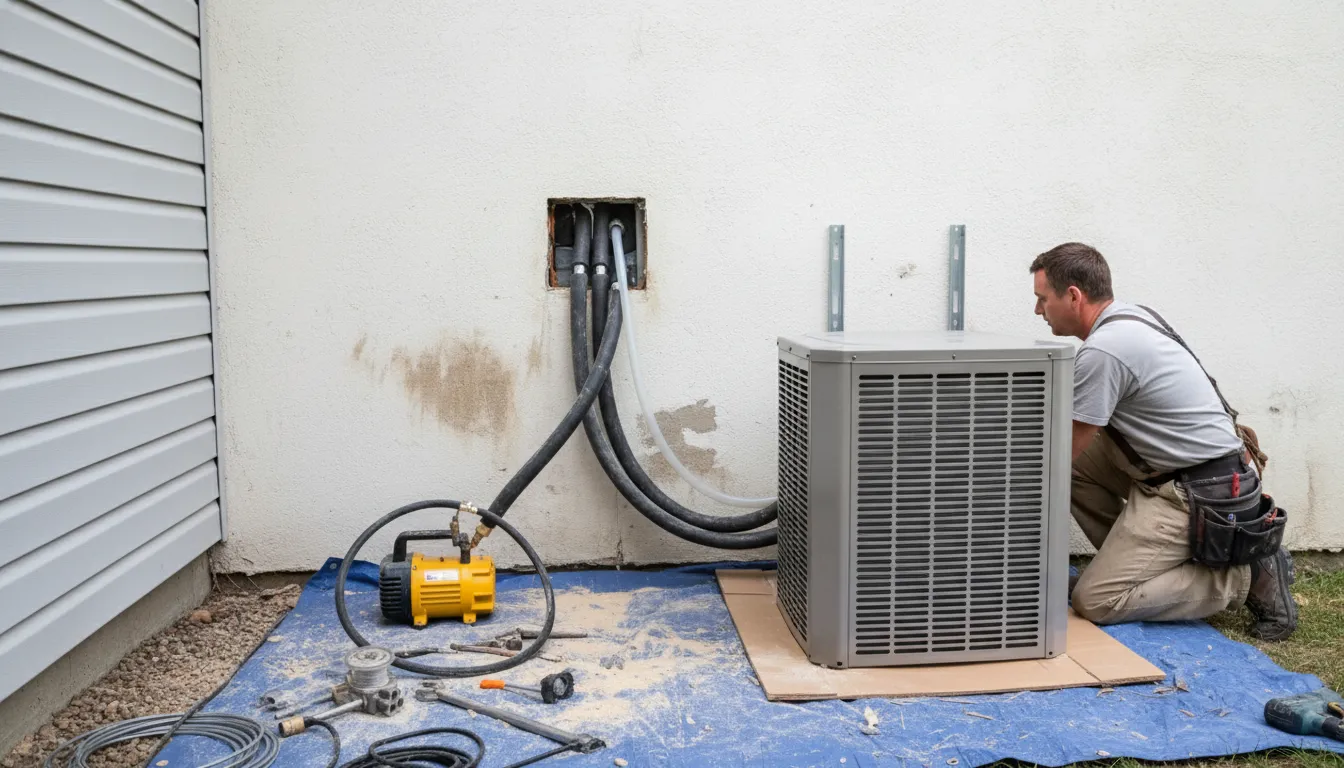
Find the Best Heat Pump Installation & Replacement Contractors for Your Business
No obligation • Fast responses • Nationwide coverage

Why you can trust HVAC Firms
HVAC Firms is a leading United States resource for evaluating HVAC service providers. Our team researches companies, checks credentials, and reviews customer feedback to present clear, unbiased information. Listings and rankings are based on merit, and companies cannot pay to change our editorial content.
Search providers near you
Top Heat Pump Installation & Replacement Contractors in Euclid, Ohio Ranked
Upgrading your home's heating and cooling system with a heat pump is a smart investment in year-round comfort and energy efficiency. For Euclid residents, these systems offer a dual-function solution, providing both heating in the winter and cooling in the summer from a single unit. This guide will help you understand the types of systems available, what to consider for our local climate, and how to connect with qualified professionals for your project.

Lakeshore Heating & Cooling
1017 Woodstock Rd, Eastlake, OH 44095
Lakeshore Heating & Cooling is a locally owned HVAC contractor based in Eastlake, Ohio, serving Cleveland and surrounding areas including Willoughby, Mentor, and Painesville. They offer a full range of heating and cooling services such as furnace, boiler, heat pump, and air conditioning repair and installation, along with thermostat and mini split system services. The company is known for handling all major brands and providing tailored solutions to improve home comfort and energy efficiency. Lakeshore Heating & Cooling holds an A+ BBB rating and has earned a strong reputation for quality workmanship and customer care.
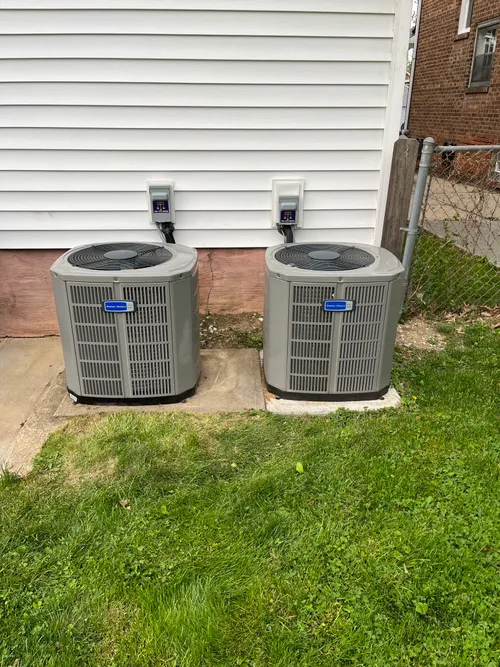
Balanced Air Heating & Cooling
23672 Lorain Rd, North Olmsted, OH 44070
Balanced Air Heating & Cooling is an HVAC contractor based in Cleveland, OH, offering repair, maintenance, and installation services for heating and cooling systems. Founded in 2022 by Jeremy Hall, the company provides balanced service focused on customer satisfaction without commission-based technician pay. They specialize in air conditioning, furnace, heat pump, and indoor air quality services, ensuring systems operate efficiently and comfortably.
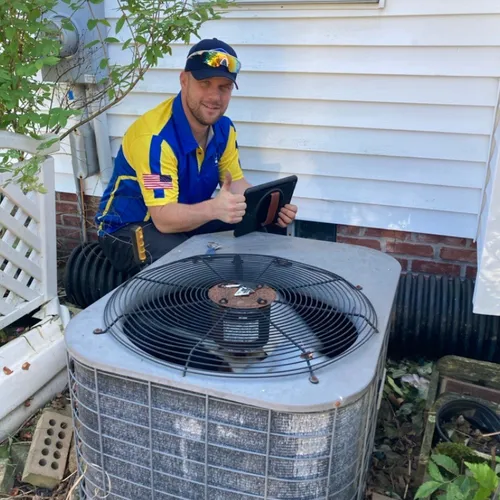
Jackson Comfort Services
499 E Twinsburg Rd, Northfield, OH 44067
Jackson Comfort Services is an HVAC company based in Cleveland, OH, offering installation and repair for air conditioning, furnaces, heat pumps, and boilers. They serve Summit and Cuyahoga Counties and have been providing cooling, heating, and plumbing services for over 95 years.

W.F. Hann and Sons
26401 Miles Rd, Warrensville Heights, OH 44128
W.F. Hann and Sons is an HVAC and plumbing company serving Cleveland, OH, and the surrounding Northeast Ohio area. Established in 1907, they offer heating and cooling services including furnace, boiler, heat pump, and air conditioning repair and installation. Their team is factory-trained and certified, providing emergency services and maintenance for residential and commercial customers. The company also handles plumbing needs such as water heater installation and drain cleaning. W.F. Hann and Sons is known for upfront pricing and detailed proposals, with technicians available around the clock for urgent repairs.
Tri-Den LLC
7869 Enterprise Dr, Mentor, OH 44060
Tri-Den LLC is an HVAC contractor based in Cleveland, OH, specializing in heating and cooling installation, including air conditioners, furnaces, and heat pumps. They also provide indoor air quality services and HVAC tune-ups to maintain system efficiency and comfort. The company offers comprehensive service and maintenance options to support home climate control needs.
Understanding Heat Pump Technology for Your Home
A heat pump doesn't generate heat; instead, it moves it. In the winter, it extracts heat energy from the outside air-even cold air-and transfers it indoors. In the summer, the process reverses, pulling heat from your home and releasing it outside, functioning as an air conditioner. This efficient transfer of energy is what makes modern heat pumps, especially cold-climate models, a viable and cost-effective primary heating source for Ohio homes 1.
The primary benefit is dual functionality, eliminating the need for separate heating and cooling systems. For Euclid homeowners, this means consistent comfort throughout the year with a single, efficient appliance. Modern units are designed to operate efficiently in temperatures well below freezing, making them a reliable choice for our regional weather patterns.
Types of Heat Pump Systems
Choosing the right system depends on your home's existing infrastructure and your specific comfort goals. Here are the most common configurations available from local providers.
Air-Source Heat Pumps (ASHP) with Air Handler
This is the most common setup for homes with existing ductwork. The outdoor unit is connected to an indoor air handler or electric furnace, which uses the home's ducts to distribute conditioned air. It's a straightforward replacement for a traditional central air conditioner and furnace combo.
Ductless Mini-Split Systems
Ideal for homes without ducts, for room additions, or for creating customized temperature zones. A single outdoor condenser can connect to multiple indoor air handlers mounted on walls or ceilings. This type of mini-split installation offers excellent flexibility and efficiency, as you can control temperatures room-by-room.
Hybrid or Dual-Fuel Systems
This configuration pairs a heat pump with a gas furnace. The heat pump handles heating during milder weather for maximum efficiency, while the system automatically switches to the gas furnace during periods of extreme cold. This provides an excellent balance of efficiency and reliable backup heat for the coldest Euclid nights.
Geothermal Heat Pumps
Also known as ground-source heat pumps, these are the most efficient option. They exchange heat with the stable temperature of the earth via an underground loop system. While they have the highest upfront cost due to the required excavation, they offer the lowest operating costs and longest equipment life.
Key Considerations for Euclid's Climate
Ohio's climate presents specific challenges and opportunities for heat pump performance. Selecting the right equipment is crucial for winter comfort and efficiency.
- Cold-Climate Performance: Always specify a cold-climate rated heat pump. These models are engineered with enhanced vapor injection or other technologies to maintain heating capacity and efficiency at temperatures as low as -15°F or below, ensuring reliable heat during our winters.
- Efficiency Ratings: Pay close attention to SEER2 (Seasonal Energy Efficiency Ratio) for cooling and HSPF (Heating Seasonal Performance Factor) for heating. Higher ratings mean greater efficiency and lower utility bills. For our region, a variable-speed compressor paired with a high HSPF rating is often the best investment for balancing upfront cost with long-term savings 2.
- Proper Sizing: A "ton" refers to cooling capacity, and proper sizing is critical. An undersized unit will struggle to keep your home comfortable, while an oversized unit will short-cycle, leading to uneven temperatures, higher humidity, and increased wear. A 3-ton unit is typical for an average-sized Euclid home, but a professional should perform a Manual J load calculation to determine the exact need.
Find the perfect heat pump installation & replacement contractors for your needs
Get personalized recommendations and expert advice
Understanding Investment and Value
The cost of a new heat pump system in Euclid varies widely based on the type, size, efficiency, and complexity of the installation.
Air-Source Heat Pump with Air Handler: For a standard, ducted system, homeowners can expect a range of $8,000 to $12,000+ for a quality installation 3 4.
Ductless Mini-Split System: Costs depend on the number of zones (indoor units). A single-zone system may start around $3,500 to $5,000, while multi-zone setups can range from $7,000 to $10,000 or more5.
High-Efficiency & Specialty Systems: Advanced variable-speed air-source models or hybrid systems often fall in the $10,000 to $18,000 range. Geothermal systems represent the highest investment, typically starting above $20,000 due to ground loop installation 6 7 8.
These figures are influenced by your home's size, the condition of existing electrical service and ductwork, and the labor involved. Always obtain multiple detailed quotes to compare not just price, but the proposed equipment, scope of work, and warranties 9.
Navigating Financial Incentives
The initial investment in a high-efficiency heat pump can be offset by various rebates and incentives.
- Federal Tax Credits: The federal Inflation Reduction Act (IRA) offers tax credits for qualifying high-efficiency heat pump installations. This can directly reduce your tax liability.
- Utility Rebates: Local utilities, such as The Illuminating Company, often provide rebates for upgrading to ENERGY STAR® certified heat pumps. These are typically point-of-sale discounts or check rebates.
- Special Financing: Many HVAC contractors offer promotional financing options with low or no interest for qualified buyers, making the upgrade more manageable.
A reputable local professional will be knowledgeable about current available incentives and can help you identify which ones apply to your project.
The Professional Installation Process
A successful heat pump replacement hinges on quality installation. The process typically involves:
- Initial Consultation & Load Calculation: A technician assesses your home, discusses needs, and calculates the precise size required.
- System Design & Quote: They present options, explain efficiency differences, and provide a detailed written proposal.
- Preparation & Installation: The old equipment is safely removed. The new outdoor unit and indoor coil or air handler are installed, along with new refrigerant lines, electrical connections, and thermostat.
- Testing & Commissioning: The system is charged with refrigerant, started, and tested for proper airflow, charge, and operation in both heating and cooling modes.
- Owner Orientation: The technician explains your new system's operation, maintenance needs, and warranty details.
Choosing a licensed, insured, and NATE-certified installer ensures this process meets the highest standards, protecting your investment and your home's safety.
Maintaining Your New System
To ensure longevity and peak efficiency, regular maintenance is key. This includes simple tasks like keeping outdoor units clear of debris and changing indoor air filters monthly. It's also advisable to schedule a professional tune-up twice a year-typically in the spring and fall-to check refrigerant levels, electrical components, and overall system performance. Proper maintenance maximizes efficiency, prevents unexpected breakdowns, and upholds the manufacturer's warranty.
Frequently asked questions
Sources
Footnotes
-
Benefits Of Heat Pumps In OH Climate | HVAC Experts - https://www.vehbrothers.com/blog/heat-pumps-in-ohio/ ↩
-
How Much Does It Cost to Install a Heat Pump in 2026? - https://www.callmattioni.com/blog/t-heat-pump-cost-of-installation/ ↩
-
2026 Heat Pump Replacement Cost | Heat Pump Installation Pricing - https://www.watkinsheating.com/replace/new-heat-pump-pricing/ ↩
-
The Ultimate Guide to Choosing the Right HVAC System for ... - https://www.heartofohiohvac.com/blog/the-ultimate-guide-to-choosing-the-right-hvac-system-for-your-home/ ↩
-
Heat Pump Cost Analysis: What To Expect & How It's Determined - https://clinesairconditioning.com/heat-pump-cost/ ↩
-
Heat Pump Cost & Replacement Cost Guide - Rahn Industries - https://rahnindustries.com/2023/08/08/heat-pump-replacement-cost-guide/ ↩
-
2026 Heat Pump Cost Guide: Purchase, Installation & Repair - https://www.carrier.com/residential/en/us/products/heat-pumps/how-much-does-a-heat-pump-cost/ ↩
-
How Much Does a Heat Pump Cost in Columbus, OH? | Angi - https://www.angi.com/articles/how-much-does-heat-pump-cost/oh/columbus ↩
-
How Much Do Heat Pumps Cost? (2024 Price Estimate Guide) - https://jarboes.com/knowledge-center/how-much-do-heat-pumps-cost/ ↩