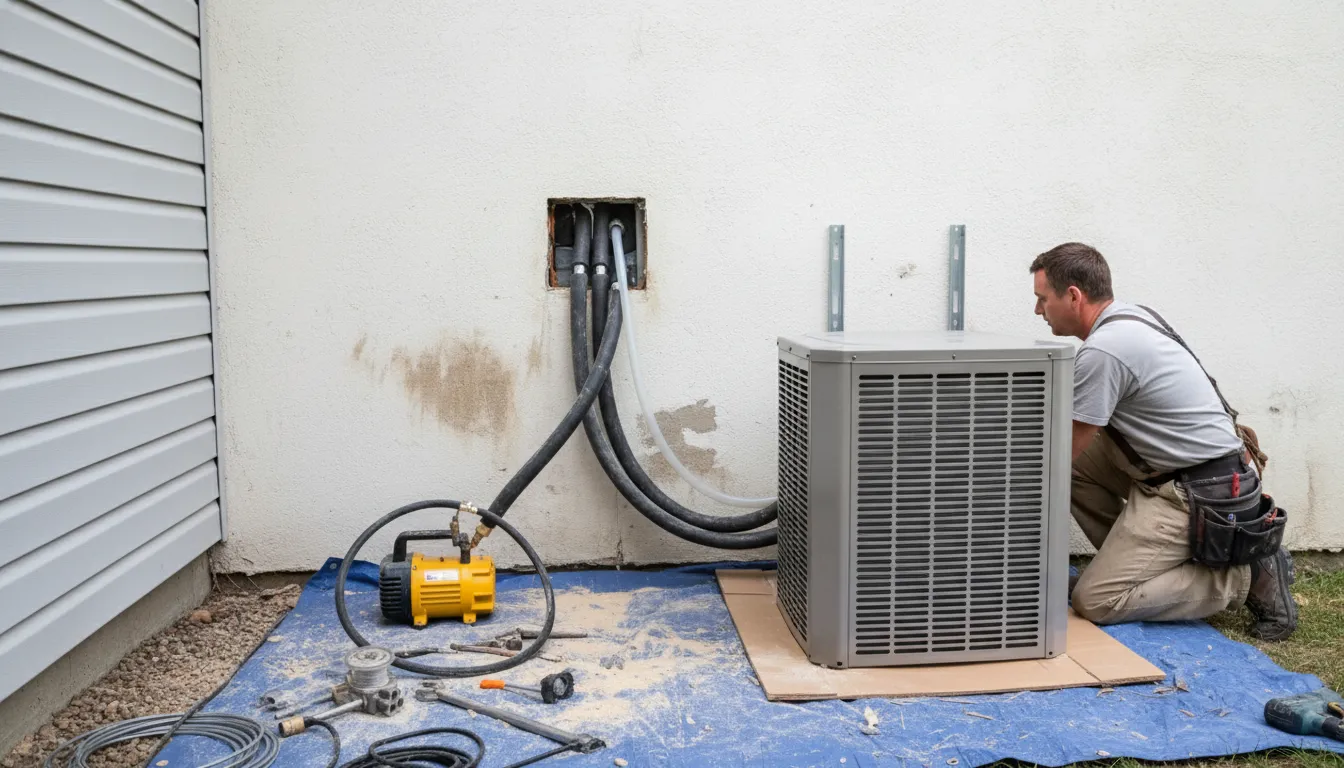
Find the Best Heat Pump Installation & Replacement Contractors for Your Business
No obligation • Fast responses • Nationwide coverage

Why you can trust HVAC Firms
HVAC Firms is a leading United States resource for evaluating HVAC service providers. Our team researches companies, checks credentials, and reviews customer feedback to present clear, unbiased information. Listings and rankings are based on merit, and companies cannot pay to change our editorial content.
Search providers near you
Top Heat Pump Installation & Replacement Contractors in Elizabeth, New Jersey Ranked
A heat pump is a versatile and energy-efficient system that provides both heating and cooling for your home by transferring heat rather than generating it. For Elizabeth residents, this technology offers a modern solution to manage New Jersey's varied climate, from humid summers to chilly winters, all while potentially lowering energy bills. This guide will help you understand your options, from system types and costs to finding qualified local professionals for your installation or replacement project.
KOKA-TECH HVAC INC
60-21 Menahan St, Ridgewood, NY 11385
KOKA-TECH HVAC INC provides professional heating and cooling services in New York, NY, including installation, repair, and tune-ups for air conditioners, furnaces, heat pumps, boilers, and mini splits. They offer 24/7 emergency support and same-day availability, serving Queens, Brooklyn, Manhattan, Bronx, and Long Island. The company is licensed and insured, with a strong local presence and expertise in NYC buildings. With nearly 300 five-star reviews, KOKA-TECH HVAC INC is recognized for upfront quotes and customer approval before starting work.
Air Cubes HVAC
2431 Dorchester Rd, Union, NJ 07083
Air Cubes HVAC is a family-owned HVAC contractor serving Newark, NJ, and surrounding areas in Essex, Hudson, Middlesex, and Union counties. They provide heating and air conditioning services including installation, repair, and maintenance for furnaces, air conditioners, heat pumps, and duct systems. The company is fully licensed and insured, with a master HVACR contractor leading the team. Air Cubes HVAC offers duct cleaning and HVAC tune-up services to help maintain system efficiency and comfort year-round.
Aeromark Mechanical Inc
153 Morgan St, Jersey City, NJ 07302
Aeromark Mechanical Inc provides residential and commercial HVAC services in New York, NY, and the surrounding Northern New Jersey area. They specialize in heating and air conditioning repair, installation, and maintenance, including heat pumps, ductless HVAC systems, and indoor air quality solutions. With over 15 years of experience, Aeromark Mechanical offers seasonal maintenance plans and has expertise in installing advanced systems like VRF and high-velocity HVAC. Their certified technicians also handle smart thermostat installations and duct repair services.
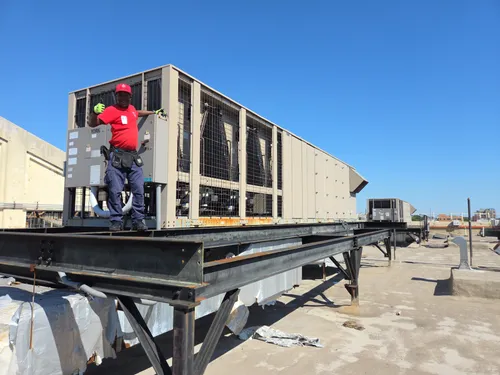
American HVAC Corp - Brooklyn, Heating, Air Conditioning, Refrigeration, Ductless Mini Split, Rooftop, Commercial HVAC NYC
77 Sands St 6th Floor, Brooklyn, NY 11201
American HVAC Corp - Brooklyn, Heating, Air Conditioning, Refrigeration, Ductless Mini Split, Rooftop, Commercial HVAC NYC provides HVAC repair, installation, and maintenance services in New York, NY. Their certified technicians handle a wide range of heating and air conditioning equipment, including furnaces, heat pumps, mini splits, and rooftop systems. The company serves numerous neighborhoods across Brooklyn and extends service to Queens, Manhattan, Staten Island, and The Bronx. They support various industries such as banks, data centers, educational institutions, and commercial office buildings. Their technicians are accredited by EPA and NATE, ensuring professional expertise.
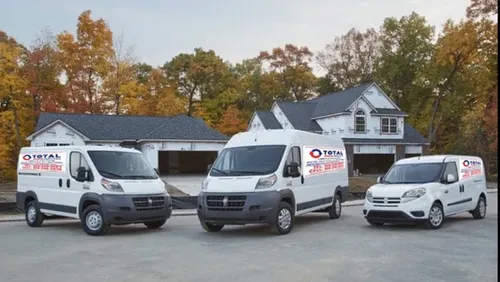
Total HVACR Services LLC
Newark, NJ
Total HVACR Services LLC is an HVAC company based in Newark, NJ, offering a full range of heating, ventilation, air conditioning, and refrigeration repair and installation services. They provide expertise in AC, furnace, heat pump, and boiler systems, covering both repairs and new installations. The company has built a reputation over many years by maintaining professional and timely service standards.
Understanding Heat Pump Systems
At its core, a heat pump works like a reversible air conditioner. In the summer, it extracts heat from inside your home and releases it outdoors. In the winter, the process reverses, pulling ambient heat from the outside air (or ground) and moving it indoors to warm your living spaces. This efficient method of heat transfer is what makes these systems a compelling choice for year-round comfort in Elizabeth.
The primary benefit is efficiency. Because a heat pump moves existing heat rather than creating it by burning fuel, it can deliver over three times more heat energy than the electrical energy it consumes. This translates to significant savings on utility bills compared to maintaining separate, less efficient heating and cooling systems.
Main Types of Heat Pumps
Not all heat pumps are the same. The right type for your Elizabeth home depends on your existing infrastructure, property, and comfort goals.
-
Air-Source Heat Pumps (ASHP): This is the most common type installed in New Jersey. It exchanges heat with the outside air and comes in two main configurations.
- Ducted Systems: These connect to your home's existing ductwork, similar to a central air conditioner or furnace. They are an excellent choice for whole-home heating and cooling if you already have functional ducts.
-
Ductless Mini-Splits: These systems consist of an outdoor unit connected to one or more indoor wall-mounted units. They are ideal for homes without ducts, for room additions, or for creating "zones" with independent temperature control in different parts of the house.
-
Geothermal (Ground-Source) Heat Pumps: These systems exchange heat with the relatively constant temperature of the earth via a network of underground pipes. They are the most efficient type available and can lead to the highest long-term savings, but they come with a significantly higher upfront cost due to the extensive excavation and installation required.
Why a Heat Pump is a Smart Choice for Elizabeth, NJ
Elizabeth's climate, with its warm, humid summers and cold winters, is well-suited for modern heat pump technology. Here's why:
- Dual-Functionality: One system handles both your heating and cooling needs, simplifying maintenance and potentially freeing up space in your utility area.
- Energy Savings: By leveraging heat transfer, heat pumps are exceptionally efficient for both heating and cooling, which can lead to lower monthly energy costs compared to traditional systems like electric resistance heat or older air conditioners 1.
- Improved Comfort: Many models offer variable-speed compressors and fans that provide more consistent temperatures and better humidity control than standard on/off systems.
- Cold-Climate Performance: Older heat pumps struggled in freezing temperatures, but today's cold-climate air-source heat pumps are specifically engineered to operate efficiently in sub-freezing conditions, making them a reliable primary heat source for New Jersey winters.
Key Factors in Heat Pump Selection and Installation
A successful installation hinges on more than just choosing a unit. Proper sizing, efficiency ratings, and professional installation are critical.
Sizing is Everything
An improperly sized heat pump will lead to poor performance, higher energy bills, and reduced system lifespan. A unit that's too large will short-cycle (turn on and off frequently), failing to dehumidify properly in summer. One that's too small will struggle to keep your home comfortable during temperature extremes.
Professionals perform a Manual J calculation to determine the correct size. This complex assessment considers your home's square footage, insulation levels, window types, air leakage, and local climate data to specify the required capacity, measured in tons 2. For example, a typical 1,500-square-foot home in Elizabeth might require a 3-ton system, but only a detailed calculation can confirm this.
Understanding Efficiency Ratings
When comparing models, pay attention to these key ratings:
- SEER (Seasonal Energy Efficiency Ratio): Measures cooling efficiency. The higher the SEER, the more efficient the cooling. Modern standards require high ratings for significant energy savings.
- HSPF (Heating Seasonal Performance Factor): Measures heating efficiency. A higher HSPF indicates a more efficient heating performance, which is crucial for winter operation in New Jersey.
The Critical Role of Professional Installation
Even the best heat pump will underperform if installed incorrectly. A qualified technician will ensure:
- The system is correctly sized and matched with compatible indoor components (like an air handler).
- Refrigerant charge is precise.
- Electrical connections are safe and to code.
- Ductwork is properly sealed and sized (for ducted systems).
- The system is tested and balanced for optimal airflow.
Find the perfect heat pump installation & replacement contractors for your needs
Get personalized recommendations and expert advice
Cost Considerations for Elizabeth Homeowners
The cost of a new heat pump system in Elizabeth varies widely based on the type, size, brand, and complexity of the installation. Here's a general breakdown to help set expectations:
- Basic Air-Source Unit & Installation: For a standard-efficiency, single-stage air-source heat pump with a basic installation (like a straightforward replacement), costs can start in the range of $3,000 to $7,000+ for the unit and labor 3.
- Whole-Home Ducted System: A complete, high-efficiency ducted system for an average-sized home, including a new air handler and integration with existing ducts, typically ranges from $10,000 to $20,000+. High-end models with advanced features or complex ductwork modifications can reach $25,000 to $30,000 4 5.
- Ductless Mini-Split Systems: A single-zone system (one outdoor unit, one indoor head) generally costs between $4,000 and $7,500 installed. Multi-zone systems that cool and heat several rooms with one outdoor unit can range from $7,000 to $15,000 or more, depending on the number of indoor units 6 7 8.
Factors Influencing Your Final Cost
Several variables will affect your specific quote:
- System Size (Tons): Larger capacity units cost more.
- Efficiency Tier: Higher SEER and HSPF ratings command a premium but offer greater savings.
- Brand: Premium brands often have higher equipment costs.
- Installation Complexity: The need for new electrical lines, refrigerant line sets, ductwork modifications, or structural changes adds to the labor cost.
- Local Permits and Regulations: Costs for required permits in Union County.
Potential Savings and Rebates
While the upfront investment can be significant, it's important to consider long-term value. The energy savings from a high-efficiency heat pump can offset a portion of the cost over time. Additionally, look for available rebates and incentives from state programs, local utilities, or federal tax credits, which can substantially reduce your net cost 9.
Maintaining Your Heat Pump System
To ensure your system operates efficiently and has a long service life, regular maintenance is essential. This includes seasonal tasks like cleaning or replacing air filters, keeping the outdoor unit clear of debris, and scheduling professional tune-ups. A professional maintenance visit typically involves checking refrigerant levels, inspecting electrical components, cleaning coils, and verifying system performance.
Frequently asked questions
Sources
Footnotes
-
Heat Pump Installation & Repair Service New Jersey - A.J. Perri - https://www.ajperri.com/heating/heat-pump ↩
-
How Much Does A New HVAC System Cost In NJ? - https://newmanshvac.net/how-much-does-a-new-hvac-system-cost-in-nj/ ↩
-
How Much Does A New Residential HVAC System Cost → Evergreen ... - https://essmwa.com/how-much-does-a-residential-hvac-system-cost/ ↩
-
How Much Do Heat Pumps Cost? (2024 Price Estimate Guide) - https://jarboes.com/knowledge-center/how-much-do-heat-pumps-cost/ ↩
-
2026 Heat Pump Costs | Purchase, Installation & Repair - Carrier - https://www.carrier.com/residential/en/us/products/heat-pumps/how-much-does-a-heat-pump-cost/ ↩
-
Heat Pump Systems: The Complete Guide for NJ Homeowners - https://genuinehvacservices.com/heat-pump/heat-pump-systems-the-complete-guide-for-nj-homeowners/ ↩
-
Heat Pump Cost Explained: What to Expect for Your Home Upgrade - https://www.leokobco.com/post/heat-pump-cost-explained ↩
-
How Much Does a Heat Pump Replacement Cost In New Jersey? - https://www.ahmechanicalnj.com/blog/heat-pump-replacement-cost/ ↩
-
The Smart Homeowner's Guide to Heat Pump Installations - Majic Air - https://www.majicair.com/the-smart-homeowners-guide-to-heat-pump-installations ↩