Find the Best Heat Pump Installation & Replacement Contractors for Your Business
No obligation • Fast responses • Nationwide coverage

Why you can trust HVAC Firms
HVAC Firms is a leading United States resource for evaluating HVAC service providers. Our team researches companies, checks credentials, and reviews customer feedback to present clear, unbiased information. Listings and rankings are based on merit, and companies cannot pay to change our editorial content.
Search providers near you
Top Heat Pump Installation & Replacement Contractors in Cicero, Illinois Ranked
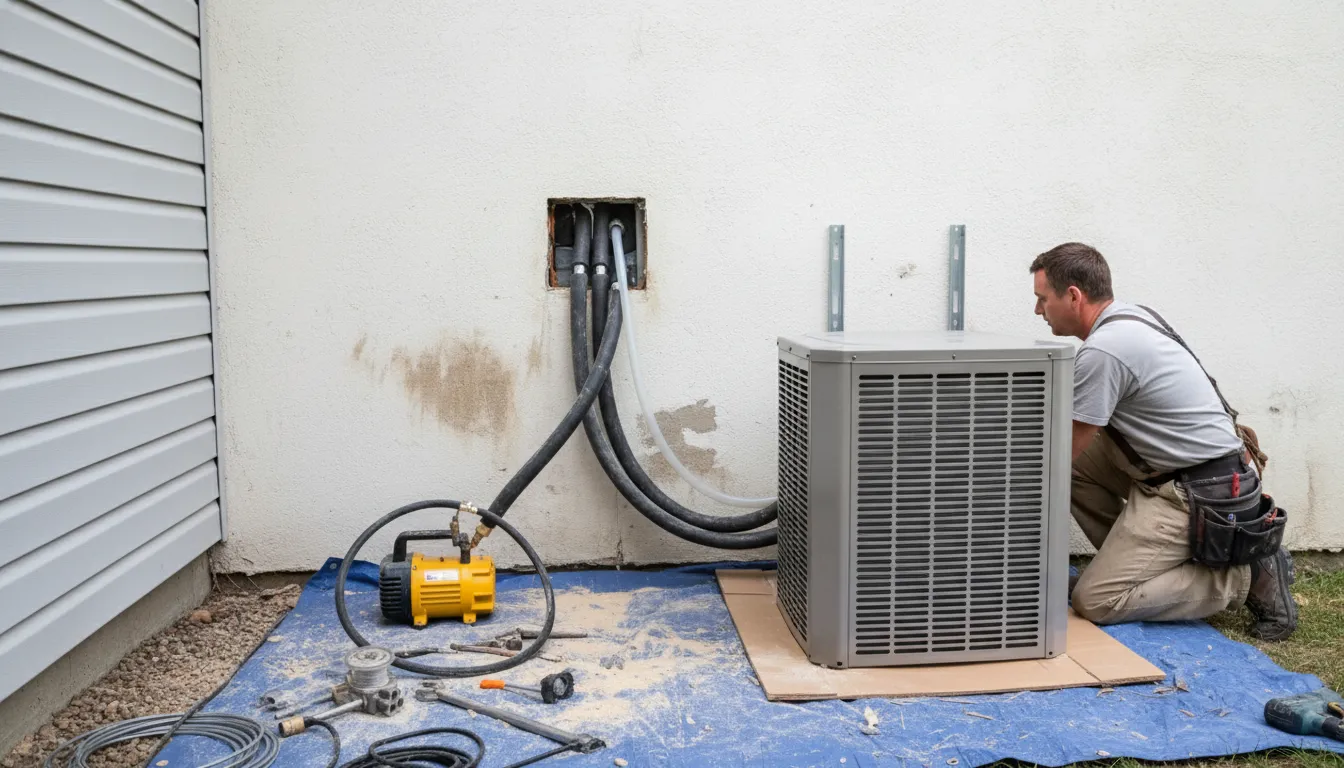
Considering a heat pump for your Cicero home? You're exploring one of the most efficient and versatile ways to heat and cool your space. Modern heat pump systems work by transferring heat rather than generating it, offering significant energy savings and year-round comfort. This guide will help you understand the types of systems available, what influences cost, and how to find qualified local professionals to ensure your installation is a success.

Pro Comfort Solutions
2052 N Latrobe Ave, Chicago, IL 60639
Pro Comfort Solutions is an HVAC and plumbing company serving Chicago, IL, and surrounding areas including Frankfort and Orland Park. They offer a wide range of services such as air conditioning installation and repair, furnace and boiler maintenance, heat pump services, and duct cleaning. Their team is certified and provides 24/7 emergency repairs, including for boilers and furnaces. Pro Comfort Solutions emphasizes clear pricing and customized solutions tailored to each home.
City & Suburban Heating & Cooling
1225 N Cleaver St, Chicago, IL 60642
City & Suburban Heating & Cooling is a family-owned HVAC company serving Chicago, IL. Established in 1952, they provide a wide range of heating and cooling services including installation, repair, and maintenance of furnaces, air conditioners, heat pumps, boilers, and ductless systems. Their expertise extends to indoor air quality solutions such as humidifiers, dehumidifiers, and duct maintenance. The company offers emergency HVAC services daily until midnight except Sundays, ensuring timely support for urgent needs. Their licensed and NATE-certified technicians focus on safe, efficient, and reliable system performance for both residential and commercial clients.
Home Comfort Services, Inc.
500 E Touhy Ave Unit H, Des Plaines, IL 60018
Home Comfort Services, Inc. provides heating and cooling services in Chicago, IL, including installation, repair, and maintenance of furnaces, boilers, heat pumps, air conditioners, and ductless mini-splits. They also offer light commercial HVAC services for businesses and mixed-use buildings in the Northwest Chicagoland area. With over 20 years of experience, the company handles both residential and commercial HVAC needs and is available year-round to support efficient system operation.

Oasis Plumbing, Heating & Cooling
5736 N Western Ave, Chicago, IL 60659
Oasis Plumbing, Heating & Cooling provides heating, cooling, and indoor air quality services in Chicago, IL. They serve residential, light commercial, and commercial properties with installation, repair, upgrades, and maintenance of HVAC systems including air conditioners, furnaces, and heat pumps. The company offers seasonal maintenance plans to help maintain system performance and operates 24/7 to handle emergency issues promptly.
Air Flows Chicago
2333 N Seeley Ave Unit 5S, Chicago, IL 60647
Air Flows Chicago is a locally owned HVAC company providing comprehensive heating, cooling, ventilation, and indoor air quality services in Chicago, IL. They specialize in the repair, installation, and maintenance of furnaces, boilers, heat pumps, air conditioners, and air ducts for both residential and commercial properties. The company also offers chimney and dryer vent cleaning services to enhance safety and system efficiency. Air Flows Chicago is licensed and certified, with a team available 24/7 to address urgent HVAC needs.
Understanding Heat Pump Technology
At its core, a heat pump is a two-in-one HVAC system that provides both heating and cooling. During winter, it extracts heat from the outside air (or ground) and transfers it indoors. In summer, the process reverses, removing heat from your home to cool it. This method of moving heat is far more efficient than traditional furnaces or air conditioners that create heat or cold through combustion or electrical resistance. For Cicero residents, this efficiency translates directly to lower utility bills, especially when replacing older, less efficient systems.
The key to a heat pump's performance in our Midwest climate is its ratings. Look for high SEER (Seasonal Energy Efficiency Ratio) for cooling and HSPF (Heating Seasonal Performance Factor) for heating. Modern cold-climate models are specifically engineered to operate efficiently even when outdoor temperatures drop well below freezing, making them a viable primary heating source for most Illinois winters.
Types of Heat Pump Systems
Choosing the right type of system is crucial for your home's comfort and your budget. The main options are air-source and geothermal, each with distinct advantages.
Air-Source Heat Pumps (ASHPs) This is the most common type of heat pump installation. It transfers heat between your home and the outside air. There are two primary configurations:
- Ducted Systems: These use your home's existing ductwork to distribute conditioned air. They are an excellent choice if you already have functional ducts from a forced-air furnace.
- Ductless Mini-Split Systems: These consist of an outdoor unit connected to one or more indoor wall-mounted units. They are ideal for homes without ducts, for room additions, or for creating independent temperature zones. Mini-splits often have a lower upfront cost for single-zone applications.
Geothermal Heat Pumps (Ground-Source) Geothermal systems use the stable temperature of the earth a few feet below the surface to heat and cool your home. While they have the highest upfront cost due to the need to install ground loops (either horizontally in trenches or vertically in boreholes), they offer the highest efficiency and lowest operating costs. They are also incredibly durable and quiet.
What Influences Heat Pump Cost in Cicero?
The price for a new heat pump system can vary widely based on several factors specific to your home.
System Type and Size The technology you choose is the primary cost driver. A single-zone ductless mini-split system starts at a lower price point, while a whole-home geothermal system represents a significant investment. Furthermore, your home's size and insulation levels determine the required system capacity (measured in tons). An undersized unit will struggle, and an oversized one will cycle on and off too frequently, reducing efficiency and comfort. A professional contractor will perform a Manual J load calculation to determine the perfect size 1.
Existing Infrastructure
- Ductwork: If you choose a ducted system and your home already has suitable ducts, you can save substantially. If new ductwork needs to be designed and installed, it adds a major cost component 2.
- Electrical Service: A new heat pump may require an upgrade to your home's electrical panel, which adds to the project cost.
- Supplemental Heat: For the coldest days of the year, many systems integrate electric resistance heat strips as a backup. Including this auxiliary heat ensures comfort but adds to the installation cost 3.
Labor and Brand Local labor rates, the complexity of the installation (especially for geothermal), and the brand and model efficiency tier you select all affect the final price. Premium brands with higher efficiency ratings and longer warranties typically cost more upfront but can offer greater long-term value.
Find the perfect heat pump installation & replacement contractors for your needs
Get personalized recommendations and expert advice
Financial Considerations: Upfront Cost vs. Long-Term Savings
While the initial investment for a heat pump can be higher than a traditional AC and furnace pair, the long-term financial picture is often favorable.
Estimated Cost Ranges Based on current market data, Cicero homeowners can expect the following general price ranges for a full installation 4 5 6 7:
- Ductless Mini-Split (Single Zone): $3,500 - $8,000
- Ducted Air-Source System (Whole Home): $14,000 - $22,000
- Geothermal System: $10,000 - $25,000+
- New Ductwork Installation: Can add $3,500 - $8,750+ to the project cost.
Leveraging Incentives and Rebates A critical step in planning your project is researching available financial incentives, which can dramatically reduce your net cost.
- Federal Tax Credits: The federal government offers a tax credit for qualifying high-efficiency heat pump installations, which can directly reduce your tax liability.
- Local Rebates: Programs like Go Green Illinois provide information and resources on efficient heating and cooling, and there may be additional utility or state rebates available 8. Always check with your installer and local utility company for the latest offers.
Calculating Payback The higher efficiency of a heat pump (up to three times more efficient than traditional resistance heating) leads to lower monthly energy bills 9. When you combine these ongoing savings with available incentives, the payback period-the time it takes for savings to equal the upfront cost-can be very attractive. With a typical system lifespan of 15-20 years, you'll enjoy many years of net savings after the system has paid for itself 10 11.
Choosing a Qualified Cicero Installation Professional
A heat pump is a sophisticated piece of equipment, and its performance is heavily dependent on a proper, precision installation.
The Importance of Proper Sizing and Design Never let a contractor simply replace your old unit with one of the same size. A proper Manual J load calculation is non-negotiable. This assessment considers your home's square footage, insulation, window types, air leakage, and more to determine the exact capacity needed. A correctly sized system ensures optimal efficiency, comfort, humidity control, and system longevity.
What to Look for in a Contractor Seek out licensed, insured, and experienced HVAC companies that specialize in heat pump systems. Look for:
- NATE-Certified Technicians: This certification indicates advanced training.
- Local Experience: Contractors familiar with Cicero's climate and building styles.
- Detailed Quotes: A written proposal should include model numbers, efficiency ratings, scope of work, warranty information, and a clear breakdown of all costs.
- References and Reviews: Check online reviews and ask for references from past heat pump installation projects.
The Quote Process It's wise to get at least three detailed quotes from reputable local providers. This allows you to compare not just price, but the proposed equipment, design approach, and the company's expertise. The lowest bid is not always the best value if it compromises on proper sizing or quality installation practices.
Maintaining Your New Heat Pump System
To protect your investment and ensure it delivers peak efficiency for its entire lifespan, regular maintenance is key. This includes simple homeowner tasks like keeping the outdoor unit clear of debris, leaves, and snow, and changing interior air filters regularly. You should also schedule a professional tune-up at least once a year. A technician will check refrigerant levels, electrical connections, coils, and the overall system operation to catch small issues before they become expensive repairs.
Frequently asked questions
Sources
Footnotes
-
2026 Heat Pumps Installation Cost Guide: Types, Sizes and Brands - https://modernize.com/hvac/heating-repair-installation/heat-pump ↩
-
Heat Pump Cost Explained: What to Expect for Your Home Upgrade - https://www.leokobco.com/post/heat-pump-cost-explained ↩
-
Heat Pump Installation Cost Guide: Types, Factors & Savings - https://statclimate.ca/heat-pump-installation-cost-guide/ ↩
-
Heat Pump Cost Analysis: What To Expect & How It's Determined - https://clinesairconditioning.com/heat-pump-cost/ ↩
-
Heat Pump Guide: Cost, Rebates, and Efficiency Explained - https://www.sumzeroenergysystems.com/blog/heat-pump-guide-cost-rebates-efficiency-explained ↩
-
Heat Pump Price Guides - https://heatpumppriceguides.com/ ↩
-
How Much Do Heat Pumps Cost? (2024 Price Estimate Guide) - https://jarboes.com/knowledge-center/how-much-do-heat-pumps-cost/ ↩
-
Heat Pumps: An efficient way to heat and cool your home - Go Green Illinois - https://www.gogreenillinois.org/heat-pumps-an-efficient-way-to-heat-and-cool-your-home/ ↩
-
Are Heat Pumps Worth It In Illinois? - https://trustheatcool.com/blogs/heat-pumps-worth-it-illinois/ ↩
-
2026 Heat Pump Cost Guide: Purchase, Installation & Repair - https://www.carrier.com/residential/en/us/products/heat-pumps/how-much-does-a-heat-pump-cost/ ↩
-
2026 Heat Pump Replacement Cost | Heat Pump Installation Pricing - https://www.watkinsheating.com/replace/new-heat-pump-pricing/ ↩