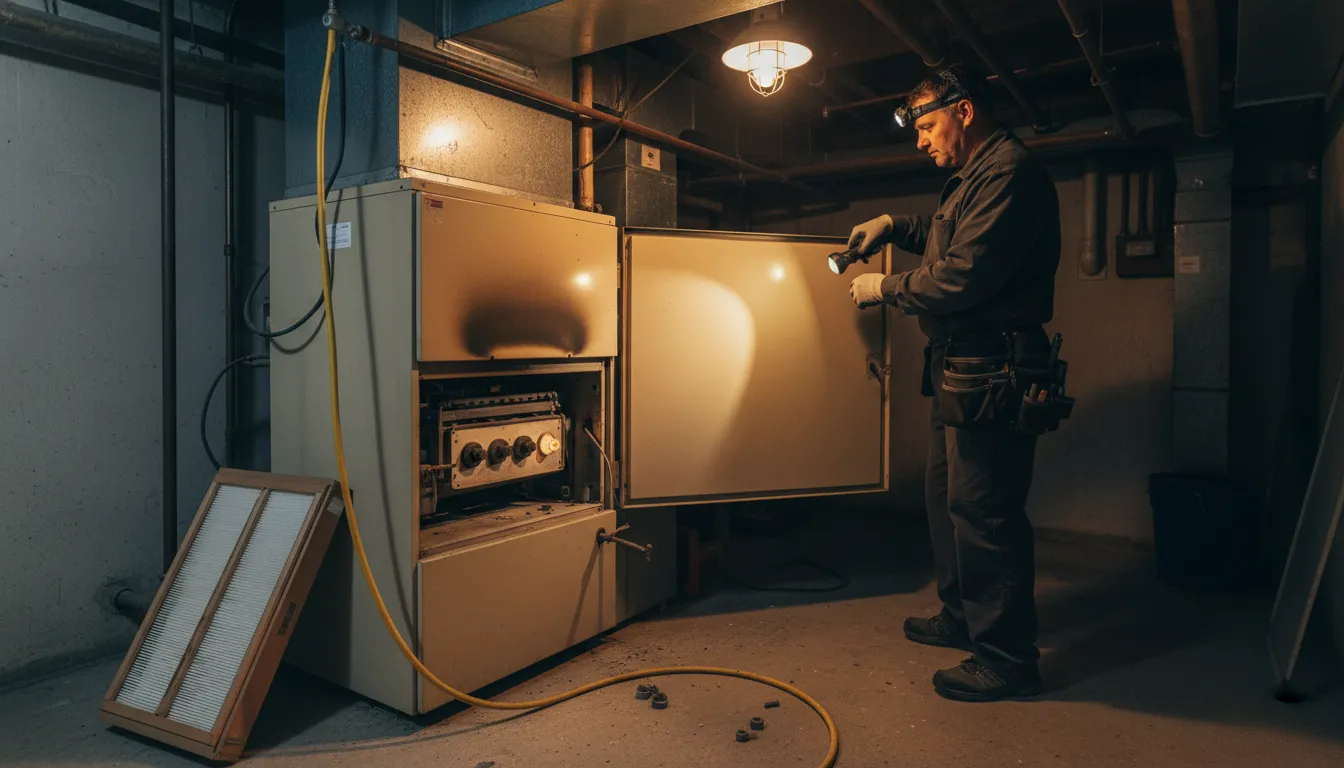
Find the Best Furnace Repair Companies for Your Business
No obligation • Fast responses • Nationwide coverage

Why you can trust HVAC Firms
HVAC Firms is a leading United States resource for evaluating HVAC service providers. Our team researches companies, checks credentials, and reviews customer feedback to present clear, unbiased information. Listings and rankings are based on merit, and companies cannot pay to change our editorial content.
Search providers near you
Best Furnace Repair Companies in Washington Ranked
When the temperature drops in Washington, a reliable furnace isn't just a comfort-it's a necessity for safety and well-being. Furnace repair services address critical heating system failures, from minor component replacements to major safety diagnostics. This resource helps Washington homeowners understand common furnace problems, the repair process, and how to connect with qualified local technicians who can restore warmth and safety to your home efficiently.
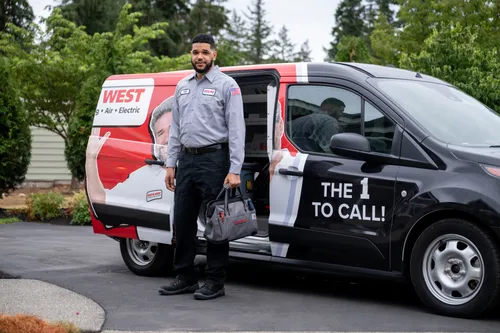
South West Plumbing, Heating, Air, & Electric
825 S Stacy St, Seattle, WA 98134
South West Plumbing, Heating, Air, & Electric has provided plumbing, HVAC, and electrical services in Seattle, WA for over 40 years. They offer a wide range of services including air conditioning repair and installation, furnace and heat pump repair, boiler installation, and HVAC tune-ups. Their capabilities include advanced drain and sewer services such as hydro jetting and video camera inspections. The company serves residential customers throughout Seattle, delivering comprehensive solutions for heating, cooling, plumbing, and electrical needs.
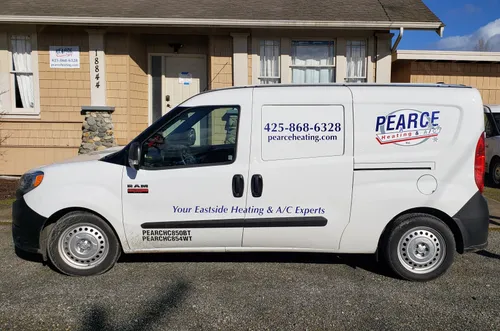
Pearce Heating & A/C
18844 NE 84th St, Redmond, WA 98053
Pearce Heating & A/C is a comprehensive HVAC and electrical service provider based in Seattle, WA. They serve the Eastside and King County areas, including Redmond, Bellevue, and Kirkland. Their services include installation, repair, and maintenance of heating, air conditioning, and heat pump systems, along with indoor air quality solutions such as air purifiers and humidifiers. Pearce Heating & A/C also offers professional electrical services including panel upgrades and rewiring. With decades of experience, their technicians are certified to work with all major HVAC brands and models. The company emphasizes personalized service by assigning consistent technicians and maintaining direct owner involvement to ensure quality and customer satisfaction.
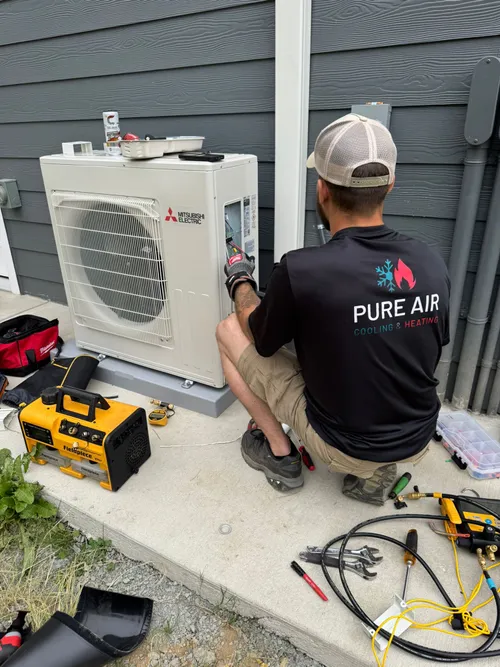
Pure Air Cooling & Heating
9720 NE 120th Pl, Kirkland, WA 98034
Pure Air Cooling & Heating is an HVAC contractor based near Seattle, WA, serving Kirkland, Bellevue, Redmond, and nearby areas. They provide a range of heating and cooling services including air conditioning repair and installation, furnace repair, heat pump services, and duct cleaning. The company focuses on energy-efficient solutions and reliable climate control for both homes and businesses in the region.
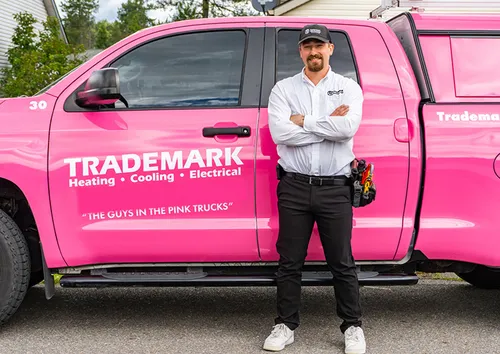
Trademark Heating, Cooling & Electrical
6010 E Trent Ave, Spokane, WA 99202
Trademark Heating, Cooling & Electrical provides comprehensive HVAC services in Spokane, WA. They specialize in air conditioning and furnace repair, installation, and tune-ups, serving the Inland Northwest since 2004. The company is skilled in handling HVAC systems from all major brands and offers 24/7 availability for service calls. Their team focuses on creating comfortable indoor environments tailored to local climate needs.
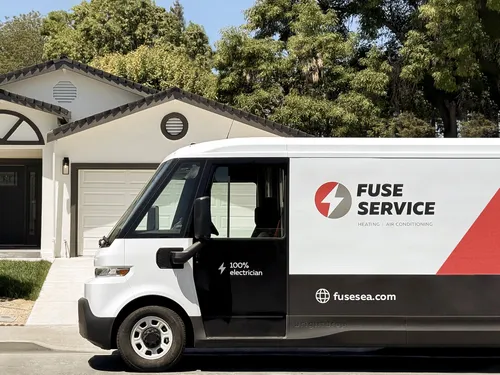
Fuse Service: Heating & Air Conditioning
10221 NE 134th Ln F-103, Kirkland, WA 98034
Fuse Service: Heating & Air Conditioning provides heating, air conditioning, and heat pump repair services in Seattle, WA. They serve both residential and commercial clients with a focus on honest service and efficient solutions. Their technicians handle systems of varying complexity and offer same-day repairs along with warranties on all services. The company covers multiple nearby areas including Bellevue, Kirkland, and Redmond.
Common Furnace Problems in Washington Homes
Washington's seasonal shifts, particularly the damp cold of fall and winter, place unique demands on heating systems. Recognizing the signs of a failing furnace is the first step toward a timely repair.
- No Heat or Insufficient Heat: This is the most urgent issue. It can stem from a clogged air filter restricting airflow, a failed igniter (pilot light or hot surface igniter), a malfunctioning thermostat, or problems with the gas supply or electrical connections.
- Strange Noises: Unusual sounds are rarely a good sign. Banging or clanging may indicate a mechanical failure within the blower assembly or heat exchanger. Squealing often points to a worn blower motor belt or bearing issues.
- Short Cycling: If your furnace turns on and off frequently without completing a full heating cycle, it's called short cycling. This can be caused by an overheating unit (often due to a dirty filter), a faulty flame sensor, or an incorrectly sized or placed thermostat.
- Poor Airflow or Uneven Heating: You might notice some rooms are cold while others are too warm. This typically indicates blocked or closed vents, a severely dirty filter, or leaks and obstructions within the ductwork itself1.
- Unusual Smells: A brief, dusty smell at the season's first start-up is normal. Persistent burning odors could signal an electrical problem, while a musty smell might indicate mold or moisture in the ductwork or system, both requiring professional attention.
The Seasonal Impact on Furnace Repairs
Furnace issues often become apparent during specific times of the year, influencing both the urgency and type of service needed.
- Fall and Winter (Heating Season): This is peak time for furnace repair calls. Increased system use highlights existing problems like dirty filters that become fully clogged or igniters that fail under constant demand2. Prompt repair during this season is crucial to restore comfort and prevent safety hazards like carbon monoxide leaks, which are more dangerous when homes are sealed tight against the cold.
- Spring and Summer (Off-Season): This is the ideal time for proactive maintenance and addressing non-urgent repairs. Scheduling a professional tune-up during the off-season ensures your furnace is ready for the next winter, can often be more affordable, and helps technicians identify potential failures before they leave you in the cold.
The Professional Furnace Repair Process
A thorough repair by a licensed technician is a multi-step process designed to diagnose the root cause and ensure safe, effective operation.
- Comprehensive Diagnosis: The technician will start by discussing the symptoms with you and examining the system's age and service history. They will then perform a visual inspection of the furnace, its components, and the surrounding area.
- Critical Safety Checks: For gas furnaces, this is the most vital step. The technician will inspect the heat exchanger for cracks-a primary source of carbon monoxide (CO) leaks. They will also check the venting system for blockages and ensure all electrical connections and gas valves are secure and functioning properly.
- System Testing and Analysis: Beyond the basics, a professional will conduct performance tests, which may include combustion analysis to ensure efficient fuel burning, airflow measurements, and electrical testing of components like capacitors, contactors, and sensors.
- Repair or Replacement Recommendation: Based on the findings, the technician will explain the necessary repairs, whether it's replacing a simple part like an igniter or a major component like a blower motor. They should also provide an honest assessment of whether repair or full system replacement is the more cost-effective and reliable long-term solution.
Find the perfect furnace repair companies for your needs
Get personalized recommendations and expert advice
Understanding Furnace Repair Costs in Washington
The cost of furnace repair in Washington varies based on the complexity of the job, the parts required, and labor rates. Being informed helps you evaluate estimates.
- Average Repair Costs: A typical furnace repair in Washington averages around $300, but the range is broad, generally falling between $119 and $956 for most common services3 4. Simple fixes like replacing a thermostat or flame sensor are on the lower end, while replacing a blower motor or addressing heat exchanger issues are more costly.
- Parts vs. Labor: The final bill breaks down into the cost of replacement parts and the labor required for diagnosis and installation. High-efficiency furnaces often have more expensive proprietary parts.
- The 50% Rule for Repair vs. Replace: A useful guideline is the "50% rule." If the cost of a necessary repair exceeds 50% of the price of a new, energy-efficient furnace, replacement is usually the more prudent financial decision. This is especially true for furnaces over 15 years old, as new models offer significantly better efficiency and reliability5 6.
Safety First: Why Professional Service is Essential
While homeowners can perform basic tasks like changing air filters monthly and keeping the area around the furnace clear, professional intervention is required for most repairs.
- Carbon Monoxide Risks: A malfunctioning gas furnace is a potential source of carbon monoxide (CO), an odorless, colorless, and deadly gas. Cracks in the heat exchanger, blocked vent pipes, or improper combustion can all lead to CO leaking into your home7 8. Only a trained technician has the tools and expertise to test for these dangers safely.
- Gas and Electrical Hazards: Working with natural gas lines, control valves, and high-voltage electrical components carries significant risk of fire, explosion, or electrocution. Licensed technicians are trained to handle these hazards according to strict state and local codes.
- Warranty Protection: Attempting a DIY repair on a furnace under warranty will almost certainly void the manufacturer's warranty. Professional service ensures repairs are documented and performed to standard, protecting your investment.
Maintaining Your Furnace Between Repairs
Consistent maintenance is the best way to reduce the frequency and severity of repairs, extend your system's life, and maintain its efficiency.
- Monthly Filter Changes: Replace or clean your furnace's air filter every 1-3 months during the heating season. A clean filter protects the blower motor and heat exchanger from dust and improves airflow9.
- Annual Professional Tune-Up: Schedule a preventative maintenance visit every fall. This service typically includes cleaning critical components, checking all safety controls, testing for CO, measuring airflow, and tightening electrical connections10 11.
- Keep Vents and Registers Clear: Ensure all supply and return air vents in your home are not blocked by furniture, rugs, or curtains to maintain proper system airflow and balance.
- Listen and Observe: Pay attention to changes in your system's operation-new sounds, longer run times, or unexpected cycles. Early reporting of minor issues can prevent them from becoming major, costly repairs.
Frequently asked questions
Sources
Footnotes
-
HVAC Troubleshooting: Common Issues | Vancouver, WA - https://advancedheatinginc.com/2025/09/hvac-troubleshooting-common-issues-and-solutions-in-vancouver-wa/ ↩
-
Seattle Furnace vs Heat Pump Repair: Fall Failures - https://dayandnite.net/blog/seattle-furnace-repair-vs-heat-pump-repair-what-fails-the-most-in-the-fall/ ↩
-
2026 HVAC Repairs Cost: A Comprehensive Price Guide | Angi - https://www.angi.com/articles/how-much-hvac-repair-cost.htm ↩
-
Furnace Repair in Seattle, WA - Costs 01 / 2026 - Homeyou - https://www.homeyou.com/wa/furnace-repair-seattle-costs ↩
-
Repair Vs. Replace: The 50% Rule For Your Furnace - https://mydadcandothat.com/blog/heating-repair-vs-furnace-replacement-guide/ ↩
-
How Much Does Furnace Repair Cost in Washington? | Angi - https://www.angi.com/articles/how-much-does-common-furnace-repair-cost/dc/washington ↩
-
Why Prompt Furnace Repair is Important for Safety - https://centralwashingtonheating.com/blog/why-furnace-repair-is-important ↩
-
Furnace Service & Repair Guide - Comfort Temp - https://comforttemp.com/furnace-service-and-repair/ ↩
-
Checklist for Seasonal HVAC Maintenance Guide - https://marylandhvacr.com/an-itemized-seasonal-hvac-maintenance-guide/ ↩
-
Preventative Maintenance in Port Washington, WI - https://www.alianceheatandcool.com/commercial-hvac/preventative-maintenance-port-washington-wi ↩
-
HVAC Preventative Maintenance: Ultimate Savings 2025 - https://www.daikinseattle.com/blog/hvac-preventative-maintenance-guide-2025 ↩