Find the Best Furnace Repair Companies for Your Business
No obligation • Fast responses • Nationwide coverage

Why you can trust HVAC Firms
HVAC Firms is a leading United States resource for evaluating HVAC service providers. Our team researches companies, checks credentials, and reviews customer feedback to present clear, unbiased information. Listings and rankings are based on merit, and companies cannot pay to change our editorial content.
Search providers near you
Top Furnace Repair Companies in Chapel Hill, North Carolina Ranked
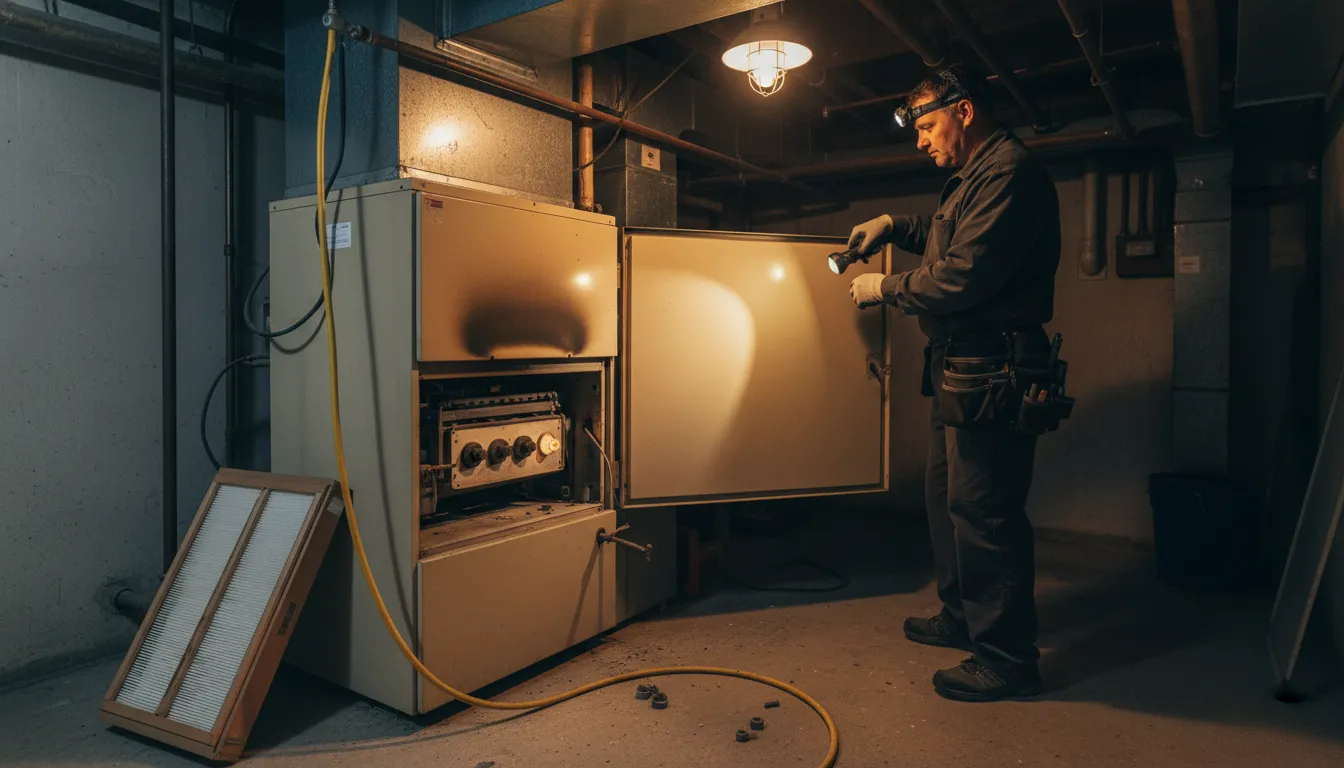
When the temperature drops in Chapel Hill, a reliable heating system is essential for comfort and safety. Furnace repair is the process of diagnosing and fixing issues with your home's primary heating unit to restore warmth and efficiency. This service matters because a malfunctioning furnace can lead to cold homes, increased energy bills, and potential safety hazards like carbon monoxide leaks. This guide will help you understand the repair process, common problems, and how to connect with skilled local technicians who can get your heat back on quickly.
Blanton's Air, Plumbing & Electric
2000 Citation Dr Ste 100, Garner, NC 27529
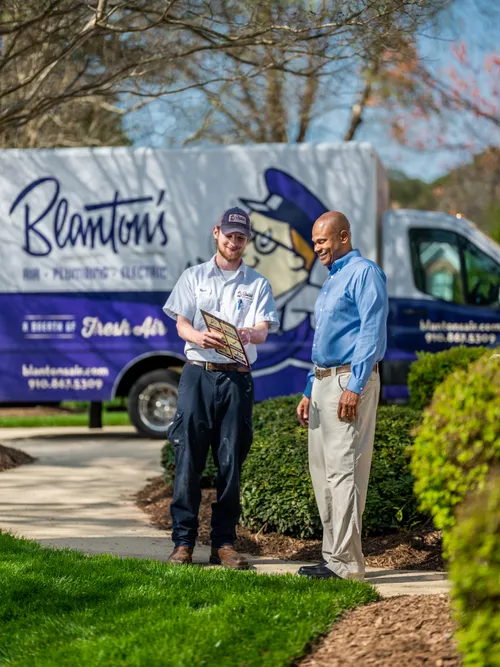
Blanton's Air, Plumbing & Electric has been serving Raleigh, NC, and the surrounding Triangle area since 1951. They provide a wide range of home services including HVAC repair and installation for air conditioners, furnaces, heat pumps, and boilers. With over 75 years of experience, they offer comprehensive maintenance and emergency services to ensure home comfort and safety year-round. Their team is available 24/7, including after-hours support through an AI representative and live customer care, prioritizing urgent needs and flexible scheduling.
Air Works Heating & Air
5100 Unicon Dr #107, Wake Forest, NC 27587
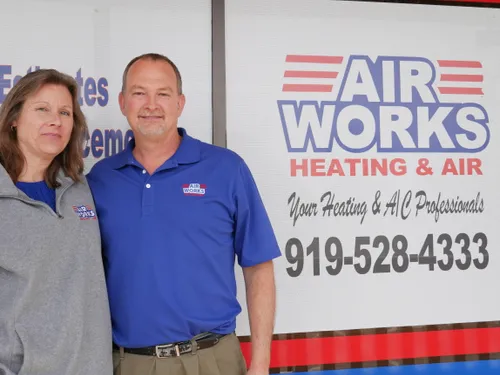
Air Works Heating & Air is a family-owned HVAC and plumbing company serving Raleigh, NC, and the surrounding Wake County area. Since 2007, they have provided furnace and air conditioning repairs, installations, indoor air quality services, and duct cleaning. Their certified technicians work with top brands like American Standard and Mitsubishi Electric, offering services such as furnace replacements, AC tune-ups, and ductless mini split installations. The company emphasizes straightforward pricing and backs their work with a one-year parts and labor warranty.
Comfort Pro LLC
101 Woodwinds Industrial Ct, Cary, NC 27511
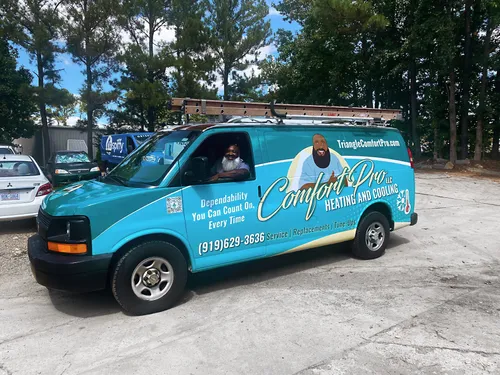
Comfort Pro LLC is an AC and heating repair company serving Raleigh, NC. They provide repair and maintenance services for air conditioning and furnace systems, focusing on ensuring comfortable indoor environments. Their service area includes Holly Springs and Cary, reflecting a regional focus within the Raleigh area.
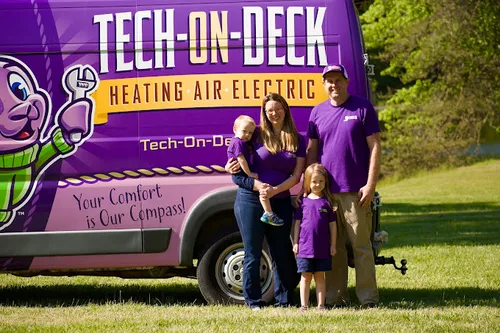
Tech-On-Deck Heating, Air & Electric
5106 Oak Park Rd Suite D, Raleigh, NC 27612
Tech-On-Deck Heating, Air & Electric is a furnace repair company based in Raleigh, NC. They offer professional furnace repair services, focusing on diagnosing and fixing heating system issues to maintain home comfort during colder months. Their experienced technicians provide efficient solutions to keep furnaces running smoothly.
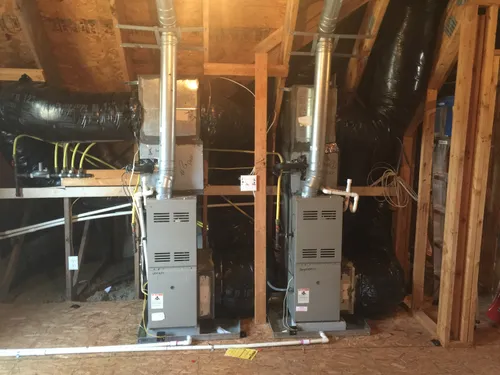
Smart Home Comfort
Raleigh, NC
Smart Home Comfort is an HVAC company serving Raleigh, NC, specializing in heating and cooling installation, repair, and maintenance. They offer services including air conditioning and furnace repair, heat pump installation, duct cleaning, and indoor air quality improvements. The company provides AeroSeal duct sealing to improve airflow and energy efficiency. Smart Home Comfort operates with a focus on personalized service and is available 24/7 for emergency HVAC needs.
Understanding Your Furnace Repair Needs
A furnace is a complex appliance, and issues can range from simple fixes you might handle yourself to complex component failures requiring professional expertise. The goal of any heating repair service is to accurately diagnose the problem and execute a solution that restores safe, efficient operation. In Chapel Hill, where winter nights can be chilly, having access to prompt and reliable furnace service is a priority for homeowners.
The process typically begins when you notice signs of trouble, such as no heat, strange noises, or rising energy costs. Contacting a local professional starts the service cycle, which moves from diagnosis to repair and final testing.
The Professional Furnace Repair Process
When you schedule a service call for your heating system, a certified technician will follow a structured process to resolve your issue efficiently.
Initial Contact and Dispatch Most local HVAC companies offer emergency or same-day service, especially during peak winter months. When you call, you'll describe the symptoms, and a technician is dispatched to your home.
Comprehensive System Diagnosis The technician's first task is a thorough inspection. This goes beyond the obvious and includes checking:
- Power Sources: Ensuring the furnace is receiving electricity and that the circuit breaker or switch hasn't tripped.
- Thermostat: Verifying settings, battery life, and wiring connections.
- Air Filter: A clogged filter is a frequent culprit for poor performance and is checked immediately.
- Critical Components: Inspecting the burners, ignitor, flame sensor, blower motor, and heat exchanger for signs of wear or failure 1.
Transparent Estimate and Repair After diagnosis, a reputable technician will provide an upfront estimate detailing the necessary parts and labor. Once approved, they proceed with the repair, which may involve replacing a failed part, cleaning components, or addressing electrical issues.
Final System Testing and Explanation No job is complete without testing. The technician will start your furnace, monitor its cycle, and ensure it operates safely and efficiently. They should also explain what was done and offer tips for maintaining your system.
Common Furnace Problems in Chapel Hill Homes
Understanding frequent issues can help you communicate more effectively with a technician. Here are some of the most common reasons for a furnace service call.
No Heat or Pilot Light Issues This is the most urgent problem. Often, it's caused by a failed hot surface ignitor, which is one of the most common parts to fail in a modern furnace 2. A dirty flame sensor or thermocouple can also prevent the furnace from starting.
Thermostat Malfunctions Sometimes the issue isn't with the furnace itself. Incorrect thermostat settings, dead batteries, or faulty wiring can prevent the system from turning on or cause it to cycle erratically 3.
Restricted Airflow and Uneven Heating If some rooms are cold or the system seems to be running constantly with little effect, airflow is often to blame. A severely dirty air filter is the first place to check 4. Other causes include blocked vents, dirty evaporator coils, or issues within the ductwork 5.
Unusual Noises and Reduced Efficiency Rattling, squealing, or booming sounds can indicate loose parts, a failing blower motor, or issues with the burners. A sudden spike in your energy bill often signals that your furnace is working harder than it should, usually due to a maintenance issue or aging component.
Find the perfect furnace repair companies for your needs
Get personalized recommendations and expert advice
What to Expect: Repair Time and Cost Considerations
The scope of a repair greatly influences both the timeline and the investment required.
Diagnosis and Simple Fixes The initial diagnosis typically takes 1-2 hours, which often includes a standard service or trip fee. Simple resolutions, like replacing a thermostat battery or swapping out a dirty air filter, can be completed in under an hour.
Complex Component Repairs For major part failures, the repair time extends, and parts may need to be ordered. Cost is primarily driven by the part itself and the labor to install it. Based on industry averages, common repairs in the Chapel Hill area can range as follows 6 7:
- Ignitor or Flame Sensor Replacement: $100 - $300+
- Blower Motor Replacement: $300 - $1,200+
- Control Board or Gas Valve Replacement: Costs can vary widely and may be on the higher end of this spectrum.
Managing Wait Times and Service Decisions During a cold snap, high demand can lead to longer wait times for non-emergency appointments. Companies with 24/7 emergency service can mitigate this but may charge a premium for after-hours calls 8. It's important to weigh the cost of a significant repair against the age and condition of your furnace. If your system is over 15 years old and requiring frequent fixes, investing in a new, high-efficiency furnace may be more cost-effective in the long run 9 10.
Maintaining Your Furnace After a Repair
Once your furnace is running smoothly, proactive maintenance is key to preventing future breakdowns. A professional tune-up before each heating season is highly recommended. This service typically includes cleaning critical components, checking for gas leaks (in gas furnaces), testing safety controls, and ensuring optimal efficiency. Between professional visits, you can help your system by changing the air filter every 1-3 months, keeping vents unobstructed, and monitoring for any changes in performance or sound.
Choosing a qualified technician for repair and maintenance ensures your Chapel Hill home stays warm, safe, and energy-efficient throughout the winter.
Frequently asked questions
Sources
Footnotes
-
What Does An Air Conditioner Check Consist Of? - https://greeneplumbing.com/what-does-an-air-conditioner-check-consist-of/ ↩
-
What Is The Most Common Part to Fail on a Furnace? - https://www.myqualitycomfort.com/general/what-is-the-most-common-part-to-fail-on-a-furnace/ ↩
-
6 Important Things to Check Before Scheduling a Service Call - https://acmasters.com/6-things-to-check-before-scheduling-a-service-call/ ↩
-
Common HVAC Troubleshooting Scenarios: A Technician's Guide - https://www.servicetitan.com/blog/hvac-troubleshooting-scenarios ↩
-
HVAC Troubleshooting Guide: Step-by-Step Solutions Made Easy - https://projecthvac.com/2026/01/07/hvac-troubleshooting-guide-step-by-step/ ↩
-
5 Common Winter HVAC Problems and How to Avoid Them - https://www.rogerlnewman.com/post/5-common-winter-hvac-problems-and-how-to-avoid-them ↩
-
2026 HVAC Repairs Cost: A Comprehensive Price Guide | Angi - https://www.angi.com/articles/how-much-hvac-repair-cost.htm ↩
-
Chapel Hill, NC HVAC and Air Conditioning Repair Services - https://www.horizonservices.com/locations/north-carolina/chapel-hill/ ↩
-
HVAC Repair | Chapel Hill NC - Barber Heating & Air - https://www.barberheatingandair.com/areas-we-serve/chapel-hill/ ↩
-
Residential Heating - Last Call HVAC - https://lastcallnc.com/residential-heating/ ↩