Find the Best Furnace Repair Companies for Your Business
No obligation • Fast responses • Nationwide coverage

Why you can trust HVAC Firms
HVAC Firms is a leading United States resource for evaluating HVAC service providers. Our team researches companies, checks credentials, and reviews customer feedback to present clear, unbiased information. Listings and rankings are based on merit, and companies cannot pay to change our editorial content.
Search providers near you
Top Furnace Repair Companies in Pontiac, Michigan Ranked
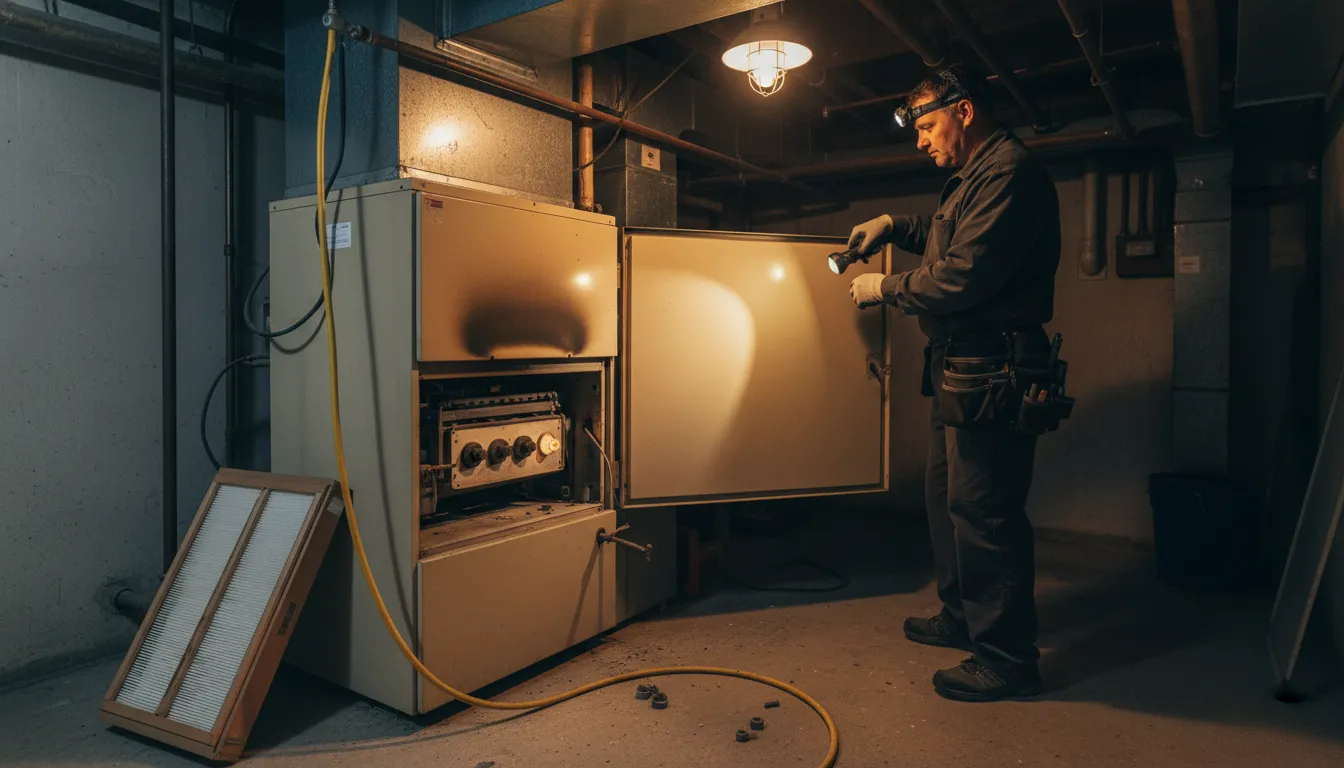
When your furnace stops working on a cold Pontiac night, getting reliable heat back quickly is the only priority. Furnace repair is a critical service that involves diagnosing and fixing issues with your home's heating system to restore safe, efficient operation. This guide explains the common furnace problems in our area, what the repair process entails, and how to evaluate your options, helping you make an informed decision when you need to connect with a qualified local technician.
USA Pro-Vac
1700 Barrett St, Troy, MI 48084
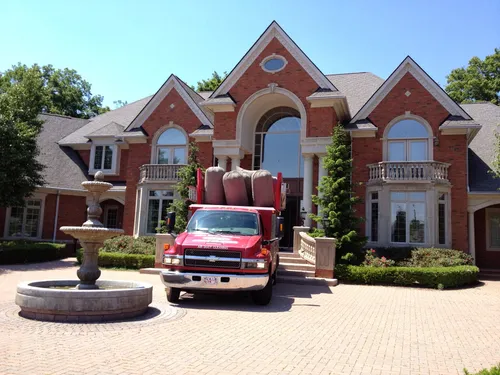
USA Pro-Vac is an air duct cleaning and HVAC repair company based near Detroit, MI. They provide air duct cleaning, furnace repair, and indoor air quality services for both residential and commercial customers. The company is certified by multiple industry organizations including NADCA and NATE, and has been in business for over 20 years. USA Pro-Vac serves a broad area around Detroit, including Troy, Oakland, Macomb, Wayne, and several other Michigan counties and cities.
Airman Heat & Air LLC
5129 8 Mile Rd, Warren, MI 48091
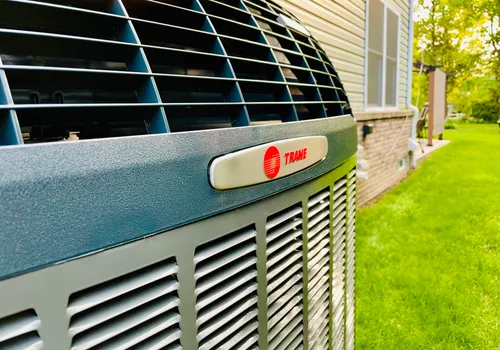
Airman Heat & Air LLC is a family-owned HVAC company serving Detroit, MI. They provide residential and commercial heating and cooling services, including installation and repair of air conditioners, furnaces, and heat pumps. The company uses factory-authorized brand name equipment and offers a labor warranty alongside the manufacturer's warranty. Established in 2001, Airman Heat & Air LLC emphasizes professionalism and a personalized approach to customer service.
Warm or Breezy Heating & Cooling
220 S Main St #430, Royal Oak, MI 48067
Warm or Breezy Heating & Cooling is an HVAC contractor based in Detroit, MI, providing heating and cooling services including repair, installation, and maintenance. They serve residential and commercial customers with furnace, boiler, air conditioning, and mini split system services. Their technicians offer energy efficiency diagnostics and city safety inspections, along with installation of Wi-Fi thermostats and tankless water heaters. With over 20 years of experience in heater repair, Warm or Breezy emphasizes fair pricing and uses durable American-made replacement parts. The company operates seven days a week to support customers throughout the heating season.
Ultra Climate Control Heating & Cooling
2820 W Maple Rd SUITE #223, Troy, MI 48084
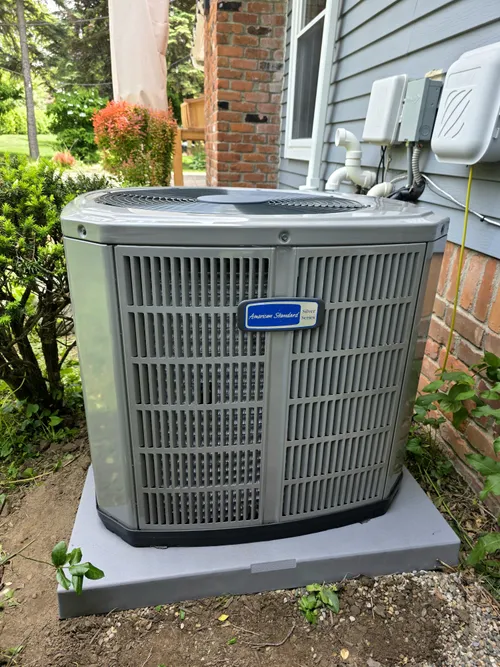
Ultra Climate Control Heating & Cooling is an HVAC company based in Detroit, MI, specializing in air conditioning and furnace repair services. They serve the local area with a focus on reliable diagnosis and repair, addressing both current issues and potential future problems. The company is known for honest assessments and reasonable pricing, with a commitment to thorough service without overselling.
Temperature Repair
Detroit, MI
Temperature Repair is an HVAC contractor based in Detroit, MI, serving Troy and nearby communities. They provide a range of heating and cooling services including AC repair, furnace repair and installation, heat pump repair, thermostat installation, HVAC tune-ups, and indoor air quality improvements. The company supports central air, ductless systems, and high-efficiency units to help maintain home comfort and safety throughout the year.
Understanding the Furnace Repair Process
Knowing what to expect when you call for service can ease the stress of a heating emergency. The process for furnace servicing in Pontiac typically follows a structured path from initial contact to final testing.
Initial Call and Scheduling: The first step is contacting a local HVAC company. Many, like Dynamic HVAC, offer same-day service for emergencies, which is crucial during our harsh Michigan winters. When you call, be prepared to describe the symptoms-such as no heat, strange noises, or the system short cycling-as this helps the dispatcher prioritize the urgency.
On-Site Diagnosis: A certified technician will arrive and perform a comprehensive inspection. This involves checking key components like the burners, heat exchanger, blower motor, pressure switches, and thermostat 1. They use specialized tools to pinpoint the exact cause of the failure, whether it's a faulty igniter, a clogged flame sensor, or a more serious issue like a cracked heat exchanger.
Repair Execution or Quote: For common, simple fixes, the technician will often complete the repair on the spot. This includes tasks like replacing a hot surface igniter, cleaning a flame sensor, or swapping out a dirty air filter. If the issue is more complex or requires a costly part not on the van, the technician will provide a detailed quote for the necessary parts and labor.
System Testing and Safety Check: After the repair, the technician will not just turn the furnace on. They will test the entire sequence of operation to ensure it starts, heats, and shuts down properly. A critical part of this final step is checking for safe combustion and verifying that carbon monoxide is not being produced, ensuring your family's safety.
Common Furnace Problems in Pontiac Homes
Pontiac's climate puts significant strain on heating systems. Recognizing the signs of trouble early can prevent a minor issue from becoming a major, costly repair or a full system failure.
No Heat or Insufficient Heat: This is the most urgent complaint. It can stem from several issues:
- Ignition Failure: The furnace won't start its heating cycle. Common culprits are a dirty or faulty flame sensor, a failed hot surface igniter, or a malfunctioning pressure switch that prevents gas flow.
- Restricted Airflow: A severely dirty air filter is often the simplest cause. It forces the furnace to overwork and can trigger safety limits that shut the system down. Cold spots in your home can also indicate ductwork leaks or blockages.
- Thermostat Issues: Sometimes the problem isn't the furnace itself. Dead batteries, incorrect settings, or a faulty thermostat can prevent the signal to start from ever being sent.
Unusual Noises or Smells: Your furnace should operate relatively quietly. New sounds are a clear warning.
- Banging or Popping: Often indicates a problem with the ignition system or a buildup of grime on the burners causing delayed ignition 2.
- Squealing or Screeching: Typically points to a worn blower motor belt or issues with the motor bearings.
- Rumbling: This can be a serious sign of a crack in the heat exchanger, which requires immediate attention.
- Burning Smells: A dusty smell at the season's first start-up is normal. A persistent electrical or metallic burning smell is not and warrants an immediate service call.
Short Cycling: This is when your furnace turns on and off much more frequently than normal. It's inefficient, wears components out quickly, and rarely resolves the heating issue. Common causes include an oversized furnace, a dirty air filter, a faulty flame sensor, or problems with the thermostat's location or calibration 3.
Find the perfect furnace repair companies for your needs
Get personalized recommendations and expert advice
How Long Do Furnace Repairs Take?
The timeline for fixing your heater depends entirely on the diagnosis. Understanding these timeframes can help you plan, especially during the busy winter season.
Quick Fixes (30 Minutes to 1 Hour): Many common issues have straightforward solutions. Replacing a standard air filter, cleaning a flame sensor with sandpaper, or swapping out a hot surface igniter are often completed in under an hour. These are typical "truck stock" items a technician carries.
Standard Repairs (1 to 4 Hours): This covers the majority of service calls. Examples include replacing a blower motor, installing a new circuit board (control board), or repairing a faulty gas valve. These tasks require more labor and precise electrical or gas work.
Complex or Emergency Repairs: In winter, especially, the urgency is high. HVAC companies prioritize no-heat calls, and response times can be critical. While the repair itself may fall into the above categories, the speed of getting a technician to your door is the key variable in the off-season versus the peak heating season.
Evaluating Repair Costs and the Replacement Question
The cost of furnace service in Pontiac varies widely based on the problem, the parts required, and the time of year. It's important to view these costs in the context of your system's overall health and age.
Typical Repair Cost Ranges:
- Minor Repairs: These often cost in the low hundreds of dollars. This includes parts like igniters, flame sensors, pressure switches, and basic cleaning services 4 5.
- Major Repairs: Replacing significant components like the blower motor, control board, or gas valve can range from the high hundreds to over a thousand dollars.
The Critical Repair vs. Replacement Decision: A key rule of thumb used by local professionals like Moore Mechanical is the "50% Rule." If the cost of the repair exceeds 50% of the price of a new, high-efficiency furnace installation, replacement is usually the more economical long-term choice 6 7. Other strong indicators it's time to replace, not repair, include:
- Age: Furnaces over 15 years old are nearing the end of their typical lifespan. Investing in major repairs on an aging unit may not be cost-effective as other components are likely to fail soon 8.
- Frequency of Repairs: If you're calling for service multiple times a season, you're pouring money into a declining system.
- Rising Energy Bills: An aging, inefficient furnace works harder to heat your home, which is reflected in your monthly utility costs. A new, high-efficiency model can offer significant savings.
- Safety Concerns: Issues like a cracked heat exchanger, which can lead to carbon monoxide leakage, are immediate red flags that warrant serious consideration of replacement 9.
Maintaining Your Furnace to Avoid Repairs
Proactive maintenance is the best way to avoid unexpected breakdowns and costly emergency service calls. An annual furnace tune-up is recommended for every Pontiac home, ideally scheduled in the late summer or early fall before the heating season begins 10 11.
A professional maintenance visit includes cleaning critical components, checking gas pressure and electrical connections, testing safety controls, and ensuring the system operates at peak efficiency. This not only helps prevent failures but can also extend the life of your furnace and lower your heating bills. Simple homeowner tasks, like changing your air filter every 1-3 months, are also essential for maintaining proper airflow and system health 12.
Frequently asked questions
Sources
Footnotes
-
Furnace Inspection: Importance, Costs, and What to Expect | Bryant - https://www.bryant.com/en/us/products/gas-furnaces/inspection/ ↩
-
All About Furnace: Signs It's Time for a Deep Cleaning - https://www.kerivanlane.com/2025/08/22/signs-your-furnace-needs-serious-cleaning/ ↩
-
Furnace Sequence of Operation Explained - https://www.youtube.com/watch?v=nXrKX8nJGc0&t=180 ↩
-
Furnace Installation and Repair in Pontiac, MI - Dynamic HVAC - https://dhvac.com/furnace-installation-and-repair-pontiac-mi/ ↩
-
How Long Does It Usually Take to Repair a Furnace?. - https://www.tcmemt.com/post/how-long-does-it-usually-take-to-repair-a-furnace ↩
-
When to Repair vs. Replace Your Furnace in Michigan - https://mooremech.net/when-to-repair-vs-replace-your-furnace-in-michigan/ ↩
-
Furnace Repair vs Replacement: Which Option is Best for You - https://calldeans.com/blog/furnace-repair-vs-replacement/ ↩
-
Should I Repair or Replace My Furnace? - https://blog.smarttouchenergy.com/should-i-repair-or-replace-my-furnace ↩
-
10 Warning Signs Of Furnace Failure | Jones Services® - https://jonesservices.com/blog/10-warning-signs-of-furnace-failure/ ↩
-
Furnace Maintenance & Tune-Ups for Oakland County - https://www.hvac-comfort.com/furnace-maintenance/ ↩
-
How Often Should You Have Your Furnace Serviced? - https://guestplumbing.com/how-often-should-you-have-your-furnace-serviced/ ↩
-
Heating System Needs Repair in Michigan: Top 5 Signs - Three T's - https://threetsplumbing.com/tips/heating-system-repair/ ↩