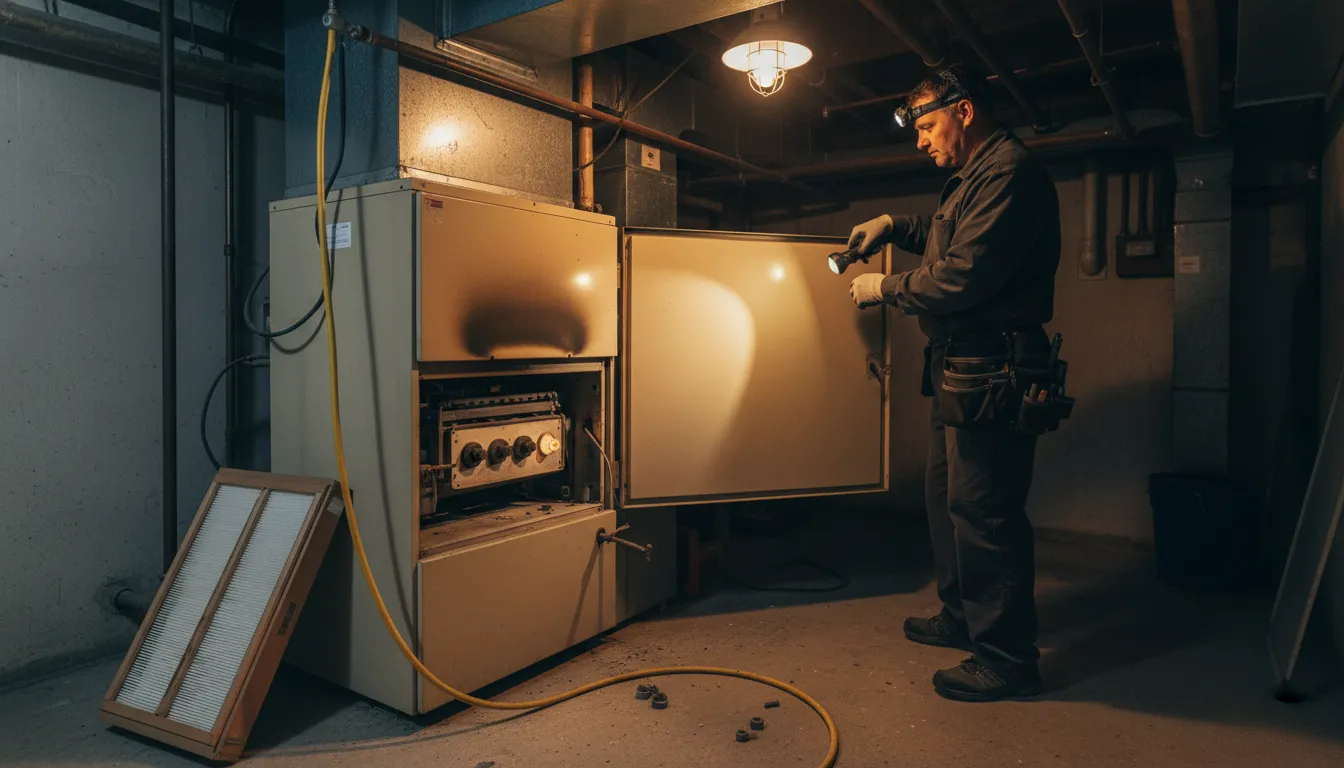
Find the Best Furnace Repair Companies for Your Business
No obligation • Fast responses • Nationwide coverage

Why you can trust HVAC Firms
HVAC Firms is a leading United States resource for evaluating HVAC service providers. Our team researches companies, checks credentials, and reviews customer feedback to present clear, unbiased information. Listings and rankings are based on merit, and companies cannot pay to change our editorial content.
Search providers near you
Best Furnace Repair Companies in Kentucky Ranked
A reliable furnace is essential for comfort and safety during Kentucky's cold winters. When your heating system fails, it's more than an inconvenience-it can pose risks like carbon monoxide exposure. This guide provides practical information on common furnace problems, repair processes, costs, and preventative maintenance to help Kentucky homeowners make informed decisions. You can use this resource to understand your options and find qualified local professionals to restore your home's warmth efficiently and safely.
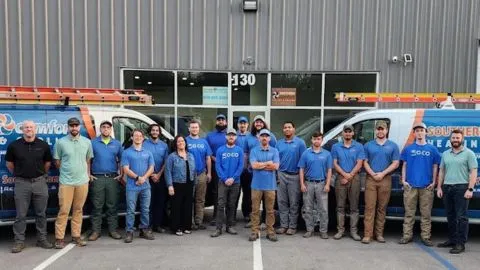
Southern Comfort Heating & Cooling
1067 Whipple Ct, Lexington, KY 40511
Southern Comfort Heating & Cooling is an HVAC company serving Louisville, KY, specializing in air conditioning and furnace repair, installation, and maintenance. They offer services including mini split and thermostat installation, as well as HVAC tune-ups. Founded in 2010 by HVAC Master Technician Matt Helgerson, the company has decades of experience servicing residential and commercial systems. Southern Comfort Heating & Cooling provides 24/7 emergency repair services and covers most of the Bluegrass region within Central Kentucky.
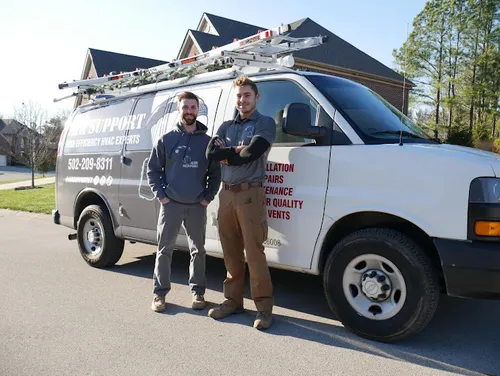
Air Support Heating & AC Repair
1123 Willow Oak Ln, La Grange, KY 40031
Air Support Heating & AC Repair is an HVAC company based in Louisville, KY. They provide air conditioning and furnace repair services to customers in the area. The company emphasizes transparent pricing and customer satisfaction in their service approach.
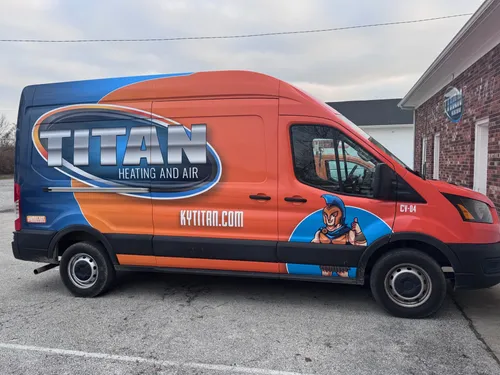
Titan Heating and Air
153 Edwards Ave, Georgetown, KY 40324
Titan Heating and Air provides HVAC repair, installation, and maintenance services in Lexington, KY. They handle all makes and models of heating and air conditioning systems, addressing issues such as worn-out belts, pilot light problems, and leaks. With over 20 years of experience, Titan Heating and Air also offers commercial heating and cooling solutions in Georgetown, working on complex systems and staying current with industry standards.

Feistritzer Heating & Air Conditioning
105 Man O War Dr, Danville, KY 40422
Feistritzer Heating & Air Conditioning serves Lexington, KY, and surrounding areas including Danville, Harrodsburg, and Stanford. They provide a range of HVAC services such as air conditioning and furnace repair, heat pump and geothermal system installation, indoor air quality solutions, and thermostat and gas line installation. The company is staffed by NATE-certified technicians who handle residential and light commercial projects. They emphasize thorough assessments and offer financing options. Their capabilities include geothermal heating and cooling systems, which use underground temperatures for efficient climate control.
GraceLand Air
314 Stanford St, Lancaster, KY 40444
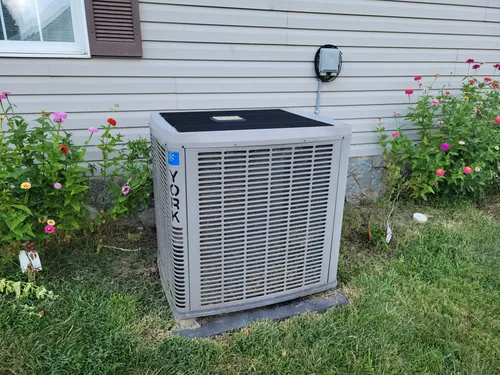
GraceLand Air is a local HVAC company serving Lexington, KY, and nearby areas including Lancaster. They provide a full range of heating and cooling services such as air conditioning and furnace repair, heat pump and boiler installation, ductless mini-split systems, and indoor air quality solutions. With over ten years of experience, GraceLand Air offers tailored solutions based on thorough diagnostics to ensure effective and long-term results. The company is a YORK® Certified Comfort Expert™ and serves all brands.
Common Furnace Problems in Kentucky Homes
Kentucky's winter weather puts consistent demand on heating systems, leading to several recurring issues. Recognizing these early signs can prevent minor problems from becoming major, costly repairs or full system failures.
- No Heat or Weak Heat: This is the most urgent complaint. Common culprits include dirty air filters restricting airflow, a failed hot surface igniter or dirty flame sensor, a faulty capacitor, issues with the gas valve, or low refrigerant in a heat pump system.
- Short Cycling: If your furnace turns on and off rapidly, it's working inefficiently and wearing out components. This can be caused by an overly clogged filter, incorrect thermostat settings or placement, a dirty flame sensor, incorrect gas pressure, or an oversized unit for your home.
- Strange Noises: Unusual sounds are often the first indicator of mechanical trouble. Squealing can point to worn motor bearings, banging may indicate a loose or damaged blower wheel, and general rattling often comes from loose panels or internal components.
- Pilot Light or Ignition Issues: For older systems, a pilot light that won't stay lit can be due to a dirty pilot orifice, a faulty thermocouple, or a draft. Modern furnaces with electronic ignition may have a failed igniter.
- Gas Smell: The smell of natural gas or rotten eggs (from the added mercaptan) is a serious safety warning. If detected, shut off the gas supply immediately if safe to do so, leave the home, and call your gas company or 911 from a safe distance.
The Professional Furnace Repair Process
Understanding what happens during a professional service call can set clear expectations and ensure a thorough job.
- Diagnosis: A qualified technician will start by discussing the symptoms with you. They will then systematically check the system, including the air filter, thermostat, electrical connections, igniter, burners, blower assembly, safety controls, and the heat exchanger for visible cracks.
- Quoting: After identifying the problem, the technician should provide a clear, written estimate detailing the necessary parts and labor costs. They may also point out other potential concerns observed during the inspection.
- Repair: With your approval, the technician will proceed with the repair. This involves replacing the faulty component, such as an igniter, flame sensor, capacitor, blower motor, or control board. Repairs are performed according to manufacturer specifications and local codes.
- Testing & Safety Verification: This is a critical final step. The technician will restart the furnace, verify proper ignition and operation, check for correct airflow, and conduct essential safety tests. These include checking for carbon monoxide (CO) leaks, verifying there are no gas leaks at connections, and ensuring the flue/vent system is clear and functional.
Critical Safety Checks During a Repair
A proper furnace repair always includes vital safety inspections to protect your household. Key checks include:
- Carbon Monoxide (CO) Levels: Technicians use combustion analyzers to measure CO output from the flue and check for leaks from a cracked heat exchanger, which is a primary source of dangerous indoor CO.
- Gas Leak Inspection: All gas line connections, the valve, and the manifold are checked with a gas leak detector or soap solution to ensure there are no leaks 1.
- Electrical Safety: Wiring connections are inspected for tightness, corrosion, or damage that could cause shorts or system failure.
- Flue and Ventilation: The exhaust flue pipe and fresh air intake are checked for blockages (like bird nests or ice), damage, or improper slope that could cause dangerous combustion gases to backdraft into the home 2.
Understanding Furnace Repair Costs in Kentucky
Repair costs vary significantly based on the component, part availability, and labor. Here's a general breakdown to help you budget:
- Preventative Tune-Up: A seasonal tune-up, which is a cost-effective way to avoid repairs, typically ranges from $100 to $200 in Kentucky 3.
- Minor Repairs: Fixing common parts like a flame sensor, hot surface igniter, capacitor, or thermostat generally falls between $100 and $350.
- Moderate Repairs: Replacing a blower motor, control board, or gas valve is more involved, with costs often ranging from $200 to $800.
- Major Repairs: The most expensive common repair is replacing a cracked heat exchanger, which can cost between $2,000 and $3,500. At this price point, it's often worth considering a full furnace replacement 4 5.
- Average Cost: The average furnace repair bill in the region is around $350, but complex issues can easily reach $800 to $1,000 or more6 7.
Find the perfect furnace repair companies for your needs
Get personalized recommendations and expert advice
The Best Time for Furnace Service in Kentucky
Timing your furnace maintenance can save money, stress, and ensure availability.
- Early Fall (September-October): This is the ideal time for a professional tune-up. Scheduling service before the heating season begins ensures your system is ready for heavy use, improves efficiency, and helps prevent inconvenient and costly breakdowns during the coldest weather 8.
- Winter (December-February): This is peak demand season. Emergency repairs are more common, often come with premium pricing, and you may face longer wait times for service. The focus during winter shifts to reliability and addressing failures to restore heat quickly.
Preventative Maintenance: Your First Line of Defense
Routine maintenance is the most effective way to extend your furnace's life, maintain efficiency, and prevent unexpected failures. A professional fall tune-up typically includes:
- Inspecting and cleaning the burners, flame sensor, and igniter.
- Checking and lubricating the blower motor and bearings.
- Testing all safety controls and the gas valve operation.
- Examining the heat exchanger for cracks or corrosion.
- Checking the flue draft and for blockages.
- Measuring carbon monoxide levels in the exhaust 9 10. Investing in this annual service, which often costs less than a single emergency repair, provides peace of mind and can significantly reduce winter heating bills.
Repair vs. Replacement Considerations
When facing a major repair, it's wise to evaluate whether replacing the entire furnace is a better long-term investment. Consider replacement if:
- The repair cost exceeds 50% of the value of a new, high-efficiency system.
- Your furnace is over 15 years old and requiring frequent repairs.
- You have a cracked heat exchanger, which is a safety hazard and a very costly fix.
- Your energy bills are rising due to declining furnace efficiency.
- You want to improve home comfort with newer technology and better airflow. A reputable technician can help you weigh the costs, potential energy savings, and benefits of a new system against the price of an extensive repair.
Frequently asked questions
Sources
Footnotes
-
Furnace Repair Lexington KY | 5 Furnace Noises You Shouldn't Ignore - https://lexelectricalandhvac.com/furnace-repair-lexington-ky-5-furnace-noises-you-shouldnt-ignore/ ↩
-
Signs You Need Furnace Repair in Independence, KY - https://docrusk.com/blog/signs-furnace-repair-independence-ky/ ↩
-
$57 Furnace Check Up in Louisville, KY - https://fastresponseservice.com/louisville/home-furnace-check-up/ ↩
-
Furnace Repair vs. Replacement - Richmond - Madison HVAC - https://www.madisonhvacr.com/richmond-air-conditioning/furnace-repair-vs-replacement-how-to-make-the-right-call-in-richmond ↩
-
Should I Repair or Replace My Furnace In Louisville, KY? - https://chapmanengineering.net/should-i-repair-or-replace-my-furnace-in-louisville-ky/ ↩
-
Mid-Winter Furnace Checkup: Why It Matters | UGNasons RI - https://ugnasons.com/hvac-maintenance/why-your-furnace-needs-a-mid-winter-checkup-and-what-to-expect/ ↩
-
Furnace Repair Service in Bowling Green, KY - Happy Hiller - https://happyhiller.com/locations/bowling-green/hvac-services/furnace-repair/ ↩
-
Furnace Maintenance Experts | Breckinridge Heating & Cooling - https://breckinridgeheatingandcooling.com/services/furnace-maintenance/ ↩
-
Furnace Tune-Ups in Louisville, KY | Heating Services - https://www.maeser.com/heating/furnace-tune-up/ ↩
-
Furnace Inspection | Western Kentucky - https://www.em-acplumbing.com/furnace-inspection ↩