Find the Best Furnace Repair Companies for Your Business
No obligation • Fast responses • Nationwide coverage

Why you can trust HVAC Firms
HVAC Firms is a leading United States resource for evaluating HVAC service providers. Our team researches companies, checks credentials, and reviews customer feedback to present clear, unbiased information. Listings and rankings are based on merit, and companies cannot pay to change our editorial content.
Search providers near you
Top Furnace Repair Companies in Peachtree Corners, Georgia Ranked
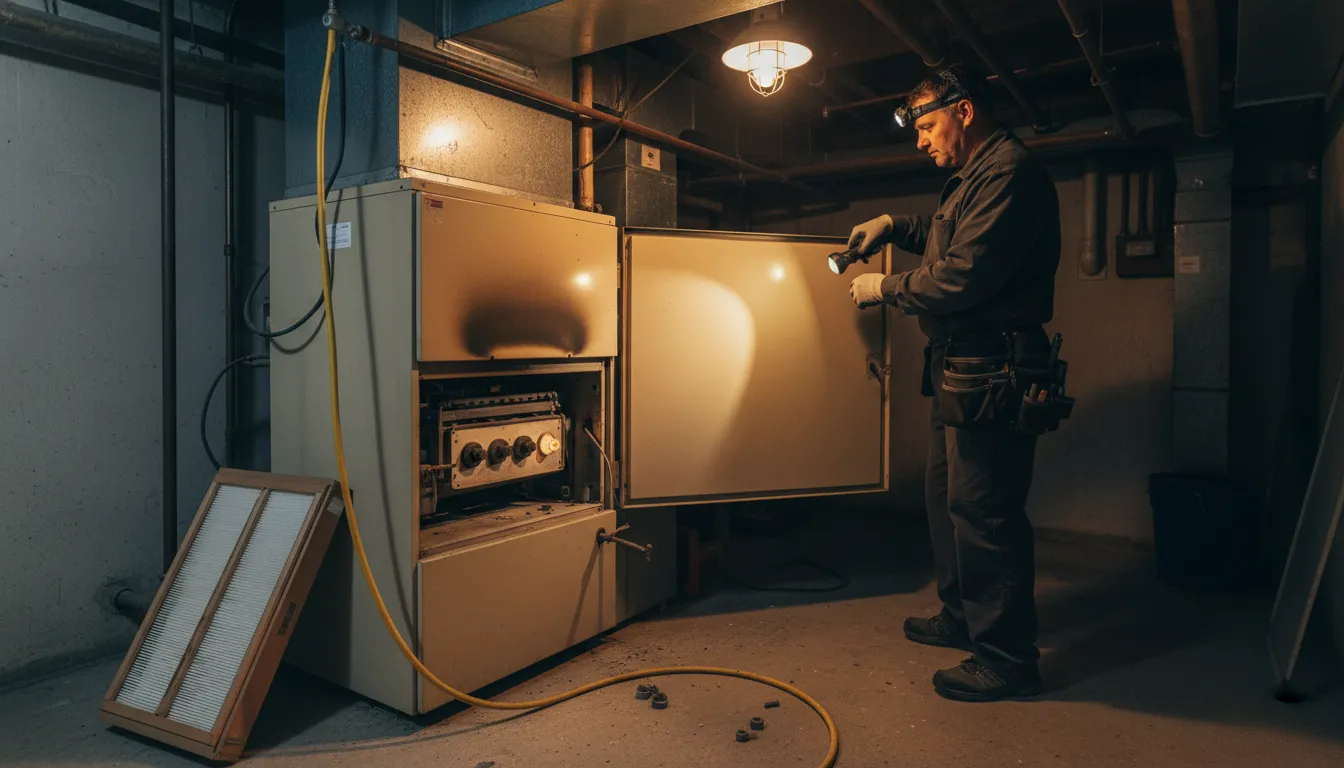
When your furnace stops working on a chilly Georgia night, getting reliable heating system repair quickly becomes a top priority. Furnace repair is the process of diagnosing and fixing malfunctions in your home's heating unit to restore warmth, safety, and efficiency. This service is critical for maintaining a comfortable indoor environment and preventing minor issues from escalating into costly, hazardous problems. For Peachtree Corners residents, understanding the local repair process, common issues, and what to expect can help you connect with the right service professional to get your heat back on.

Wall Heating & Air Conditioning, Inc.
485 Scenic Hwy S, Lawrenceville, GA 30046
Wall Heating & Air Conditioning, Inc. is an HVAC company serving Atlanta, GA, specializing in air conditioning, heating, and indoor air quality services. They handle installation, repair, and maintenance for central air conditioners, ductless mini splits, heat pumps, furnaces, and rooftop or packaged units for both residential and commercial properties. The company also offers indoor air quality solutions including air cleaners, humidifiers, dehumidifiers, and UV germicidal lights, with a focus on Aprilaire products. Their certified technicians provide expertise in eco-friendly heat pump systems and climate control efficiency.
Techmazing Heating and Cooling
4931 Hwy 81, Loganville, GA 30052
Techmazing Heating and Cooling provides a full range of HVAC services in Atlanta, GA, including air conditioning, furnace, heat pump, and ductless mini-split installation and repair. They also offer indoor air quality solutions and commercial refrigeration services. The company is experienced in servicing all major brands and models, with certified technicians who provide warranties on parts and labor. Techmazing Heating and Cooling serves Northeast Georgia communities such as Braselton, Buford, Dacula, Duluth, Gainesville, Lawrenceville, Loganville, and Snellville. Their capabilities include expert diagnostics and repairs, as well as custom installations of Trane heating and cooling systems.
Coolpro Heating and Cooling
161 Austin Ave NE, Marietta, GA 30060
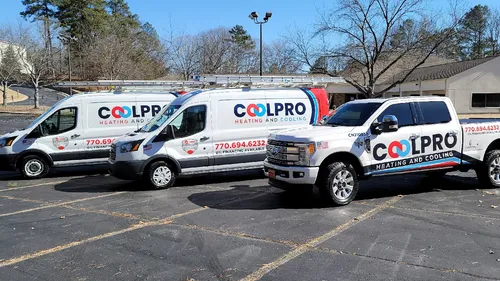
Coolpro Heating and Cooling provides residential and commercial HVAC services in Atlanta, GA. They offer repair, installation, and tune-up services for air conditioners, furnaces, heat pumps, and full HVAC systems. The company services all makes and models and emphasizes energy-efficient solutions to help manage comfort and reduce energy use. With over 30 years of experience, Coolpro serves Cobb, Cherokee, Paulding counties, and the Atlanta area, focusing on reliable heating and cooling solutions.
Holt Hudson Heating & Airconditioning
5195 Linnadine Way NW, Peachtree Corners, GA 30092
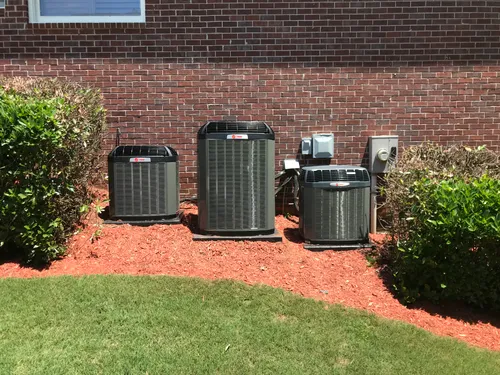
Holt Hudson Heating & Airconditioning is an HVAC company based in Atlanta, GA, specializing in residential maintenance, repair, and replacement of heating and cooling systems. They offer a full line of Trane products and provide services including installation, repair, indoor air quality solutions, and HVAC tune-ups. The company emphasizes quality installations and thorough maintenance to optimize system performance and energy efficiency. Founded by John Hudson, who has been involved in HVAC since childhood and took over operations in 2006, Holt Hudson Heating & Airconditioning serves multiple communities around Atlanta, including Peachtree Corners and nearby areas.
Summit
51 Austin Ave NE, Marietta, GA 30060
Summit is an HVAC company serving Atlanta, GA, specializing in repair, installation, and maintenance of air conditioning, furnaces, heat pumps, and HVAC systems. They focus on diagnosing and fixing issues to extend system life before recommending replacements. Operating since 2015, Summit serves the local community with timely appointments and personalized service.
Understanding Your Furnace and Common Failures
Your furnace is a complex appliance with several key components that work together to heat your home. Over time, wear and tear, lack of maintenance, or simple age can lead to breakdowns. The most frequent calls for heating repair in Peachtree Corners involve a loss of heat, which can stem from several sources.
A failing ignitor or hot surface ignitor is often cited as the single most common part to fail on a modern furnace. This component is responsible for lighting the gas to create heat, and it can wear out after several heating seasons. Other prevalent issues include malfunctioning thermostats, which act as the brain of your system, and clogged air filters. A dirty filter restricts airflow, forcing your furnace to work harder, which can lead to overheating and automatic shutdowns 1.
Signs You Need Heating System Service
How do you know it's time to call for furnace service? Beyond a complete lack of heat, be alert to these warning signs:
- Strange Noises: Banging, rattling, squealing, or rumbling sounds often point to mechanical problems. A loose or damaged blower wheel, failing motor bearings, or issues within the burner assembly can create these noises.
- Frequent Cycling: If your furnace turns on and off more frequently than usual (short cycling), it could indicate an overheating problem, often due to restricted airflow from a dirty filter or a faulty flame sensor.
- Unusual Odors: A persistent dusty smell when you first turn on the heat is normal. However, a sharp, metallic, or "burning" smell could signal an electrical issue, while the distinct scent of rotten eggs points to a potential gas leak, which requires immediate evacuation and a call to your gas company and emergency services.
- Rising Energy Bills: A gradual, unexplained increase in your heating costs often means your furnace is losing efficiency and working harder to maintain temperature.
The Furnace Repair Process in Peachtree Corners
Knowing what happens when you schedule a repair can make the experience smoother. The process typically follows a structured path from initial contact to system restoration.
1. Initial Contact & Scheduling: You'll call or schedule an appointment online with a local heating contractor. Many providers in the area offer 24/7 emergency service for situations like no heat in winter, allowing for prompt response to urgent issues.
2. Diagnosis & Inspection: Upon arrival, the technician will discuss the symptoms with you before beginning a systematic diagnosis. This involves checking the system's power source, inspecting the thermostat settings and wiring, examining the air filter, and testing safety controls and key components like the ignitor, flame sensor, and blower motor 2.
3. Quote & Approval: After identifying the problem, the technician will provide a detailed quote for the necessary repairs, including parts and labor. Reputable companies will always seek your approval before proceeding with any work beyond the diagnostic fee.
4. Execution of Repair: The actual fix can range from simple cleaning and adjustments to the replacement of major components. Common repairs include swapping out a failed ignitor, cleaning a dirty flame sensor, replacing a clogged filter, or installing a new blower motor.
5. Testing & Explanation: Once the repair is complete, the technician will test the entire system to ensure it operates correctly and safely. They should also explain what was done and offer advice on preventing future issues.
Repair Timelines: What to Expect
The time required to fix your furnace depends heavily on the nature of the problem and part availability.
- Diagnosis: The initial inspection and troubleshooting usually take 30 to 60 minutes, plus the technician's travel time.
- Minor Repairs: Simple fixes like replacing a thermostat, cleaning a sensor, or changing a filter are often completed during the same service visit.
- Part-Dependent Repairs: If a specific replacement part is not in the service vehicle's inventory, the repair may require a second visit. In Peachtree Corners, you can typically expect a 1 to 3-day turnaround for ordered parts, though this can vary.
- Emergency Service: For urgent situations, many companies prioritize these calls, aiming for same-day or even within-hours service, especially during extreme cold weather.
Find the perfect furnace repair companies for your needs
Get personalized recommendations and expert advice
Cost Factors for Furnace Repairs
The cost of heating repair is not a flat fee; it varies based on the complexity of the job, the parts required, and the labor involved. Most companies charge a standard service call or diagnostic fee, which typically ranges from $75 to $200. This fee covers the technician's time to come to your home and diagnose the issue; it is often waived if you proceed with the recommended repair.
Repair costs themselves fall into a spectrum:
- Minor Repairs: Simple fixes like replacing a thermostat or cleaning components generally range from $150 to $5003.
- Moderate Repairs: Replacing common failed parts like a hot surface ignitor or a flame sensor typically costs between $200 and $400 for parts and labor.
- Major Repairs: Addressing significant component failures involves higher costs. Replacing a blower motor can range from $400 to over $1,000. The most expensive common repair is replacing a cracked heat exchanger, which is a critical safety component; this job can cost $1,000 to $3,500 or more and sometimes makes replacing the entire furnace a more economical option 4 5 6.
Safety: The Non-Negotiable Priority in Heating Repair
Safety is the paramount concern in any furnace service. Certain malfunctions pose serious risks to your home and family.
- Carbon Monoxide (CO) Leaks: A cracked heat exchanger can allow deadly carbon monoxide-an odorless, colorless gas-to mix with your home's air. This is why an annual inspection and having working CO detectors on every level of your home are essential 7.
- Gas Leaks: Any issue with the gas line, valve, or burner assembly can lead to a leak, creating a risk of fire or explosion.
- Electrical Hazards: Faulty wiring or electrical components within the furnace can pose shock or fire risks.
A qualified technician will always perform safety checks as part of any repair or maintenance visit. If a safety hazard like a cracked heat exchanger is discovered, they will "red tag" or disable the furnace until it is repaired or replaced.
The Value of Preventative Maintenance
The best way to avoid unexpected and costly furnace breakdowns is through regular preventative maintenance. An annual tune-up, ideally performed in the fall before the heating season begins, can:
- Improve Efficiency: A clean, well-adjusted furnace uses less fuel to heat your home, lowering utility bills.
- Extend Equipment Lifespan: Catching small issues early prevents them from causing major damage.
- Enhance Safety: Technicians check for gas leaks, test for carbon monoxide, and verify all safety controls are operational.
- Prevent Breakdowns: Cleaning components and ensuring proper operation reduces the likelihood of a failure on the coldest night of the year 8.
For Peachtree Corners homeowners, investing in an annual maintenance plan is a proactive strategy that pays off in comfort, savings, and peace of mind.
Frequently asked questions
Sources
Footnotes
-
6 Important Things to Check Before Scheduling a Service Call - https://acmasters.com/6-things-to-check-before-scheduling-a-service-call/ ↩
-
Common HVAC Troubleshooting Scenarios: A Technician's Guide - https://www.servicetitan.com/blog/hvac-troubleshooting-scenarios ↩
-
Air Conditioner Repair Service in Peachtree Corners, GA - https://summerbreezeair.com/location/peachtree%20corners ↩
-
Furnace Repair Cost: Expected Expenses for Fixing Your Heating - https://www.blackburnanddavis.com/furnace-repair-cost/ ↩
-
What Is The Most Common Part to Fail on a Furnace? - https://www.myqualitycomfort.com/general/what-is-the-most-common-part-to-fail-on-a-furnace/ ↩
-
How Much Does HVAC Repair Cost in Dallas? (2026 Price Guide) - https://leeairservices.com/hvac-repair-cost/ ↩
-
Top Rated Heater & Furnace Repair Peachtree Corners, GA - https://callkeepsmiling.com/peachtree-corners-heating-furnace-contractor/ ↩
-
5 Common Winter HVAC Problems and How to Avoid Them - https://www.rogerlnewman.com/post/5-common-winter-hvac-problems-and-how-to-avoid-them ↩