Find the Best Furnace Installation & Replacement Contractors for Your Business
No obligation • Fast responses • Nationwide coverage

Why you can trust HVAC Firms
HVAC Firms is a leading United States resource for evaluating HVAC service providers. Our team researches companies, checks credentials, and reviews customer feedback to present clear, unbiased information. Listings and rankings are based on merit, and companies cannot pay to change our editorial content.
Search providers near you
Best Furnace Installation & Replacement Contractors in Wisconsin Ranked
Replacing your home's furnace is a significant investment, especially in a state known for its long, harsh winters. A new, properly sized, and efficiently installed heating system is crucial for maintaining comfort, managing energy costs, and ensuring safety throughout the cold season. This guide provides clear, practical information on furnace replacement in Wisconsin, from choosing the right unit to understanding the installation process and available financial incentives, helping you make an informed decision for your home.
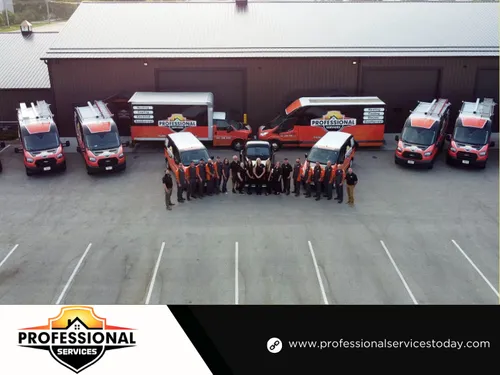
Professional Services Heating, AC & Electric Repair
113 Riverview Dr, Thiensville, WI 53092
Professional Services Heating, AC & Electric Repair is an HVAC company serving Milwaukee, WI, and the surrounding Ozaukee and Washington counties. They provide a range of heating and cooling services including furnace, heat pump, boiler, and geothermal system repair and installation. The company is equipped to handle both standard and high-efficiency furnaces, as well as ductless split systems. They emphasize practical advice and offer warranties on parts and labor. Professional Services also offers 24/7 emergency service to address urgent heating and cooling needs.
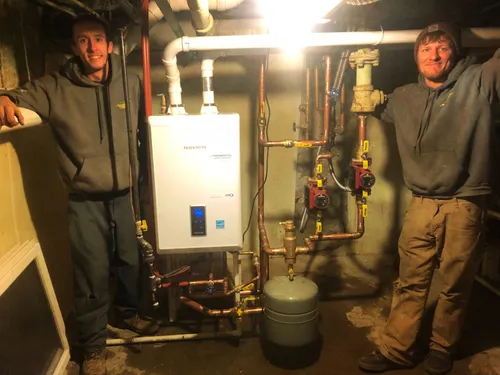
Heinrichs Home Comfort
18445 W National Ave, New Berlin, WI 53146
Heinrichs Home Comfort is an HVAC company serving Milwaukee, WI, specializing in air conditioning, furnace, and boiler repair and installation. They provide HVAC tune-up services and emphasize safe, reliable maintenance including thorough cleaning and safety checks for furnaces and boilers. With 16 years of experience, Heinrichs Home Comfort offers a 1-year guarantee on their work and maintains clear communication with customers through timely updates and digital reports.
Cardinal Heating, Cooling, Plumbing, & Electric
6120 Cottonwood Dr, Fitchburg, WI 53719
Cardinal Heating, Cooling, Plumbing, & Electric is a full-service contractor based in Madison, WI, offering heating, air conditioning, plumbing, and electrical services. They serve multiple counties in Southern Wisconsin, including Dane County. The company provides HVAC installation and repair, plumbing maintenance, and electrical work, with capabilities such as 24-hour emergency response and one-day installations. Established in 1984, Cardinal Heating, Cooling, Plumbing, & Electric has over 30 years of experience and holds accreditation from the Better Business Bureau.
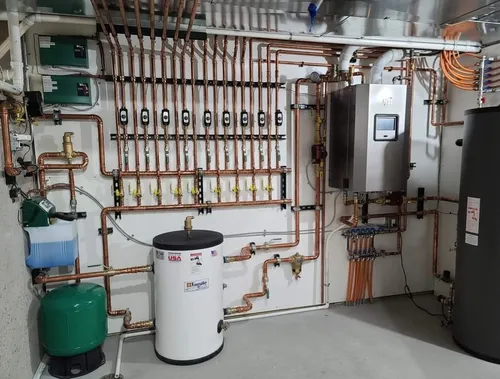
HoneyCreek Heating, Cooling & Electric, LLC
N63W22633 Main St Ste. 107, Sussex, WI 53089
HoneyCreek Heating, Cooling & Electric, LLC is a full-service HVAC and electrical company serving Milwaukee, WI, and the surrounding areas. They provide repair, installation, and maintenance for heating and cooling systems including furnaces, air conditioners, boilers, heat pumps, and thermostats. Their licensed electricians also handle electrical panel upgrades, wiring repairs, and ceiling fan installations. HoneyCreek offers 24/7 emergency service and covers a broad range of locations in Southeastern Wisconsin. Their technicians are experienced with many HVAC brands and emphasize safety and clear communication throughout their work.
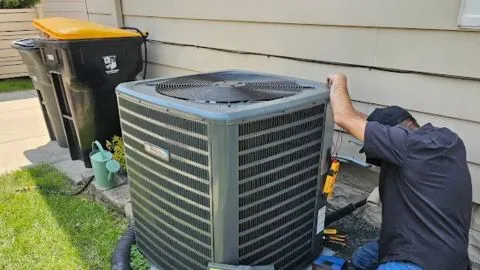
Absolute Comfort HVAC LLC
W220N1560 Jericho Ct, Waukesha, WI 53186
Absolute Comfort HVAC LLC provides heating, cooling, and ventilation services in Milwaukee, WI. They offer maintenance, repair, and installation for air conditioners, furnaces, boilers, mini splits, and indoor air quality systems. The company serves residential, commercial, light commercial, and new construction clients across multiple nearby communities. Their capabilities include HVAC tune-ups and installation of inverter and rooftop units. Absolute Comfort HVAC LLC covers a wide service area including Waterford, Waukesha, Brookfield, and surrounding locations.
Understanding Your Furnace Options in Wisconsin
The first step in a replacement project is selecting the type of furnace that best fits your home's infrastructure and your budget. The primary fuel sources available in Wisconsin are natural gas, electricity, and oil, each with distinct characteristics.
Natural Gas Furnaces are the most popular choice in areas with gas line access. They are generally cost-effective to operate, highly reliable, and available in a wide range of efficiency ratings. Modern gas furnaces convert a high percentage of fuel into usable heat, making them a practical option for Wisconsin's climate.
Electric Furnaces typically have a lower upfront installation cost and are simpler to install, as they don't require gas lines or venting. However, their operational costs can be significantly higher than gas models, as electricity is often a more expensive heat source. They are a common choice in homes without access to natural gas 1.
Oil Furnaces are a powerful heating option for homes in rural areas where natural gas is not available. They provide strong, consistent heat but require on-site fuel storage (an oil tank) and tend to need more frequent maintenance than gas units. While less common today, they remain a viable solution for specific properties.
The Critical Importance of High Efficiency
In Wisconsin, where winter temperatures can plummet and heating systems run for many months, the efficiency rating of your new furnace is not just a minor detail-it's a major factor in your long-term comfort and costs. Efficiency is measured by the Annual Fuel Utilization Efficiency (AFUE) percentage, which indicates how much of the fuel is converted into heat for your home.
For Wisconsin homes, industry experts strongly recommend aiming for a high-efficiency model with an AFUE of 95% or higher 2. This is a substantial jump from the old 80% AFUE standard. While these units have a higher initial price tag, the investment is often justified by the climate. A high-efficiency furnace can dramatically reduce monthly fuel bills, with the savings on operating costs helping to offset the upfront premium over the system's lifespan 2 3. The colder your local winters, the faster these savings accumulate, making high-efficiency a particularly smart financial choice in this region 4.
The Professional Installation Process
A proper furnace installation is a multi-step process that should only be undertaken by licensed, experienced professionals. This ensures safety, system longevity, and warranty protection. Here's what you can typically expect:
- Initial Assessment and Sizing: A technician will evaluate your existing system, inspect your ductwork, and perform a Manual J load calculation. This crucial step determines the exact heating capacity (in BTUs) your home needs-not too large, not too small-for optimal efficiency and comfort.
- Safe Removal: The old furnace and any related components are carefully disconnected and removed from your home.
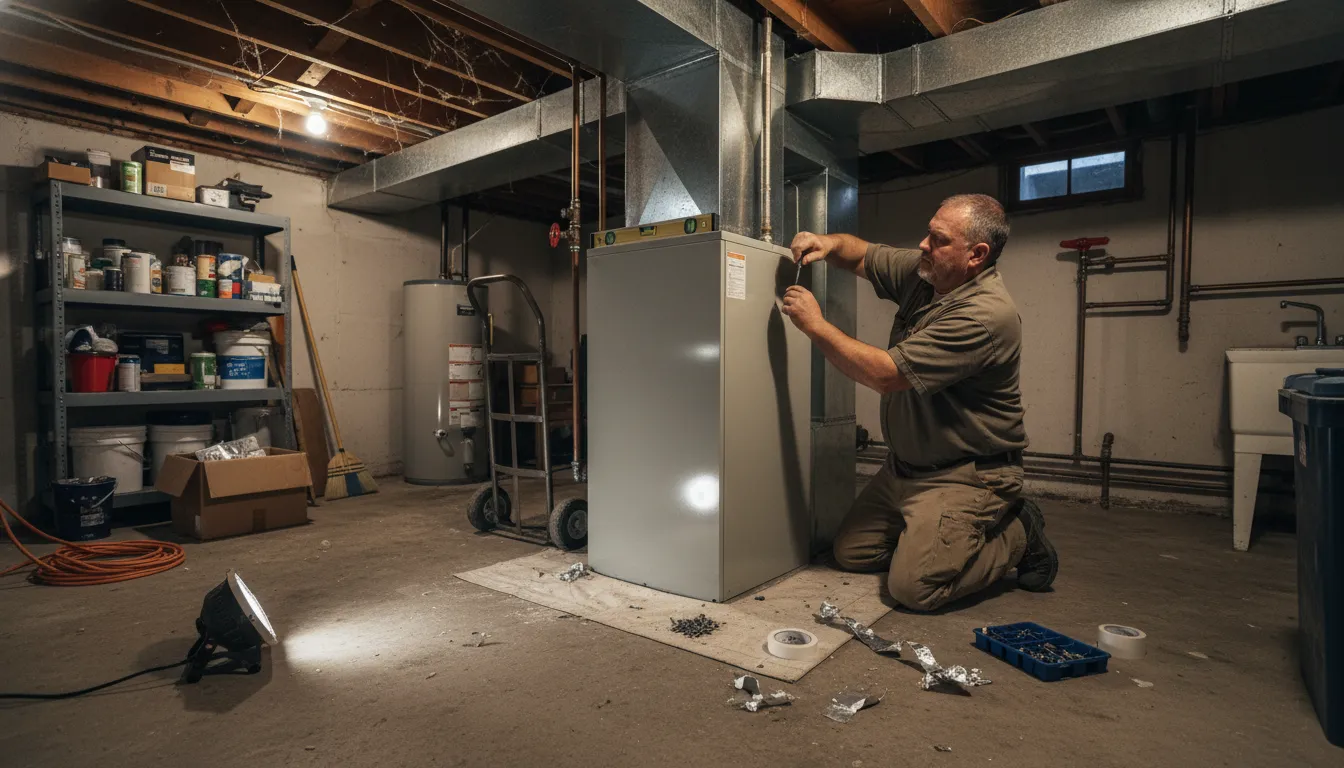
- New Installation: The new furnace is positioned, leveled, and secured. Technicians will connect gas lines (for gas/oil units), electrical wiring, new venting, and the condensate drain line. Necessary modifications to ductwork are made to ensure proper airflow 5 6.
- System Startup and Testing: Once physically installed, the system is started up, calibrated, and thoroughly tested. The technician will check for gas leaks (if applicable), verify safe venting of combustion gases, test electrical components, and ensure the furnace cycles correctly and delivers heat evenly throughout your home.
Furnace Replacement Cost Factors in Wisconsin
The total cost for a new furnace installation in Wisconsin can vary widely. For 2024/2025, homeowners can expect a general range of $3,800 to $10,000 or more, with high-efficiency gas furnace installations often falling between $6,000 and $8,000+ 7 8 9. Several key factors influence the final price:
- Furnace Capacity and Type: Larger homes require furnaces with higher BTU output, which cost more. The choice between gas, electric, or oil also affects the price.
- Efficiency Rating: As discussed, units with higher AFUE ratings (95%+ ) command a higher price for the equipment itself.
- Labor and Complexity: Installation costs cover the expertise, time, and labor of the technicians. Jobs that involve difficult access, extensive ductwork modifications, or upgrading electrical service will increase labor time and cost.
- Additional Components: The need for a new thermostat, air cleaner, humidifier, or updated flue/venting materials will add to the project total.
- Permits: Local building codes often require a permit for furnace replacement, and its cost is typically included in the installer's quote.
Find the perfect furnace installation & replacement contractors for your needs
Get personalized recommendations and expert advice
Maximizing Value with Rebates and Incentives
To encourage energy efficiency, several financial incentives can help reduce the net cost of a new, high-efficiency furnace. It's important to research what's available at the time of your purchase:
- Utility Rebates: Many Wisconsin utility companies offer rebates for upgrading to Energy Star certified high-efficiency furnaces. These are direct discounts that can shave hundreds of dollars off your project cost 10.
- Federal Tax Credits: The federal government periodically offers tax credits for qualified energy-efficient home improvements, including certain furnaces that meet specific efficiency thresholds. These credits directly reduce the amount of income tax you owe.
- Long-Term Savings: Remember that the most significant "incentive" is the ongoing reduction in your monthly heating bill. A high-efficiency furnace uses less fuel to produce the same amount of heat, putting money back in your pocket every winter.
Why Professional Installation is Non-Negotiable
Attempting a DIY furnace installation or hiring an unqualified handyman is risky and ill-advised. Professional installation is essential for three core reasons:
- Safety: Incorrect installation of gas lines, electrical connections, or exhaust venting can lead to gas leaks, carbon monoxide poisoning, or electrical fire hazards. Professionals are trained to adhere to strict safety codes.
- Performance and Efficiency: An improperly sized or installed furnace will not operate efficiently, leading to higher energy bills, uneven heating, and premature system failure. Professionals ensure the system is calibrated for peak performance 11.
- Warranty Protection: Most furnace manufacturers require professional installation by a licensed technician as a condition of their warranty. An improper installation can void the warranty, leaving you fully responsible for any future repair costs 12.
Planning Your Project: Timeline and Preparation
A standard furnace replacement for a single system in a readily accessible area typically takes a professional team 4 to 8 hours to complete. To prepare for installation day, clear the area around your current furnace (usually in a basement, utility closet, or garage) to provide technicians with ample workspace. It's also wise to discuss the project timeline and any potential disruptions with your chosen contractor in advance. They can tell you if your system will be offline for the entire day and provide guidance on maintaining comfort during the process.
Frequently asked questions
Sources
Footnotes
-
Furnace Installation & Replacement Service In Milwaukee, WI - https://thielmannheating.com/heating/furnaces/installation ↩
-
Expert Guide on Selecting a New Furnace - West Allis Heating - https://westallisheating.com/select-new-furnace/ ↩ ↩2
-
What Are The Benefits Of Upgrading To A High-Efficiency Furnace In ... - https://midwesthvacpro.com/what-are-the-benefits-of-upgrading-to-a-high-efficiency-furnace/ ↩
-
Attention: New Gas Furnace Mandate. Here's What You Need To Know - https://mikescustommechanical.com/attention-new-gas-furnace-mandate/ ↩
-
Furnace Installation in Milwaukee, WI - https://www.buranthtg.com/heating-services/furnace-installation/ ↩
-
Furnace Installation: What to Expect During the Process - https://www.carlscoolingllc.com/blog/furnace-installation-what-to-expect ↩
-
How Much Does a Furnace Installation Cost in 2025? A Complete ... - https://www.qualityhvac.net/2025/04/17/how-much-does-a-furnace-installation-cost-in-2025-a-complete-guide/ ↩
-
Gas Furnace Replacement Costs in Minnesota and Wisconsin - https://comfortbydesign.com/blog/gas-furnace-replacement-cost/ ↩
-
Furnace Replacement Cost Factors | Milwaukee HVAC - https://www.capitalhvac.com/blog/milwaukee-furnace-replacement-costs/ ↩
-
Best HVAC System For Your Wisconsin Home | 5 Expert Tips - https://midwesthvacpro.com/5-tips-to-choose-the-best-hvac-system-for-your-wisconsin-home/ ↩
-
Furnace Install Costs Guide: Pricing, Labor, And What Affects Your ... - https://www.michaelbonsbyhvac.com/blog/furnace-install-costs-guide-pricing-labor-and-what-affects-your-total/ ↩
-
Furnace Installation Costs Explained - Obie Comfort Solutions - https://www.obiecomfortsolutions.com/blog/heating-service/how-much-should-you-budget-for-furnace-installation-tips-and-insights/ ↩