Find the Best Furnace Installation & Replacement Contractors for Your Business
No obligation • Fast responses • Nationwide coverage

Why you can trust HVAC Firms
HVAC Firms is a leading United States resource for evaluating HVAC service providers. Our team researches companies, checks credentials, and reviews customer feedback to present clear, unbiased information. Listings and rankings are based on merit, and companies cannot pay to change our editorial content.
Search providers near you
Best Furnace Installation & Replacement Contractors in Washington Ranked
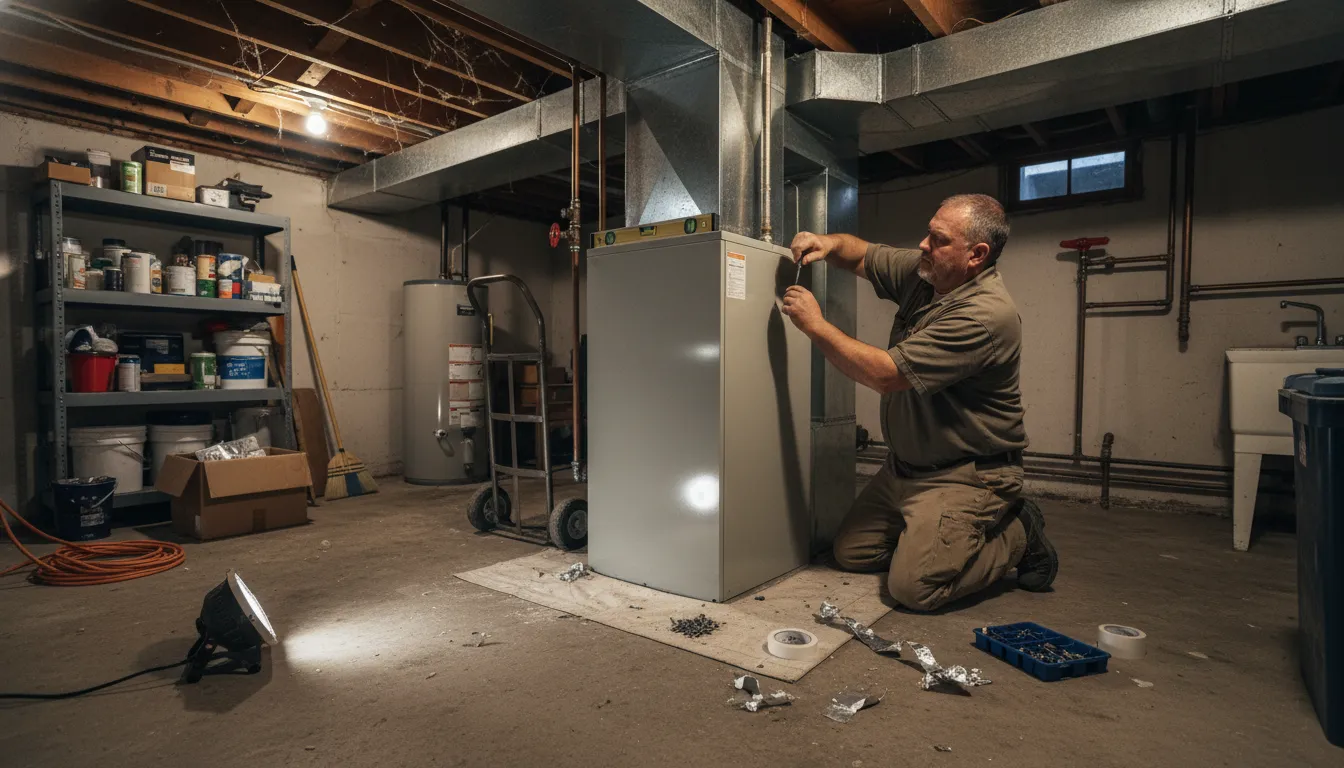
Replacing your furnace is a significant investment in your home's comfort, safety, and energy efficiency. In Washington's varied climate, from the cool, damp coast to the colder inland regions, a properly sized and installed heating system is essential for reliable winter warmth. This guide explains the key considerations for furnace installation and replacement in Washington, helping you understand your options, the process, and how to find qualified local professionals for the job.
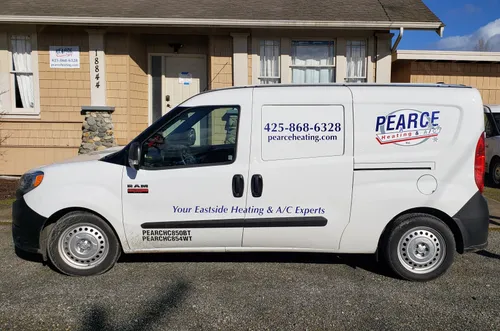
Pearce Heating & A/C
18844 NE 84th St, Redmond, WA 98053
Pearce Heating & A/C is a comprehensive HVAC and electrical service provider based in Seattle, WA. They serve the Eastside and King County areas, including Redmond, Bellevue, and Kirkland. Their services include installation, repair, and maintenance of heating, air conditioning, and heat pump systems, along with indoor air quality solutions such as air purifiers and humidifiers. Pearce Heating & A/C also offers professional electrical services including panel upgrades and rewiring. With decades of experience, their technicians are certified to work with all major HVAC brands and models. The company emphasizes personalized service by assigning consistent technicians and maintaining direct owner involvement to ensure quality and customer satisfaction.
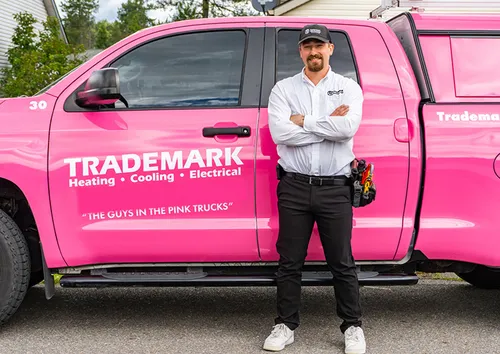
Trademark Heating, Cooling & Electrical
6010 E Trent Ave, Spokane, WA 99202
Trademark Heating, Cooling & Electrical provides comprehensive HVAC services in Spokane, WA. They specialize in air conditioning and furnace repair, installation, and tune-ups, serving the Inland Northwest since 2004. The company is skilled in handling HVAC systems from all major brands and offers 24/7 availability for service calls. Their team focuses on creating comfortable indoor environments tailored to local climate needs.
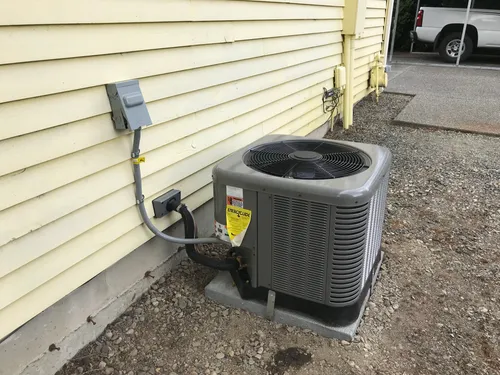
Columbia Heating & Air
6811 S 204th St, Kent, WA 98032
Columbia Heating & Air is an HVAC contractor based in Seattle, WA, serving King and Pierce counties. Founded in 1969, the company specializes in residential heating and cooling services including installation and repair of gas heating, air conditioning, heat pumps, ductless mini splits, and indoor air quality systems. They employ licensed and certified technicians and have been recognized as an A-Plus™ dealer by a leading manufacturer. Columbia Heating & Air offers evening and weekend service options for added convenience.
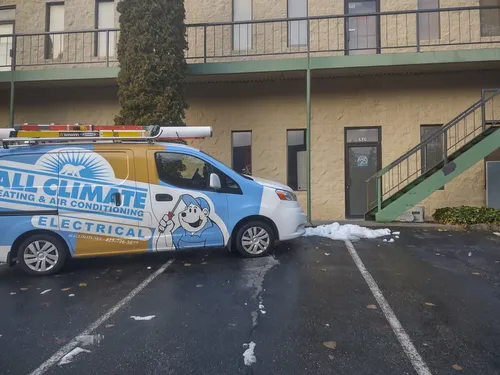
All Climate Heating & Air Conditioning
22313 70th Ave W Suite L7C, Mountlake Terrace, WA 98043
All Climate Heating & Air Conditioning is a family-owned HVAC company serving Seattle, WA, and the Greater Eastside areas since 1993. They provide a full range of heating and cooling services, including installation, repair, maintenance, and duct cleaning. As a Bryant authorized dealer, they offer energy-efficient heating and cooling equipment and employ NATE-certified technicians to ensure expert service. The company emphasizes careful workmanship and adherence to all codes and standards, with a lifetime workmanship warranty and extended factory warranties available on most equipment.
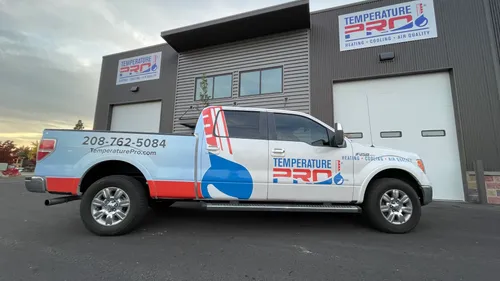
TemperaturePro Inland Northwest
655 W Capstone Ct Unit A, Hayden, ID 83835
TemperaturePro Inland Northwest provides comprehensive HVAC services in Spokane, WA, including repair, maintenance, and installation for air conditioning, furnaces, boilers, heat pumps, and mini splits. They also offer indoor air quality solutions and service a wide range of HVAC equipment brands. Their technicians have expertise in both residential and commercial systems, addressing heating, cooling, and air quality needs throughout the Inland Northwest region. TemperaturePro emphasizes system efficiency and longevity through regular maintenance and offers installation of air filtration systems to improve indoor air quality.
Understanding Your Furnace Options in Washington
Choosing the right type of furnace is the first critical step. Your choice will depend on the fuel sources available at your home, your budget, and your long-term energy savings goals.
- Gas Furnaces: The most common heating system in Washington where natural gas is available. Modern gas furnaces are categorized by their Annual Fuel Utilization Efficiency (AFUE) rating. An 80% AFUE unit is a standard efficiency model, while high-efficiency condensing furnaces offer ratings from 90% to over 98% 1. Higher AFUE means more of the fuel's energy is converted into heat for your home, leading to lower utility bills. It's important to note that new installations in many areas now require a minimum of 90% AFUE, and a federal rule taking effect in 2028 will set the minimum standard at 95% AFUE for new furnaces.
- Electric Furnaces: These units convert nearly 100% of electrical energy into heat, making them highly efficient at the point of use 2. They often have a lower upfront installation cost since they don't require gas lines or complex venting. However, the operating cost can be higher than natural gas in many parts of Washington, depending on local electricity rates. They are an excellent option for homes without gas service or as part of a hybrid system with a heat pump.
- Oil Furnaces: Prevalent in rural areas of Washington that lack natural gas infrastructure. Oil furnaces provide powerful heat but require on-site fuel storage tanks and regular deliveries. They typically involve more maintenance than gas or electric systems and have seen significant efficiency improvements in newer models 3.
Key Factors Influencing Your Washington Furnace Installation
Several local and home-specific factors will guide your replacement decision beyond just the type of furnace.
- Washington's Climate: The state's heating needs vary. Western Washington experiences milder, wetter winters, while Eastern Washington faces colder, drier conditions. This influences the required heating capacity (BTU output) and makes high-efficiency systems particularly valuable for managing long-term heating costs across the state.
- Proper Sizing is Crucial: A furnace that is too large will short-cycle (turn on and off frequently), reducing efficiency, comfort, and lifespan. One that is too small will struggle to heat your home. Professional installers use a Manual J load calculation-a standardized method-to determine the precise heating needs of your home based on its size, insulation, windows, and local climate.
- Evaluating Existing Infrastructure:
- Ductwork: Your existing air ducts must be inspected for leaks, damage, and proper sizing for the new system. Upgrading to a higher-efficiency furnace may require duct modifications or sealing to realize the full energy savings.
- Venting: High-efficiency (90%+ AFUE) gas furnaces produce cooler exhaust and require corrosion-resistant PVC piping for venting, unlike the metal flues used for standard efficiency models 4.
- Fuel Lines & Electrical: A professional will assess whether your current gas line or electrical service can support the new furnace's requirements.
The Professional Furnace Installation Process
A successful installation follows a meticulous process to ensure safety, efficiency, and compliance with codes.
- Initial Home Assessment: A qualified technician evaluates your current system, inspects ductwork, checks electrical and gas connections, and discusses your household's comfort needs.
- Load Calculation & System Design: Using the Manual J calculation, the contractor determines the correct furnace size. They will also design any necessary changes to ductwork or venting.
- Detailed Proposal: You should receive a written quote detailing the furnace model, labor, materials, permit fees, warranty information, and a timeline for the project.
- Preparation & Removal: The installation team will prepare the work area, safely disconnect utilities, and remove the old furnace and related components.
- Installation & Connection: The new furnace is positioned. Technicians complete all gas, electrical, and venting connections. For high-efficiency models, this includes installing new PVC vent pipes and a condensate drain line 5.
- System Testing & Commissioning: The furnace is started, and the technician tests for safe operation, checks gas pressure, measures airflow, verifies thermostat control, and ensures the system meets manufacturer specifications.
- Permits & Final Inspection: A reputable installer will pull the required local building permits and arrange for the final inspection to ensure the installation meets all safety and building codes.
Understanding Furnace Replacement Costs in Washington
Furnace installation is a significant investment, with costs varying based on multiple factors. In Washington, a basic replacement of an 80% AFUE gas furnace can start around $6,000 or more, while high-efficiency (90%+ AFUE) gas furnace installations typically range from $7,000 to $15,000+ 6 7 8. These are base prices before taxes and can be influenced by:
- Unit Efficiency & Features: Higher AFUE ratings and advanced features like variable-speed blowers or communicating technology increase the unit cost but improve comfort and efficiency.
- Installation Complexity: Costs rise if the job requires new ductwork, upgraded electrical service, moving the furnace location, or installing new venting systems (like PVC for high-efficiency units) 9.
- Additional System Components: Adding zoning systems, advanced air filtration, humidifiers, or updating the thermostat will add to the total project cost.
- Brand, Labor, and Warranty: Premium brands and extensive labor warranties can affect the price. It's also wise to consider the timing; scheduling installation in the spring or fall may offer more flexibility and potential savings compared to the peak of winter.
Find the perfect furnace installation & replacement contractors for your needs
Get personalized recommendations and expert advice
Maximizing Value: Rebates and Future-Proofing
To offset costs, always inquire about available rebates. Washington utility companies (like Puget Sound Energy, Avista, and others) and manufacturers frequently offer rebates for installing high-efficiency heating equipment. Your installer should be knowledgeable about current incentives.
Furthermore, consider the long-term trajectory. With the 2028 95% AFUE minimum efficiency rule on the horizon, investing in a high-efficiency furnace now future-proofs your home against regulatory changes and maximizes your energy savings for years to come 10. Pairing a new furnace with a high-efficiency air conditioner or heat pump can also create a highly efficient, year-round comfort system.
Choosing the Right Professional in Washington
Your installer's expertise is as important as the furnace you choose. Look for a licensed, bonded, and insured HVAC contractor with strong local references. They should perform a Manual J calculation, provide a detailed written estimate, and clearly explain the work process, permits, and warranties. A trustworthy professional will focus on educating you, not applying pressure, ensuring your new furnace installation provides reliable, efficient comfort for Washington's winters.
Frequently asked questions
Sources
Footnotes
-
How to Choose the Right Furnace Installation for Your Home - https://centralwashingtonheating.com/blog/choose-the-right-furnace-installation ↩
-
Heating and Furnace Installation Seattle WA - Blue Flame - https://blueflamecomfort.com/heating/furnace-installation/ ↩
-
The Homeowner's Guide To Furnace & AC Replacement - https://www.callmattioni.com/blog/t-buyers-guide-furnace-ac-installation/ ↩
-
New Furnace Installation Guide: Paragon Service Pros in 2025 - https://www.paragonservicepros.com/install-new-furnace/ ↩
-
Most Efficient Air Conditioning System for Portland Homes - https://jacobsheating.com/blog/efficient-air-conditioning-system-in-portland/ ↩
-
How Much Does A New Residential HVAC System Cost → ... - https://essmwa.com/how-much-does-a-residential-hvac-system-cost/ ↩
-
Homeowner's Guide to a Successful Furnace Installation - https://www.northwindac.com/how-much-does-a-new-gas-and-electric-furnace-installation-cost/ ↩
-
Furnace Installation Costs Explained - Obie Comfort Solutions - https://www.obiecomfortsolutions.com/blog/heating-service/how-much-should-you-budget-for-furnace-installation-tips-and-insights/ ↩
-
HVAC Installation & Replacement Cost in Washington State [2025] - https://residential.sunsetair.com/blog/hvac-installation-replacement-cost-washington-state-2025/ ↩
-
Complete Furnace Replacement Guide for 2026 - https://www.budgetheating.com/blog/complete-furnace-replacement-guide/ ↩