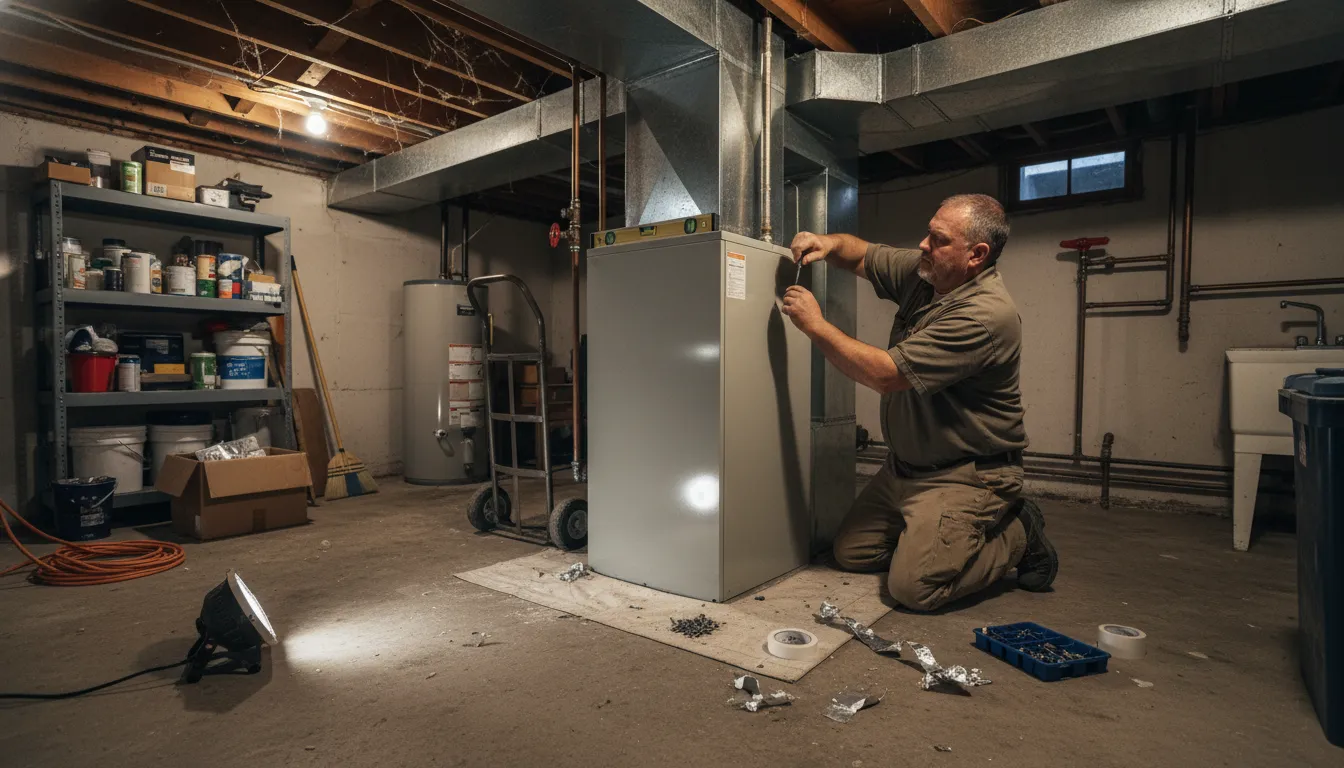
Find the Best Furnace Installation & Replacement Contractors for Your Business
No obligation • Fast responses • Nationwide coverage

Why you can trust HVAC Firms
HVAC Firms is a leading United States resource for evaluating HVAC service providers. Our team researches companies, checks credentials, and reviews customer feedback to present clear, unbiased information. Listings and rankings are based on merit, and companies cannot pay to change our editorial content.
Search providers near you
Best Furnace Installation & Replacement Contractors in Oklahoma Ranked
Replacing your home's furnace is a significant investment that directly impacts your comfort, energy bills, and safety. In Oklahoma, where winters can be surprisingly cold and summers are notoriously hot, choosing the right heating system is crucial for year-round climate control. This guide provides clear, practical information on furnace and heating system replacement to help you understand your options, the installation process, and how to find qualified local professionals for the job.
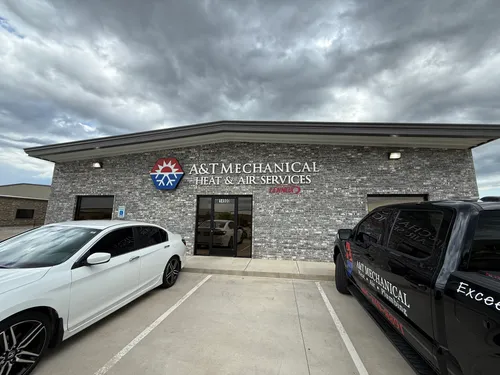
A&T Mechanical Heat&Air Services, Inc.
14900 Santa Fe Crossing Dr, Edmond, OK 73013
A&T Mechanical Heat&Air Services, Inc. is a family-owned HVAC contractor based in Oklahoma City, OK, with over 40 years of experience. They provide a wide range of services including air conditioning repair, furnace and heat pump installation and repair, as well as HVAC tune-ups for residential and commercial clients. Their certified technicians serve the greater Oklahoma City area and surrounding communities, offering comprehensive heating, cooling, electrical, and plumbing solutions. The company is known for managing statewide commercial HVAC systems and emphasizes regular maintenance to ensure system efficiency and code compliance.
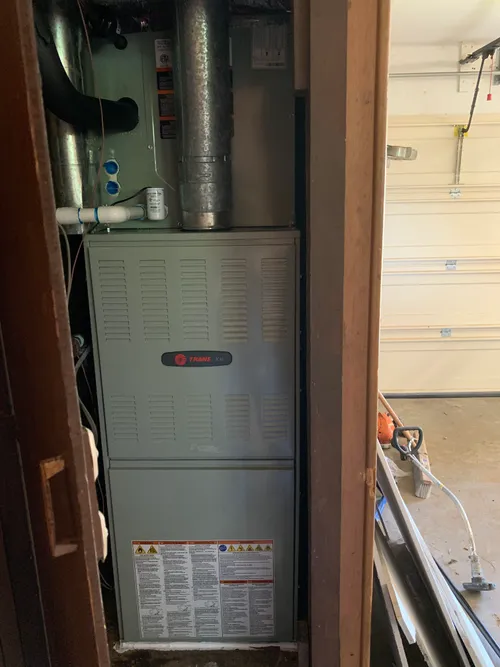
Ac Medic Heating and Air Conditioning
193 W N Centennial Way, Mustang, OK 73064
Ac Medic Heating and Air Conditioning is a family-owned HVAC company based in Mustang, serving Oklahoma City, OK, and nearby communities. They offer a range of services including air conditioner and furnace repair, installation, seasonal maintenance, and duct repair. The team is trained and tested to provide clear options without high-pressure sales tactics, helping customers make informed decisions about their heating and cooling needs.
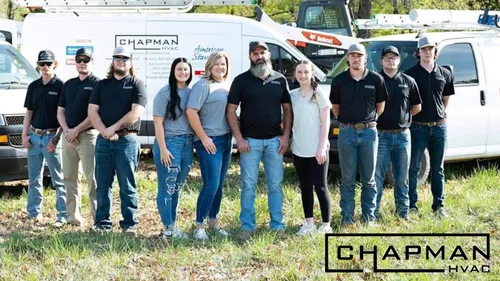
Chapman HVAC
51321 S 36400 Rd, Cleveland, OK 74020
Chapman HVAC is a licensed and insured HVAC company serving Tulsa, OK, and surrounding areas including Cleveland, Mannford, and Sand Springs. They provide a wide range of residential and commercial heating and air conditioning services, including repair, installation, and maintenance of furnaces, heat pumps, mini splits, geothermal systems, and refrigeration equipment. Their team is equipped to handle both heating and cooling needs with expertise in commercial air conditioning and heating solutions. Chapman HVAC offers 24/7 emergency HVAC services to ensure reliable comfort for their customers. With years of experience in the Cleveland area, they focus on delivering dependable HVAC solutions tailored to the specific needs of each client.
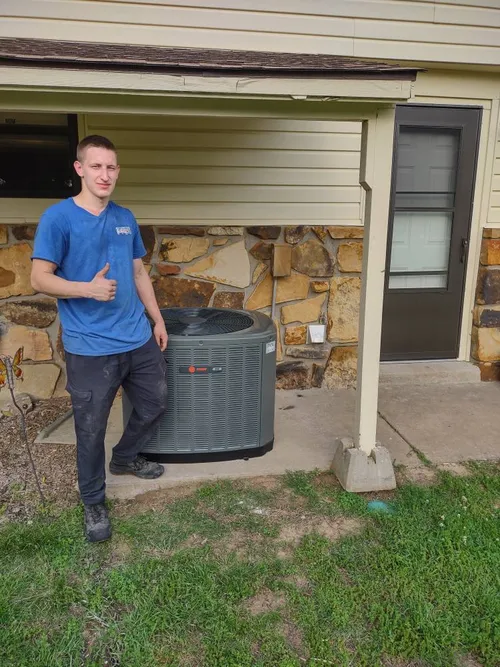
TemperaturePro
10404 E 55th Pl Suite Y, Tulsa, OK 74146
TemperaturePro is a locally owned and family-operated HVAC company serving Tulsa, OK. They provide comprehensive heating and cooling services including installation, repair, and maintenance for systems such as air conditioners, furnaces, heat pumps, boilers, and ductless mini splits. Their technicians also specialize in indoor air quality solutions, including air scrubbers and filtration systems. TemperaturePro offers 24/7 emergency service and supports a wide range of brands including Trane, Goodman, and Daikin. They emphasize transparent pricing and honest service to help customers maintain comfortable and efficient HVAC systems year-round.
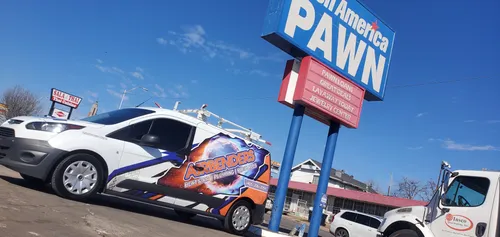
Airbenders Heat and Air, Plumbing, Fireplaces
1818 Industrial Blvd, Norman, OK 73069
Airbenders Heat and Air, Plumbing, Fireplaces is a contractor based in Oklahoma City, OK, offering heating, air conditioning, plumbing, and fireplace services for both residential and commercial clients. They provide installation and repair services for HVAC systems, including furnaces and air conditioners, focusing on dependable solutions. The company emphasizes honest pricing and reliable workmanship in their projects.
Understanding Oklahoma's Heating Needs
Oklahoma's climate presents a unique challenge for homeowners. While the state is known for its hot summers, winter temperatures can drop below freezing, requiring a reliable and efficient heating system. The variable weather, from icy blasts to mild spells, means your furnace must be capable of quick recovery and consistent performance.
A system that is too small will struggle to keep your home warm on the coldest nights, leading to discomfort and excessive cycling that wears out components. Conversely, an oversized furnace will heat your home too quickly in short bursts, failing to properly dehumidify the air and leading to uneven temperatures and higher energy costs. This makes a professional heat load calculation, which considers your home's square footage, insulation, window quality, and local climate, an essential first step in any replacement project.
Types of Heating Systems for Oklahoma Homes
When it's time for a new heating system, you have several effective options. The best choice depends on your home's existing infrastructure, your budget, and your efficiency goals.
Natural Gas Furnaces Natural gas is the most common heating fuel in Oklahoma due to its availability and cost-effectiveness. Modern gas furnaces are highly efficient, with Annual Fuel Utilization Efficiency (AFUE) ratings often exceeding 90%. This means over 90% of the fuel is converted into usable heat for your home. They provide powerful, rapid heating that is well-suited to handle Oklahoma's coldest winter days. 1 2
Electric Furnaces Electric furnaces use heating elements, similar to a large hair dryer, to warm air. They typically have a lower upfront equipment cost and are simpler to install since they don't require a gas line or venting for combustion gases. However, they can be more expensive to operate, especially during prolonged cold snaps when electricity rates are high. They are often a good choice for homes without access to natural gas.
Heat Pump Systems Heat pumps are becoming increasingly popular in Oklahoma. They work by transferring heat from the outside air into your home-even in cold weather. Modern models are efficient at temperatures well below freezing. The major advantage is that they provide both heating and cooling in one unit, making them an excellent year-round solution. For the coldest days, they can be paired with a supplemental gas furnace (creating a "dual-fuel" system) or with electric resistance strips. Their high efficiency often makes them eligible for significant rebates and tax credits. 3
The Installation Process: What to Expect
A professional furnace installation is a detailed process that typically takes one to two days. Understanding the steps can help you prepare and ensure the job is done correctly.
- Initial Assessment and Preparation: A qualified technician will inspect your current system, evaluate your ductwork for leaks or restrictions, and check the condition of gas lines, electrical connections, and venting. They will confirm the new unit's size and discuss the placement.
- Safe Removal of Old Equipment: The old furnace is carefully disconnected from the gas line, electrical supply, ductwork, and exhaust flue. It is then removed from your home. Proper disposal of the old unit is part of a professional service.
- New Unit Installation: The new furnace is positioned, leveled, and secured. This is followed by the critical connections: gas line (if applicable), high-voltage electrical, low-voltage thermostat wires, ductwork, and the new venting system. Proper venting is non-negotiable for safety with combustion furnaces. 4
- System Startup and Testing: Once everything is connected, the technician will start the system, check for gas leaks (if applicable), verify proper airflow, calibrate the burner, and ensure the heat exchanger is operating safely. They will also test the safety controls and cycle the system to ensure it operates smoothly. 5 6
- Homeowner Orientation: Finally, the installer should walk you through the basic operation of your new furnace, explain the thermostat, and review the maintenance schedule and warranty information.
Find the perfect furnace installation & replacement contractors for your needs
Get personalized recommendations and expert advice
Cost Factors for Furnace Replacement in Oklahoma
The total cost of a new heating system in Oklahoma can vary widely, with a typical range of $3,000 to over $10,000 for the unit and professional installation. Several key factors influence the final price:
- System Type and Efficiency: A standard 80% AFUE gas furnace will cost less upfront than a 96% AFUE modulating model. Heat pump systems generally have a higher initial cost than a gas furnace but provide both heating and cooling. 7
- Unit Size and Capacity: Larger capacity units (measured in BTUs) for bigger homes cost more than units for smaller spaces. As emphasized, proper sizing is about matching capacity to need, not simply buying the biggest unit.
- Labor and Complexity: Labor typically accounts for 30% to 50% of the total project cost. Complexities like modifying existing ductwork, installing new gas lines or electrical circuits, or addressing difficult access can significantly increase labor time and cost.
- Additional Components: The project cost may also include a new thermostat, air cleaner, humidifier, or upgraded venting materials.
As a general benchmark, a standard-efficiency gas furnace replacement might fall in the $3,500 to $6,000 range, while a full heat pump system installation might range from $4,500 to $9,500 before any applicable incentives. 8 9 10
Financial Incentives and Rebates
Investing in a high-efficiency system can be more affordable thanks to federal incentives. The Inflation Reduction Act of 2022 provides a tax credit for qualified energy-efficient home improvements. Homeowners may be eligible for a tax credit of up to 30% of the project cost, with a maximum of $2,000, for the installation of a qualifying heat pump. 11 This can substantially reduce the net investment in a new, efficient system. Always consult with your tax advisor and check for any additional local utility rebates that may be available at the time of your purchase.
Choosing the Right Professional
The quality of the installation is as important as the quality of the equipment itself. A poor installation can undermine the efficiency, performance, and lifespan of even the best furnace. Look for a licensed, insured, and experienced contractor with positive local reviews. They should perform a detailed in-home evaluation, provide a written, itemized estimate, and clearly explain their recommendations. A trustworthy professional will focus on solving your home's specific comfort needs, not just selling a unit.
Maintaining Your New System
To protect your investment and ensure your system runs safely and efficiently for its full lifespan, regular maintenance is key. This includes an annual professional tune-up, typically performed in the fall before the heating season begins. The technician will clean components, check for wear, test safety systems, and ensure optimal operation. Homeowners should also remember to change the air filter regularly-typically every 1-3 months-to maintain good airflow and indoor air quality.
Frequently asked questions
Sources
Footnotes
-
Choosing the Right Furnace for Oklahoma Homes - https://interstateheatandair.com/choosing-right-furnace-oklahoma-homes/ ↩
-
How Much Does Gas Furnace Replacement Cost? - https://thelenmechanical.com/blog/gas-furnace-replacement-cost/ ↩
-
When Should You Begin to Think About Purchasing a New Furnace? - https://www.acdirect.com/blog/when-should-you-begin-to-think-about-purchasing-a-new-furnace/ ↩
-
Furnace Installation in Oklahoma City, OK - Airco Service - https://www.aircoservice.com/oklahoma-city/hvac/heating/furnace-replacement-and-installation/ ↩
-
Furnace Installation Guide | LCS Heating & Cooling (2025) - https://lcsheatingandcooling.com/blog/furnace-installation-cheat-sheet ↩
-
Furnace Installation: What to Expect During the Process - https://www.carlscoolingllc.com/blog/furnace-installation-what-to-expect ↩
-
Furnace Replacement Cost vs Furnace Repair Cost - Carrier - https://www.carrier.com/residential/en/us/products/furnaces/furnace-replacement-cost-vs-furnace-repair-cost/ ↩
-
New Furnace Cost in Tulsa (2025 Guide) | TemperaturePro - https://temperaturepro.com/tulsa-ok/blog/how-much-new-furnace-cost/ ↩
-
Heating System Replacement Costs in Oklahoma City - https://calltripleplay.com/cost-to-replace-heating-system/ ↩
-
Furnace Installation Cost: What Homeowners Need to Know - https://callwhitney.com/furnace-installation-cost-homeowners-should-know/ ↩
-
Furnace vs. Heat Pump: Which Is Best for Oklahoma Winters? - https://www.jmsokc.com/blog/furnace-vs-heat-pump-which-is-best-for-oklahoma-winters/ ↩