Find the Best Furnace Installation & Replacement Contractors for Your Business
No obligation • Fast responses • Nationwide coverage

Why you can trust HVAC Firms
HVAC Firms is a leading United States resource for evaluating HVAC service providers. Our team researches companies, checks credentials, and reviews customer feedback to present clear, unbiased information. Listings and rankings are based on merit, and companies cannot pay to change our editorial content.
Search providers near you
Best Furnace Installation & Replacement Contractors in Ohio Ranked
Upgrading your home's heating system is a significant decision, especially in a state like Ohio with its distinct seasons and cold winters. A new furnace installation or replacement is not just about staying warm; it's about ensuring energy efficiency, indoor air quality, and long-term reliability for your home. This guide provides clear, practical information to help you understand your options, from fuel types and efficiency ratings to the installation process and costs, so you can make an informed choice and connect with qualified local professionals.
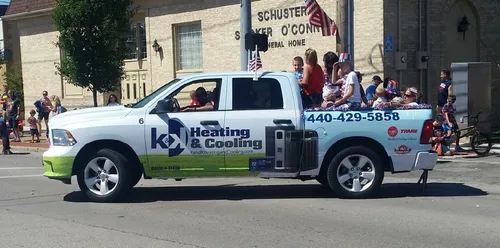
K and K Heating and Cooling
4107 Brookpark Rd, Parma, OH 44134
K and K Heating and Cooling is a residential and commercial HVAC company serving Cleveland, OH, and the broader Northeast Ohio region. They provide a full range of heating and cooling services, including installation, repair, and maintenance of air conditioning and furnace systems. The company is known for servicing all major HVAC brands and offers a comprehensive system diagnosis. Their technicians are NATE-certified and committed to ongoing education to ensure skilled service. K and K Heating and Cooling also offers a 100% satisfaction guarantee on installations and strives for same-day repairs when parts are available.
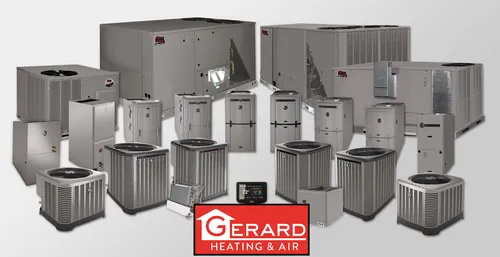
Gerard Heating and Air
404 Three Rivers Pkwy, North Bend, OH 45052
Gerard Heating and Air is a heating and air company serving Cincinnati, OH. They offer HVAC installation, furnace repair, and duct cleaning services. Their team uses quality equipment to clean air ducts, coils, and registers, ensuring thorough maintenance. Gerard Heating and Air also provides HVAC tune-ups that include inspection and performance checks. They focus on safe and correct furnace installation and repair to prepare homes for Midwest winters.
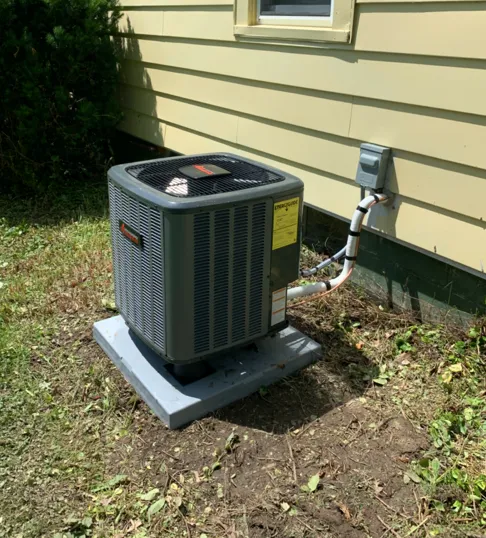
Lanigan Heating & Air Conditioning
1869 E 337th St, Eastlake, OH 44095
Lanigan Heating & Air Conditioning is a locally owned HVAC company serving Cleveland, OH. They provide a range of services including air conditioning and furnace installation, repair, and maintenance for both residential and commercial properties. Their capabilities include air duct inspection and cleaning to improve indoor air quality and reduce allergens. Lanigan Heating & Air Conditioning offers guarantees on parts, labor, and equipment to ensure customer satisfaction.
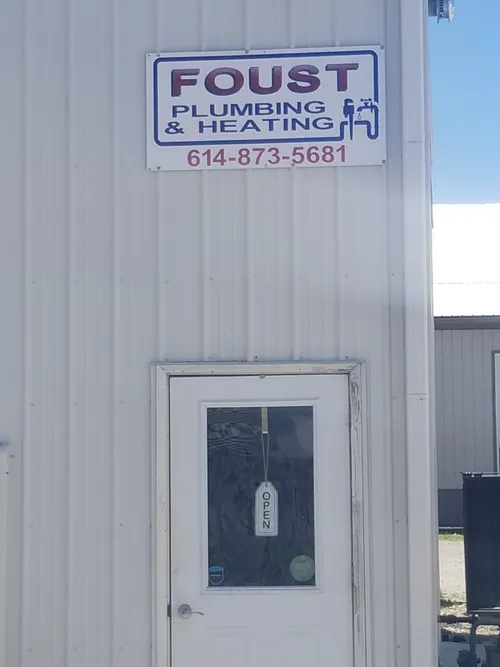
Foust Plumbing & Heating
321 W Bigelow Ave Suite 200, Plain City, OH 43064
Foust Plumbing & Heating is a family-owned HVAC and plumbing contractor serving Columbus, OH, and surrounding areas. They offer installation, repair, and maintenance services for air conditioning, furnaces, heat pumps, boilers, and geothermal heat pumps. With over 40 years of experience, they work with all major brands and provide emergency service availability. Their team is licensed, insured, and certified, focusing on transparent pricing and skilled workmanship.
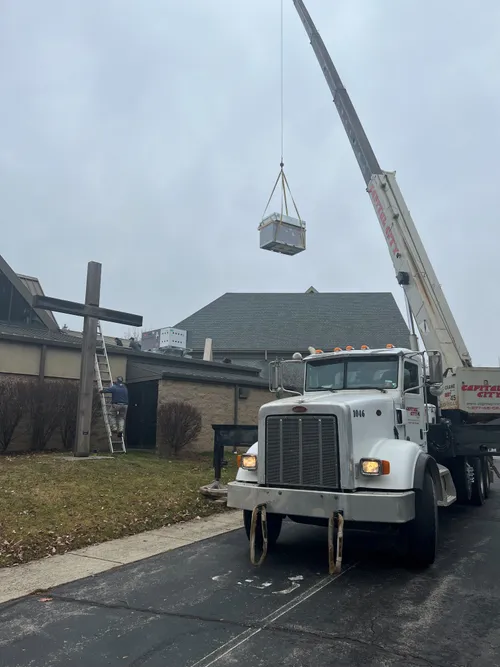
Right Way Heating and Cooling
2933 Donnylane Blvd, Columbus, OH 43235
Right Way Heating and Cooling is a family-owned HVAC company serving Columbus, OH, and surrounding areas including Franklin, Licking, and Ross counties. Founded in 2009, they offer a full range of heating and cooling services such as air conditioner, furnace, and heat pump installation and repair, as well as indoor air quality solutions like whole home air filtration and humidifiers. The company provides 24-hour emergency service to address urgent HVAC needs promptly and is staffed by NATE certified technicians.
Understanding Furnace Efficiency and Types
When selecting a new furnace, efficiency is the most critical factor for both comfort and cost. Efficiency is measured by the Annual Fuel Utilization Efficiency (AFUE) percentage, which indicates how much of the fuel is converted into usable heat for your home.
- Standard Efficiency (80% AFUE): These are basic, single-stage models that meet the current minimum federal standard. They convert 80% of fuel to heat, losing 20% through the flue. They are a common choice for budget-conscious replacements but are being phased out by new regulations 1.
- High-Efficiency (90%+ AFUE): This category includes condensing furnaces that use a secondary heat exchanger to capture more heat from combustion gases, achieving efficiency ratings of 90% to over 98%. They significantly reduce monthly heating bills and are a smarter long-term investment for Ohio's climate.
Important Regulatory Update: The U.S. Department of Energy has finalized new standards requiring residential furnaces to achieve a minimum of 95% AFUE by 2028. Investing in a 95% AFUE model now future-proofs your home against this change and starts delivering higher savings immediately 2 3.
Choosing the Right Fuel Source
The fuel your furnace uses impacts installation requirements, operational costs, and availability.
- Natural Gas: The most common and generally most cost-effective fuel for Ohio homes with existing gas lines. Modern high-efficiency gas furnaces are the standard recommendation for whole-home heating 4.
- Electric: These furnaces use electric heating elements and have a near 100% AFUE rating because no heat is lost through a flue. However, electricity is often more expensive than natural gas per unit of heat, leading to higher operational costs in Ohio 5.
- Oil: A durable and powerful option, especially in rural areas without natural gas service. They require an on-site storage tank and regular fuel deliveries. While the equipment can be long-lasting, fuel prices can be volatile.
Matching Furnace Controls to Ohio's Climate
Beyond fuel and efficiency, the type of heating control is crucial for consistent comfort during Ohio's variable winters.
- Single-Stage: The most basic control. The furnace operates at 100% capacity whenever it's on, leading to noticeable temperature swings and less efficient cycling.
- Two-Stage: This furnace operates mostly on a low, energy-saving stage (around 65% capacity) to maintain steady temperatures. It only kicks into high stage on the coldest days. This provides more even heat, reduces noise, and improves efficiency and comfort-a highly recommended feature for Ohio homes 6.
- Modulating/Variable-Capacity: The pinnacle of comfort and efficiency. These furnaces adjust their output in small increments (from 40% to 100%) to match the home's exact heating need. This eliminates temperature swings, maximizes efficiency, and provides superior air circulation. They are a premium investment for ultimate comfort7 8 9.
Find the perfect furnace installation & replacement contractors for your needs
Get personalized recommendations and expert advice
The Professional Installation Process: A Step-by-Step Guide
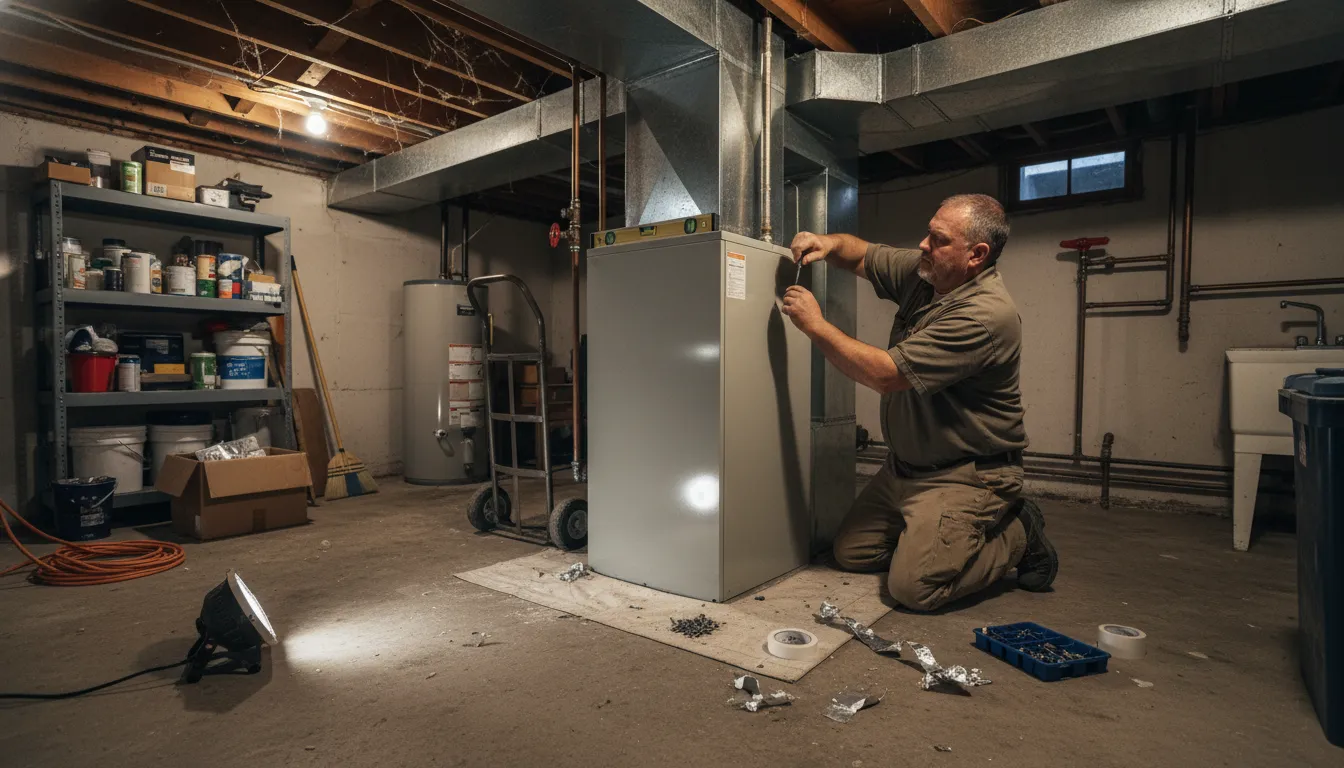
A proper installation is as important as the furnace you choose. It ensures safety, efficiency, performance, and warranty validity. Here's what a professional installation entails:
-
Initial Consultation and Load Calculation: A technician will assess your home's size, insulation, window quality, and existing ductwork. They perform a Manual J load calculation to determine the exact heating capacity (in BTUs) your home needs-not simply replacing the old unit's size. An oversized or undersized furnace leads to inefficiency, discomfort, and premature wear.
-
System Selection and Proposal: Based on the assessment, the professional will recommend specific models that fit your home's requirements, comfort goals, and budget. They should explain the differences in efficiency, features (like variable-speed blowers), and warranty terms.
-
Preparation and Removal: The crew will prepare the work area, disconnect utilities (gas, electricity), and safely remove the old furnace and any associated components.
-
New Unit Installation: This critical phase includes:
- Setting and leveling the new furnace.
- Connecting new flue piping for venting (especially important for high-efficiency models, which use PVC pipe).
- Integrating with existing or new ductwork, ensuring proper sealing.
- Making new gas line and electrical connections.
- Installing a new thermostat compatible with the furnace's capabilities (e.g., a smart thermostat for a modulating furnace).
-
Testing, Startup, and Permits: The system is powered up and put through a series of tests to check for gas leaks, proper airflow, electrical safety, and combustion efficiency. A professional will also typically secure any required local building permits and schedule a municipal inspection to ensure the work meets all safety codes.
Cost Considerations for Ohio Homeowners
Furnace replacement costs in Ohio vary widely based on the unit's efficiency, features, and the complexity of the installation. Here is a general cost framework 10 11:
- Budget / Basic Replacement: $2,500 - $4,000+. This typically covers a standard 80% AFUE, single-stage gas furnace with a straightforward swap-out, assuming no major ductwork modifications are needed.
- Mid-Range / Recommended Upgrade: $4,000 - $7,000+. This range includes high-efficiency gas furnaces (90-96% AFUE) with two-stage heating and variable-speed blowers. It may also account for moderate ductwork adjustments or the installation of a new high-efficiency vent system.
- High-End / Premium System: $7,000 and above. For top-tier modulating gas furnaces with 98%+ AFUE ratings, communicating controls, and whole-home air quality integrations. Costs also increase significantly if the job requires extensive new ductwork, moving the furnace location, or complex electrical upgrades.
Key factors influencing final cost: The brand and model of the furnace, the size (BTU output), local labor rates, the condition of existing ductwork, and permit fees in your specific Ohio municipality.
Why Professional Expertise is Non-Negotiable
Attempting a DIY furnace installation or hiring an unqualified handyman is risky and often violates codes and warranty requirements. A licensed, insured HVAC professional brings essential expertise:
- Safety: Proper handling of natural gas lines, electrical connections, and combustion venting is critical to prevent fire, explosion, or carbon monoxide hazards.
- Efficiency & Performance: Correct sizing and installation ensure the furnace delivers its rated efficiency and heats your home evenly.
- Warranty Protection: Most manufacturers require professional installation by a certified technician for the warranty to be valid.
- Code Compliance: Professionals ensure the installation meets all Ohio and local building codes, which is verified through the permitting process.
Frequently asked questions
Sources
Footnotes
-
Furnace Installation Costs Explained - Obie Comfort Solutions - https://www.obiecomfortsolutions.com/blog/heating-service/how-much-should-you-budget-for-furnace-installation-tips-and-insights/ ↩
-
Complete Furnace Replacement Guide for 2026 - https://www.budgetheating.com/blog/complete-furnace-replacement-guide/ ↩
-
Affordable furnace installation in dublin, oh: Save 2025 - https://www.careheatingcooling.com/affordable-furnace-installation-in-dublin-oh/ ↩
-
The Cost of HVAC: Replacement, Installation and Service | Fire & Ice - https://indoortemp.com/resources/cost-of-hvac ↩
-
DOE Finalizes Energy Efficiency Standards for Residential Furnaces ... - https://www.energy.gov/articles/doe-finalizes-energy-efficiency-standards-residential-furnaces-save-americans-15-billion ↩
-
Furnace Install | Westerville, Ohio | Residential & Small Business - https://heatingandacsystems.com/furnace-heating/ ↩
-
Furnace Installation Columbus OH: Expert Warmth 2025 - https://www.careheatingcooling.com/furnace-installation-columbus-oh-guide/ ↩
-
Furnace Installation Dublin OH: Ultimate 4-Step Comfort - https://www.careheatingcooling.com/furnace-installation-dublin-oh-guide/ ↩
-
New Furnace Installation and Replacement in Dublin, OH | Fire & Ice - https://indoortemp.com/resources/furnace-installation-replacement-dublin-ohio ↩
-
New Furnace Installation Guide: Paragon Service Pros in 2025 - https://www.paragonservicepros.com/install-new-furnace/ ↩
-
Furnace Installation Professionals | Columbus, OH | Fire & Ice - https://indoortemp.com/services/furnace-installation ↩