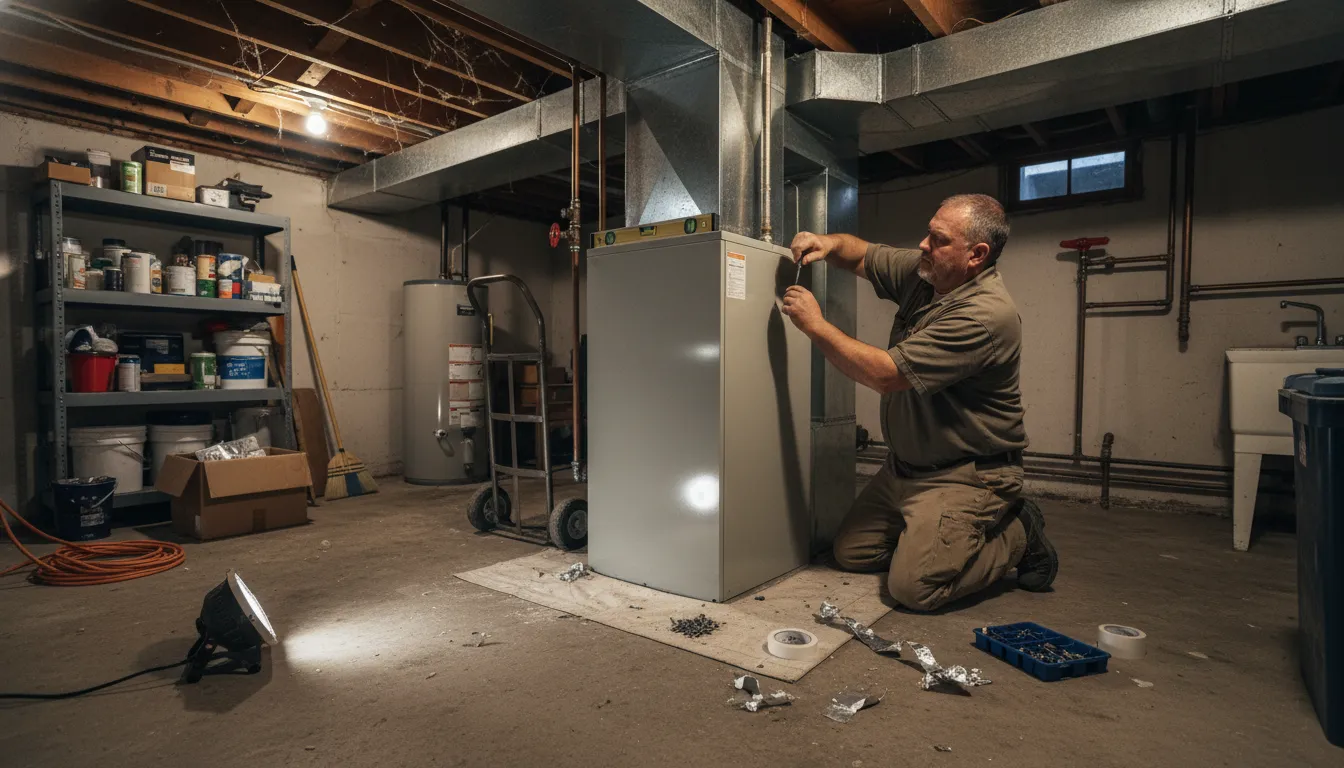
Find the Best Furnace Installation & Replacement Contractors for Your Business
No obligation • Fast responses • Nationwide coverage

Why you can trust HVAC Firms
HVAC Firms is a leading United States resource for evaluating HVAC service providers. Our team researches companies, checks credentials, and reviews customer feedback to present clear, unbiased information. Listings and rankings are based on merit, and companies cannot pay to change our editorial content.
Search providers near you
Best Furnace Installation & Replacement Contractors in Nevada Ranked
Replacing an old or failing furnace is a significant home improvement decision, especially in Nevada's demanding climate. A properly sized and installed heating system is crucial for comfort, energy efficiency, and safety during the cooler months. This guide provides essential information on selecting a new furnace, understanding the installation process, and finding qualified professionals in Nevada to ensure your project is completed correctly and efficiently.
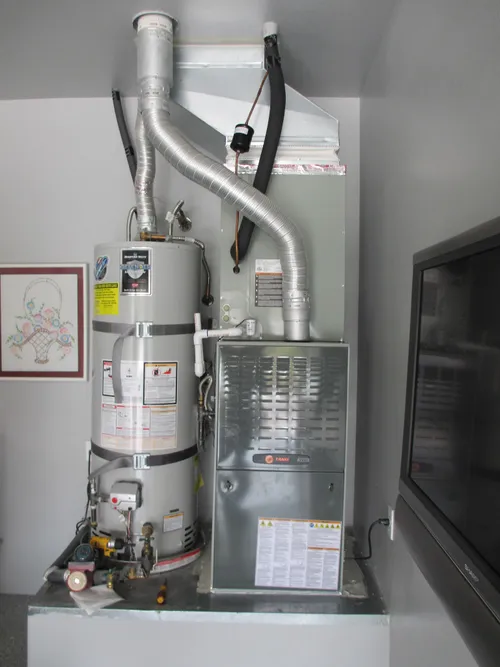
Sun Country Heating & Cooling
6394 Montessouri St. suite a, Las Vegas, NV 89113
Sun Country Heating & Cooling is an HVAC company based in Las Vegas, NV, offering a full range of heating and cooling services. Their expertise includes air conditioning repair, furnace installation and repair, mini-split installation, and HVAC tune-ups. As a Trane Comfort Specialist, they install and maintain systems from a leading manufacturer, ensuring efficient and reliable home comfort. The company provides 24/7 emergency repair services to address urgent HVAC issues promptly.
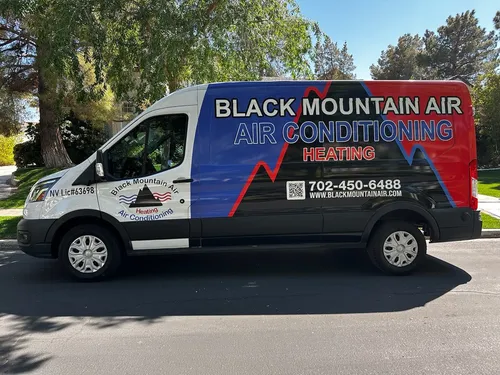
Black Mountain Air
660 Middlegate Rd, Henderson, NV 89011
Black Mountain Air is a family-owned HVAC company serving residential and commercial clients in Las Vegas, NV. They offer a wide range of heating and cooling services including air conditioner and furnace repair, installation, maintenance, and ductless mini-split system installation. Their technicians are licensed, insured, and trained to handle various HVAC brands and models. With over 10 years of experience, Black Mountain Air provides service throughout the Las Vegas Valley and surrounding areas, focusing on transparent pricing and customer education.
Mountain West Heating and Air Conditioning LLC
3265 Eastlake Blvd, New Washoe City, NV 89704
Mountain West Heating and Air Conditioning LLC provides heating, air conditioning, and HVAC services in Reno, NV. They offer installation, repair, and maintenance for furnaces, heat pumps, and air conditioning systems, along with backup generator installations and various electrical services. Their certified technicians handle energy-efficient upgrades, emergency repairs, and preventative maintenance to ensure reliable home comfort. The company also installs and maintains backup generators powered by oil, propane, or natural gas, supporting power reliability during outages.
Red Bear Mechanical
4010 Technology Way Unit F, Carson City, NV 89706
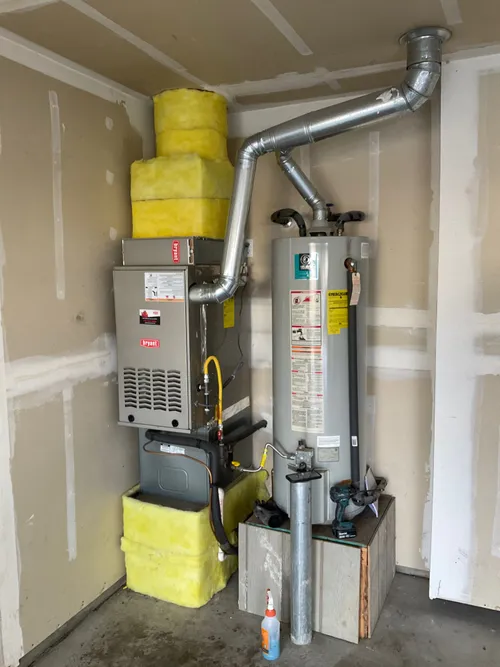
Red Bear Mechanical is a certified HVAC and plumbing service provider based in Reno, NV. They offer a range of services including air conditioning and furnace repair, installation, and maintenance. Their team includes NATE-certified technicians and licensed plumbers who handle everything from emergency repairs to full system installations. Red Bear Mechanical is a Bryant Factory Authorized Dealer, ensuring professional HVAC installation and tune-up services that follow manufacturer best practices. They provide after-hours service to address urgent heating and cooling issues promptly.
We Care Air
10317 Horseback Ridge Ave, Las Vegas, NV 89144
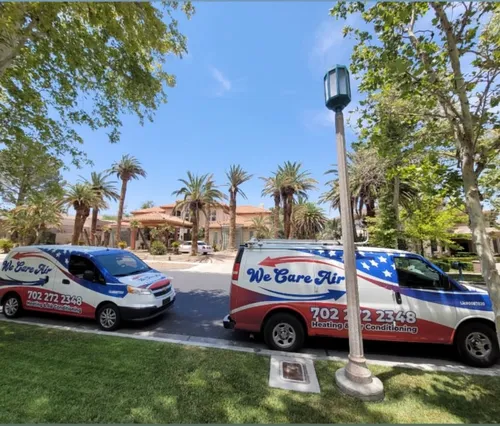
We Care Air is a family-owned HVAC company serving North Las Vegas, NV, with over 13 years of experience. They provide a wide range of heating and cooling services including AC and furnace repair, installation, and maintenance for both residential and commercial clients. Their capabilities include installing and servicing Aquatherm hydronic heating systems, offering energy-efficient heating solutions. The company operates 24/7 to handle HVAC emergencies and ensure year-round comfort.
Understanding Nevada's Unique Heating Needs
Nevada's arid, desert climate presents specific challenges for home heating systems. The dry air and significant temperature swings between day and night mean your furnace must be robust and correctly sized. An undersized unit will struggle to heat your home, while an oversized one will short-cycle-turning on and off frequently-leading to uneven temperatures, higher energy bills, and premature wear.
Furthermore, the dry air can exacerbate issues with existing ductwork. Leaky or poorly insulated ducts can lead to substantial energy loss, forcing your new furnace to work harder. Therefore, a comprehensive assessment of your home's duct system should be part of any furnace replacement project to maximize efficiency and comfort.
Types of Furnaces for Nevada Homes
Choosing the right fuel source is your first major decision. The availability of natural gas lines, your home's existing infrastructure, and long-term operating costs all play a role.
- Gas Furnaces: The most common choice in areas with natural gas service. Modern gas furnaces are highly efficient and typically offer lower operating costs compared to electric models, making them a cost-effective solution for Nevada winters.
- Electric Furnaces: These units have a lower upfront cost and require no venting or gas line, simplifying installation. However, they generally have higher operating costs in Nevada, where electricity rates can make them more expensive to run over the life of the unit.
- Propane Furnaces: An excellent option for homes without access to natural gas lines. Propane furnaces are clean-burning and efficient, though homeowners must budget for the cost of propane fuel, which can fluctuate in price.
The Critical Importance of AFUE Ratings
AFUE, or Annual Fuel Utilization Efficiency, is the standard measure of a furnace's efficiency. It represents the percentage of fuel converted directly into heat for your home. In Nevada's climate, investing in a higher-efficiency unit can lead to significant long-term savings on utility bills.
- Standard Efficiency (80% - 89% AFUE): These are typically older models or budget-friendly new options. They are less common in new installations due to stricter efficiency standards.
- Mid-Range/High Efficiency (90% - 96% AFUE): This is the current sweet spot for most Nevada homeowners. Units in this range offer an excellent balance of upfront cost and operational savings. A condensing furnace in this category captures extra heat from exhaust gases, making it highly efficient.
- Premium/Ultra-High Efficiency (97% - 98.5%+ AFUE): These top-tier models offer the greatest fuel savings. While the initial investment is higher, they are ideal for homeowners planning to stay in their homes long-term or those prioritizing maximum energy conservation 1.
The Professional Installation Process
A quality furnace installation is a multi-step process that should only be performed by a licensed professional. Proper installation is as important as the unit you select, impacting safety, efficiency, and lifespan.
- Initial Assessment & Load Calculation: A reputable contractor will perform a Manual J load calculation. This is not a guess based on square footage; it's a detailed analysis of your home's insulation, windows, layout, and local climate to determine the exact heating capacity (in BTUs) your home requires 2.
- System and Ductwork Evaluation: The technician will inspect your existing ductwork, vents, and flue system. They will identify any leaks, blockages, or sizing issues that need to be addressed to ensure your new furnace performs optimally 3 4.
- Equipment Removal: The old furnace is safely disconnected from fuel lines, electrical wiring, and ductwork, then removed from your home.
- New Installation: The new furnace is positioned, leveled, and secured. All connections to ductwork, gas lines or electrical systems, exhaust venting, and the thermostat are made meticulously according to manufacturer specifications and local codes.
- Testing & Calibration: Once installed, the system is started and thoroughly tested. This includes checking for gas leaks (if applicable), verifying safe ignition sequences, measuring airflow at all registers, and calibrating the thermostat for accurate operation 5.
- Permits & Final Inspection: Your contractor will typically pull any required local building permits. A final inspection by the city or county may be required to ensure the installation meets all safety codes.
Find the perfect furnace installation & replacement contractors for your needs
Get personalized recommendations and expert advice
Understanding Furnace Replacement Costs in Nevada
The total cost of a furnace replacement in Nevada varies widely based on the unit's efficiency, size, brand, and the complexity of the installation. On average, homeowners can expect a full replacement to range from $2,800 to $8,500 or more6 7 8.
- Budget-Friendly Replacement (Standard Efficiency): Installing a basic, standard-efficiency furnace typically falls in the range of $3,000 - $4,500.
- Mid-Range Replacement (High Efficiency): For a high-efficiency condensing furnace with an AFUE of 90-96%, costs generally range from $4,500 - $6,000.
- Premium Replacement (Ultra-High Efficiency): Top-of-the-line models with AFUE ratings of 97% and above usually cost between $6,000 - $8,500+.
These estimates typically include the unit, standard installation labor, and basic materials. Be sure to budget for potential additional costs, which can add thousands to the project:
- Ductwork Modifications: Repairing, sealing, or replacing sections of ductwork.
- New Thermostat: Installing a modern programmable or smart thermostat.
- Permit Fees: Local jurisdiction fees, which can range from $50 to $2509 10.
- Complex Installations: Situations requiring extended gas lines, new electrical circuits, or custom fabrication.
Why Licensing and Certification Matter in Nevada
Hiring a properly licensed contractor is non-negotiable for a furnace installation. In Nevada, contractors performing HVAC work must hold a C-21 license from the Nevada State Contractors Board. This license ensures the contractor has passed exams, carries the required insurance, and possesses the knowledge to comply with state and local building codes.
A licensed professional will ensure your installation is safe, upholds manufacturer warranties, and meets efficiency expectations. Always verify a contractor's license number with the Nevada State Contractors Board before signing any agreement.
Preparing for Your Furnace Replacement Project
To ensure a smooth process, take these steps before your installation day:
- Get Multiple Estimates: Obtain detailed written estimates from at least three licensed, insured HVAC contractors. Compare not just the bottom line, but the proposed equipment, warranty details, and scope of work.
- Ask the Right Questions: Inquire about the contractor's experience, request references, and confirm who will perform the work (employees vs. subcontractors). Ask about their process for the Manual J calculation and duct inspection.
- Clear the Work Area: Ensure the installer has clear, safe access to your furnace location (often a garage, basement, or closet) and the path to it. Move any stored items or furniture.
- Plan for Disruption: While a standard replacement often takes 1-2 days, be prepared for noise and workers in your home. Discuss the project timeline with your contractor in advance.
Frequently asked questions
Sources
Footnotes
-
New Furnace Installation Guide: Paragon Service Pros in 2025 - https://www.paragonservicepros.com/install-new-furnace/ ↩
-
Furnace Replacement in Las Vegas, NV, & SLC, UT | YES! - https://www.theyesmancan.com/heating/replacement/ ↩
-
Furnace Replacement Reno - https://www.coolbreezenv.com/residential-hvac/furnace-replacement/ ↩
-
Furnace Installation in Las Vegas - https://www.halmechanical.com/heating/furnace-installation/ ↩
-
Complete Guide to Residential Furnace Replacement - https://www.reliefhc.com/blog/2024/december/complete-guide-to-residential-furnace-replacemen/ ↩
-
Upgrade to a High-Efficiency Furnace in Las Vegas - https://nrs.vegas/blog/heating/upgrade-to-a-high-efficiency-furnace ↩
-
2026 Furnace Replacement Cost Guide - Modernize - https://modernize.com/hvac/heating-repair-installation/furnace-cost ↩
-
Furnace Installation Costs Explained - Obie Comfort Solutions - https://www.obiecomfortsolutions.com/blog/heating-service/how-much-should-you-budget-for-furnace-installation-tips-and-insights/ ↩
-
Las Vegas HVAC Installation Requirements for Residential Properties - https://nrs.vegas/blog/air-conditioners/hvac-installation-requirements-for-residential-properties ↩
-
Furnace Installation Costs Breakdown - Affordable Heating & AC - https://www.affordablehvac.com/blog/air-conditioning-service/2024-furnace-installation-costs-a-complete-guide/ ↩