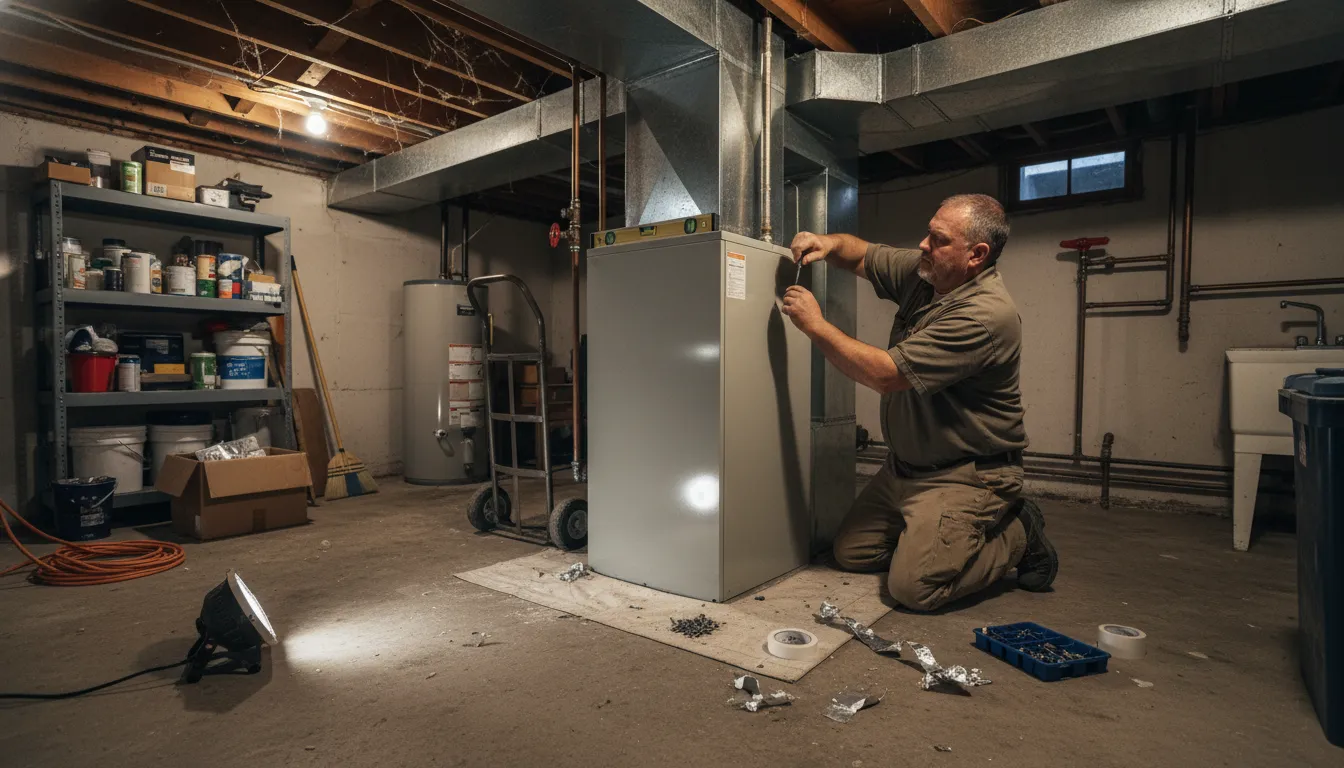
Find the Best Furnace Installation & Replacement Contractors for Your Business
No obligation • Fast responses • Nationwide coverage

Why you can trust HVAC Firms
HVAC Firms is a leading United States resource for evaluating HVAC service providers. Our team researches companies, checks credentials, and reviews customer feedback to present clear, unbiased information. Listings and rankings are based on merit, and companies cannot pay to change our editorial content.
Search providers near you
Best Furnace Installation & Replacement Contractors in New Mexico Ranked
Replacing an old or failing furnace is a significant home improvement decision that directly impacts your comfort, energy bills, and safety. In New Mexico's diverse climate-from chilly high-desert nights to cold mountain winters-a properly sized and efficiently installed heating system is essential. This guide provides the practical information you need to understand the process, from choosing the right furnace type for your home and altitude to navigating local permits and finding qualified local professionals for a code-compliant installation.
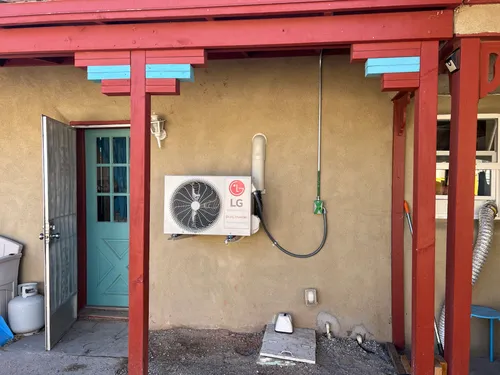
Hi-Tech Heating and Cooling
2601 Wyoming Blvd NE #115D, Albuquerque, NM 87112
Hi-Tech Heating and Cooling provides residential and commercial HVAC services in Albuquerque, NM. With 20 years of experience, they specialize in the installation, repair, and maintenance of air conditioning, heating systems, heat pumps, furnaces, boilers, and ductless mini-splits. Their services include indoor air quality solutions, thermostat installation, and duct cleaning, all tailored to meet the unique climate needs of the Albuquerque area. The company offers comprehensive diagnostics, preventive maintenance, and emergency 24/7 repair services to ensure reliable system performance and comfort year-round. As authorized Lennox and LG dealers, they emphasize precise system sizing and energy-efficient installations backed by a satisfaction guarantee.
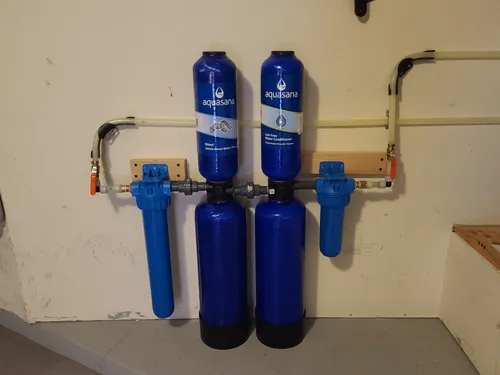
Castle Peak Plumbing, Heating, and Cooling LLC
Albuquerque, NM
Castle Peak Plumbing, Heating, and Cooling LLC provides plumbing and HVAC services in Albuquerque, NM. They offer service, repair, and replacement for water heaters, furnaces, boilers, water softeners, and air conditioning systems. Their residential services include drain cleaning, sewer camera inspections, remodels, water leak prevention, re-insulating A/C lines, and duct cleaning. The company covers a broad range of heating and cooling needs with capabilities such as sewer camera inspections and duct cleaning.
Kidzz Mechanical
11920 Menaul Blvd NE, Albuquerque, NM 87112
Kidzz Mechanical is a licensed contractor based in Albuquerque, NM, offering heating, cooling, plumbing, and electrical services. They provide HVAC repair and installation, including ductless mini split systems, as well as plumbing repairs and electrical upgrades. The company serves a broad area from Santa Fe to Las Cruces and extends into parts of Arizona such as Tucson and Phoenix. Kidzz Mechanical emphasizes precise and professional work supported by a dedicated customer service team. They also offer financing options and assist with tax credits and incentives for qualifying equipment.
MGP Mechanical
6133 Edith Blvd NE, Albuquerque, NM 87107
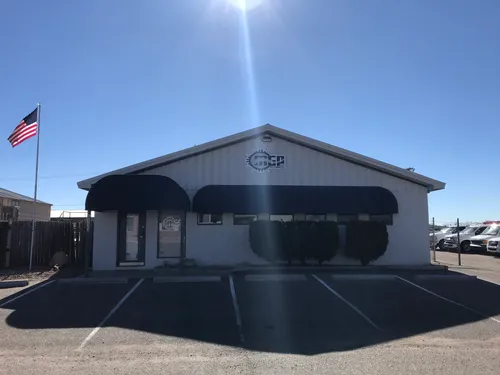
MGP Mechanical is a family-owned HVAC and plumbing company serving Albuquerque, NM, and nearby communities since 2013. They provide heating, cooling, and plumbing services including installation, repair, and maintenance of furnaces, heat pumps, boilers, air conditioners, duct systems, and smart thermostats. The company specializes in energy-efficient solutions and offers 24/7 emergency repairs to ensure year-round home comfort. Their capabilities include full HVAC system upgrades and preventive maintenance plans to enhance system performance and reliability.
Thompson Heating & Air Conditioning
3418 Girard Blvd NE, Albuquerque, NM 87107
Thompson Heating & Air Conditioning has been serving Albuquerque, NM, and surrounding areas since 1963. They provide a range of HVAC services including air conditioning, furnace, and boiler repair and installation, as well as HVAC tune-ups. The company also offers custom sheet metal fabrication and seamless gutter installation. Their team includes NATE-certified technicians experienced in both residential and commercial HVAC systems. One notable capability is their expertise in radiant heating systems, including in-floor and baseboard heaters. Thompson Heating & Air Conditioning supports energy-saving initiatives and participates in local green building programs.
Understanding Furnace Types and Efficiency
Selecting a new furnace begins with understanding efficiency ratings and fuel types. The Annual Fuel Utilization Efficiency (AFUE) percentage measures how efficiently a furnace converts fuel into heat. Higher AFUE means more heat from every dollar spent on fuel.
- Standard Efficiency (80% AFUE): These are basic, single-stage furnaces. They are often the least expensive upfront option but have lower efficiency, meaning more fuel is wasted as exhaust. They use a traditional metal flue for venting.
- Mid-Efficiency (90-95% AFUE): This is a popular choice for balancing cost and performance. These furnaces capture more heat from combustion gases, leading to better energy savings. They typically require different venting materials than standard units.
- High-Efficiency / Condensing (96%+ AFUE): The most efficient option available. These furnaces use a secondary heat exchanger to extract heat from water vapor in the exhaust, which creates condensate. This process requires a condensate drain line and uses PVC pipe for venting, as the exhaust is much cooler. While the initial investment is higher, they offer the greatest long-term savings on utility bills 1 2 3.
Fuel sources in New Mexico primarily include natural gas, which is common in many municipalities. Propane, heating oil, and electric furnaces are also options, especially in rural areas. Each fuel type has different equipment costs, installation requirements, and ongoing operational expenses 4.
Key Considerations for New Mexico Homes
Several unique factors specific to New Mexico must be addressed during a furnace replacement to ensure optimal performance and safety.
- High Altitude: Much of New Mexico is at a significant elevation. Furnaces installed above 2,000 feet require specific adjustments for proper combustion and efficiency. The air is thinner, which can affect the fuel-to-air ratio. A qualified installer will ensure the furnace is properly derated or equipped for high-altitude operation.
- Climate Zones: The state features multiple climate zones, from arid southern regions to colder northern mountainous areas. This variation impacts the necessary heating capacity, measured in British Thermal Units (BTUs). An oversized furnace will short-cycle, reducing efficiency and comfort, while an undersized one will struggle to heat your home 5.
- Ductwork Assessment: Older homes often have ductwork that is poorly sealed, incorrectly sized, or in disrepair. A high-efficiency furnace cannot perform as advertised if the duct system is leaking or restrictive. Your installer should evaluate your ducts and may recommend sealing, resizing, or repairs as part of the replacement project 6.
- Local Regulations and Permits: A permit is almost always required for a furnace installation or replacement in New Mexico. A licensed HVAC contractor will typically pull this permit on your behalf. After installation, a city or county inspector will check the work for safety and compliance with mechanical, fuel gas, and electrical codes. This step is crucial for your safety and is often required to maintain your home insurance and warranty coverage.
The Furnace Replacement Process: Step-by-Step
Knowing what to expect can make the replacement process smoother. A professional installation typically follows these stages:
- Initial Assessment and Load Calculation: A reputable professional will conduct a thorough evaluation of your home. This goes beyond just the old furnace's size; it includes a Manual J load calculation that factors in your home's square footage, insulation, windows, and local climate to determine the precise BTU requirement.
- System Selection and Proposal: Based on the assessment, your budget, and efficiency goals, the contractor will recommend specific furnace models and present a detailed written proposal outlining the scope of work, equipment specifications, and total cost 7.
- Permitting: Once you approve the proposal, the licensed contractor obtains the necessary installation permit from your local building department.
- Preparation and Removal: The installation team will prepare the work area, disconnect utilities, and safely remove the old furnace and any obsolete components.
- Installation: The new furnace is positioned, leveled, and secured. This phase includes connecting new venting (such as PVC for high-efficiency models), gas lines or electrical connections, the condensate drain system, and the thermostat wiring. All connections are tested for leaks and integrity.
- System Start-up and Commissioning: This is a critical step. The technician will start the furnace, check gas pressure (if applicable), measure temperature rise across the heat exchanger, verify proper airflow, and calibrate the thermostat. They will ensure the system is operating safely and at its advertised efficiency 8.
- Final Inspection: The contractor will arrange for the local building inspector to visit and approve the installation. Once it passes, you'll receive documentation for your records 9 10.
Find the perfect furnace installation & replacement contractors for your needs
Get personalized recommendations and expert advice
Understanding Furnace Replacement Costs in New Mexico
Furnace replacement costs vary widely based on the unit's efficiency, complexity of the installation, and any ancillary work needed. Here's a general cost breakdown for New Mexico 11:
- Basic Replacement (80% AFUE): For a straightforward swap of a standard-efficiency gas furnace with no ductwork modifications, homeowners can expect costs in the range of $2,800 to $4,200.
- Mid-to-High Efficiency Replacement (90-98% AFUE): Installing a more efficient unit, which may require new venting or condensate line work, typically ranges from $3,600 to $6,500 or more.
- Replacement with Ductwork Modifications: If the project includes sealing, repairing, or resizing existing ducts, add $800 to $2,500+ to the total cost.
- High-End or Complex Installations: For premium variable-speed or communicating furnaces, dual-fuel systems (heat pump with gas furnace), or jobs requiring extensive electrical or gas line work, costs can range from $4,800 to $9,500+.
These prices generally include equipment, standard materials, labor, and the contractor's fee for pulling permits. Always ensure your written estimate is detailed and includes a breakdown of these elements.
Preparing for Your Installation Project
A little preparation on your part can help the installation day proceed efficiently:
- Clear the Work Area: Ensure easy access to the furnace (usually in a closet, basement, attic, or garage). Move stored items, boxes, and furniture away from the area.
- Secure Pets and Children: Keep them in a safe, separate area away from the work zone for their safety and to allow the technicians to work without interruption.
- Ask Questions: Be present during the initial assessment and on installation day. A trustworthy professional will welcome your questions about the equipment, the process, and how to operate your new system.
- Review Documentation: After installation, you should receive the furnace manufacturer's warranty information, the installer's workmanship warranty, and the permit inspection sign-off card. Keep these in a safe place.
Frequently asked questions
Sources
Footnotes
-
Complete Furnace Replacement Guide for 2026 - https://www.budgetheating.com/blog/complete-furnace-replacement-guide/ ↩
-
Furnace Replacement Costs & Budget Tips - Air Services Unlimited - https://www.airservicesunlimited.com/blog/heating-service/how-much-does-furnace-replacement-cost-2024-price-guide/ ↩
-
Furnace Installation Costs Explained - Obie Comfort Solutions - https://www.obiecomfortsolutions.com/blog/heating-service/how-much-should-you-budget-for-furnace-installation-tips-and-insights/ ↩
-
Furnace Replacement: A Buying Guide - Trane - https://www.trane.com/residential/en/resources/blog/furnace-replacement-buying-guide/ ↩
-
New Mexico Technical Resource Manual for the Calculation of ... - https://www.prc.nm.gov/wp-content/uploads/2024/09/New-Mexico-TRM-2023-Final-03-27-2023.pdf ↩
-
NEW MEXICO ENERGY$MART TECHNICAL STANDARDS - https://housingnm.org/uploads/documents/NM_EnergySmart_Tech_Standards_2024.pdf ↩
-
Furnace Replacement: How To Choose & Install A New ... - https://comfortsystemsofmt.com/blog/furnace-replacement/ ↩
-
Furnace Installation Guide 2026 | What to Expect and How to Prepare - https://modernize.com/hvac/heating-repair-installation/furnace-installation ↩
-
Albuquerque Furnace Installation & Replacement by TLC - https://www.tlcplumbing.com/services/heating/furnace-install-replace/ ↩
-
Furnace Sizing: What You Need to Know - Busy Bee HVAC - https://www.busybeehvac.com/furnace-sizing-what-you-need-to-know/ ↩
-
How Much Does a Furnace Installation Cost in 2025? A ... - https://www.qualityhvac.net/2025/04/17/how-much-does-a-furnace-installation-cost-in-2025-a-complete-guide/ ↩