Find the Best Furnace Installation & Replacement Contractors for Your Business
No obligation • Fast responses • Nationwide coverage

Why you can trust HVAC Firms
HVAC Firms is a leading United States resource for evaluating HVAC service providers. Our team researches companies, checks credentials, and reviews customer feedback to present clear, unbiased information. Listings and rankings are based on merit, and companies cannot pay to change our editorial content.
Search providers near you
Best Furnace Installation & Replacement Contractors in North Carolina Ranked
Installing or replacing a furnace is a significant home investment that directly impacts your comfort, energy bills, and safety. In North Carolina's unique climate, choosing the right heating system involves balancing efficiency for our mild winters with performance for occasional cold snaps. This guide provides clear, practical information on furnace types, costs, and the installation process to help you make an informed decision and connect with qualified local professionals for your project.
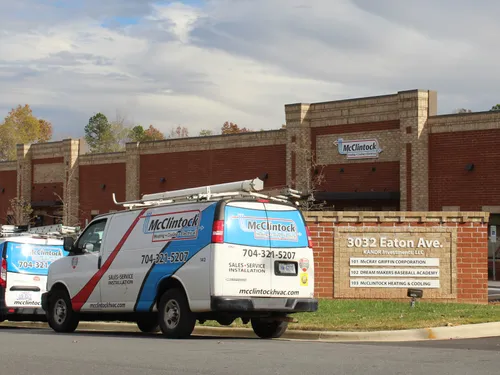
McClintock Heating and Cooling
3032 Eaton Avenue Suite 103, Indian Trail, NC 28079
McClintock Heating and Cooling is a locally owned and fully licensed HVAC company serving Charlotte, NC, and surrounding areas. They offer a range of heating and cooling services including repair and installation of air conditioners, furnaces, heat pumps, and indoor air quality solutions. The company also provides plumbing and electrical services, expanding their support for home and commercial comfort needs. With over 24 years of experience, McClintock Heating and Cooling focuses on tailored solutions that improve energy efficiency and system performance.
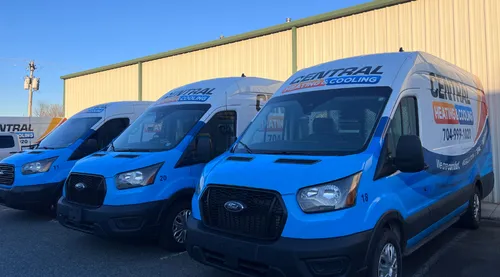
Central Heating & Cooling
4824 Unionville - Indian Trail Rd W unit b, Indian Trail, NC 28079
Central Heating & Cooling is an HVAC company based in Charlotte, NC, specializing in heating and cooling system repair, installation, maintenance, and indoor air quality services. The company focuses exclusively on HVAC systems, providing expert advice and service to ensure stable indoor climate control with maximum efficiency and safety. They offer air quality solutions using ActivePure Technology to continuously clean and protect indoor air and surfaces. Central Heating & Cooling emphasizes integrity, teamwork, and professionalism in their work. They have received consistent 5-star reviews and are known for their knowledgeable technicians and thorough approach.
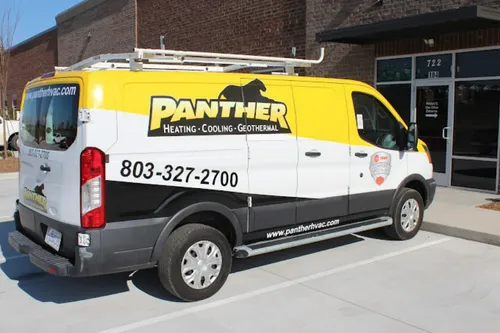
Panther Heating and Cooling
722 Corporate Blvd Suite 105, Rock Hill, SC 29730
Panther Heating and Cooling is an HVAC company based in Charlotte, NC, offering a full range of heating and cooling services including installation, repair, and maintenance of furnaces, air conditioners, heat pumps, and mini-split systems. They also provide indoor air quality solutions and smart thermostat installations. The company serves Charlotte and surrounding areas such as Rock Hill, Tega Cay, Fort Mill, Indian Land, York, Clover, Matthews, and Waxhaw. Panther Heating and Cooling emphasizes skilled, certified technicians and offers 24/7 emergency HVAC services to address urgent needs promptly.
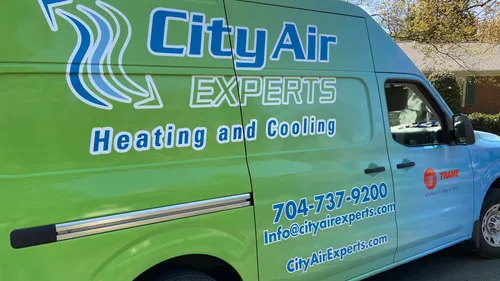
City Air Experts Heating and Cooling
411 Foster Ave, Charlotte, NC 28203
City Air Experts Heating and Cooling is a Charlotte, NC-based company providing residential and commercial HVAC services. They offer installation, repair, and maintenance for air conditioning, furnaces, heat pumps, mini splits, and general HVAC systems. The company is a certified Trane Comfort Specialist and employs NATE-certified technicians, ensuring skilled service. Established in 2009, City Air Experts provides 24/7 emergency HVAC services to respond to urgent needs any time of day or night.
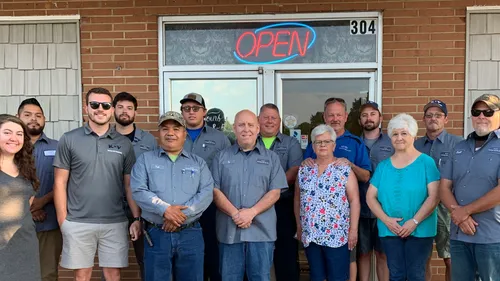
K & V Heating & Air Conditioning
304 NC-67, East Bend, NC 27018
K & V Heating & Air Conditioning has been serving Winston Salem, NC, and the surrounding East Bend area for over 20 years. This family- and veteran-owned company offers a full range of HVAC services including installation, repair, and maintenance of air conditioners, furnaces, and heat pumps. They are certified dealers for Trane®, Coleman®, Bosch®, and Amana® equipment and provide custom metal duct fabrication with insulation options. With over 30 years of industry experience, K & V Heating & Air Conditioning also offers indoor air quality products such as humidifiers and air purifiers. Their services include 24-hour emergency support and yearly preventative maintenance plans to maintain system efficiency.
Understanding North Carolina's Heating Needs
North Carolina's climate presents specific considerations for heating your home. Winters are generally mild, but temperatures can dip below freezing, especially in the Piedmont and mountain regions. This shorter, less intense heating season influences which systems offer the best long-term value. Furthermore, our humid summers mean many homeowners prioritize systems that offer efficient cooling as well, making dual-purpose solutions like heat pumps part of the conversation.
Choosing a system sized correctly for your home is critical. An oversized furnace will cycle on and off too frequently, reducing efficiency and comfort, while an undersized unit will struggle to maintain temperature. A professional assessment of your home's square footage, insulation, window quality, and existing ductwork is the essential first step.
Types of Furnaces for North Carolina Homes
The primary fuel source is the biggest differentiator between furnace types. Your home's existing infrastructure, local fuel availability, and long-term energy costs will guide this choice.
Natural Gas Furnaces Natural gas is a common and efficient choice where gas lines are available. These units typically have lower operating costs compared to oil or propane and provide powerful, consistent heat. Modern gas furnaces achieve high efficiency ratings, making them a reliable option for many North Carolina households.
Electric Furnaces Electric furnaces generally have a lower upfront purchase and installation cost. They are a good option for homes without access to natural gas lines or in areas with milder winter conditions. However, it's important to note that their operating costs can be higher than gas models, depending on local electricity rates.
Oil Furnaces Less common than in the past, oil furnaces provide high heat output and are used primarily in areas where natural gas is not accessible. The main drawback is the higher and more volatile cost of heating oil, along with the need for on-site storage tank maintenance.
Dual-Fuel Systems (Heat Pump + Gas Furnace) This hybrid system is often cited as an excellent match for North Carolina's climate 1 2. It combines an electric heat pump, which efficiently handles moderate heating and cooling, with a gas furnace that acts as a backup during colder spells. The system automatically switches to the most cost-effective fuel source, offering low long-term operating costs and year-round comfort, though it has a higher initial investment 1.
Efficiency Ratings and What They Mean
When comparing furnaces, efficiency translates directly to savings on your utility bills. The key metric is AFUE (Annual Fuel Utilization Efficiency). This percentage tells you how much of the fuel consumed is converted into usable heat for your home. For example, a 90% AFUE furnace turns 90% of the fuel into heat, losing 10% up the flue.
- Standard Efficiency: Models with an AFUE below 90%.
- High Efficiency: Models with an AFUE of 90% or higher. While these units cost more upfront, they save on fuel costs over time. It's worth noting that the return on investment for ultra-high-efficiency models may take longer in North Carolina's milder winters compared to colder northern states 3.
- ENERGY STAR®: Look for the ENERGY STAR label, which certifies that the furnace meets strict efficiency guidelines set by the U.S. Environmental Protection Agency, often exceeding federal minimum standards.
Find the perfect furnace installation & replacement contractors for your needs
Get personalized recommendations and expert advice
The Professional Installation Process
A proper installation is just as important as the quality of the furnace itself. A professional installation ensures safety, efficiency, and reliability. Here's what a comprehensive installation or replacement entails:
- In-Home Assessment & System Sizing: A technician will evaluate your home's heating needs, inspect existing ductwork for leaks or damage, and calculate the correct BTU (British Thermal Unit) capacity required. This step prevents future problems with comfort and efficiency.
- Permitting: Reputable contractors will pull the necessary local building permits. This ensures the installation will be inspected for compliance with safety codes, a crucial step for gas appliances.
- Removal & Disposal: The old furnace is safely disconnected, removed, and responsibly disposed of or recycled according to local regulations.
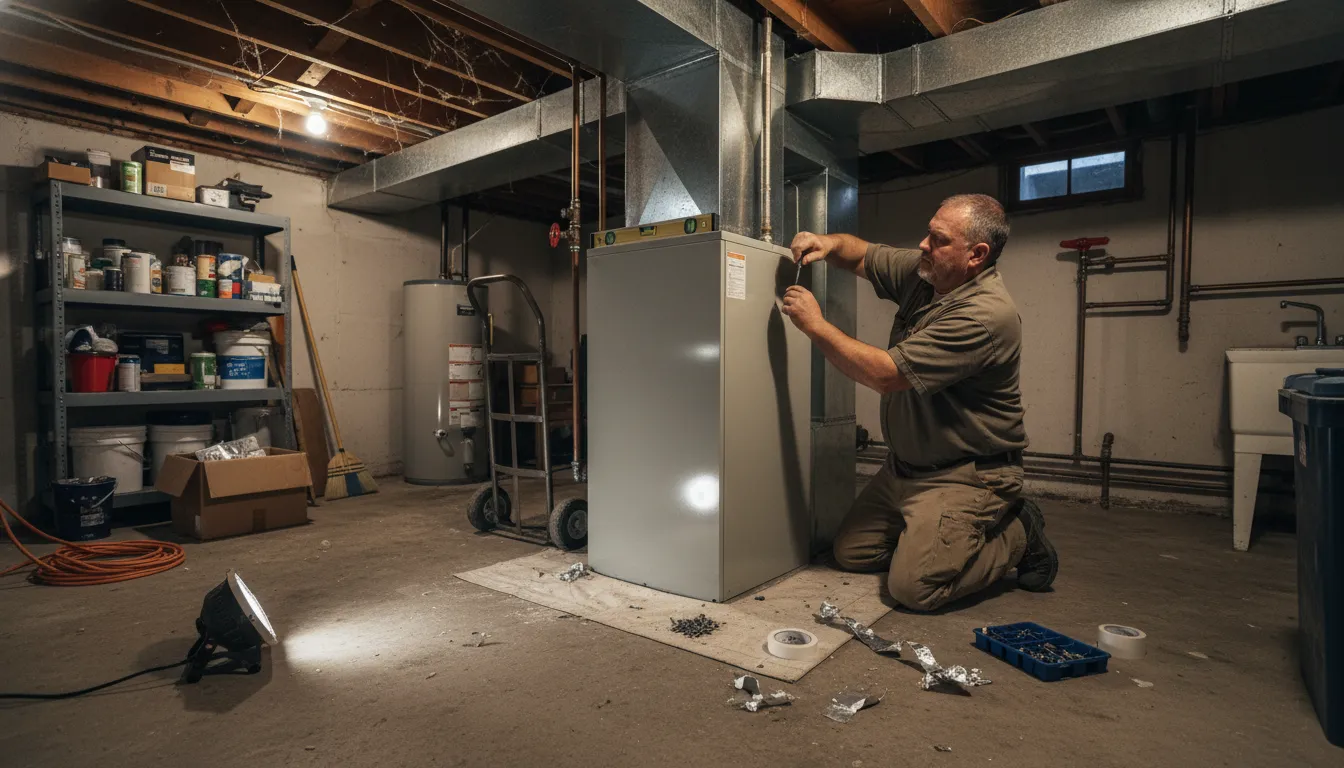
- Installation: The new unit is positioned, leveled, and secured. All connections-including gas line, electrical wiring, venting, and condensate drainage-are meticulously installed. Technicians will also seal and test ductwork connections to prevent energy loss 4.
- Testing & Commissioning: This final phase is critical. The technician will start the system, check for gas leaks (if applicable), perform a combustion analysis, measure temperature rise, balance airflow, and calibrate the thermostat. They will also explain the system's operation and basic maintenance to the homeowner 5 6 7.
Understanding Furnace Costs in North Carolina
The total cost for a furnace installation or replacement in North Carolina can vary widely based on the unit type, efficiency, home complexity, and labor. Here is a general overview of what to expect:
- Overall Range: Total installed costs typically fall between $4,000 and $10,000+.
- Gas Furnace: Often the most common choice, with installed costs ranging from $3,000 to $12,000, averaging around $5,500 for a standard, efficient model 8.
- Electric Furnace: Generally has a lower installed cost range of $2,000 to $7,000 9.
- Dual-Fuel System: Due to the complexity of installing two systems, costs are higher, typically $5,000 to $10,000 or more.
- Additional Potential Costs: Be prepared for possible extra expenses if your installation requires new ductwork ($1,000-$5,000), a new gas line run ($1,500-$5,000+), or permits ($100-$500) 10 11 12.
These are estimates, and obtaining multiple detailed quotes from licensed professionals is the best way to understand the specific cost for your home.
Key Factors in Your Decision
Beyond the furnace type and price, consider these elements:
- Brand & Warranty: Choose a reputable brand with a strong track record. Compare warranty coverage for parts, heat exchangers, and labor.
- Contractor Qualification: Always verify that the contractor is licensed, insured, and has positive local references. Their expertise is paramount to a successful installation.
- Rebates & Incentives: Check for available rebates from utility companies, state programs, or federal tax credits for high-efficiency ENERGY STAR systems, which can help offset the initial cost.
Frequently asked questions
Sources
Footnotes
-
Pros and Cons of Each Type of Heating System for NC Homes - https://webbhvac.com/heating-air-conditioning-blog/heating-system-type-pros-and-cons/ ↩ ↩2
-
What Type of Furnace Is Ideal for North Carolina? - https://www.yourcomfortfirst.com/blog/what-type-of-furnace-is-ideal-for-north-carolina/ ↩
-
What Type of Heating System Is the Most Cost Effective in North ... - https://webbhvac.com/heating-air-conditioning-blog/which-heating-system-is-most-cost-effective/ ↩
-
Furnace Installation in Hickory, NC - Morris Mechanical Inc - https://morrismechanical.com/heating/furnace-installation-hickory-nc ↩
-
Furnace Installation Buyer's Guide | Horne HVAC Charlotte - https://hornehvac.com/buyers-guide/furnace-installation/ ↩
-
Furnace Installation in Raleigh, NC - Fogg HVAC - https://www.fogghvac.net/furnace/furnace-installation-raleigh-nc ↩
-
How Much Does a New Furnace Cost in Raleigh, NC? | Angi - https://www.angi.com/articles/how-much-does-it-cost-install-new-furnace/nc/raleigh ↩
-
How Much Does a New Furnace Cost in Charlotte, NC? | Angi - https://www.angi.com/articles/how-much-does-it-cost-install-new-furnace/nc/charlotte ↩
-
Furnace Replacement Costs & Budget Tips - Air Services Unlimited - https://www.airservicesunlimited.com/blog/heating-service/how-much-does-furnace-replacement-cost-2024-price-guide/ ↩
-
New Furnace Costs in Durham NC: Gas, Electric, Dual Fuel - https://alternativeaire.com/new-furnace-costs-durham-nc-explained/ ↩
-
Furnace Installation Costs Explained Durham NC | Price Guide - https://hayshvac.net/hvac-tips/furnace-installation-costs-explained/ ↩
-
Furnace Replacement Cost vs Furnace Repair Cost - Carrier - https://www.carrier.com/residential/en/us/products/furnaces/furnace-replacement-cost-vs-furnace-repair-cost/ ↩