Find the Best Furnace Installation & Replacement Contractors for Your Business
No obligation • Fast responses • Nationwide coverage

Why you can trust HVAC Firms
HVAC Firms is a leading United States resource for evaluating HVAC service providers. Our team researches companies, checks credentials, and reviews customer feedback to present clear, unbiased information. Listings and rankings are based on merit, and companies cannot pay to change our editorial content.
Search providers near you
Best Furnace Installation & Replacement Contractors in Minnesota Ranked
A reliable and efficient furnace is not a luxury in Minnesota; it's a necessity for safety and comfort during our long, harsh winters. Whether your current system is failing, inefficient, or you're upgrading your home, a professional furnace installation or replacement is a significant investment in your property. This guide provides clear, practical information on the process, options, and considerations for Minnesota homeowners, helping you make an informed decision and connect with qualified local professionals for your project.
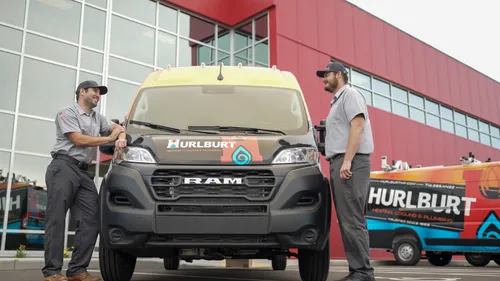
Hurlburt Heating & Plumbing
1000 County Rd E Suite 115, Shoreview, MN 55126
Hurlburt Heating & Plumbing is a family-owned home services provider serving Minneapolis, MN, and surrounding areas. Since 1959, they have offered a wide range of services including HVAC installation and repair, plumbing, and electrical work. Their HVAC services cover air conditioner and furnace repair, heat pump and mini split installation, indoor air quality solutions, and HVAC tune-ups. Hurlburt also provides whole-home air scrubbers, purifiers, humidifiers, and dehumidifiers to improve indoor air quality. With over six decades of experience, they combine modern technology with personalized service to address customer needs.
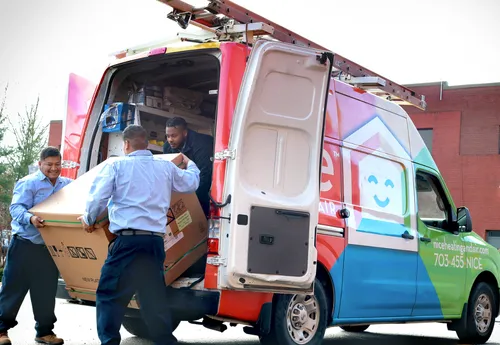
Nice Heating & Air
24 Onville Rd suite 101-9, Stafford, VA 22556
Nice Heating & Air is an HVAC company serving Minneapolis, MN, specializing in air conditioning, heating, and indoor air quality services. They provide installation, repair, and maintenance for systems including ductless mini splits, heat pumps, furnaces, and water heaters. The company has many years of experience and focuses on delivering high-quality products and services with a commitment to customer satisfaction. Their capabilities include HVAC tune-ups and indoor air quality improvements such as air purifier installation and ventilation services.
Furnace Doctors
102 County Rd C West, Little Canada, MN 55117
Furnace Doctors is an HVAC company based in Minneapolis, MN, offering a range of heating and cooling services. Their expertise includes furnace repair and replacement, air conditioner repair and installation, ductless system installation, and indoor air quality solutions such as air filtration and humidity control systems. The company emphasizes maximizing HVAC system performance and has installers with over 25 years of experience. Furnace Doctors also provides annual maintenance plans to help keep systems running efficiently.
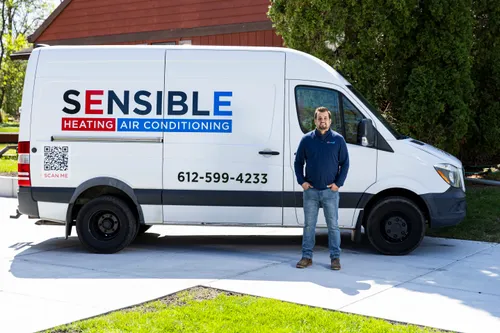
Sensible Heating and Air Conditioning
3533 Roosevelt St NE, St Anthony, MN 55418
Sensible Heating and Air Conditioning is a locally owned HVAC company serving Minneapolis, MN. They provide a range of services including air conditioning, furnace, and heat pump repair, installation, and tune-ups. With 16 years of experience, they focus on maintaining efficient and comfortable home environments through reliable HVAC solutions. Their expertise includes troubleshooting and installing all major brands to ensure energy-efficient performance throughout the year.

Standard Heating & Air Conditioning, Inc.
130 Plymouth Ave N, Minneapolis, MN 55411
Standard Heating & Air Conditioning, Inc. has been serving Minneapolis, MN, and the surrounding Twin Cities area since 1930. They provide a range of HVAC services including air conditioning and furnace repair and installation, indoor air quality solutions, and HVAC tune-ups. The company emphasizes customer education and family care, with a team of NATE-certified technicians using industry-leading equipment. Their long history reflects a commitment to ethical service and community involvement.
Understanding Your Furnace Options in Minnesota
Choosing the right type of furnace is the first critical step. Your choice will be influenced by your home's existing infrastructure, local fuel availability, and long-term operating costs. The primary options for Minnesota homes are natural gas, electric, and oil or propane systems.
Natural Gas Furnaces Natural gas is the most popular heating fuel in Minnesota due to its efficient performance and historically cost-effective fuel prices, especially important for our cold climate. Modern high-efficiency gas models are designed to extract more heat from the same amount of fuel, making them ideal for prolonged sub-zero temperatures. These units typically have an Annual Fuel Utilization Efficiency (AFUE) rating of 90% or higher, meaning 90 cents of every dollar spent on fuel is converted directly to heat for your home 1. A sealed combustion system, which draws air from outside for burning, is a key safety and efficiency feature for cold-weather operation.
Electric Furnaces Electric furnaces generally have a lower upfront installation cost and are an excellent option for homes without access to natural gas lines. They convert nearly 100% of electrical energy into heat. However, in regions with severe winters like Minnesota, the operating costs can be significantly higher than natural gas over the course of a heating season, depending on local electricity rates 2. They are often paired with heat pumps for a more efficient year-round system.
Oil and Propane Furnaces These systems are common in rural areas of Minnesota where natural gas is not available. They require on-site fuel storage tanks and delivery. Efficiency and costs can vary, and while the equipment itself may be comparable in price, homeowners must also factor in the volatile market prices for oil or propane.
The Importance of Efficiency (AFUE) in a Cold Climate
In Minnesota, investing in a high-efficiency furnace isn't just about being green-it's about economic sense and reliability. The AFUE rating is the primary measure of a furnace's efficiency. While a standard efficiency model might have an AFUE of 80%, high-efficiency condensing furnaces achieve ratings of 90% to 98.5% 3.
For a Minnesota homeowner, a higher AFUE rating means:
- Lower Utility Bills: More of the fuel you pay for is converted into heat, reducing waste. This is especially impactful during our long heating season.
- Enhanced Comfort: High-efficiency systems often provide more consistent heating with fewer temperature swings.
- Quieter Operation: Many high-efficiency models feature variable-speed blowers that operate more quietly than single-stage units.
While the initial purchase price is higher, the energy savings over the lifespan of the unit in a cold climate like ours can make a high-efficiency furnace a wise financial decision.
Key Considerations for Minnesota Winters
Minnesota's unique climate demands specific features and preparations for a successful furnace installation.
Handling Harsh Winters: Your furnace must be robust enough to handle prolonged periods of sub-zero temperatures. This makes proper sizing and selecting a unit designed for cold climates paramount. Sealed combustion furnaces are highly recommended as they prevent cold outdoor air from infiltrating your home and ensure safe operation 4.
Ductwork Assessment: Your ductwork is the circulatory system of your heating. It must be properly sized, sealed, and matched to the new furnace's airflow requirements. Old, leaky, or undersized ducts can force a new, high-efficiency furnace to work harder, reducing its effectiveness, increasing stress on the system, and compromising home comfort. A professional installer will evaluate your ducts and recommend sealing, repairs, or modifications as part of the replacement project.
Find the perfect furnace installation & replacement contractors for your needs
Get personalized recommendations and expert advice
The Professional Installation Process: A Step-by-Step Guide
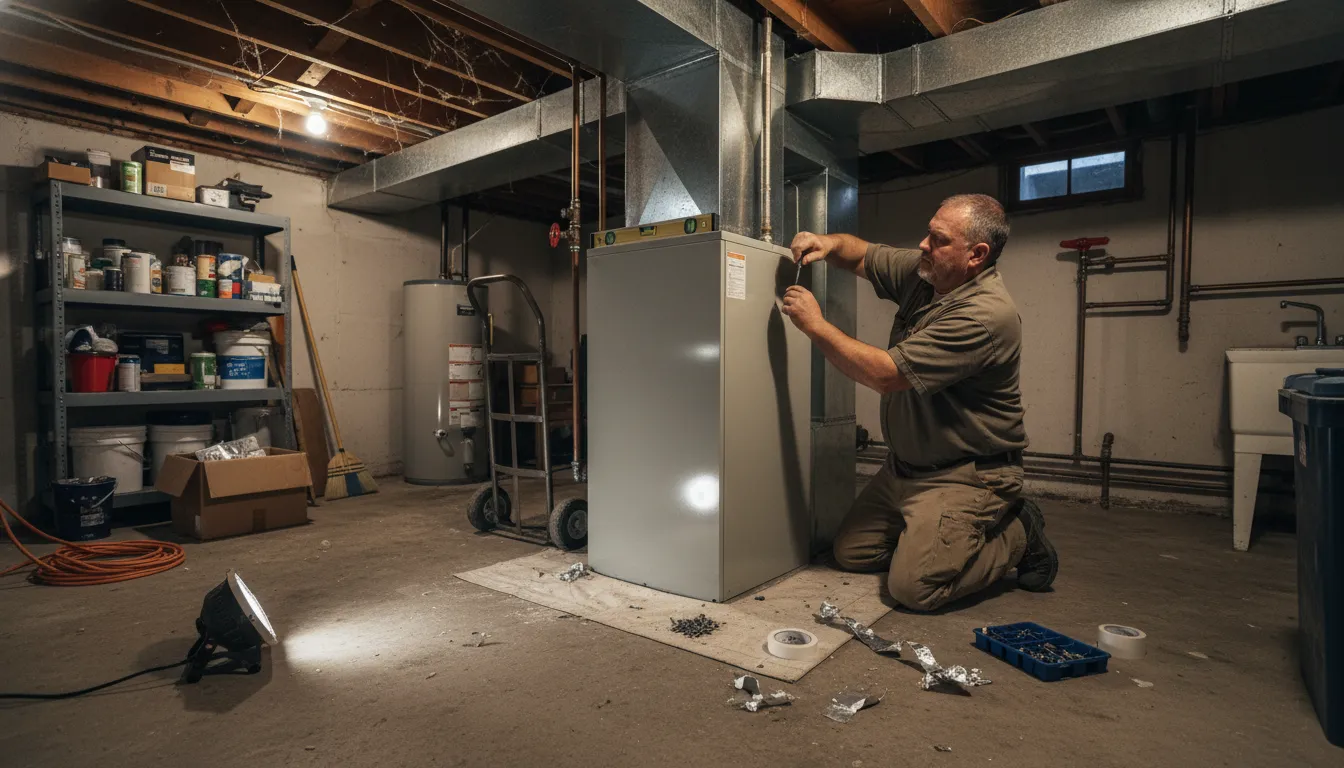
A proper furnace replacement is a technical job that involves fuel lines, electricity, combustion, and building codes. It should always be performed by a licensed, insured HVAC professional. Here's what a typical process looks like:
-
Professional In-Home Assessment: This is the most crucial step. A technician will evaluate your home's heating load by considering square footage, insulation levels, window quality, and your existing ductwork. They will calculate the correct BTU (British Thermal Unit) output needed-a furnace that is too large will short-cycle, and one that is too small will run constantly and fail to heat your home 5. They will also discuss your fuel options and efficiency goals.
-
System Selection and Proposal: Based on the assessment, your contractor will recommend specific furnace models that fit your home's needs and budget. You'll receive a detailed written proposal outlining the equipment, labor, timeline, and total cost.
-
Permits and Code Compliance: A reputable contractor will obtain all necessary local building permits before work begins. This ensures the installation meets Minnesota and local safety codes, which cover proper venting, gas line integrity, and electrical connections. An inspection may follow completion 6.
-
Installation Day: The crew will safely remove your old furnace and prepare the space. The new unit is installed, which includes leveling, connecting gas lines or electrical wiring, integrating with the thermostat, and making any necessary adjustments to ductwork or flue pipes. The system is then thoroughly tested for safe operation, proper ignition, and correct airflow.
-
Final Inspection and Owner Orientation: Once testing is complete and any final inspections are passed, the technician should walk you through the basic operation of your new furnace, explain your thermostat, and review the warranty and maintenance schedule.
Understanding Furnace Replacement Costs in Minnesota
The total cost for a furnace replacement in Minnesota can vary widely based on several factors. On average, homeowners can expect a full replacement to range from $6,000 to $12,000 or more 7 8 9. For a high-efficiency natural gas furnace, the typical cost often falls between $5,000 and $10,000+ for the unit and professional installation 10 11.
Several key factors influence the final price:
- Furnace Unit: The brand, size (BTU output), fuel type, and efficiency (AFUE) rating are the biggest cost drivers. Higher efficiency models command a premium.
- Ductwork Modifications: If your existing ducts need significant sealing, resizing, or repairs, this will add to the project cost but is essential for performance.
- Labor and Complexity: The difficulty of the installation (attic, basement, closet), need for new venting, and local labor rates affect the price.
- Additional Components: The cost may include a new thermostat, air cleaner, humidifier, or permit fees.
Always get multiple detailed estimates to compare not just price, but the scope of work, equipment proposed, and warranty terms.
Frequently asked questions
Sources
Footnotes
-
Replacing Your Furnace | Center for Energy and Environment - https://www.mncee.org/replacing-your-furnace ↩
-
Furnace Replacement Cost: Average Prices for 2024 - Genz-Ryan - https://genzryan.com/blog/furnace-replacement-cost-mn/ ↩
-
Furnace installation in Minneapolis, MN: Ultimate 2025 Guide - https://www.staffordhomeservice.com/blog/furnace-installation-minneapolis-guide ↩
-
Furnace Replacement | MN.gov - https://mn.gov/commerce-stat/pdfs/furnace-replacement.pdf ↩
-
High efficiency natural gas furnaces for Minneapolis-St. Paul and ... - https://www.centerpointenergy.com/en-us/home-service-plus/products/heating-cooling/furnaces ↩
-
How Much Does a Gas Furnace Cost to Install? - Modernize - https://modernize.com/hvac/heating-repair-installation/furnace-cost/gas ↩
-
Furnace Installation Minneapolis, MN | Heating install - https://www.staffordhomeservice.com/heating/furnace-installation-minneapolis-mn ↩
-
What's the Cost of Buying a New Furnace? We Break it Down ... - https://welterheating.com/cost-buying-furnace/ ↩
-
Furnace Cost in Minnesota: 2025 Guide - Modernize - https://modernize.com/hvac/heating-repair-installation/furnace-cost/minnesota ↩
-
Gas Furnace Replacement Costs in Minnesota and Wisconsin - https://comfortbydesign.com/blog/gas-furnace-replacement-cost/ ↩
-
Furnace Cost in Minneapolis, MN - Modernize - https://modernize.com/hvac/heating-repair-installation/furnace-cost/minneapolis-mn ↩