Find the Best Furnace Installation & Replacement Contractors for Your Business
No obligation • Fast responses • Nationwide coverage

Why you can trust HVAC Firms
HVAC Firms is a leading United States resource for evaluating HVAC service providers. Our team researches companies, checks credentials, and reviews customer feedback to present clear, unbiased information. Listings and rankings are based on merit, and companies cannot pay to change our editorial content.
Search providers near you
Best Furnace Installation & Replacement Contractors in Kentucky Ranked
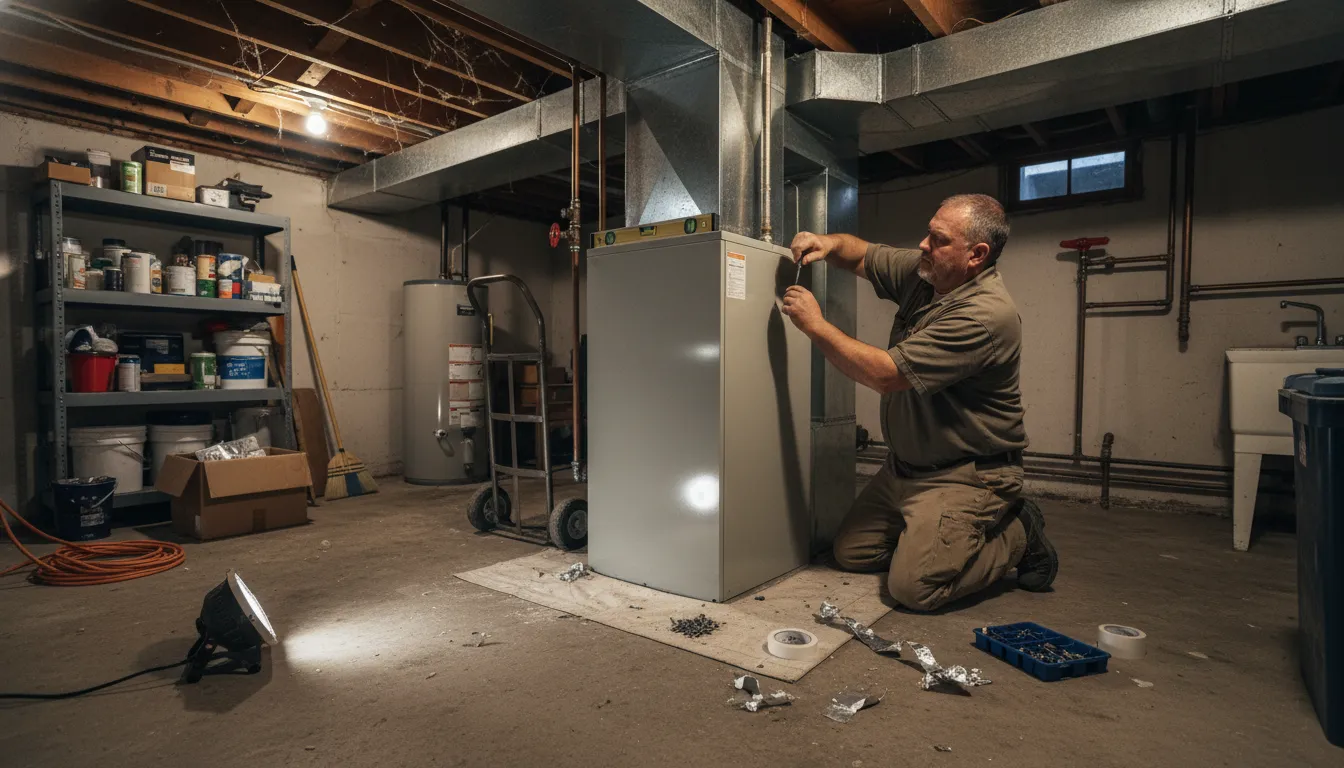
A new furnace is a significant investment in your Kentucky home's comfort, safety, and energy efficiency. Whether your current system is failing or you're looking to upgrade for better performance, understanding your options is key. This guide provides a detailed overview of the furnace replacement process, costs, and considerations specific to the Bluegrass State, helping you make an informed decision and connect with qualified local professionals for your project.
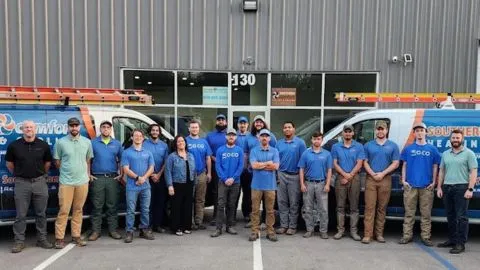
Southern Comfort Heating & Cooling
1067 Whipple Ct, Lexington, KY 40511
Southern Comfort Heating & Cooling is an HVAC company serving Louisville, KY, specializing in air conditioning and furnace repair, installation, and maintenance. They offer services including mini split and thermostat installation, as well as HVAC tune-ups. Founded in 2010 by HVAC Master Technician Matt Helgerson, the company has decades of experience servicing residential and commercial systems. Southern Comfort Heating & Cooling provides 24/7 emergency repair services and covers most of the Bluegrass region within Central Kentucky.
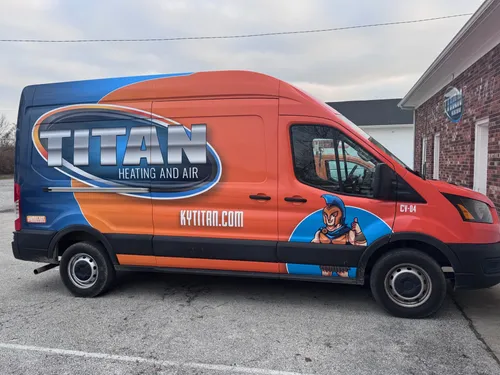
Titan Heating and Air
153 Edwards Ave, Georgetown, KY 40324
Titan Heating and Air provides HVAC repair, installation, and maintenance services in Lexington, KY. They handle all makes and models of heating and air conditioning systems, addressing issues such as worn-out belts, pilot light problems, and leaks. With over 20 years of experience, Titan Heating and Air also offers commercial heating and cooling solutions in Georgetown, working on complex systems and staying current with industry standards.

Feistritzer Heating & Air Conditioning
105 Man O War Dr, Danville, KY 40422
Feistritzer Heating & Air Conditioning serves Lexington, KY, and surrounding areas including Danville, Harrodsburg, and Stanford. They provide a range of HVAC services such as air conditioning and furnace repair, heat pump and geothermal system installation, indoor air quality solutions, and thermostat and gas line installation. The company is staffed by NATE-certified technicians who handle residential and light commercial projects. They emphasize thorough assessments and offer financing options. Their capabilities include geothermal heating and cooling systems, which use underground temperatures for efficient climate control.
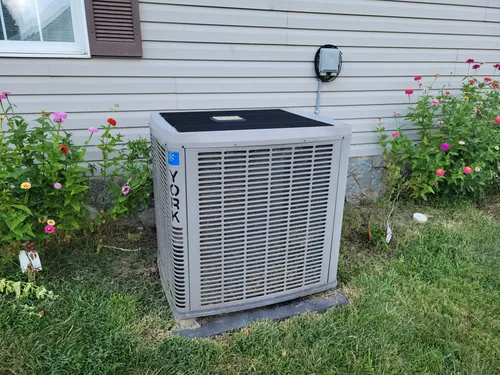
GraceLand Air
314 Stanford St, Lancaster, KY 40444
GraceLand Air is a local HVAC company serving Lexington, KY, and nearby areas including Lancaster. They provide a full range of heating and cooling services such as air conditioning and furnace repair, heat pump and boiler installation, ductless mini-split systems, and indoor air quality solutions. With over ten years of experience, GraceLand Air offers tailored solutions based on thorough diagnostics to ensure effective and long-term results. The company is a YORK® Certified Comfort Expert™ and serves all brands.
J Elliott Heating and Air
1101 N College St, Harrodsburg, KY 40330
J Elliott Heating and Air is an HVAC company serving Lexington, KY, and the surrounding Mercer County area. Founded in late 2015 by Jonathan Elliott, the company offers a range of heating and cooling services including installation, repair, and maintenance of air conditioners, furnaces, heat pumps, and thermostats. They focus on providing quality products and staying current with industry standards to ensure safety and efficiency. Jonathan Elliott brings nearly 10 years of experience in the heating and air trade, complemented by skills gained as a general contractor. The company is licensed through the Kentucky Public Protection Cabinet and fully insured.
Understanding Kentucky's Heating Needs
Kentucky's climate presents unique challenges for home heating. Winters can be quite cold, especially in the northern and eastern regions, with temperatures regularly dipping below freezing. This makes a reliable and efficient heating system not just a matter of comfort but of necessity. Furthermore, Kentucky's humidity levels can fluctuate, impacting how "warm" the air feels inside your home 1. A properly sized and installed furnace works in tandem with your home's structure to combat the cold while managing indoor air quality for year-round comfort.
Types of Furnaces Available in Kentucky
The primary fuel source available to your home will largely determine your furnace type. Each has distinct characteristics in terms of operation, efficiency, and cost.
Natural Gas Furnaces Natural gas is the most common and popular heating fuel in Kentucky where available. These units heat air quickly and are generally very efficient. Modern gas furnaces convert a high percentage of the fuel's energy into heat for your home, measured by the Annual Fuel Utilization Efficiency (AFUE) rating. They typically require access to a municipal gas line.
Oil Furnaces In areas of Kentucky without natural gas service, oil furnaces are a traditional choice. They require an on-site storage tank that must be periodically refilled. While effective at heating, they often involve higher maintenance and can have higher operational costs depending on fuel oil prices. They are a solid option for homes without gas infrastructure.
Electric Furnaces Electric furnaces use heating elements, similar to a large space heater, to warm air. They have a lower upfront purchase cost compared to gas or oil models and are simpler to install since they don't require a fuel line or exhaust vent. However, for heating an entire home through a Kentucky winter, their operational costs can be significantly higher due to electricity prices, making them less common as a primary heat source for larger homes 2.
The Critical Importance of AFUE Ratings
AFUE, or Annual Fuel Utilization Efficiency, is the standard measure of a furnace's efficiency. It's expressed as a percentage, indicating how much of the fuel is converted into usable heat over a typical year. Understanding this rating is crucial for long-term savings.
- Standard Efficiency (80% AFUE): These are basic models that meet the minimum federal efficiency standard. They lose about 20% of the fuel's energy through the exhaust. They have a lower initial purchase price but result in higher monthly utility bills.
- High Efficiency (90% to 98.5% AFUE): This category includes condensing furnaces, which extract so much heat from the combustion gases that water vapor condenses. They are significantly more efficient, losing only 2% to 10% of energy. For Kentucky's cold winters, investing in a high-efficiency unit (90%+ AFUE) is widely recommended to manage heating costs effectively 3. The higher initial investment is usually offset by substantial energy bill savings over the life of the unit.
The Professional Installation Process
A furnace is a complex appliance involving fuel lines, electricity, combustion, and airflow. Professional installation is non-negotiable for safety, efficiency, and warranty validation. Here's what a proper installation entails:
- Initial Assessment and Load Calculation: A qualified technician will not just look at your old unit. They will perform a Manual J load calculation, which considers your home's square footage, insulation quality, window types, ceiling height, and local climate to determine the exact heating capacity (measured in BTUs) your home needs 4. Guessing or simply matching the old unit's size can lead to inefficiency, discomfort, and premature system failure.
- System Sizing and Selection: Based on the load calculation, your contractor will recommend properly sized units. An oversized furnace will "short cycle" (turn on and off too frequently), wasting energy and failing to dehumidify the air properly. An undersized unit will run constantly, struggling to reach the desired temperature.
- Preparation and Removal: The installation crew will safely disconnect and remove your old furnace, disposing of it according to local regulations. They will inspect the existing ductwork, electrical connections, gas line or oil tank, and venting for any issues that need addressing before the new install.
- Installation and Connection: The new furnace is positioned, leveled, and secured. All connections are made: fuel supply line, electrical wiring, ductwork, condensate drain (for high-efficiency models), and the new venting system, which is critical for safe exhaust of combustion gases.
- System Start-up and Testing: Once physically installed, the technician will start the system, calibrate the thermostat, check for gas leaks (if applicable), test safety controls, measure airflow, and verify combustion efficiency. They will also ensure the installation meets all local building codes and permit requirements, which is essential for your safety and home insurance 5 6.
This entire process is typically completed by a professional crew in 4 to 10 hours, though more complex jobs may take longer 7 8.
Find the perfect furnace installation & replacement contractors for your needs
Get personalized recommendations and expert advice
Cost Factors for Furnace Replacement in Kentucky
The total cost of a furnace replacement in Kentucky is influenced by several variables. While prices can range from $3,000 to over $10,000 for a fully installed system, the average investment for a quality, professionally installed gas furnace often falls between $4,000 and $8,000 9 10.
Key factors affecting the final price include:
- Unit Type and Efficiency: A basic 80% AFUE gas furnace will cost less upfront than a 96% AFUE condensing model. Electric furnaces have lower equipment costs but different operational economics 11 12.
- Unit Size (BTUs): Larger capacity units for bigger homes cost more than units for smaller spaces.
- Labor and Complexity: Labor typically accounts for 30% to 50% of the total project cost 13. Complexity increases with factors like relocating the furnace, installing new ductwork or vents, upgrading electrical service, or addressing code violations.
- Additional Components: The project cost may also include a new thermostat, air cleaner, humidifier, or upgraded air conditioning coil if your system is integrated.
- Permits and Local Regulations: Your contractor will usually pull any required permits, and their cost is factored into the project.
- Brand and Features: Premium brands and models with advanced modulating burners or smart features command a higher price.
It's vital to view this as a long-term investment. Choosing a higher-efficiency model and a quality installation, even at a higher initial cost, saves money on monthly energy bills for the 15-20 year life of the furnace and ensures reliable operation 14.
Preparing for Your Furnace Installation Project
Being prepared helps the process go smoothly.
- Get Multiple Estimates: Obtain written, itemized estimates from at least three licensed, insured, and well-reviewed local contractors. Ensure the estimates are based on a proper load calculation, not just square footage.
- Ask the Right Questions: Inquire about the proposed AFUE rating, warranty details (both parts and labor), estimated installation timeline, and whether the quote includes permit fees and old unit disposal.
- Check Credentials: Verify the contractor holds the necessary state and local licenses, carries liability insurance, and has positive references for installation work (not just repairs).
- Plan for Disruption: While the installers work to minimize mess, expect some noise and activity in the area where the furnace is located. Clear the workspace around your current furnace and thermostat.
Maintaining Your New Investment
Once your new furnace is installed, protect your investment with regular maintenance. An annual professional tune-up before each heating season is recommended. This service typically includes cleaning components, checking safety devices, testing efficiency, and ensuring all connections are secure. This proactive care maximizes efficiency, extends the system's lifespan, prevents unexpected breakdowns on the coldest night, and often is required to keep the manufacturer's warranty valid.
Frequently asked questions
Sources
Footnotes
-
New Installation - https://www.moderncomforthvac.com/services/new-installation/ ↩
-
Furnace Replacement: How To Choose & Install A New ... - https://comfortsystemsofmt.com/blog/furnace-replacement/ ↩
-
How to Evaluate and Choose an HVAC System | Louisville, KY - https://jarboes.com/knowledge-center/tips-to-select-a-new-hvac-system/ ↩
-
Furnace Installation Lexington KY | Compare 80% Vs 90% Vs 95% ... - https://lexelectricalandhvac.com/furnace-installation-lexington/ ↩
-
Furnace Installation Costs Explained - Obie Comfort Solutions - https://www.obiecomfortsolutions.com/blog/heating-service/how-much-should-you-budget-for-furnace-installation-tips-and-insights/ ↩
-
HVAC System Replacement | Hiller - https://happyhiller.com/hvac/system-replacement-why-choose-hiller/ ↩
-
Furnace Replacement in Lexington, KY | Fayette Heating & Air - https://fayetteheating.com/heating/furnaces/furnace-replacement/ ↩
-
Preparing for HVAC Installation: 2025 Guide for Louisville and ... - https://projecthvac.com/2025/08/02/preparing-for-hvac-installation-louisville-southern-indiana/ ↩
-
HVAC Replacement Cost in Kentucky | ComfortMaster Heating & Air - https://comfortmasterheating.com/how-much-does-it-cost-to-replace-an-hvac-system-in-kentucky/ ↩
-
How Much Does a Gas Furnace Cost? | Glanz Buffat Plumbing Heating and Cooling | Louisville, KY - https://www.glanz-buffatphc.com/how-much-does-a-gas-furnace-cost/ ↩
-
Furnace Installation Lexington KY | Compare 80% Vs 90% Vs ... - https://lexelectricalandhvac.com/furnace-installation-lexington-ky-2/ ↩
-
Furnace Installation Cost: What Homeowners Need to Know - https://callwhitney.com/furnace-installation-cost-homeowners-should-know/ ↩
-
Furnace Replacement Costs & Budget Tips - Air Services Unlimited - https://www.airservicesunlimited.com/blog/heating-service/how-much-does-furnace-replacement-cost-2024-price-guide/ ↩
-
Heating Installation & Replacement in Northern Kentucky - Arronco - https://arronco.com/heating-installation/ ↩