Find the Best Furnace Installation & Replacement Contractors for Your Business
No obligation • Fast responses • Nationwide coverage

Why you can trust HVAC Firms
HVAC Firms is a leading United States resource for evaluating HVAC service providers. Our team researches companies, checks credentials, and reviews customer feedback to present clear, unbiased information. Listings and rankings are based on merit, and companies cannot pay to change our editorial content.
Search providers near you
Top Furnace Installation & Replacement Contractors in New Haven, Connecticut Ranked
When New Haven's winter chill sets in, a reliable and efficient heating system isn't just a comfort-it's a necessity. Furnace installation and replacement is a significant home investment that ensures your family stays warm, your energy bills remain manageable, and your home's air quality is safe. This guide is designed to help you understand your options, the process, and what to expect when selecting a new heating system for your home, connecting you with the information needed to find qualified local professionals.
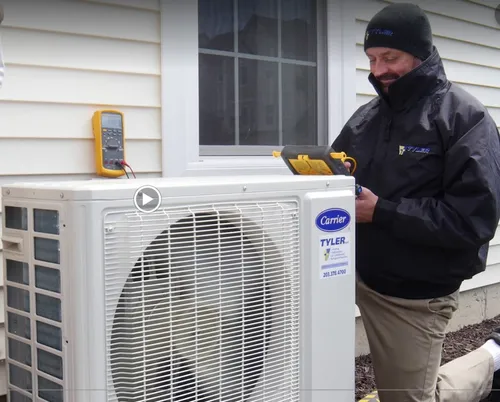
Tyler Heating, Air Conditioning, Refrigeration LLC
255 Hathaway Dr Unit 1, Stratford, CT 06615
Tyler Heating, Air Conditioning, Refrigeration LLC is an HVAC company serving New York, NY, with a focus on heating, cooling, and indoor air quality services. They provide installation, repair, and maintenance for air conditioners, furnaces, heat pumps, mini splits, and ductless HVAC systems. The company also offers indoor air quality solutions including humidity control and air purification. Established in 1995, Tyler Heating has over 25 years of experience serving the Southwest Connecticut area and offers same-day service to address urgent needs.
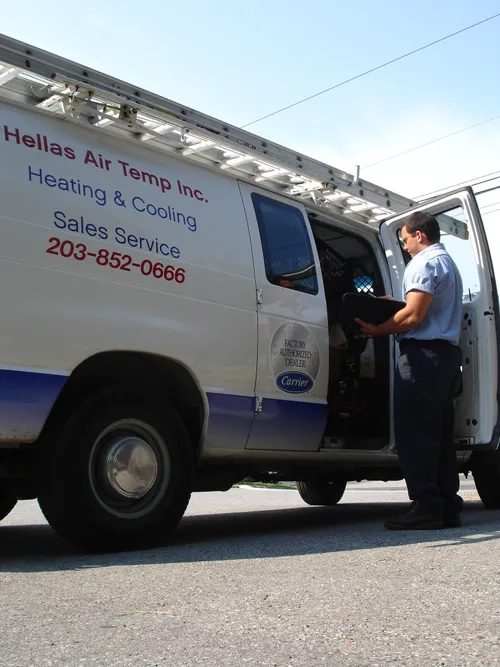
Hellas Air Temp Inc
52 Connecticut Ave, Norwalk, CT 06850
Hellas Air Temp Inc provides residential and commercial heating and cooling services in New York, NY. They offer sales, service, maintenance, and installation for a wide range of HVAC systems including central air, forced air, gas and propane boilers, ductless systems, rooftop units, and custom refrigeration solutions. Established in 1978, the company brings decades of experience to climate control solutions and specializes in customizable systems such as manifolds and circulation pumps.
Why a Proper Furnace is Critical in New Haven's Climate
New Haven experiences cold winters where temperatures can dip well below freezing, making a dependable and efficient heating system essential for home comfort and safety. An outdated, inefficient, or improperly sized furnace can lead to uneven heating, skyrocketing energy costs, and even safety hazards like carbon monoxide leaks. Upgrading to a modern heating system is one of the most effective ways to improve your home's energy efficiency, reduce your carbon footprint, and gain consistent, reliable warmth throughout the coldest months.
Types of Furnaces for New Haven Homes
Choosing the right type of heater is the first step. The primary options available in New Haven are determined by fuel source, home infrastructure, and efficiency goals.
Natural Gas Furnaces Natural gas units are a popular choice in areas with access to gas lines due to their high heat output, energy efficiency, and generally lower operational costs compared to other fuels. For New Haven's climate, consider two-stage or modulating gas furnaces. These models adjust their heat output based on the actual demand, providing more consistent temperatures and better humidity control while optimizing energy use, which is ideal for variable winter weather 1 2.
Oil Furnaces Many older homes in Connecticut were originally built with oil heating systems, making an oil furnace replacement a common and straightforward option, particularly in neighborhoods without natural gas service. Oil furnaces provide powerful, reliable heat and are a robust choice for very cold climates. It's important to note they require regular professional maintenance and scheduled fuel deliveries, which factor into long-term costs 3.
Electric Furnaces Electric heating systems have a lower upfront equipment cost and are simpler to install, as they don't require fuel storage or combustion venting. They can be a viable option for smaller homes, additions, or where other fuel sources are unavailable. However, depending on Connecticut's electricity rates, operating an electric furnace can lead to higher monthly utility bills compared to gas or oil systems 4.
Dual-Fuel or Hybrid Systems This advanced option combines an electric heat pump with a gas or oil furnace. The system intelligently switches between the two energy sources, using the highly efficient heat pump for milder weather and automatically engaging the furnace for extreme cold. With modern cold-climate heat pump technology, these hybrid systems are becoming an increasingly popular and efficient solution for New England homes, offering significant energy savings 5.
Understanding Installation Costs in Connecticut
The investment for a new residential furnace installation or replacement in New Haven typically ranges from $4,500 to $8,000, with high-efficiency models and complex installations reaching the upper end of that scale 6 7. The final price is influenced by several key factors:
- Furnace Type and Efficiency: The AFUE (Annual Fuel Utilization Efficiency) rating measures how efficiently a furnace converts fuel to heat. A higher AFUE (e.g., 95%+) means greater efficiency and lower fuel costs, but the unit itself will be more expensive.
- Home Size and Heating Load: Proper sizing is critical. An HVAC professional performs a "Manual J" calculation to determine your home's exact heating needs in BTUs. An oversized or undersized unit will operate inefficiently.
- Equipment Brand and Features: Premium brands and models with advanced features (like variable-speed blowers or smart thermostats) cost more.
- Installation Complexity: Costs increase if the installation requires new ductwork, electrical upgrades, or modifications to flues and venting systems.
Here's a general breakdown of average installed costs by furnace type in Connecticut:
| Furnace Type | Average Cost Range (Installed) in CT |
|---|---|
| Natural Gas | $4,500 - $7,500 |
| Oil | $5,000 - $8,500 |
| Electric | $3,500 - $6,500 |
Data compiled from industry sources and local estimates 8.
Remember, the total quoted price should include the unit, all labor, necessary materials, and local permits. Always ask for a detailed, written estimate.
The Professional Installation Process: What to Expect
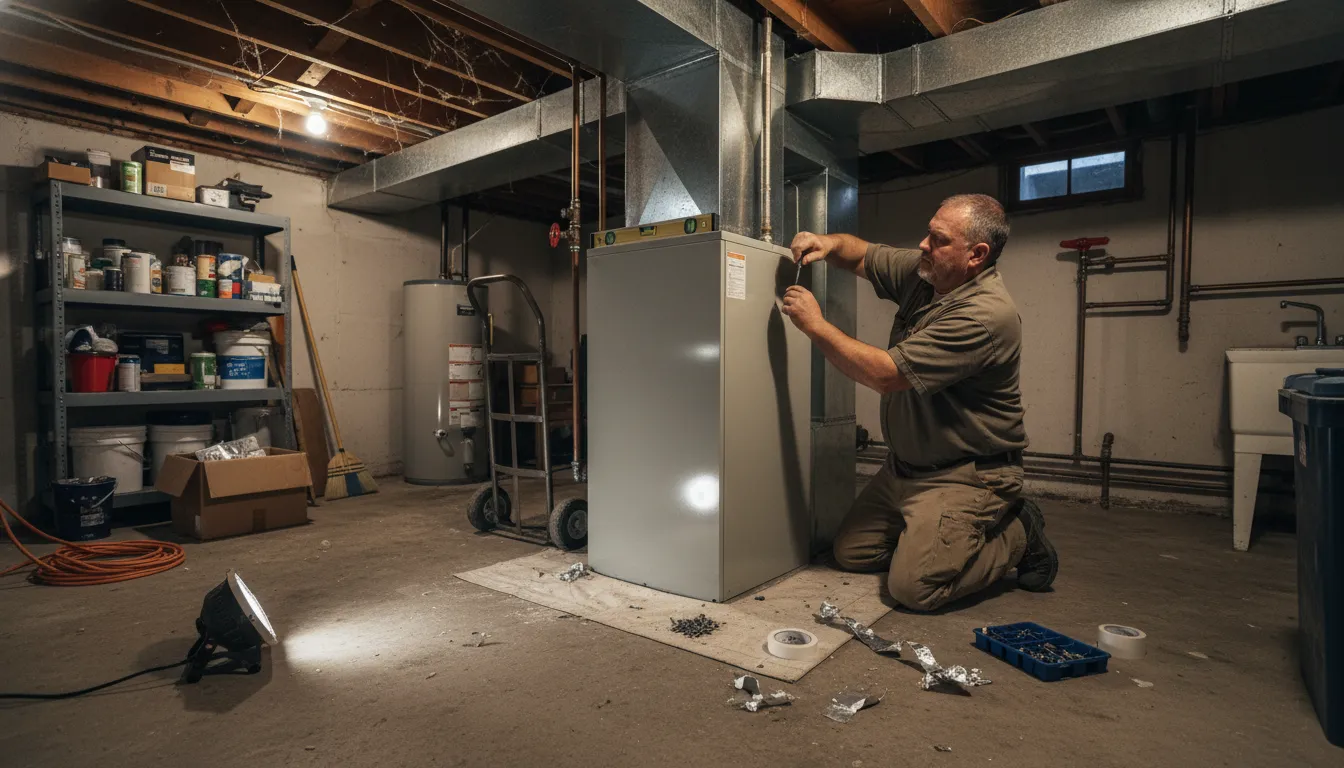
Professional installation is non-negotiable for safety, efficiency, and compliance with Connecticut building codes 9 10. A proper installation follows a meticulous process:
- Initial Assessment and Selection: A licensed technician will evaluate your current system, assess your home's insulation and layout, and perform heating load calculations. They will then discuss the best furnace type, size, and efficiency rating for your needs and budget 11.
- Preparation and Removal: On installation day, the team will prepare the work area, safely disconnect and shut off all power and fuel lines to the old unit, and remove it from your home.
- New Unit Installation: The new furnace is carefully positioned, leveled, and connected to the existing ductwork. All electrical connections, fuel lines (gas or oil), and condensate drainage systems are meticulously installed 12.
- Venting and Safety Checks: Proper venting for combustion gases is installed according to strict state and local codes. The system undergoes rigorous testing for gas leaks, carbon monoxide production, and safe ignition. Installing carbon monoxide detectors is a mandatory and critical safety step for any home with a combustion appliance 13 14.
- System Testing and Client Walkthrough: The installer will start the system, run it through multiple heating cycles, and calibrate it for optimal performance. They should explain the basic operation of your new furnace, your thermostat, and maintenance requirements before they leave 15.
Find the perfect furnace installation & replacement contractors for your needs
Get personalized recommendations and expert advice
Incentives and Rebates for Connecticut Homeowners
Upgrading to a high-efficiency heating system can qualify you for financial incentives that help offset the initial cost. These can include:
- Manufacturer Rebates: Offered directly by furnace brands on qualifying high-efficiency models.
- Federal Tax Credits: The IRS may offer energy efficiency tax credits for certain qualified systems. Consult a tax professional for current details.
- Utility Company Incentives: Local energy providers like Eversource or UI often have rebate programs for customers who install ENERGY STAR® certified heating equipment. Always check with your utility provider for the latest offers.
Signs You Need a Furnace Replacement
How do you know if it's time for a repair or a full replacement? Consider a new furnace if you notice:
- Age: Your furnace is over 15 years old.
- Rising Bills: Your heating costs are increasing year-over-year without a change in usage.
- Frequent Repairs: You're calling for service multiple times a season.
- Uneven Heating: Some rooms are too cold while others are too hot.
- Unusual Noises: Loud banging, screeching, or rumbling sounds.
- Yellow Burner Flame: A healthy gas furnace flame is blue. A yellow flame can indicate a dangerous problem like carbon monoxide production.
Maintaining Your New Furnace
Protect your investment and ensure long-term efficiency with regular maintenance. This includes an annual professional tune-up before each heating season, which involves cleaning components, checking for wear, and verifying safe operation. Regularly changing your air filter (every 1-3 months) is the simplest and most important task you can do to maintain airflow and system efficiency.
Frequently asked questions
Sources
Footnotes
-
Choose the Right Heating System for Your Connecticut Home - https://heatingrepairct.com/how-to-choose-the-right-heating-system-for-your-connecticut-home/ ↩
-
How to Choose a Furnace Based on Your Climate - AC Direct - https://www.acdirect.com/blog/how-to-choose-a-furnace-based-on-climate/ ↩
-
Exploring America's Preferred Heating Systems with State-by- ... - https://www.acdirect.com/blog/exploring-americas-preferred-heating-systems-with-state-by-state-analysis/ ↩
-
Furnace Installation Services in New Haven - https://a-teamplumbingandhvac.com/furnace-installation/ ↩
-
Understanding the Benefits of a Heat Pump in New England - https://www.lawrenceairsystems.com/understanding-the-benefits-of-a-heat-pump-in-new-england ↩
-
Connecticut Furnace Guide: Residential Installs and ... - https://egreenhvac.com/blog/connecticut-furnace-guide-residential-installs-and-replacements/ ↩
-
Furnace Replacement Costs Explained: 5 key factors - https://www.degreeheatingandcooling.com/news/furnace-replacement-costs-explained-5-key-factors/ ↩
-
How Much Does it Cost to Replace Your Furnace? - Synchrony - https://www.synchrony.com/blog/home/furnace-replacement-cost ↩
-
Furnace Installation & Replacement in New Haven, CT - https://www.airspecialtiesac.com/furnace-installation-replacement-new-haven-county-ct/ ↩
-
2015 IMC portion of the 2018 CT State Building Code - UpCodes - https://up.codes/viewer/connecticut/imc-2015/chapter/3/general-regulations ↩
-
Different Types of Furnaces for Your Home Heating Needs - https://totalcomfortcooling.com/different-types-of-furnaces-for-your-home-heating-needs/ ↩
-
What Are the Steps of Installing a Furnace? - https://dauriahvac.com/what-are-the-steps-of-installing-a-furnace/ ↩
-
Requirements for Boiler & Furnace Installations and Replacements - https://www.middletownct.gov/DocumentCenter/View/14874/Boiler--Furnace-Requirements- ↩
-
2012 Connecticut Code Summary - CT.gov - https://portal.ct.gov/-/media/DAS/OEDM/2015-CD-HO/hvac_handouts.pdf ↩
-
Furnace Installation Process From Start to Finish | Fire & Ice - https://indoortemp.com/resources/furnace-installation-process ↩