Find the Best Furnace Installation & Replacement Contractors for Your Business
No obligation • Fast responses • Nationwide coverage

Why you can trust HVAC Firms
HVAC Firms is a leading United States resource for evaluating HVAC service providers. Our team researches companies, checks credentials, and reviews customer feedback to present clear, unbiased information. Listings and rankings are based on merit, and companies cannot pay to change our editorial content.
Search providers near you
Top Furnace Installation & Replacement Contractors in Casa Grande, Arizona Ranked
Choosing the right heating system for your Casa Grande home is a significant decision that impacts your comfort, energy bills, and home's value. While our famously hot summers dominate the conversation, the desert's mild winters and occasional cold snaps make a reliable furnace or heating system essential. This guide will help you understand your options for residential heating installation and replacement, from system types and costs to the installation process, so you can make an informed choice and connect with qualified local professionals.
AC Repair Near Me
77 W Chicago St Unit 4, Chandler, AZ 85225
AC Repair Near Me is a locally owned HVAC company serving Phoenix, AZ, and surrounding areas. They offer a full range of heating and cooling services including AC and furnace repair, installation, maintenance, and duct cleaning. The company is equipped to handle emergency repairs and provides 24/7 availability to address urgent HVAC issues. Their technicians are certified and experienced, using advanced diagnostic technology to ensure proper service. AC Repair Near Me emphasizes thorough inspections before work begins and offers customized maintenance plans to keep systems running efficiently.
AZ Home Services Group of Queen Creek
23010 S 208th St, Queen Creek, AZ 85142
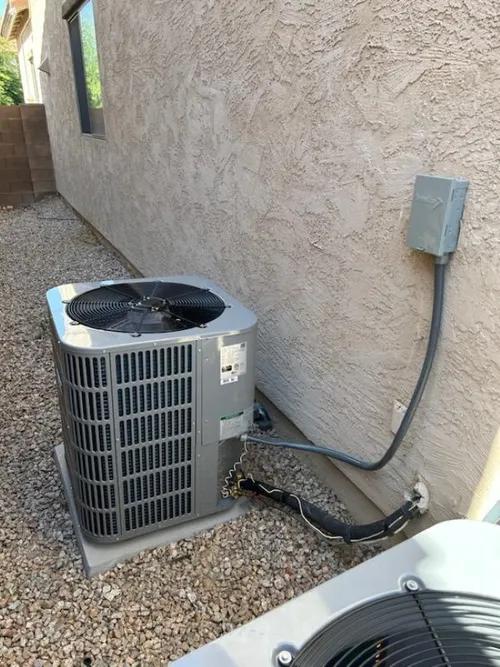
AZ Home Services Group of Queen Creek is a full-service HVAC and plumbing company serving the Queen Creek, AZ area. They provide air conditioning repair and installation, furnace and heat pump installation, mini-split systems, thermostat installation, and HVAC tune-ups. The company works with major brands like Goodman, Carrier, Trane, and Rheem, offering tailored HVAC solutions based on home size and insulation. They also handle plumbing services including leak detection, water softener installation, and water heater replacement. AZ Home Services Group offers 24/7 emergency AC repair to address urgent cooling needs in the hot Arizona climate.
HVAC Near Me
947 W Redwood Dr, Chandler, AZ 85248
HVAC Near Me is an HVAC repair and installation company serving Phoenix, AZ, and the surrounding metro area. They offer a wide range of services including air conditioner, heat pump, furnace, and ductless system repair and installation, as well as thermostat installation and duct cleaning. The company provides 24/7 same-day and emergency HVAC services and works with most major air conditioner brands. Their technicians are licensed, bonded, insured, and receive ongoing training to maintain service quality. HVAC Near Me serves numerous cities across the Phoenix valley, ensuring comprehensive coverage for residential and commercial customers.
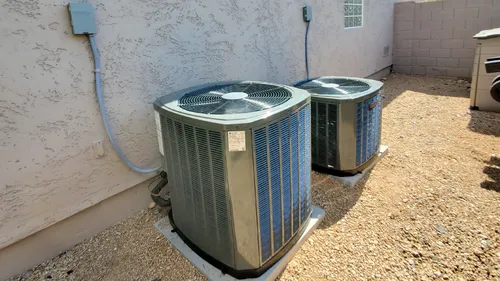
Arizona Cooling and Heating Specialists LLC
2565 W Goldmine Mountain Dr, Queen Creek, AZ 85142
Arizona Cooling and Heating Specialists LLC is a family-owned HVAC company based in Queen Creek, AZ, serving Chandler and the Phoenix Metro Area. They provide a range of heating and cooling services including AC and furnace repair, installation, and HVAC tune-ups. With over 20 years of experience, they offer comprehensive HVAC solutions for both residential and commercial clients.
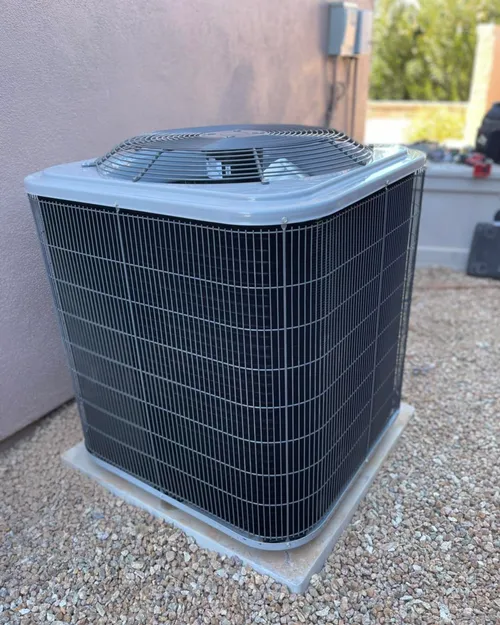
Ragan’s Heating & Air
Mesa, AZ
Ragan's Heating & Air is an HVAC and plumbing service provider based in Mesa, AZ. They offer a range of heating, cooling, and ventilation services including installation, maintenance, and repairs. Their expertise includes Trane HVAC systems, water heater solutions, and plumbing services. The company serves multiple locations in the greater Mesa area, including Chandler, Scottsdale, Tempe, and Phoenix among others.
Understanding Casa Grande's Unique Heating Needs
Casa Grande's climate presents a unique set of considerations for homeowners selecting a heating system. With long, intensely hot summers and short, mild winters, your heating system operates differently than it would in colder climates. The primary demand is for powerful air conditioning, but when the temperature drops-especially on clear desert nights-an efficient and responsive heating system is necessary for comfort.
The most critical factor is that heating is a secondary, though important, concern compared to cooling. This means the ideal system often provides both functions efficiently. Furthermore, proper system sizing is paramount. An oversized furnace will short-cycle, turning on and off frequently, which wastes energy, increases wear, and fails to properly dehumidify your air during the cooling season. An undersized unit will struggle to heat your home on the coldest days. A professional Manual J load calculation, performed by a qualified technician, is the only way to ensure correct sizing.
Air quality is another key consideration. Forced-air systems are standard, but the dry, dusty environment means integrating high-quality air filtration is crucial for maintaining a healthy indoor atmosphere 1.
Primary Heating System Options for Casa Grande Homes
Given the local climate and infrastructure, homeowners typically choose between two main types of systems: natural gas furnaces and electric systems, including heat pumps and electric furnaces 2.
Natural Gas Furnaces
For homes with access to a municipal natural gas line, a gas furnace is the most common and traditional choice in Arizona 3. These systems provide powerful, rapid heat, which is ideal for quickly warming a home during the desert's rapid evening temperature drops.
- How They Work: A gas furnace burns natural gas to heat a metal heat exchanger. Air from your home is blown across this hot exchanger, warms up, and is then circulated through your ductwork.
- Benefits: Modern high-efficiency gas furnaces can achieve Annual Fuel Utilization Efficiency (AFUE) ratings of up to 98%, meaning nearly all the fuel is converted into heat for your home 4. They generally have lower operating costs over time compared to standard electric resistance heating and provide the fastest heating response.
- Considerations: The upfront installation cost is typically higher than for an electric furnace. They require proper venting (usually through a roof or sidewall) and a gas line connection, which must be installed by a licensed professional for safety 5.
Electric Heat Pumps
Heat pumps are an increasingly popular and efficient option for Casa Grande's balanced climate needs 6. They function as a two-in-one system, providing both heating and cooling from a single unit.
- How They Work: In cooling mode, a heat pump works like a standard air conditioner, removing heat from inside your home and releasing it outdoors. In heating mode, the process reverses-it extracts available heat from the outside air (even when it's cool) and transfers it indoors.
- Benefits: Their primary advantage is incredible efficiency for both heating and cooling. Since they move heat rather than generate it, they can deliver over 300% efficiency (measured as HSPF for heating). This makes them extremely cost-effective to operate, especially in a climate with mild heating demands 7. They also eliminate the need for separate indoor and outdoor units for heating and cooling.
- Considerations: Their heating capacity can diminish in very cold temperatures (typically below freezing), though this is rarely a concern in Casa Grande. Many modern models include auxiliary electric resistance heat strips to provide supplemental warmth if needed.
Electric Furnaces
Electric furnaces are a simpler alternative, often chosen in areas without natural gas service or for homes with specific installation constraints.
- How They Work: These systems use electrical resistance heating (like a large space heater) to warm elements. Air is blown across these hot elements and distributed through the ducts.
- Benefits: They have lower upfront equipment and installation costs, are simpler to install, and generally require less maintenance than combustion-based systems. There is no risk of gas leaks or need for venting.
- Considerations: Their operating cost is usually the highest, as electricity is often a more expensive fuel source per unit of heat than natural gas in Arizona. They are best suited for smaller homes or areas where heating needs are minimal.
Find the perfect furnace installation & replacement contractors for your needs
Get personalized recommendations and expert advice
The Professional Installation Process: What to Expect
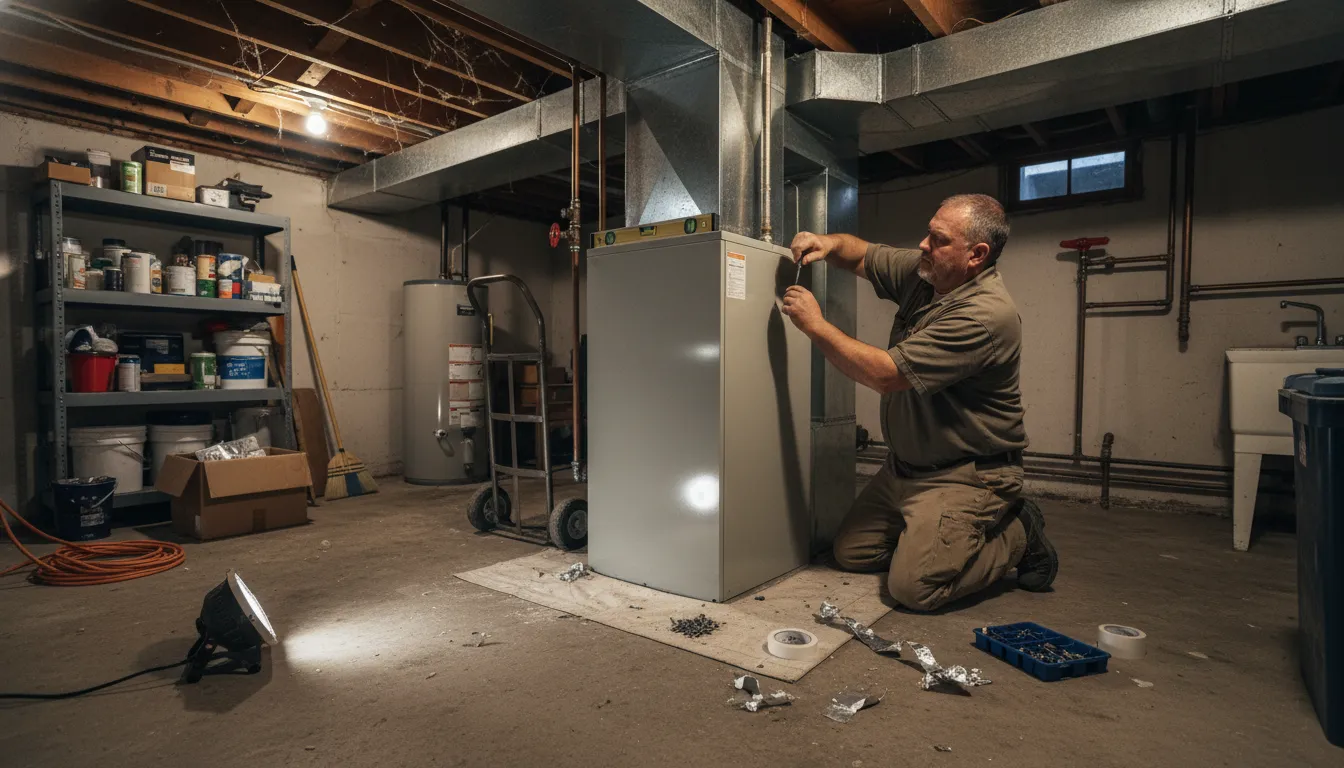
A professional installation is non-negotiable for safety, efficiency, and warranty validation. A proper furnace or heat pump installation in Casa Grande typically follows a structured process that can often be completed within a single day.
- Initial Assessment and Load Calculation: A certified technician will visit your home to assess your needs. This includes performing a Manual J load calculation, which considers your home's square footage, insulation, window types, and orientation to determine the precise system size required-not a rule-of-thumb guess 8.
- System Selection and Estimate: Based on the assessment, the contractor will recommend suitable systems, discuss efficiency ratings (like AFUE for furnaces or SEER/HSPF for heat pumps), and provide a detailed, itemized written estimate covering all equipment and labor.
- Preparation and Permitting: Before installation day, the contractor will secure any required local building permits. They will also discuss preparing the work area, such as clearing space around the existing unit and ensuring safe access.
- Safe Removal of Old Equipment: The crew will safely disconnect and remove your old heating system. This involves shutting off gas and electrical lines, disconnecting ductwork, and properly disposing of the old unit according to environmental regulations.
- New System Installation: The new furnace or air handler is positioned, leveled, and secured. Technicians will then make all critical connections:
- Ductwork: Securing and sealing new connections to prevent air loss.
- Fuel/Power: Connecting gas lines (for furnaces) with leak testing or electrical wiring.
- Venting: Installing new PVC or metal vent pipes for combustion gases (for furnaces) or the condensate drain line.
- Refrigerant Lines: For heat pumps, connecting and charging the refrigerant lines between the indoor and outdoor units.
- System Startup and Testing: This is the most critical phase. The technician will start the system, check for gas leaks (if applicable), test electrical components, verify proper airflow, and calibrate the thermostat. They will ensure the system cycles correctly and meets all manufacturer specifications 9.
- Homeowner Orientation: A final walkthrough is conducted. The technician will explain how to operate your new thermostat, change the air filter, and outline a basic maintenance schedule to keep your system running efficiently for years to come 10.
Cost Breakdown for Furnace Installation & Replacement
The total cost for a new heating system installation in Casa Grande can vary widely based on the system type, efficiency, and home-specific requirements. Generally, homeowners can expect a total project cost ranging from $3,500 to $10,00011 12. Below is a typical breakdown:
| Factor | Average Cost Range | Notes |
|---|---|---|
| Total Installation Cost | $4,000 - $8,000 | The complete project price, highly dependent on system type and home requirements. |
| Furnace Unit Only | $2,500 - $6,500+ | High-efficiency models (95%+ AFUE) command a premium but offer long-term savings 13. |
| Heat Pump System | $4,500 - $8,500+ | Includes both indoor and outdoor units; cost varies by efficiency (SEER/HSPF rating). |
| Labor Costs | ~$1,500+ | Varies based on installation complexity, local rates, and job duration. |
| Additional Costs | $500 - $2,000+ | May include new ductwork, upgraded electrical service, new thermostats, or air quality enhancements. |
It is essential to obtain multiple itemized estimates from licensed, insured, and well-reviewed local contractors. The lowest price is not always the best value; consider the quality of the equipment, the warranty offered, and the reputation of the installer.
Key Features and Efficiency Ratings to Consider
When comparing systems, understanding these key terms will help you choose the best long-term investment:
- AFUE (Annual Fuel Utilization Efficiency): The standard measure for gas furnace efficiency. It represents the percentage of fuel converted to heat. In Casa Grande, a rating of 90% or higher is recommended for cost savings 14 15.
- SEER (Seasonal Energy Efficiency Ratio): Measures air conditioning or heat pump cooling efficiency. The higher the SEER, the more efficient the cooling. Minimum standards are 14-15 SEER, but models up to 20+ SEER are available.
- HSPF (Heating Seasonal Performance Factor): The heating efficiency rating for heat pumps. A higher HSPF (8.2 or above is considered high-efficiency) means lower heating costs.
- Variable-Speed Technology: Found in premium furnaces and air handlers. A variable-speed blower motor adjusts its output to match your home's exact needs, improving comfort, humidity control, and efficiency while operating more quietly.
- Two-Stage or Modulating Gas Valves: In furnaces, these allow the unit to operate at a lower, more efficient capacity most of the time, only ramping up to full power on the coldest days. This reduces temperature swings and improves efficiency.
Maintaining Your New Heating System
Protecting your investment requires regular maintenance. For a gas furnace, an annual professional tune-up before the heating season is crucial. This includes inspecting the heat exchanger for cracks, cleaning the burner assembly, checking gas pressure, and testing safety controls 16. For heat pumps, biannual service (before summer and winter) is ideal to ensure both cycles operate efficiently. Homeowners should also commit to changing the air filter every 1-3 months, especially in our dusty climate, to maintain airflow and indoor air quality.
Frequently asked questions
Sources
Footnotes
-
What Type Of Heating Systems Do Most Arizona Homes Have? - https://everestairaz.com/what-type-of-heating-systems-do-most-arizona-homes-have/ ↩
-
Types of Home Heating Systems - Chas Roberts - https://www.chasroberts.com/types-home-heating-systems/ ↩
-
The Most Common Heating Systems in Arizona - https://shadrachplumbingcooling.com/blog/the-most-common-heating-systems-in-arizona/ ↩
-
Are Gas Or Electric Furnaces Recommended In Arizona? - https://www.penguinair.com/blog/are-gas-or-electric-furnaces-recommended-in-arizona/ ↩
-
Gas Furnaces in Casa Grande | Al & Riley's - https://alandrileys.com/gas-furnaces/ ↩
-
Gas or Heat Pump: Which One to Choose for Arizona Homes? - https://forbesrefrigeration.com/blog/gas-or-heat-pump-for-arizona-homes/ ↩
-
A Visual Cost Comparison of Heating Options for Your Home - https://www.fixr.com/articles/a-visual-cost-comparison-of-heating-options-for-your-home ↩
-
New Furnace Installation Guide: Paragon Service Pros in 2025 - https://www.paragonservicepros.com/install-new-furnace/ ↩
-
Steps to a Smooth Heating Installation Process - https://www.aacoolingaz.com/blog/heating-installation-process-steps ↩
-
Burnsville Furnace Install & Replacement | Climate Masters - https://cmheatingandairburnsville.com/hvac-services/heating/furnace-install-replacement/ ↩
-
Arizona Heating Installation Services - Ground Zero Plumbing - https://www.groundzeroplumbingac.com/heating-services/installation/ ↩
-
The Cost of a Gas Furnace with Installation in Denver, CO - https://plumblineservices.com/help-guides/the-cost-of-a-gas-furnace-with-installation-in-denver-co ↩
-
How Much Does a New Furnace Cost? - https://www.wilsonsair.com/wilsons-resources/blogs/how-much-does-a-new-furnace-cost ↩
-
The Gas Furnace Buying Guide for Arizona Residents - https://howardair.com/blog/the-gas-furnace-buying-guide-for-arizona-residents/ ↩
-
Blog - Az Comfort Air - https://az-comfortair.com/blog/furnace-buying-guide-for-arizona-homeowners-efficiency-sizing-and-maintenance-explained ↩
-
$59 HVAC Tune-Up & More - Western Air Cooling & Heating, Palm Desert Call Western Air Cooling And Heating - https://callwesternair.com/59-hvac-tune-up-more-western-air-cooling-heating-palm-desert/ ↩