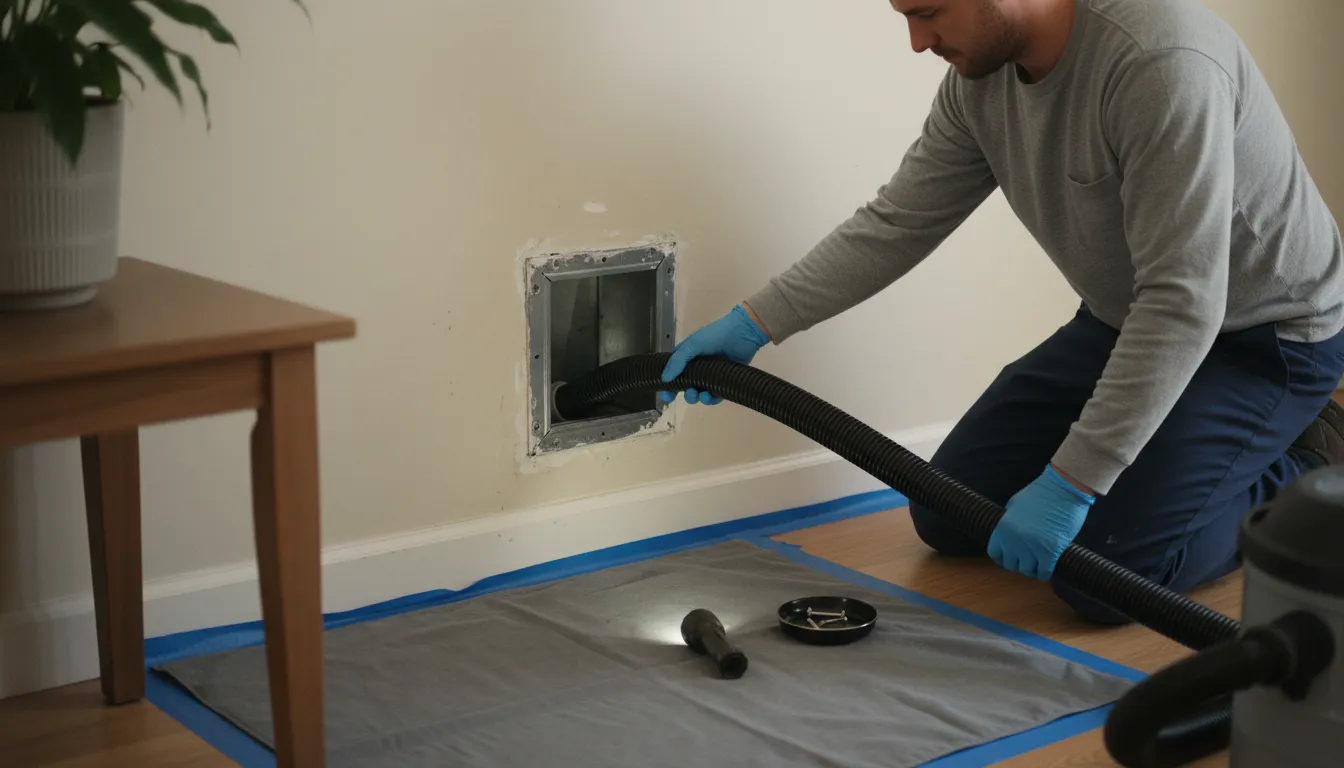
Find the Best Duct Cleaning Companies for Your Business
No obligation • Fast responses • Nationwide coverage

Why you can trust HVAC Firms
HVAC Firms is a leading United States resource for evaluating HVAC service providers. Our team researches companies, checks credentials, and reviews customer feedback to present clear, unbiased information. Listings and rankings are based on merit, and companies cannot pay to change our editorial content.
Search providers near you
Best Duct Cleaning Companies in Illinois Ranked
Maintaining clean air ducts is a key part of home maintenance that directly impacts your indoor air quality and HVAC system efficiency. Over time, dust, allergens, pet dander, and other debris accumulate in your ductwork, circulating throughout your home every time your system runs. For Illinois residents, this service helps manage common issues like seasonal allergens, humidity, and post-renovation dust. This guide explains what professional duct cleaning involves, when it's necessary, and how to find qualified local specialists to ensure your home's air is clean and your system runs smoothly.
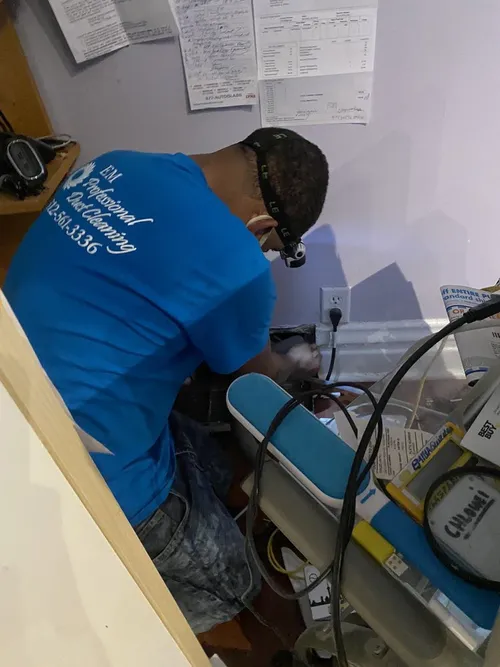
EM Duct Cleaning Chicago
6124 N Milwaukee Ave #3, Chicago, IL 60646
EM Duct Cleaning Chicago is a local company providing professional air duct cleaning and indoor air quality services in Chicago, IL. They serve homes and small to medium-sized commercial properties, focusing on removing dust, dirt, mold, and allergens from HVAC systems and ductwork to improve air quality and system efficiency. Their services include air duct cleaning, dryer vent cleaning, chimney cleaning, UV light installation, mold removal, odor elimination, and filter replacement. With over eight years in the cleaning industry, EM Duct Cleaning uses EPA-approved, environmentally friendly solutions and state-of-the-art equipment to ensure thorough cleaning and sanitization. The company is fully licensed and insured and offers free HVAC inspections with every job.
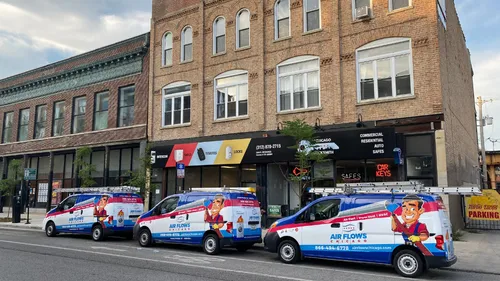
Air Flows Chicago - Belmont
3019 W Belmont Ave, Chicago, IL 60618
Air Flows Chicago - Belmont provides comprehensive HVAC, chimney, and indoor air quality services in Chicago, IL. They offer heating and cooling system installation, repair, and maintenance, including furnaces, boilers, air conditioners, ductless systems, and heat pumps. The company also specializes in chimney sweeping, inspection, and liner services, as well as dryer vent cleaning and repair. Their air duct cleaning and installation services help improve indoor air quality, supported by UV germicidal light installations, humidifiers, and air cleaners. Air Flows Chicago serves both residential and commercial clients and offers 24/7 emergency repair services to minimize downtime.

AAA Cleaning Services INC
1004 Westchester Cir, Schaumburg, IL 60193
AAA Cleaning Services INC provides residential and commercial air duct and dryer vent cleaning in Chicago, IL. The company focuses on improving indoor air quality by removing pollutants such as dust mites, pollen, mildew, and pet dander that can affect health and HVAC system performance. Their services help enhance air quality, prepare HVAC systems for seasonal changes, and improve system efficiency and lifespan. The team is knowledgeable and pet-friendly, offering support and information about indoor air quality and HVAC maintenance.
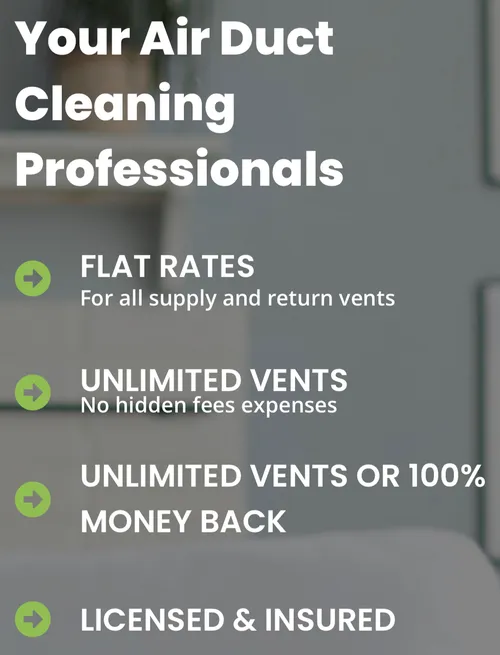
The Home Duct Cleaning
2735 Hassert Blvd, Naperville, IL 60564
The Home Duct Cleaning is a duct cleaning company serving Chicago, IL. They specialize in cleaning HVAC systems and dryer vents, focusing on removing dust, debris, and potential hazards to improve air quality. The company is known for thorough service and attention to detail, ensuring homes feel fresher and systems run more efficiently. Customer feedback highlights their expertise and professionalism throughout the cleaning process.
Air Duct Maintenance Solutions LLC
Chicago, IL 60618
Air Duct Maintenance Solutions LLC is a family-owned duct cleaning company based in Chicago, IL. The business is built on three generations of family commitment and focuses on maintaining clean homes throughout the year. They serve Chicago and its suburban areas, aiming to build lasting trust and relationships with their clients through consistent service.
What is Professional Duct Cleaning?
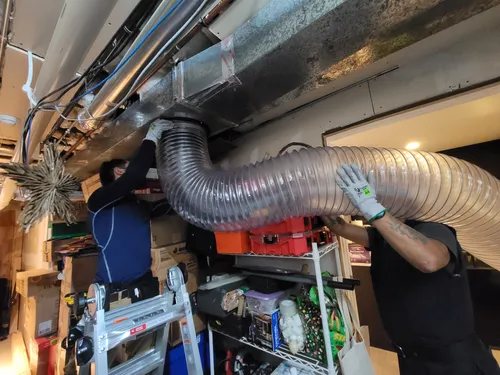
Professional air duct cleaning is a systematic process designed to remove contaminants from your home's entire forced-air HVAC system. It's far more than just vacuuming a few vents. A thorough service follows industry best practices, often guided by standards from the National Air Duct Cleaners Association (NADCA), to ensure a comprehensive clean.
The process typically involves several key steps:
- Inspection: Technicians use specialized cameras to visually assess the level of dust, mold, or debris inside your ducts, at the air handler coils, and within drip pans.
- Preparation: Vents and registers not actively being cleaned are sealed, and nearby furniture may be covered to prevent the redistribution of dust.
- Agitation & Vacuuming: This is the core of the cleaning. Technicians use specialized brushes, air whips, or compressed air tools to loosen debris adhered to duct surfaces. Simultaneously, a powerful, truck-mounted or portable HEPA-filtered vacuum system captures the loosened particles, preventing them from escaping into your living space.
- Cleaning System Components: A complete service addresses all parts of the system, including supply and return air ducts, registers, grilles, diffusers, heat exchangers, cooling coils, fan motors, and condensate drain pans.
- Optional Treatments: Some companies may offer the application of biocides or sanitizers. It's important to use these treatments sparingly and only when a specific microbial problem has been identified, not as a routine part of cleaning.
When Should You Clean Your Air Ducts in Illinois?
Routine cleaning on an arbitrary schedule is often unnecessary. Instead, cleaning should be based on specific conditions or events. The Illinois Department of Public Health (IDPH) emphasizes focusing on the source of contamination rather than routine cleaning.
General Guidelines:
- Every 3-5 Years: This is a standard recommendation for most homes without specific aggravating factors.
- Every 2-3 Years: Homes with pets that shed, residents who smoke indoors, or occupants with allergies, asthma, or other respiratory conditions may benefit from more frequent cleaning1 2.
- Immediately After: Cleaning is highly recommended after major home renovations, construction, or any incident involving water damage that may have introduced mold, dust, or moisture into the ductwork 3.
Key Indicators You Need Cleaning:
- Visible Mold Growth: If you see mold on hard surfaces inside your ducts or on other components of your heating and cooling system. Note: Suspected mold should be verified and addressed by a professional.
- Pest Infestation: Evidence of insects or rodents in the ducts.
- Excessive Debris: Noticeable dust or debris is being released from supply registers, or the registers and grilles are clogged with dust.
- Restricted Airflow: A persistent, unexplained reduction in airflow from your vents can indicate a significant blockage4 5.
The IDPH also highlights that poor indoor air quality is often linked to inadequate ventilation. High carbon dioxide (CO2) levels (over 1000 ppm) can signal that a home is not bringing in enough fresh air, which can concentrate pollutants6. While duct cleaning removes accumulated sources, improving overall ventilation is a critical complementary strategy for healthy indoor air.
Find the perfect duct cleaning companies for your needs
Get personalized recommendations and expert advice
Understanding the Cost of Duct Cleaning in Illinois
The price for residential duct cleaning in Illinois can vary widely based on several factors. Homeowners can expect a range, with most whole-home services falling between $400 and $1,000 or more. For very large homes, complex systems, or those with severe contamination, costs can exceed this range.
How Pricing is Structured:
- Per Square Foot: Some companies charge based on the livable area of your home, typically between $0.15 and $0.30 per square foot7.
- Per Vent/Register: A common method is to charge per vent or register (e.g., supply and return grilles), often around $35 per vent, plus a separate charge for the main trunk lines8 9 10.
- Flat Rate/System Price: Many reputable providers will quote a flat rate for the entire system after an initial assessment.
Factors That Influence Cost:
- Home Size & System Complexity: Larger homes with more vents and longer duct runs cost more.
- Accessibility: Easily accessible ductwork in an open basement or attic is simpler than ducts enclosed in walls or ceilings.
- Level of Contamination: Heavily soiled ducts from pets, smoking, or neglect may require more time and effort.
- Additional Services: Cleaning the furnace blower, coils, and dryer vent (highly recommended) will add to the total cost.
Always get detailed written estimates from multiple providers that clearly state what is and is not included in the price.
Choosing a Qualified Duct Cleaning Provider in Illinois
Not all duct cleaning services are created equal. Due diligence is essential to avoid scams and ensure effective, safe work.
What to Look For:
- Certifications: Look for companies with technicians certified by NADCA. This indicates training in proper cleaning standards and ethics.
- Proof of Insurance: The company should carry general liability insurance.
- Detailed Process Explanation: A reputable provider will clearly explain their process, the equipment they use (e.g., HEPA vacuums), and what they will clean.
- No "Too-Good-To-Be-True" Deals: Be wary of companies offering extremely low, whole-house rates (e.g., $99). These are often scams that do a superficial job or use high-pressure tactics to sell unnecessary add-ons.
- References & Reviews: Check the company's standing with the Better Business Bureau and read customer reviews on independent platforms.
Questions to Ask Before Hiring:
- Can you show me before-and-after photos or video from the inspection camera?
- Do you use HEPA-filtered vacuum equipment?
- Will you protect my carpets and furniture during the cleaning?
- What specific components of my HVAC system will be cleaned (e.g., coils, blower motor, drain pan)?
- Can you provide a written agreement detailing the scope of work and total cost?
The Connection Between Duct Cleaning and Indoor Air Quality
While duct cleaning is not a cure-all for indoor air quality (IAQ) problems, it is an important component of a holistic approach. The primary benefit is the removal of a significant reservoir of dust and allergens. When your HVAC fan turns on, it can stir up these settled particles, sending them back into your breathing air. Removing this source can lead to less dust on surfaces and a reduction in airborne irritants, which is particularly helpful for sensitive individuals11.
It's crucial to manage expectations. Duct cleaning will not eliminate all dust or solve IAQ issues caused by ongoing sources like outdoor pollen, cooking fumes, or chemicals from household products. For comprehensive air quality management, combine duct cleaning with:
- Using high-quality HVAC air filters and changing them regularly.
- Ensuring proper ventilation, especially during activities like cooking or cleaning.
- Controlling humidity levels to prevent mold growth (using dehumidifiers or air conditioners).
- Regular housekeeping with a HEPA-filter vacuum.
Frequently asked questions
Sources
Footnotes
-
Air Duct Cleaning Timing: When and Why to Improve Air Quality - https://thermaconservice.com/air-duct-cleaning-timing-fresh-air-quality-guide/ ↩
-
How Often Should You Clean Air Ducts? - https://airductsdoneright.com/education/how-often-should-you-clean-air-ducts/ ↩
-
What Is the Recommended Frequency for Ductwork Cleaning? - https://autumnairbirmingham.com/articles/what-is-the-recommended-frequency-for-ductwork-cleaning/ ↩
-
DOHS Fact Sheet On HVAC Duct Cleaning - ORS - https://ors.od.nih.gov/sr/dohs/Documents/fact-sheet-hvac-duct-cleaning.pdf ↩
-
The Ideal Frequency for Cleaning Your Home's Air Vents - https://www.hvaccleaning.com/air-duct-cleaning-frequency ↩
-
IDPH Guidelines for Indoor Air Quality - Illinois.gov - https://dph.illinois.gov/topics-services/environmental-health-protection/toxicology/indoor-air-quality-healthy-homes/idph-guidelines-indoor-air-quality.html ↩
-
Air Duct Cleaning Costs - HVAC System Guide - Modernize - https://modernize.com/hvac/air-duct-cleaning-costs ↩
-
How Much Does Air Duct Cleaning Cost? [2026 Data] | Angi - https://www.angi.com/articles/how-much-does-air-duct-cleaning-cost.htm ↩
-
How Much Does Air Duct Cleaning Cost? - NerdWallet - https://www.nerdwallet.com/home-ownership/home-improvement/learn/air-duct-cleaning-cost ↩
-
How Much Does Air Duct Cleaning Cost - Nagler Duct & Dryer Vent Cleaning, LLC - https://www.naglerducts.com/how-much-does-air-duct-cleaning-cost/ ↩
-
Duct Cleaning and Indoor Air Quality: A Comprehensive Guide - https://nadca.com/blog/duct-cleaning-and-indoor-air-quality-comprehensive-guide ↩