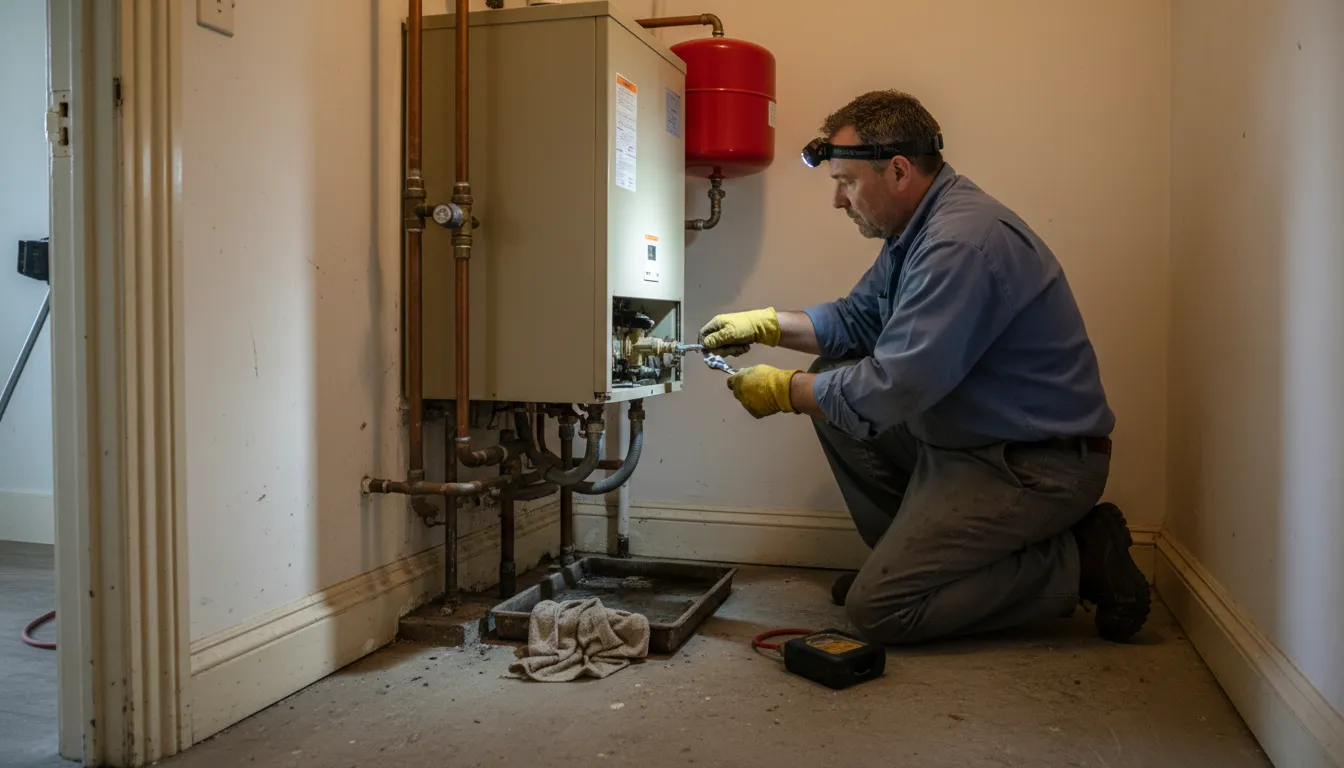
Find the Best Boiler Repair Contractors for Your Business
No obligation • Fast responses • Nationwide coverage

Why you can trust HVAC Firms
HVAC Firms is a leading United States resource for evaluating HVAC service providers. Our team researches companies, checks credentials, and reviews customer feedback to present clear, unbiased information. Listings and rankings are based on merit, and companies cannot pay to change our editorial content.
Search providers near you
Top Boiler Repair Contractors in Kirkland, Washington Ranked
For Kirkland homeowners, a reliable hydronic heating system is essential for comfort during our mild but damp Pacific Northwest winters. Boiler repair and maintenance services ensure your home's water or steam-based heating-whether it feeds radiators, baseboards, or radiant floors-operates safely and efficiently. This guide helps you understand your system, recognize when it needs attention, and make informed decisions between fixing an existing unit and investing in a new, high-efficiency model.
AAA Heating & Air Conditioning
4150 Lind Ave SW, Renton, WA 98057
AAA Heating & Air Conditioning is a local HVAC contractor serving Seattle, WA, and the surrounding Puget Sound area. They offer a wide range of heating and cooling services including installation, repair, and maintenance for air conditioners, furnaces, heat pumps, and boilers. The company also provides indoor air quality services such as duct cleaning and duct sealing to help improve home air quality. With over 30 years of experience since 1989, AAA Heating & Air Conditioning is equipped to handle common repairs efficiently with fully stocked trucks and offers 24/7 emergency service for air conditioning issues.
Eagle Pipe Heating & Air
5634 NE Minder Rd Suite C-102, Poulsbo, WA 98370
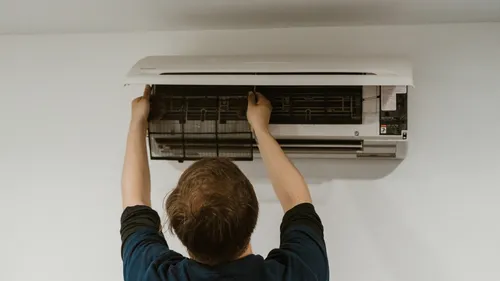
Eagle Pipe Heating & Air is an HVAC and plumbing company serving Seattle, WA, and the broader Pacific Northwest. They offer a range of services including installation, repair, and maintenance of heating and cooling systems such as furnaces, air conditioners, heat pumps, boilers, and ductless mini splits. The company also provides indoor air quality solutions, gas piping, and water heater services, including tankless and heat pump water heaters. Known for custom duct design and oil-to-gas conversions, Eagle Pipe Heating & Air focuses on energy-efficient and safe home comfort solutions. Their maintenance plan includes a 37-point checklist to help extend equipment life and reduce repairs. The company has established a strong presence in the region with a commitment to customer satisfaction and a comprehensive service offering.
Gene Johnson Plumbing
10011 Greenwood Ave N, Seattle, WA 98133
Gene Johnson Plumbing is a boiler repair and HVAC tune-up company based in Seattle, WA. They specialize in diagnosing and repairing complex home heating systems, including hydronic loops and cast iron radiators. Their technicians have demonstrated expertise in managing intricate piping and control systems, successfully restoring heat distribution in challenging setups. The company is known for thorough system assessments and detailed explanations of heating components and controls.
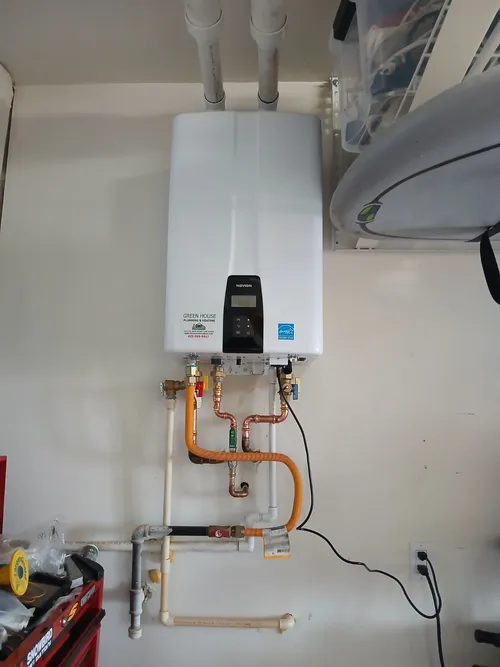
Green House Plumbing and Heating
12040 98th Ave NE, Kirkland, WA 98034
Green House Plumbing and Heating is a plumbing and HVAC contractor serving Seattle, WA, and nearby areas including Kirkland, Bellevue, Redmond, and Sammamish. They provide a wide range of services such as furnace, boiler, and heat pump repair and installation, as well as plumbing solutions like sewer line cleaning and water heater services. The company offers energy-efficient heating options and is a certified dealer of American Standard HVAC products and A.O. Smith water heaters. Green House Plumbing and Heating also provides 24/7 emergency plumbing repair services to address urgent needs.
Brennan Heating, Air Conditioning, & Electric
6414 204th St SW Suite 200, Lynnwood, WA 98036
Brennan Heating, Air Conditioning, & Electric is a home service provider based in Seattle, WA, offering heating, cooling, plumbing, electrical, and air quality solutions. Serving communities across Western Washington, they specialize in HVAC installation and repair, including furnaces, heat pumps, boilers, ductless mini-split systems, and duct cleaning. The company has been operating since 1987 and provides energy-efficient upgrades such as advanced Lennox systems and standby generators. Brennan Heating also offers 24/7 emergency services to address urgent heating and cooling needs.
Understanding Your Kirkland Home's Hydronic Heating System
Most forced-air furnaces blow heated air through ducts, but many homes in Kirkland utilize hydronic heating systems. These systems use a boiler to heat water or produce steam, which is then circulated through a network of pipes to terminal units like radiators or in-floor tubing 1. This method is prized for its consistent, even heat and quiet operation. The two most common fuel sources for boilers in our area are natural gas and electricity.
Given our local climate-characterized by chilly, wet winters rather than extreme cold-these systems often work in shorter but frequent cycles. This pattern of operation places specific demands on your boiler and its components, making understanding its type and age your first step toward effective maintenance and troubleshooting.
Common Boiler Types in the Area
- Gas-Fired Boilers: The most common type, these use natural gas to heat water. Older models are "non-condensing," while modern high-efficiency condensing boilers capture extra heat from exhaust gases, making them significantly more efficient.
- Electric Boilers: These use electric heating elements and are often simpler in design, with no need for a flue or gas line. They can be highly efficient at point-of-use but may have higher operating costs depending on local electricity rates.
- System Components: Beyond the boiler itself, key parts include circulator pumps (to move water), expansion tanks (to manage pressure), zone valves (for temperature control in different areas), and the network of pipes and emitters (like radiators).
Signs Your Boiler Needs Professional Attention
Recognizing early warning signs can prevent a minor issue from becoming a major, costly repair or a complete system failure on a cold day.
Immediate Repair Indicators:
- No Heat or Hot Water: The most obvious sign. This could stem from a faulty thermostat, a broken circulator pump, low water pressure, or a malfunctioning pilot light or ignition system.
- Unusual Noises: Banging, whistling, or gurgling sounds (often called "kettling") typically point to limescale or sludge buildup in the heat exchanger, trapped air in the system, or impending pump failure.
- Leaks or Drips: Any sign of water around the boiler or pipes requires immediate attention. Corrosion, a cracked heat exchanger, or failed seals and valves can cause leaks.
- Pilot Light Issues: A yellow or flickering flame (instead of a steady blue) on a gas boiler can indicate a dangerous carbon monoxide risk. If the pilot light frequently goes out, it signals a component failure.
Efficiency and Performance Warnings:
- Rising Energy Bills: A gradual, unexplained increase in your gas or electric bills often means your boiler is losing efficiency and working harder to maintain temperature.
- Uneven Heating: If some rooms are too cold while others are too hot, it may indicate a problem with zone valves, circulator pumps, or sludge blocking the pipes to certain radiators.
- Frequent Repairs: Needing service calls more than once a year is a strong economic signal that your system is nearing the end of its reliable service life.
Find the perfect boiler repair contractors for your needs
Get personalized recommendations and expert advice
Boiler Repair vs. Replacement: Making the Right Choice for Kirkland
This is the central dilemma for many homeowners. The decision hinges on your system's age, repair costs, and long-term value, especially with local utility incentives available.
When Repair is the Best Path
Opting for boiler repair is typically wise when:
- The unit is relatively young, generally under 10-15 years old.
- The problem is isolated and minor, such as a faulty thermostat, a single valve replacement, or bleeding air from the system.
- Repair costs are low, typically less than 30-50% of the cost of a brand-new, high-efficiency system installation 2.
- The system has otherwise provided consistent comfort and efficiency.
A professional technician can diagnose the issue and give you an honest assessment of whether a repair will restore reliable operation for several more seasons.
When Replacement Offers More Value
Investing in a new boiler installation often makes more financial and practical sense when:
- Your boiler is 15-20 years old or more. This is the typical lifespan for many units, beyond which efficiency drops and failure risk rises sharply.
- You face frequent breakdowns and multiple repair calls in a single season.
- Repair estimates approach or exceed 50% of the cost of a new system 3. Pouring money into an old unit is often a poor investment.
- You're experiencing chronic issues like uneven heating, strange noises, or steadily climbing energy bills that indicate systemic decline.
- Safety is a concern, such as signs of a cracked heat exchanger, which can leak carbon monoxide.
The Advantage of Modern High-Efficiency Boilers
New technology offers compelling reasons to upgrade. Condensing boilers can achieve efficiency ratings over 90%, extracting more heat from the same amount of fuel compared to older models. Modulating boilers adjust their heat output to match demand precisely, eliminating the on/off cycling that wastes energy. For Kirkland's climate, this means superior performance during our long, mild shoulder seasons.
Crucially, these upgrades are supported by local utility rebates. Puget Sound Energy (PSE) and other providers often offer significant incentives for installing high-efficiency heating equipment, including boilers and heat pumps. These rebates can substantially lower the upfront cost, improving the return on investment and making replacement a smarter long-term financial decision than repeatedly repairing an outdated unit.
Cost Considerations for Boiler Services
Understanding potential costs helps in budgeting and decision-making. Prices vary based on system type, part availability, and labor complexity.
- Diagnostic/Service Call: Most technicians charge a fee to inspect your system and diagnose the problem.
- Common Repairs: Costs can range from $200 to $1,000 or more. Replacing a circulator pump, thermostat, or zone valve is on the lower end, while addressing a leak or fixing a complex ignition/control board issue will be higher.
- Full System Replacement: Installing a new boiler is a significant investment, typically ranging from $5,000 to $15,000+. The final price depends on the unit's efficiency rating, capacity, fuel type (gas vs. electric), and the complexity of the installation (e.g., re-piping, adding zoning, updating venting). Remember to factor in available utility rebates, which can reduce this net cost significantly 4 5.
Maintaining Your Boiler for Longevity and Efficiency
Proactive maintenance is the key to avoiding emergencies, ensuring safety, and extending your system's life. An annual professional tune-up before heating season is highly recommended. This service typically includes:
- Inspecting and cleaning the heat exchanger, burner, and flue.
- Checking all system controls and safety devices.
- Testing water pressure and the pressure relief valve.
- Lubricating moving parts like circulator pumps.
- Looking for signs of corrosion or leaks.
Between professional visits, you can:
- Keep the area around your boiler clean and clear of clutter.
- Listen for changes in operational sounds.
- Monitor your energy bills for unusual increases.
- For steam systems, ensure the boiler's water sight glass shows the proper level.
For Kirkland residents, prioritizing long-term value is key. An older hydronic system often benefits more from replacement with a high-efficiency unit-especially with utility rebates-transforming money spent on frequent repairs into savings on future energy bills and enhanced home comfort.
Frequently asked questions
Sources
Footnotes
-
What Are The Different Types Of Heating Systems? - https://jerrykelly.com/blog/what-are-the-different-types-of-heating-systems/ ↩
-
When to Repair vs Replace Your Heating System: A Homeowner's ... - https://doornbos.com/when-to-repair-vs-replace-your-heating-system/ ↩
-
Boiler Repair vs. Replacement: Make the Right Choice - https://www.smithandcompanyhvac.com/boiler-repair-vs-replacement-how-to-make-the-right-choice/ ↩
-
Kirkland, WA - All Climate Heating & Air Conditioning - https://www.allclimate.net/service-areas/kirkland-wa/ ↩
-
Should You Repair or Replace Your Boiler Before Winter? - https://www.pelicanoplumbing.com/plumbing-tips/should-you-repair-or-replace-your-boiler-before-winter ↩