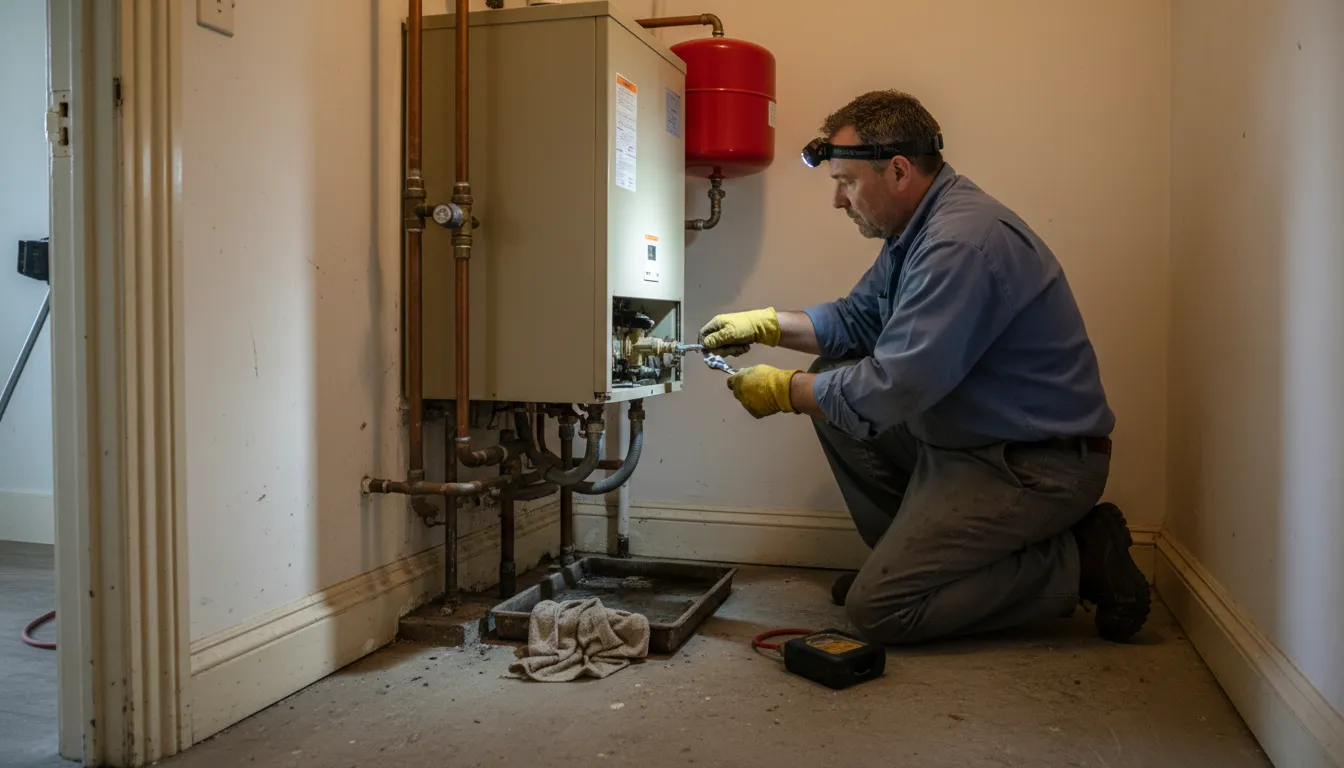
Find the Best Boiler Repair Contractors for Your Business
No obligation • Fast responses • Nationwide coverage

Why you can trust HVAC Firms
HVAC Firms is a leading United States resource for evaluating HVAC service providers. Our team researches companies, checks credentials, and reviews customer feedback to present clear, unbiased information. Listings and rankings are based on merit, and companies cannot pay to change our editorial content.
Search providers near you
Top Boiler Repair Contractors in Kent, Washington Ranked
A reliable heating system is essential for comfort in your Kent home, especially during the cool, damp Pacific Northwest winters. Boiler repair and hydronic heating services ensure your hot water or steam-based system operates efficiently and safely. This guide helps you understand your options for maintaining, repairing, or replacing your boiler, empowering you to make informed decisions and connect with qualified local professionals for your home's heating needs.
AAA Heating & Air Conditioning
4150 Lind Ave SW, Renton, WA 98057
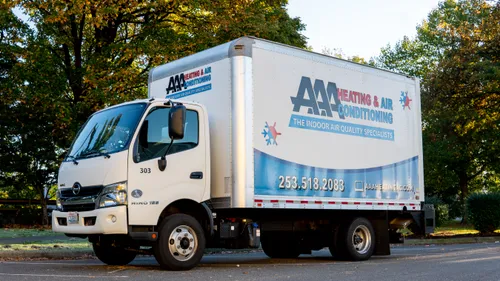
AAA Heating & Air Conditioning is a local HVAC contractor serving Seattle, WA, and the surrounding Puget Sound area. They offer a wide range of heating and cooling services including installation, repair, and maintenance for air conditioners, furnaces, heat pumps, and boilers. The company also provides indoor air quality services such as duct cleaning and duct sealing to help improve home air quality. With over 30 years of experience since 1989, AAA Heating & Air Conditioning is equipped to handle common repairs efficiently with fully stocked trucks and offers 24/7 emergency service for air conditioning issues.
Gene Johnson Plumbing
10011 Greenwood Ave N, Seattle, WA 98133
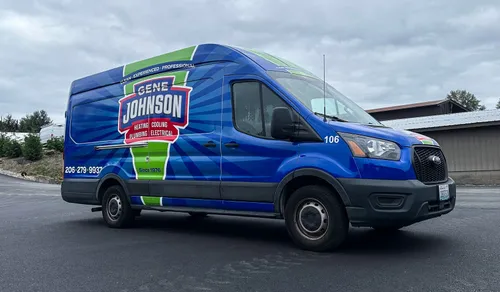
Gene Johnson Plumbing is a boiler repair and HVAC tune-up company based in Seattle, WA. They specialize in diagnosing and repairing complex home heating systems, including hydronic loops and cast iron radiators. Their technicians have demonstrated expertise in managing intricate piping and control systems, successfully restoring heat distribution in challenging setups. The company is known for thorough system assessments and detailed explanations of heating components and controls.
Green House Plumbing and Heating
12040 98th Ave NE, Kirkland, WA 98034
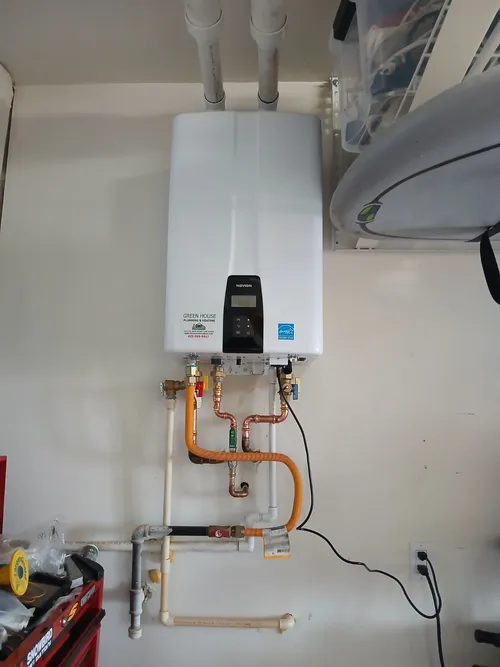
Green House Plumbing and Heating is a plumbing and HVAC contractor serving Seattle, WA, and nearby areas including Kirkland, Bellevue, Redmond, and Sammamish. They provide a wide range of services such as furnace, boiler, and heat pump repair and installation, as well as plumbing solutions like sewer line cleaning and water heater services. The company offers energy-efficient heating options and is a certified dealer of American Standard HVAC products and A.O. Smith water heaters. Green House Plumbing and Heating also provides 24/7 emergency plumbing repair services to address urgent needs.
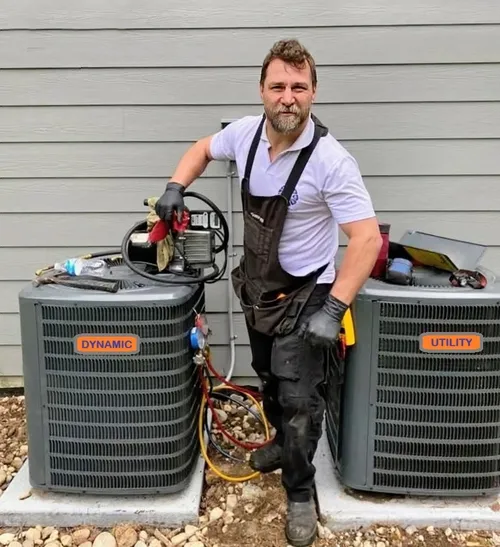
Dynamic Utility Services, Inc.
531 N 188th St, Shoreline, WA 98133
Dynamic Utility Services, Inc. is an HVAC contractor based in Seattle, WA, offering a wide range of heating and cooling services. They handle installation, repair, and maintenance of air conditioning, furnaces, heat pumps, boilers, mini split systems, geothermal heat pumps, and thermostats. The company also provides gas piping, sheet metal work, and fireplace services. Established in 2006, Dynamic Utility Services serves the greater Seattle area and offers 24-hour emergency services for urgent HVAC needs.
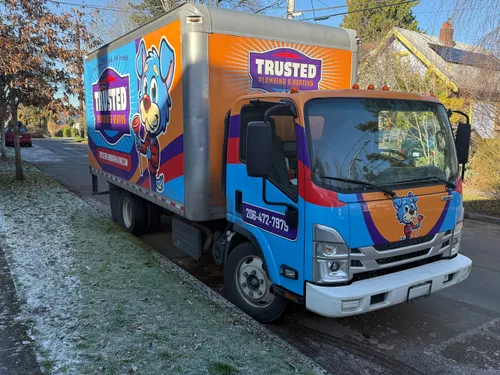
Trusted Plumbing & Heating - Renton
1201 Monster Rd SW #350, Renton, WA 98057
Trusted Plumbing & Heating - Renton is a locally owned HVAC and plumbing contractor serving Seattle, WA. They offer a wide range of services including air conditioning, furnace, heat pump, and boiler repair and installation, as well as HVAC tune-ups. With over 40 years of industry experience, the company also provides specialized capabilities such as hot water hydro-jetting and trenchless sewer repair. Trusted Plumbing & Heating is licensed and insured, ensuring professional standards in all their work.
Understanding Your Hydronic Heating System
Boilers are the heart of hydronic heating systems, which use heated water circulated through pipes to radiators, baseboards, or in-floor tubing to provide warmth 1. This method, known as radiant heat, is prized for its consistent, quiet, and draft-free comfort. Unlike forced-air systems that blow heated air, hydronic systems heat objects and surfaces in a room, creating a more even temperature 2. Many systems in Kent are zoned, allowing you to control heat in different areas of your home independently for improved efficiency and personalized comfort.
Common components in these systems include the boiler itself, circulating pumps, expansion tanks, valves, and radiators. Understanding that your system is water-based is key; issues can range from a failing pump that stops water circulation to a leaky valve or mineral buildup reducing efficiency. Recognizing the signs of trouble early can prevent minor problems from becoming major, costly repairs.
The Kent Climate and Your Boiler's Performance
Kent's climate is characterized by mild but wet winters, with temperatures that rarely reach extreme lows but are accompanied by consistent dampness and overcast skies. This environment places unique demands on your heating system. While the cold may not be severe, the persistent moisture makes reliable, efficient heat crucial to maintain indoor air quality and prevent issues like mold and mildew.
A well-functioning boiler does more than just take the chill out of the air; it helps manage humidity levels within your home. Systems with good controls, such as programmable thermostats or outdoor reset controls (which adjust boiler water temperature based on outside conditions), are particularly valuable in this climate. They optimize fuel use by preventing the system from overheating your home during milder periods, which is common in our fluctuating Pacific Northwest weather. This efficiency is not only good for your wallet but also for ensuring consistent comfort against the damp cold.
Recognizing Signs You Need Boiler Service
How do you know when your hydronic heating system needs professional attention? Some signs are obvious, while others are more subtle. Being proactive can save you from a cold house and an expensive emergency repair.
- No Heat or Inconsistent Heat: If some radiators are cold while others are hot, or if the system fails to reach the set temperature, you may have a circulation problem, a faulty zone valve, or air in the lines.
- Unusual Noises: Banging, whistling (kettling), or gurgling sounds often indicate issues like trapped air, low water pressure, or limescale buildup on the heat exchanger.
- Rising Energy Bills: A gradual, unexplained increase in your gas or oil bills is a classic sign of declining boiler efficiency.
- Frequent Cycling: If the boiler turns on and off more frequently than usual, it could be due to a faulty thermostat, an oversized system, or other control issues.
- Water Leaks: Any sign of water around the boiler, pipes, or pressure relief valve requires immediate attention to prevent water damage and potential system failure.
- Pilot Light Issues: For older systems, a yellow or flickering flame (instead of a steady blue one) or a pilot light that frequently goes out can signal a dangerous problem like a carbon monoxide risk.
If you notice any of these issues, it's time to consult a specialist in boiler maintenance and repair.
The Critical Decision: Repair or Replace?
One of the most significant decisions a homeowner faces is whether to repair an aging boiler or invest in a replacement. This choice depends on several factors: the age of your system, the frequency and cost of repairs, and your long-term efficiency goals.
When Repair is the Right Choice: Repair is often the most cost-effective path for newer systems-typically those under 10 to 15 years old-experiencing a specific, isolated component failure, such as a circulating pump, zone valve, or pressure relief valve. A single repair that resolves the issue and restores full efficiency can extend the life of a relatively young system for many more years.
When Replacement Should Be Considered: There comes a point when investing in repairs no longer makes financial sense. Consider replacement if:
- Your boiler is over 15 years old. Most systems lose significant efficiency after this point.
- Repairs are becoming frequent and costly. If you're calling for service every season, the cumulative cost may approach or exceed the value of a new system.
- The system is visibly inefficient. This includes rusting components, persistent leaks, or an Annual Fuel Utilization Efficiency (AFUE) rating below 80%.
- You want improved comfort and lower bills. New technology offers substantial upgrades in efficiency, control, and quiet operation.
For older systems, replacement with a high-efficiency boiler or an alternative like a heat pump typically yields the best long-term value and comfort for a Kent home.
Find the perfect boiler repair contractors for your needs
Get personalized recommendations and expert advice
Modern High-Efficiency Options for Kent Homes
Today's heating technology offers solutions far more efficient than systems installed just 15-20 years ago. For our mild climate, the focus is on systems that modulate-or adjust-their output to match the heating demand precisely, rather than running at full blast in short cycles.
- Modulating-Condensing Boilers: These are the gold standard for new gas boiler installations. They capture heat from exhaust gases that would otherwise be vented (condensing), and they adjust their flame and water output over a wide range. This means on a 45-degree damp day in Kent, the boiler runs at a low, efficient setting just enough to meet the need, drastically reducing fuel consumption compared to an older on/off model.
- Air-Source Heat Pumps: An increasingly popular option for the Pacific Northwest. Heat pumps are extremely efficient for mild and moderate climates, acting like a reversible air conditioner. They extract heat from the outside air (even when it's cold) and transfer it inside. For many homes in Kent, a heat pump can serve as the primary heating system, offering very low operating costs and the bonus of efficient cooling in the summer.
- Biomass Boilers: These systems burn renewable wood pellets or chips and can be a carbon-neutral heating source. They may qualify for specific federal tax credits.
Choosing the right system involves a professional assessment of your home's size, insulation, existing distribution system (like radiators), and your energy goals.
Understanding Costs and Valuable Incentives
The investment in a new heating system is significant, but it's important to view it through the lens of long-term savings and available financial incentives that can substantially reduce the net cost.
Replacement Costs: Installing a new high-efficiency boiler or heat pump system in Kent can range from $5,000 to $15,000 or more, depending on the system type, capacity, and complexity of the installation (e.g., modifying existing pipework or radiators) 3.
Federal Tax Credit: The IRS Energy Efficient Home Improvement Credit (2023-2032) is a major benefit. It offers a tax credit of up to $2,000 per year for qualifying systems, including specific air-source heat pumps and biomass stoves/boilers. Other eligible improvements may qualify for a credit of 30% of the cost, up to certain annual limits 4.
State and Local Rebates: It's crucial to check with Puget Sound Energy (PSE) and other local agencies for current rebate programs. The Puget Sound area often has incentives for upgrading to high-efficiency heat pumps and other energy-saving equipment, which can provide direct point-of-sale discounts or rebates.
When evaluating quotes, a reputable contractor will help you calculate the simple payback period: (Net System Cost after Incentives) / (Annual Energy Savings). This shows how many years it will take for the monthly savings on your utility bill to pay for the new system.
How to Choose a Service Provider in Kent
Making a smart choice requires careful planning and research. Follow these steps to ensure you find a qualified professional for your boiler service or replacement project:
- Get Multiple Detailed Quotes: Contact 2-3 licensed, insured, and locally-established HVAC contractors serving Kent and the surrounding areas (like Federal Way, Auburn, and Renton). A proper quote should include a load calculation for your home, specific model recommendations, a detailed breakdown of labor and materials, and a clear explanation of the proposed work.
- Verify Credentials: Check for a valid Washington State HVAC contractor license, insurance, and bonding. Look for affiliations with industry organizations and manufacturers' certifications for the equipment they propose.
- Ask the Right Questions: Inquire about their experience with hydronic systems, proposed efficiency (AFUE for boilers, HSPF for heat pumps), warranty terms for both parts and labor, and an estimated timeline for the project.
- Check References and Reviews: Read online reviews on independent platforms and ask for references from recent customers with similar projects. A trustworthy company will be happy to provide them.
- Prioritize Efficiency and Value: The lowest bid is not always the best value. Consider the contractor's reputation, the quality of the equipment they install, the thoroughness of their proposal, and the long-term operating costs of the system they recommend 5 6.
Frequently asked questions
Sources
Footnotes
-
Pros and Cons of Hydronic Heating | First Supply - https://www.firstsupply.com/Knowledge-Center/pros-and-cons-of-hydronic-heating ↩
-
4 Different Types of Heating Systems | Martel Plumbing and Heating - https://www.martelplumbingri.com/blog/4-different-types-of-heating-systems/ ↩
-
Boiler Replacement vs. Repair: Making an Informed Decision - https://ljkruse.com/boiler-replacement-vs-repair-making-an-informed-decision/ ↩
-
Energy Efficient Home Improvement Credit | Internal Revenue Service - https://www.irs.gov/credits-deductions/energy-efficient-home-improvement-credit ↩
-
Boiler Repair vs Replacement: How to Make the Right Choice - https://www.grossiservicesinc.com/boiler-repair-vs-replacement-how-to-make-the-right-choice ↩
-
Climate Action Plan - King County Library System - https://kcls.org/wp-content/uploads/sites/20/2025/04/King-County-Library-System-CAP.pdf ↩