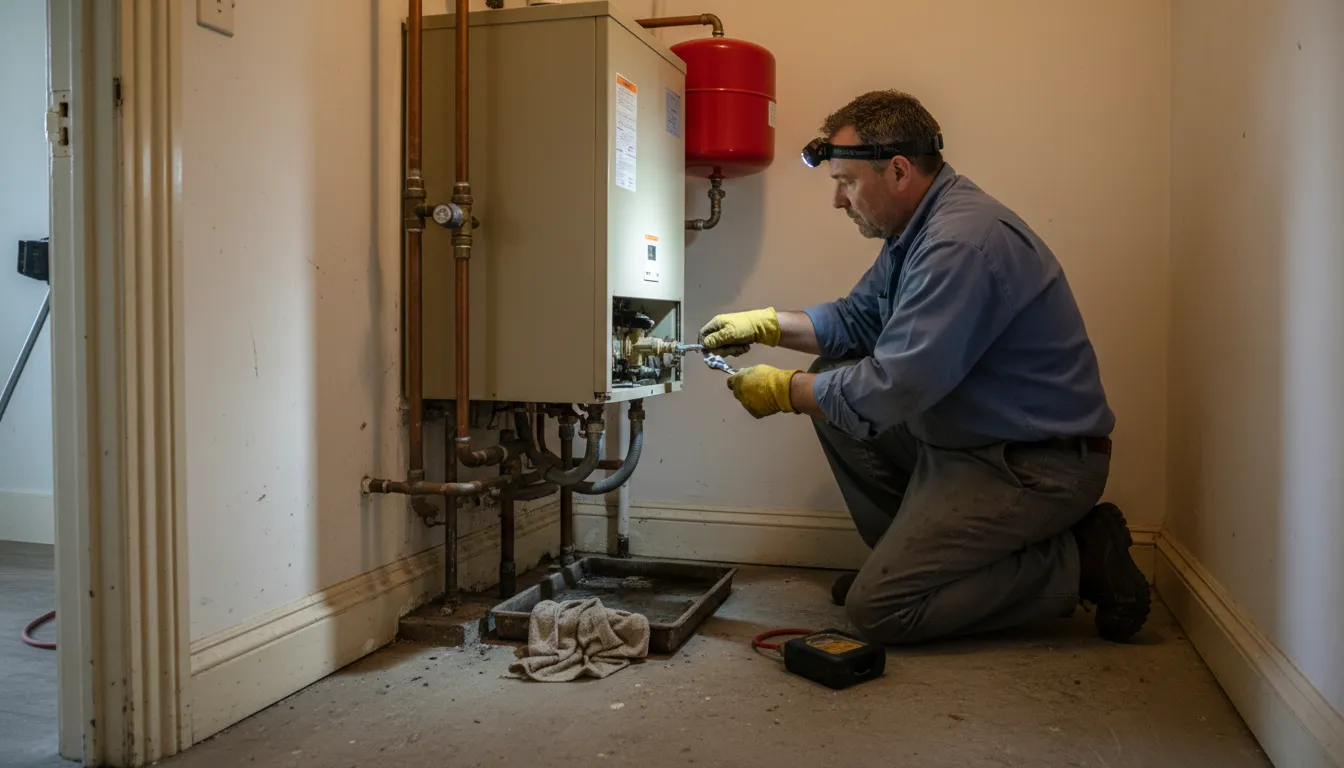
Find the Best Boiler Repair Contractors for Your Business
No obligation • Fast responses • Nationwide coverage

Why you can trust HVAC Firms
HVAC Firms is a leading United States resource for evaluating HVAC service providers. Our team researches companies, checks credentials, and reviews customer feedback to present clear, unbiased information. Listings and rankings are based on merit, and companies cannot pay to change our editorial content.
Search providers near you
Top Boiler Repair Contractors in Murfreesboro, Tennessee Ranked
A reliable boiler is the heart of your home's hydronic heating system, providing consistent warmth and hot water during Murfreesboro's cooler months. When your boiler malfunctions, it can disrupt your comfort and lead to higher energy bills. This guide helps you understand your options for boiler service, from troubleshooting common repairs to knowing when a replacement is the smarter long-term investment. Use this information to make an informed decision and connect with qualified local professionals who can restore your home's heating efficiency.
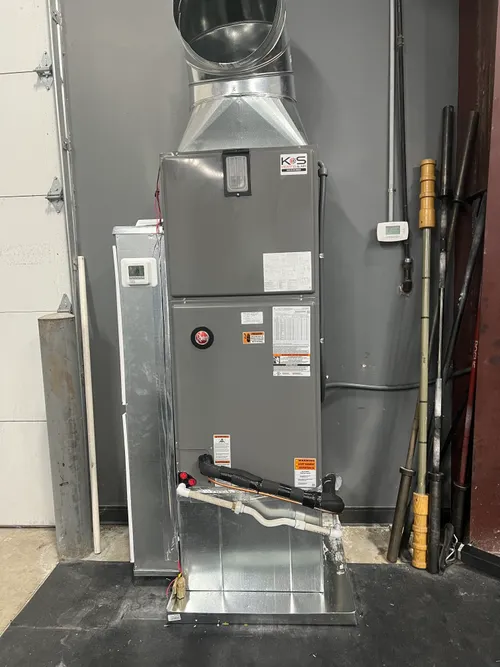
KandS HVAC
2055 Holloway Rd, Lebanon, TN 37090
KandS HVAC is an HVAC company based in Nashville, TN, providing repair, installation, and maintenance services for air conditioning, furnaces, heat pumps, and boilers. They offer convenient options for obtaining quotes, including in-home visits and remote assessments using photos. KandS HVAC handles a range of services from urgent repairs to routine tune-ups and new system installations, aiming to meet various heating and cooling needs efficiently.
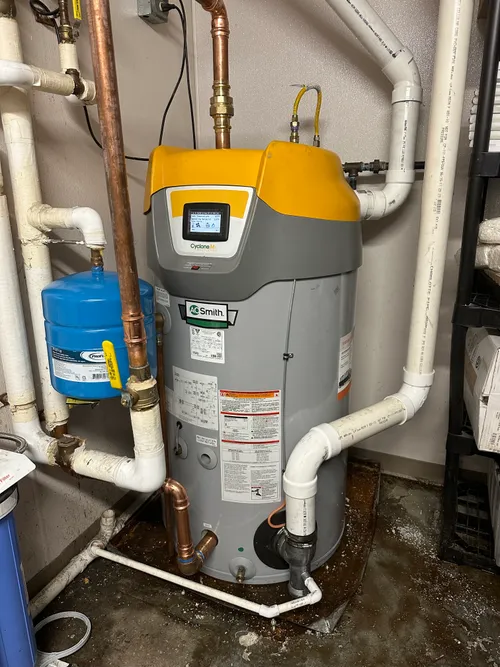
Mechanical Standard Plumbing
Nashville, TN
Mechanical Standard Plumbing is a commercial plumbing company based in Nashville, TN, specializing in boiler repair and installation along with water heater services, backflow testing, lift station maintenance, drain cleaning, and pump systems. They focus on maintaining and replacing equipment to ensure efficient operation in commercial settings. Their certified technicians handle a variety of boiler and water heater systems, including tankless models, and provide preventive maintenance to extend equipment lifespan. Mechanical Standard Plumbing also offers service subscriptions to keep plumbing and mechanical equipment maintained year-round.
Action Mechanical, LLC
195 Industrial Blvd, La Vergne, TN 37086
Action Mechanical, LLC provides HVAC installation and repair services in Nashville, TN. They specialize in air conditioning, furnace, heat pump, and boiler systems, offering comprehensive solutions to maintain home comfort year-round. With over 37 years of combined industry experience, their team is State Certified Mechanical Contractors focused on delivering dependable and efficient HVAC and plumbing services.
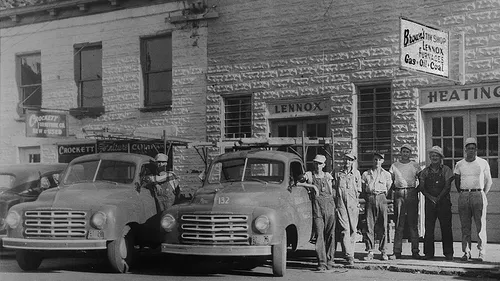
Roscoe Brown Heating, Cooling, and Plumbing
959 N Thompson Ln, Murfreesboro, TN 37129
Roscoe Brown Heating, Cooling, and Plumbing has been serving Nashville, TN, and the surrounding Middle Tennessee area for over 80 years. The company offers a wide range of HVAC services including air conditioning, furnace, heat pump, boiler, and mini split installation and repair, as well as HVAC tune-up services. With a legacy dating back to 1940, Roscoe Brown combines deep local roots with expertise in maintaining and restoring heating, cooling, and plumbing systems for both residential and commercial clients.
PJ's HVAC Repair LLC
Nashville, TN
PJ's HVAC Repair LLC is a family-owned and operated HVAC company serving Nashville, TN, and the surrounding areas since 2015. They provide a full range of heating and cooling services including AC, furnace, and boiler repair and installation, as well as duct cleaning and HVAC tune-ups. The company offers 24/7 emergency services to address urgent heating or cooling issues. Their licensed and insured team focuses on maintaining system readiness for seasonal changes to ensure comfort year-round.
Understanding Your Boiler System
Before diving into repair or replacement, it helps to know what type of boiler you have. Most residential systems in Murfreesboro are hydronic, meaning they heat water that is then circulated through radiators, baseboard heaters, or in-floor tubing to warm your home. The two most common types you'll encounter are traditional standard boilers and more modern combination (combi) boilers.
A traditional boiler heats water in a storage tank, providing both space heating and stored domestic hot water. These systems are reliable but can be less energy-efficient, especially if they are older models 1 2. Combination boilers, or combi boilers, are increasingly popular. They provide on-demand hot water for both heating and taps from a single, compact unit, eliminating the need for a separate storage tank. This can save space and improve energy efficiency, as you're not constantly reheating a tank of water 1.
Common Boiler Problems in Murfreesboro Homes
Boilers are robust systems, but like any complex appliance, they can develop issues. Recognizing the signs of trouble early can prevent a minor fix from turning into a major failure. Here are some frequent problems homeowners face:
- No Heat or Hot Water: This is the most obvious sign of trouble. It could stem from a variety of issues, including a broken thermostat, low water pressure, a failed pump, or a malfunctioning diaphragm or valve in combi models.
- Leaking or Dripping: Any sign of water around your boiler or pipes is a cause for concern. Leaks can originate from corroded pipes, a faulty pressure valve, or internal component seals that have degraded over time. Persistent leaks can cause water damage and reduce system efficiency.
- Strange Noises: Your boiler should operate relatively quietly. Banging, whistling, or gurgling sounds (often called "kettling") are red flags. These noises are frequently caused by limescale or sludge buildup on the heat exchanger, which traps steam and causes overheating, or by air trapped in the system.
- Pilot Light Issues: For boilers with a standing pilot light, a flame that frequently goes out or burns yellow instead of blue indicates a problem. This could be due to a draft, a faulty thermocouple, or a buildup of debris.
- Frozen Condensate Pipe: In high-efficiency condensing boilers, a plastic pipe drains acidic condensation outside. During Murfreesboro's occasional cold snaps, this pipe can freeze, causing the boiler to shut down as a safety precaution.
- Pressure Problems: Your boiler's pressure gauge should typically sit between 1 and 1.5 bar. Pressure that is consistently too low or too high can prevent the system from operating correctly, often indicated by an error code on modern units.
The Critical Decision: Boiler Repair vs. Replacement
When your boiler acts up, the immediate question is whether to fix it or replace it. This isn't always a simple choice. Local HVAC professionals emphasize that the decision should be based on the age of your unit, its efficiency, the frequency of repairs, and the cost of the fix relative to a new system 3 4.
When Boiler Repair is the Right Choice
Repairing your existing hydronic heating system is often the most cost-effective and sensible path forward under certain conditions:
- The System is Relatively New: If your boiler is less than 10-15 years old, it likely has a good amount of service life remaining.
- The Problem is Minor and Isolated: Issues like a faulty thermostat, a minor leak from a valve seal, or a single component failure (like a pump) are typically straightforward repairs.
- Repairs are Infrequent: This is the first significant problem you've had in years, and the system has otherwise been reliable.
- The Repair Cost is Reasonable: As a general rule, if the repair estimate is less than 30-50% of the cost of a brand-new, high-efficiency boiler installation, repair is usually justified 5.
A timely repair on a newer system can restore full function and efficiency, ensuring your home stays comfortable through the winter.
When Boiler Replacement is the Smarter Investment
There comes a point when pouring money into an old boiler is like throwing good money after bad. Replacement becomes the more economical and reliable long-term solution. Experts recommend considering a new boiler installation if you encounter the following:
- Age of the System: If your boiler is 15 years or older, it's nearing or has exceeded its typical lifespan. Components wear out, efficiency plummets, and the likelihood of a major, costly failure increases significantly.
- Rising and Frequent Repair Costs: Are you calling for service every season? If repair bills are becoming a regular expense, the cumulative cost can quickly approach or surpass the investment in a new unit.
- A Single Major Repair is Too Costly: When a critical component like the heat exchanger or main burner fails, the repair bill can be substantial. If a single repair quote is 50% or more of the price of a new system, replacement is almost always the better financial decision 6.
- Declining Efficiency and High Energy Bills: Older boilers operate at much lower Annual Fuel Utilization Efficiency (AFUE) ratings. Modern high-efficiency models can be 90-98% efficient, meaning almost all the fuel is converted to heat for your home. Upgrading can lead to substantial savings on your monthly energy bills, helping offset the cost of the new system over time.
- Inconsistent Heating and Comfort: An aging boiler may struggle to maintain even temperatures, leaving some rooms cold while others are too warm. A new system will provide consistent, reliable comfort.
Find the perfect boiler repair contractors for your needs
Get personalized recommendations and expert advice
What to Expect with a New Boiler Installation in Murfreesboro
Choosing to install a new boiler is a significant home improvement decision. Understanding the process and costs involved will help you plan effectively.
Installation Costs
In Murfreesboro, the total cost for a new residential boiler installation typically ranges from $11,000 to over $28,000 7. This wide range depends on several key factors:
- Boiler Type and Efficiency: A high-efficiency condensing combi boiler will generally cost more than a standard mid-efficiency model, but offers greater long-term savings.
- System Complexity and Size: The size of your home (measured in BTU requirements) and the existing heating distribution system (radiators, baseboards, etc.) affect the price. A home without existing hydronic piping will see higher installation costs.
- Labor and Contractor Rates: Rates vary between local HVAC companies based on expertise, licensing, and insurance.
- Additional Components: The job may require new thermostats, circulator pumps, water treatment systems, or updated flue/vent materials.
The Installation Process
A professional installation by a qualified technician is non-negotiable for safety and performance. The process generally involves:
- In-Home Consultation and Load Calculation: A technician will assess your home's size, insulation, and heat loss to properly size the new boiler.
- System and Fuel Type Selection: You'll discuss options (combi vs. traditional, efficiency ratings) and choose the best model for your needs and budget.
- Removal of the Old Unit: The existing boiler and any related outdated components are safely disconnected and removed.
- Preparation and Installation: New piping, electrical connections, and venting are installed as needed. The new boiler is mounted, connected, and filled with water.
- Testing and Commissioning: The system is thoroughly tested for leaks, proper operation, and safety. The technician will set the controls and explain the basic operation to you.
- Permits and Inspections: A reputable contractor will handle pulling any required local permits and arranging for final inspections.
Benefits of Upgrading to a Modern Boiler
Investing in a new boiler brings immediate and long-term advantages beyond just fixing a breakdown:
- Substantially Lower Energy Bills: This is the most compelling benefit. Modern high-efficiency boilers can cut your heating fuel consumption by 20-30% compared to an old, 70% AFUE model, putting money back in your pocket each month 8 9.
- Enhanced Home Comfort: New systems provide more consistent, even heat and better control over temperatures in different zones of your home.
- Increased Reliability and Peace of Mind: With a new boiler under warranty, you can expect years of trouble-free operation without worrying about the next breakdown.
- Quieter Operation: Newer models are designed to run much more quietly than their older, clunkier counterparts.
- Improved Safety: Modern boilers have advanced safety features and controls that reduce risks associated with carbon monoxide and pressure buildup.
- Potential for Increased Home Value: An updated, efficient heating system is an attractive feature for potential future buyers.
Choosing a Local Murfreesboro Boiler Professional
Your choice of contractor is as important as your choice of boiler. Look for a local HVAC company with specific expertise in hydronic heating systems. They should be licensed, insured, and have positive reviews from local customers. A trustworthy professional will conduct a thorough evaluation of your current system, discuss all options transparently, and provide a detailed, written estimate. They will not pressure you into an unnecessary replacement or the most expensive model, but will guide you toward the best solution for your specific home and budget.
Frequently asked questions
Sources
Footnotes
-
What Are the Different Boilers Types? | BWS Plumbing, Heat & Air - https://bwsheatingandair.com/blog/what-are-the-different-types-of-boilers/ ↩ ↩2
-
Types of Boilers and Boiler Classification - Forbes Marshall - https://www.forbesmarshall.com/steampedia/types-of-boilers-and-boiler-classification/ ↩
-
Boiler Repair vs Replacement: How to Make the Right Choice - https://www.grossiservicesinc.com/boiler-repair-vs-replacement-how-to-make-the-right-choice ↩
-
When to Repair vs Replace Your Heating System: A Homeowner's ... - https://doornbos.com/when-to-repair-vs-replace-your-heating-system/ ↩
-
Boiler Replacement vs. Repair: Making an Informed Decision - https://ljkruse.com/boiler-replacement-vs-repair-making-an-informed-decision/ ↩
-
Heating Repairs Vs New Heating Replacement System - https://blog.airstreamteam.com/heating-repairs-vs-new-heating-replacement-system/ ↩
-
Boiler Repair vs. Replacement: Make the Right Choice - https://www.smithandcompanyhvac.com/boiler-repair-vs-replacement-how-to-make-the-right-choice/ ↩
-
Murfreesboro, Tennessee Boiler Services - Armor Air - https://armorairtn.com/heating/boilers/ ↩
-
Selecting a Home Heating System - Unique Indoor Comfort - https://www.uniqueheatingandcooling.com/hvac-university/selecting-a-home-heating-system ↩