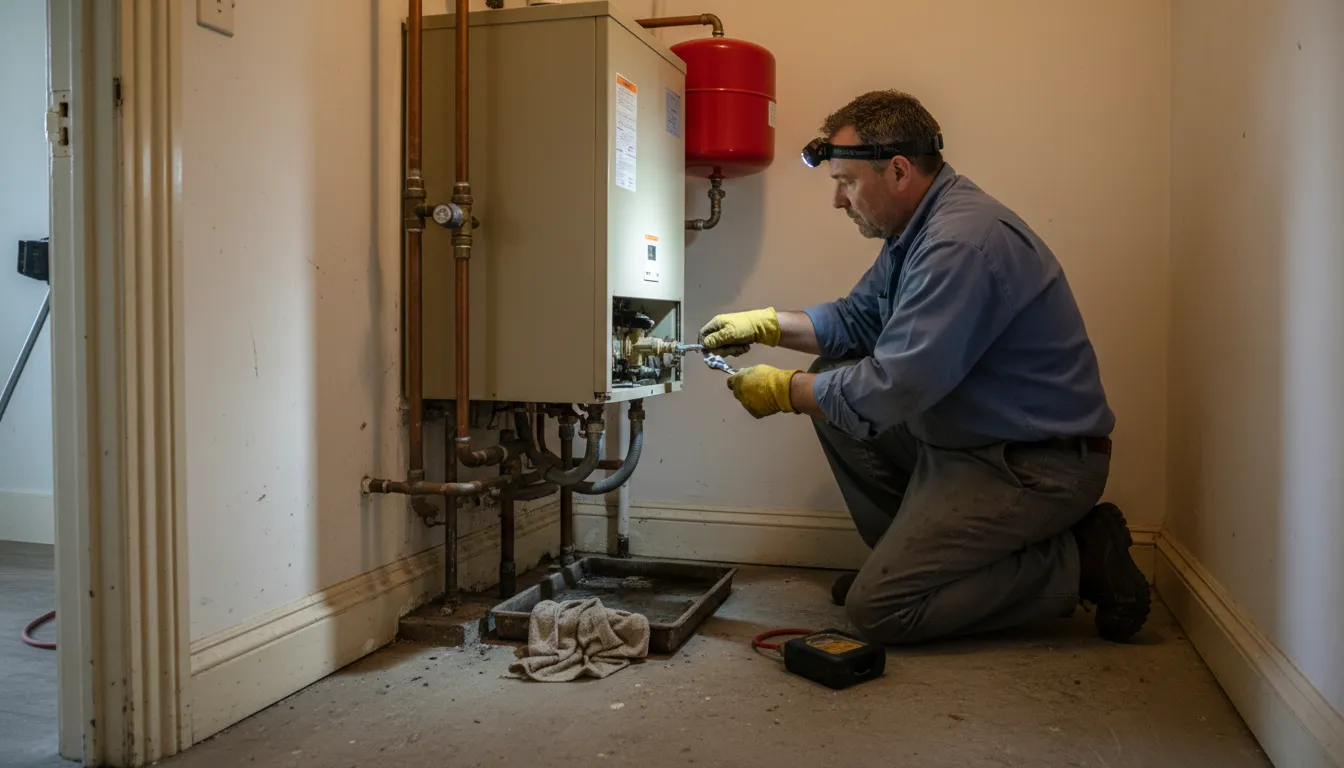
Find the Best Boiler Repair Contractors for Your Business
No obligation • Fast responses • Nationwide coverage

Why you can trust HVAC Firms
HVAC Firms is a leading United States resource for evaluating HVAC service providers. Our team researches companies, checks credentials, and reviews customer feedback to present clear, unbiased information. Listings and rankings are based on merit, and companies cannot pay to change our editorial content.
Search providers near you
Best Boiler Repair Contractors in Oregon Ranked
A reliable boiler is essential for comfort in Oregon's damp, chilly winters. When your hydronic heating system fails, it can mean cold homes, potential water damage, and safety risks. This guide provides clear, practical information on common boiler problems, necessary maintenance, and what to expect when you need professional boiler repair services in Oregon. Use this resource to understand your system, identify issues, and connect with qualified local technicians who can restore your heat safely and efficiently.
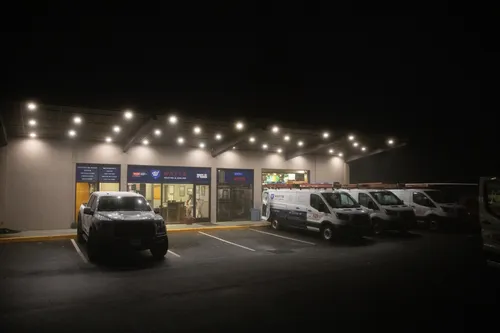
Watts Heating & Cooling
17500 SE McLoughlin Blvd, Milwaukie, OR 97267
Watts Heating & Cooling is an HVAC company based in Portland, OR, offering a wide range of heating and cooling services. Their licensed contractors provide residential and commercial HVAC repair, installation, and maintenance, including air conditioning, furnace, heat pump, boiler, and mini split systems. Watts Heating & Cooling is equipped to handle emergency heating and cooling situations with a 24/7 call center for urgent needs. They emphasize regular tune-ups and proper installation to maintain system efficiency and comfort. The company also provides indoor air quality services and has a large fleet and warehouse to support timely service delivery.
Sky Heating, AC, Plumbing & Electrical
530 NE Liberty Ave, Gresham, OR 97030
Sky Heating, AC, Plumbing & Electrical has been serving Portland, OR, and surrounding areas since 1979. The company offers a wide range of services including HVAC installation and repair for air conditioners, furnaces, heat pumps, boilers, and mini splits, as well as plumbing and electrical work. With over 40 years of experience and a team of skilled technicians, Sky Heating provides comprehensive home comfort solutions. They also offer 24/7 emergency service for urgent needs and cover multiple nearby cities in Oregon and Washington.
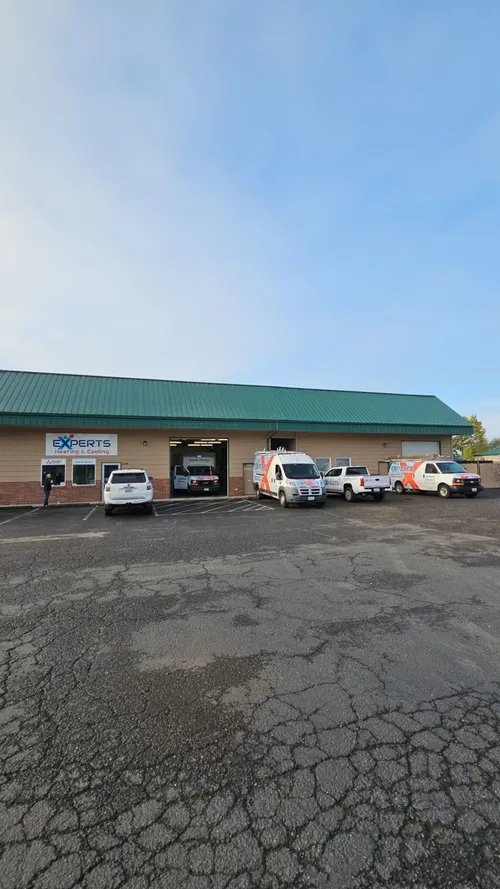
Experts Heating & Cooling, Inc.
3136 Evergreen Way, Washougal, WA 98671
Experts Heating & Cooling, Inc. is an HVAC company serving Portland, OR, and nearby communities. They provide a range of services including installation and repair of air conditioners, furnaces, heat pumps, boilers, mini splits, and geothermal heat pumps. The company also offers HVAC tune-ups and sells high-quality filters through an online store. Established in 2016, Experts Heating & Cooling, Inc. has built experience in handling residential and commercial HVAC needs in the region.

Oregon Climate Tech
402 Beavercreek Rd #112, Oregon City, OR 97045
Oregon Climate Tech is an HVAC company based near Portland, OR, specializing in heating, ventilation, and air conditioning services. They offer repair and installation for air conditioners, furnaces, heat pumps, boilers, mini splits, and geothermal heat pumps. The company partners with Trane to provide reliable HVAC equipment and comprehensive tune-up services. Oregon Climate Tech serves the Portland area with a full range of HVAC solutions.

Heat Relief Heating & Cooling
13122 NE David Cir STE 800, Portland, OR 97230
Heat Relief Heating & Cooling is an HVAC company based in Portland, OR, offering a range of services including air conditioning, furnace, heat pump, and boiler repair and installation. Established in 1997, the company has nearly 30 years of experience serving the Portland metropolitan area. Heat Relief specializes in HVAC tune-ups and installations, providing comprehensive heating and cooling solutions. The company recently merged with Sun Glow, expanding its service capabilities to include plumbing and electrical work while maintaining its commitment to quality and customer satisfaction.
Common Boiler Problems in Oregon Homes
Hydronic heating systems are generally durable, but several issues can arise, especially with age or lack of maintenance. Recognizing the symptoms early can help you address problems before they escalate into costly repairs or full system failures.
- No Heat or Insufficient Heat: This is the most urgent problem. Causes can range from simple fixes like a tripped circuit breaker or incorrect thermostat setting to more complex issues like a failed circulator pump, a malfunctioning gas valve, or a problem with the ignition system. Low water pressure or air trapped in the lines can also prevent heat from circulating properly.
- Uneven Heating: If some radiators or baseboard heaters are hot while others are cold, you likely have air trapped in the system (requiring bleeding) or a balancing issue with the zone valves or circulator. Sediment buildup in older systems can also block heat exchange in specific areas.
- Strange Noises: Your boiler should operate relatively quietly. Banging, clanking, or kettling noises often indicate mineral scale or sludge buildup on the heat exchanger, causing water to steam and bubble violently. Hissing or gurgling sounds typically point to air in the system 1. Whining may signal a failing circulator pump.
- Low System Pressure: Most residential boilers operate between 12-15 psi when cold. A pressure gauge reading consistently below this range can lead to inadequate heating and may indicate a leak in the system or a faulty pressure relief valve. Homeowners can often safely add water via the system's fill valve, but a persistent drop requires professional diagnosis.
- Leaks: Any sign of water around the boiler, pipes, or radiators is a red flag. Leaks can stem from corroded pipes, loose fittings, or a cracked heat exchanger. Even a small drip can cause significant water damage and indicate internal corrosion that compromises the system's integrity.
- Pilot Light or Ignition Issues: For gas boilers, a pilot light that won't stay lit or a system that fails to ignite could be due to a faulty thermocouple, a gas supply issue, or a problem with the electronic ignition module. These require a licensed technician for safe repair.
What Homeowners Can Check Before Calling a Pro
Before you schedule a service call, there are a few safe and simple troubleshooting steps you can take. These can sometimes resolve the issue or provide valuable information to your technician.
- Check the Thermostat: Ensure it's set to "Heat" and the temperature setting is above the current room temperature. Replace the batteries if it's a wireless model.
- Inspect the Circuit Breaker: Locate your home's electrical panel and check if the breaker for the boiler has tripped. Reset it if necessary.
- Look at the System Pressure Gauge: Find the pressure gauge on your boiler. If it's reading below 12 psi (when the system is cold), you may need to repressurize it according to your manufacturer's manual.
- Bleed the Radiators: If you have hot water baseboards or radiators, use a radiator key to bleed air from the units. Start with the one farthest from the boiler. Hold a cup under the valve until a steady stream of water appears.
- Ensure Clear Access: Make sure nothing is blocking air vents, intakes, or the boiler itself. Remove any stored items from around the appliance.
- Listen and Observe: Note any specific noises (banging, whistling) and when they occur (at startup, during operation). Check for any signs of water leakage or soot around the boiler.
If these steps don't resolve the problem, or if you smell gas, see significant leaking, or have no heat at all, it's time to contact a licensed Oregon boiler repair specialist.
Find the perfect boiler repair contractors for your needs
Get personalized recommendations and expert advice
The Importance of Professional Maintenance & Mandatory Inspections
Routine professional maintenance is not just a recommendation; for many systems in Oregon, it's a safety and regulatory necessity. Regular servicing keeps your boiler running efficiently, extends its lifespan, and helps prevent unexpected breakdowns.
Required Safety Inspections: In Oregon, low-pressure boilers, which include most residential hydronic heating systems, are subject to mandatory inspections. These are typically required by insurance companies and local codes, and must be performed by a certified professional 2. An annual or biennial inspection is standard practice to ensure safe operation 3.
A thorough professional inspection will include:
- Checking combustion efficiency and flue gas analysis to prevent carbon monoxide risks.
- Testing safety controls and relief valves.
- Inspecting the heat exchanger for cracks or corrosion.
- Examining the burner and ignition assembly.
- Assessing water quality and system pressure.
- Looking for any signs of leaks or wear on components.
System Flushing: Over years, oxygen in the water leads to internal corrosion, and minerals can form scale. This creates sludge that reduces efficiency, causes noise, and can lead to component failure. Experts recommend a professional power flush of your hydronic system every 5 to 7 years to remove this buildup, restore heat output, and protect your investment.
Understanding Boiler Repair Costs in Oregon
Repair costs can vary widely based on the boiler's age, the brand, the part needed, and the complexity of the labor. Here is a general breakdown of what you might expect for common boiler repairs in Oregon:
- Minor Repairs & Adjustments: This includes replacing a pressure relief valve, fixing a minor leak at a joint, replacing a thermostat, or repairing an electronic ignition. Costs typically range from $150 to $400+.
- Mid-Range Repairs & Services: This category covers replacing a circulator pump, repairing or replacing zone valves, fixing a gas valve, or performing a comprehensive system power flush. These jobs require more labor and parts, with costs generally between $400 and $1,000+ 4.
- Major Repairs: The most expensive repairs involve critical components like the heat exchanger or the boiler's main control board. Replacing a heat exchanger is labor-intensive and costly, often ranging from $1,000 to $2,500 or more. At this point, especially for an older boiler, it's crucial to weigh the repair cost against the price and long-term efficiency of a new system installation 5.
Proactive, routine maintenance is the most effective strategy for managing boiler repair costs. Catching a small issue during an annual inspection can prevent it from turning into a major, expensive failure 6 7 8.
Choosing a Qualified Boiler Repair Professional in Oregon
Your boiler is a complex appliance that involves fuel, electricity, water, and high pressure. Proper repair demands specific expertise and licensing.
- Verify Licensing: In Oregon, ensure the technician or company holds the appropriate state-level license for heating and plumbing work. This guarantees they have met the required training and experience standards.
- Check Insurance: Always hire a contractor who carries both liability insurance and worker's compensation insurance to protect you and your property.
- Ask About Experience: Look for a company with specific, proven experience in hydronic heating systems and your brand of boiler.
- Get Detailed Estimates: A reputable professional will provide a written, itemized estimate that includes parts, labor, and any potential additional charges before starting work.
- Prioritize Safety & Code Compliance: Your technician should be knowledgeable about Oregon's specific inspection requirements and building codes related to boiler installation and repair.
Frequently asked questions
Sources
Footnotes
-
How to Troubleshoot Common Issues with Your Hydronic Heating System - https://hydeheatingandcooling.com.au/blog/how-to-troubleshoot-common-issues-with-your-hydronic-heating-system/ ↩
-
home inspector standards of behavior and ... - Oregon.gov - https://www.oregon.gov/ccb/Documents/Home%20Inspection%20Standards.pdf ↩
-
Why It's Crucial to Service Your Boiler - Hunt Heat - https://huntheat.com.au/blog/why-its-crucial-to-service-your-boiler-every-year/ ↩
-
Should Hydronic Heating Systems Be Flushed? - Fante's HVAC - https://fantesphvac.com/should-hydronic-heating-systems-be-flushed/ ↩
-
Commercial Boiler Repair in Oregon City, OR - Costs 12 / 2025 - https://www.homeyou.com/or/commercial-boiler-repair-oregon-city-costs ↩
-
Boiler Maintenance Checklist: Heating System Upkeep Guide - https://skaggswalsh.com/boiler-maintenance-checklist-sw/ ↩
-
Boiler Inspection Guide: What You Need To Do | RasMech - https://www.rasmech.com/blog/boiler-inspection-guide/ ↩
-
Common Problems and Inspection Requirements During Boiler ... - https://www.epcbboiler.com/boiler-periodic-inspection.html ↩