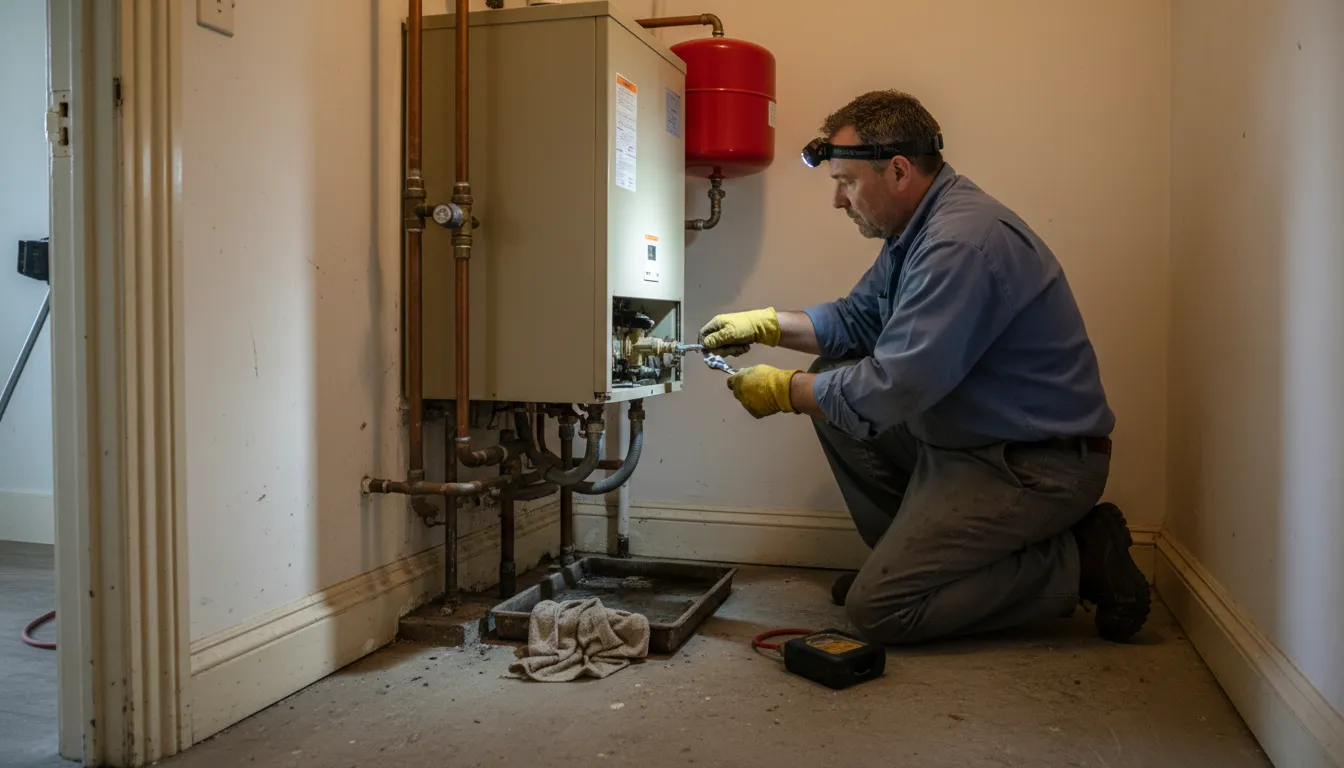
Find the Best Boiler Repair Contractors for Your Business
No obligation • Fast responses • Nationwide coverage

Why you can trust HVAC Firms
HVAC Firms is a leading United States resource for evaluating HVAC service providers. Our team researches companies, checks credentials, and reviews customer feedback to present clear, unbiased information. Listings and rankings are based on merit, and companies cannot pay to change our editorial content.
Search providers near you
Best Boiler Repair Contractors in Nebraska Ranked
A properly functioning boiler is essential for reliable, efficient heating in Nebraska's cold winters. When your hydronic heating system fails, it can lead to discomfort, high energy bills, and even safety hazards. This guide provides clear, practical information on recognizing common boiler problems, understanding your maintenance responsibilities, and connecting with qualified local professionals who can ensure your system operates safely and effectively.
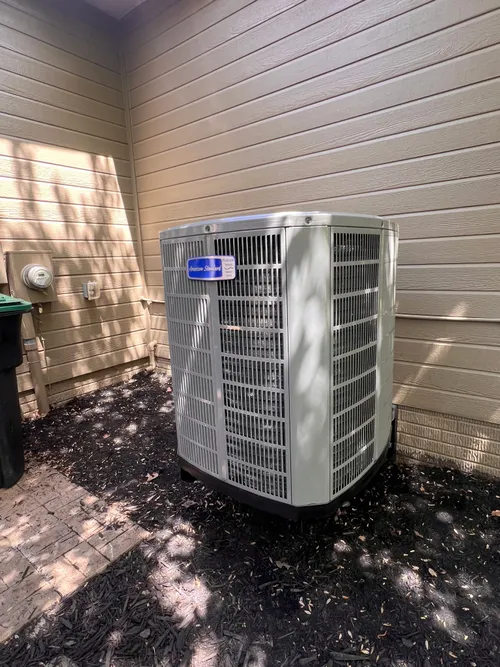
Sustainable
206 E Grant St, Papillion, NE 68046
Sustainable is an HVAC company based in Omaha, NE, offering installation, repair, and replacement services for air conditioners, furnaces, heat pumps, and boilers. They focus on seamless HVAC system installations and efficient repairs to maintain indoor comfort. Sustainable Mechanical Inc. emphasizes sustainable and energy-efficient solutions to improve system performance and contribute to energy savings. Their team is fully licensed and experienced in all aspects of HVAC services in the Omaha area.
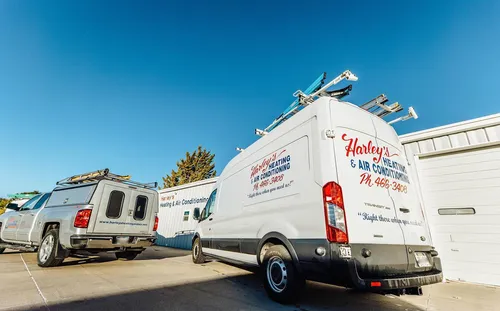
Harley's Heating & Air Conditioning
4224 Progressive Ave, Lincoln, NE 68504
Harley's Heating & Air Conditioning is a family-owned HVAC company serving Lincoln, NE, and surrounding areas since 1970. They provide a full range of heating and cooling services, including installation, repair, and maintenance of furnaces, heat pumps, boilers, air conditioners, and indoor air quality systems. Their NATE-certified technicians handle complex diagnostics and offer transparent solutions focused on energy efficiency and system reliability. Harley's also offers 24/7 emergency service without overtime fees, ensuring support when urgent heating or cooling issues arise.
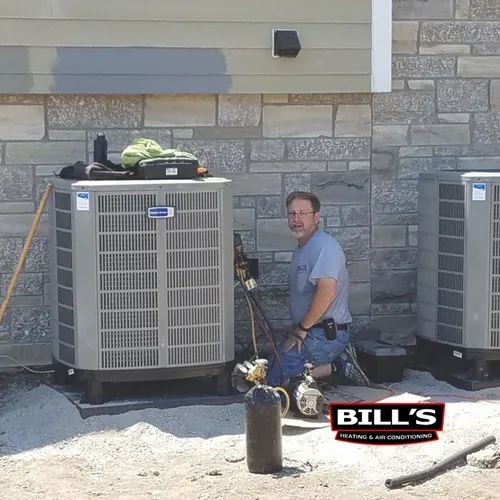
Bill's Heating & Air Conditioning
526 Garfield St, Lincoln, NE 68502
Bill's Heating & Air Conditioning is a family-operated HVAC company serving Lincoln, NE, and surrounding Lancaster County. Established in 1952, the company offers a wide range of heating and cooling services including air conditioner, furnace, heat pump, and boiler repair, as well as installation and maintenance of HVAC systems. They specialize in installing high-efficiency American Standard equipment tailored for Nebraska's extreme climate. Bill's provides 24/7 emergency repair services to address urgent heating and cooling needs. Their indoor air quality solutions include air purification, humidifiers, dehumidifiers, and duct cleaning to improve home comfort year-round.
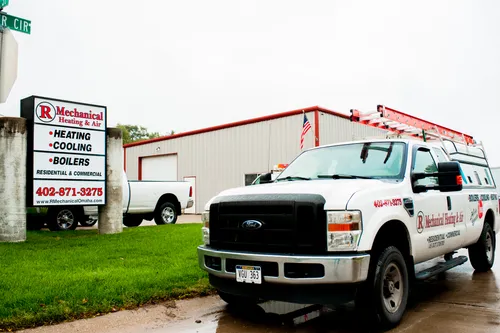
R Mechanical Heating & Air
7660 Sadler Cir, Ralston, NE 68127
R Mechanical Heating & Air is a family owned and operated HVAC company serving Omaha, NE. They provide installation, repair, and maintenance services for furnaces, air conditioners, boilers, heat pumps, water heaters, and thermostats. With over 25 years of experience, the company handles both residential and light commercial projects. They offer 24/7 emergency service and specialize in efficient, energy-saving equipment options. Their team also installs infloor heating and snow and ice melt systems to enhance home comfort and safety. Founded in 2013, R Mechanical Heating & Air is licensed, insured, and accredited by the Better Business Bureau.
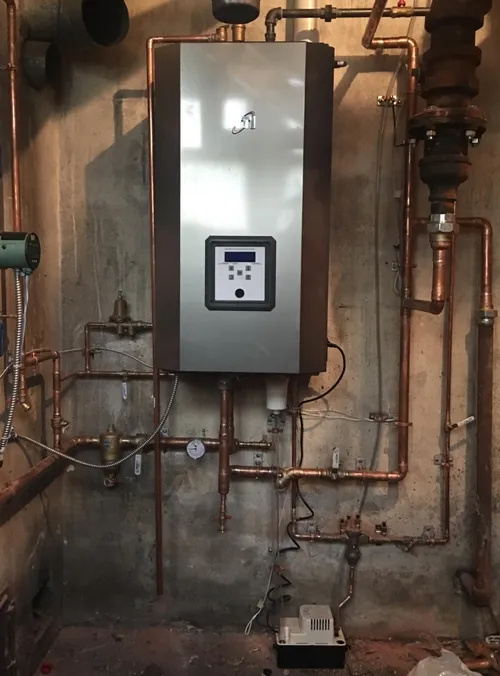
Bryant Air Conditioning, Heating, Electrical & Plumbing
3324 Ox Bow Rd, Lincoln, NE 68504
Bryant Air Conditioning, Heating, Electrical & Plumbing has been serving Lincoln, NE, for over 70 years. They provide a wide range of HVAC services including installation, repair, and tune-ups for air conditioners, furnaces, heat pumps, and boilers. The company also offers indoor air quality services such as air purification and radon mitigation. One notable capability is their use of advanced technology like the Bryant® Evolution™ System with Perfect Humidity™ Plus, which helps maintain precise temperature and humidity control. With a history dating back to 1952, Bryant Air Conditioning, Heating, Electrical & Plumbing is a long-established provider in the area.
Understanding Your Nebraska Boiler System
Most Nebraska homes and businesses rely on hydronic (hot water) boiler systems for heat. These systems use a boiler to heat water, which is then circulated through pipes to radiators, baseboard heaters, or in-floor tubing. Proper maintenance is critical not only for comfort but also for safety, as these systems operate under pressure. Familiarizing yourself with the key components-like the heat exchanger, circulator pump, pressure relief valve, and expansion tank-can help you communicate more effectively when service is needed. Regular attention helps prevent the minor issues that can escalate into costly, major repairs.
Common Boiler Problems and Troubleshooting
Recognizing early warning signs can prevent a small issue from becoming a heating emergency. Here are the most frequent problems Nebraska homeowners encounter:
- No Heat or Uneven Heat: This frustrating issue can stem from several sources. It could be a malfunctioning boiler component, a faulty thermostat, or air trapped in the pipes preventing hot water from circulating properly.
- Leaks: Water pooling around your boiler or pipes is a serious concern. Leaks commonly occur at valve seals, pressure control connections, or due to corrosion within the system. They indicate wear, mineral buildup, or internal damage that needs professional assessment.
- Strange Noises: Your boiler should operate relatively quietly. Clanking, banging, or gurgling sounds are not normal. These noises often signal air in the lines (gurgling), low water pressure, or mineral deposits (kettling) causing the heat exchanger to overheat and make banging sounds.
- Low System Pressure: A pressure gauge reading outside the optimal range (typically 12-15 psi for a cold system) directly affects performance. Low pressure can cause inadequate heating, while high pressure can strain components and trigger the pressure relief valve.
- Frozen Pipes: In extreme Nebraska cold, pipes in uninsulated areas like basements, crawl spaces, or garages can freeze, blocking water flow and potentially causing bursts when they thaw 1.
Basic Steps You Can Take
Before calling for service, you can perform a few safe checks:
- Check the Thermostat: Ensure it's set to "heat" and a temperature above the current room reading. Replace batteries if needed.
- Monitor the Pressure Gauge: Locate the gauge on your boiler and confirm it's within the normal range.
- Inspect for Visible Leaks: Look around the base of the boiler, at pipe connections, and near valves for any signs of moisture or dripping.
- Bleed Radiators: If you have radiators, use a radiator key to bleed air from them. This can resolve uneven heating and gurgling sounds.
- Check Water Levels: For systems with a sight glass, ensure the water level is adequate.
- Watch for Rust or Deposits: Note any signs of corrosion or mineral scale, which can reduce efficiency and lead to leaks 2.
Find the perfect boiler repair contractors for your needs
Get personalized recommendations and expert advice
Nebraska's Boiler Inspection Requirements
Safety is paramount with pressurized heating equipment. Nebraska enforces the Boiler Inspection Act, which mandates annual inspections for many boilers in the state. This law is administered by the Nebraska Department of Labor and generally applies to commercial and certain residential installations. Even if your home system isn't legally required to be inspected, adhering to an annual professional check-up is a critical safety practice.
A comprehensive inspection by a licensed technician will include:
- Checking combustion efficiency and flue conditions.
- Testing safety valves and pressure relief devices.
- Inspecting water gauges, low-water cutoffs, and pressure controls.
- Examining the heat exchanger for cracks or corrosion.
- Looking for signs of scaling or deposits that impede heat transfer.
This preventative focus helps identify small problems like corrosion, hairline cracks, or scaling long before they lead to a system failure or hazardous condition 3.
Understanding Repair and Replacement Costs
The cost for boiler service in Nebraska varies significantly based on the problem's complexity, the parts required, and the time needed for labor. Having a general idea of potential costs can help you budget appropriately.
- Minor Repairs (Service Call + Parts): $150 - $500. This range typically covers diagnosing an issue, plus repairs like fixing a faulty thermostat, sealing a small leak, or replacing a pressure regulator.
- Moderate Repairs: $500 - $1,500. More involved fixes fall here, such as replacing a circulator pump, repairing or replacing zone valves, or fixing a compromised ignition system.
- Major Repairs/Component Replacement: $1,000 - $4,000+. This is for significant components like a cracked heat exchanger, a complete burner assembly replacement, or a major control board failure. These repairs are extensive and require skilled labor.
- Full Boiler Replacement: $4,000 - $10,000+. If your boiler is old, inefficient, or has sustained catastrophic damage, replacement may be the most economical long-term choice. The final cost depends on the boiler type (e.g., conventional, combi, high-efficiency condensing), size, and installation complexity 4 5.
Proactive Maintenance for Long-Term Reliability
Beyond annual inspections, homeowners can adopt habits to extend their boiler's life. Staying vigilant for early signs of trouble-like unusual noises, minor leaks, or fluctuating pressure-allows for timely intervention. Performing the basic checks listed earlier, especially before and during the heating season, is crucial. Addressing problems like low pressure or small leaks promptly can prevent them from escalating. Finally, budgeting for routine service and potential repairs ensures your system remains a safe, efficient, and reliable source of heat through Nebraska's winters 6.
Frequently asked questions
Sources
Footnotes
-
How to Troubleshoot Common Issues with Your Hydronic Heating System - https://hydeheatingandcooling.com.au/blog/how-to-troubleshoot-common-issues-with-your-hydronic-heating-system/ ↩
-
How To Maintain Your Hydronic Heating System - Skylands Energy - https://www.skylandsenergy.com/hvac/hydronic-heating-system ↩
-
Common Problems and Inspection Requirements During Boiler ... - https://www.epcbboiler.com/boiler-periodic-inspection.html ↩
-
A Straightforward Guide to Boilers - NORTHEAST - https://northeast.newschannelnebraska.com/story/53198743/a-straightforward-guide-to-boilers ↩
-
Boiler Maintenance Checklist: Heating System Upkeep Guide - https://skaggswalsh.com/boiler-maintenance-checklist-sw/ ↩
-
BOILER INSPECTION ACT - Nebraska Department of Labor - https://dol.nebraska.gov/webdocs/getfile/a46c9244-f833-473c-8e43-5b398079951b ↩