Find the Best Boiler Repair Contractors for Your Business
No obligation • Fast responses • Nationwide coverage

Why you can trust HVAC Firms
HVAC Firms is a leading United States resource for evaluating HVAC service providers. Our team researches companies, checks credentials, and reviews customer feedback to present clear, unbiased information. Listings and rankings are based on merit, and companies cannot pay to change our editorial content.
Search providers near you
Top Boiler Repair Contractors in Lynn, Massachusetts Ranked
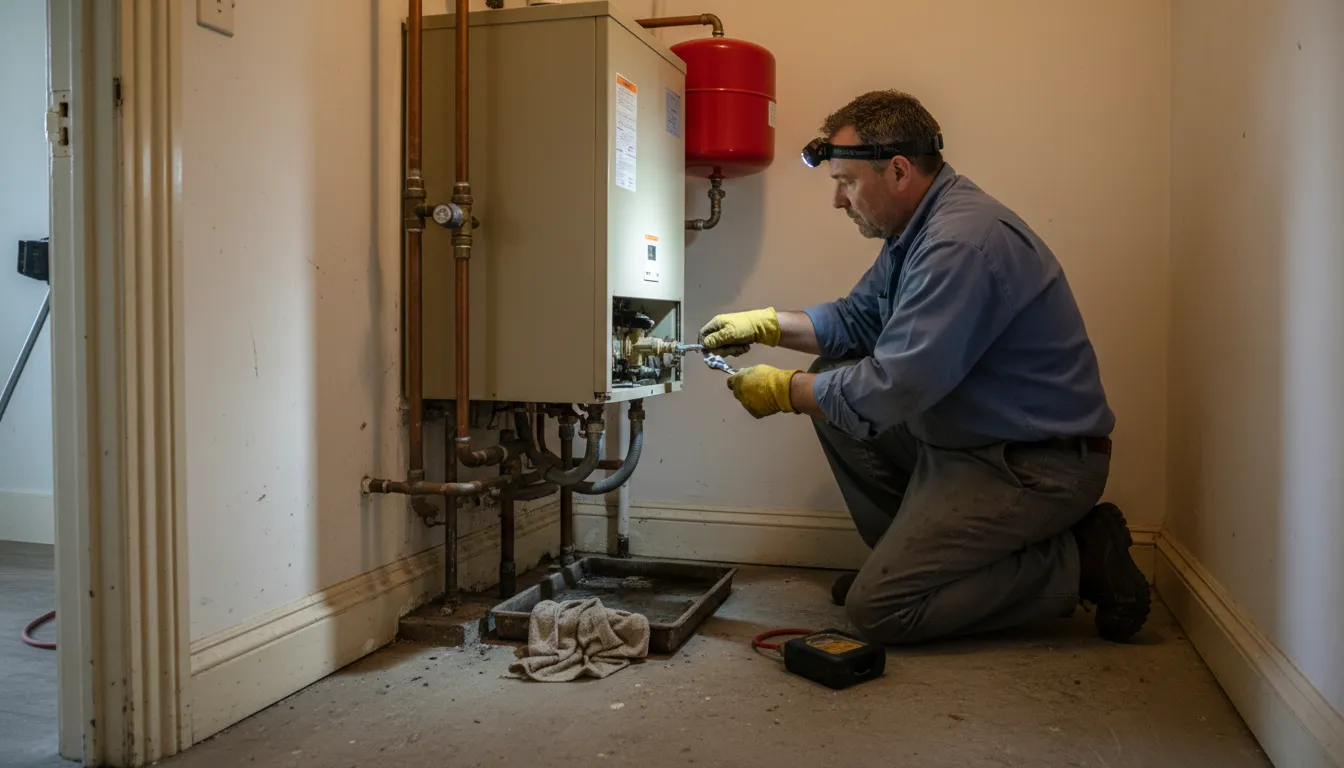
When the winter chill settles over the North Shore, a reliable heating system isn't just a luxury-it's a necessity. Boiler repair services are essential for maintaining the hydronic heating systems that keep many Lynn homes warm. These systems, which use hot water circulated through radiators or baseboards, are complex and require expert attention for issues ranging from strange noises and leaks to complete loss of heat. This guide will help you understand your system, navigate common problems, and make informed decisions between repair and replacement to ensure your home stays comfortable and efficient through the coldest months.
Minuteman Plumbing, Heating & Cooling
100 Garden St, Cambridge, MA 02138
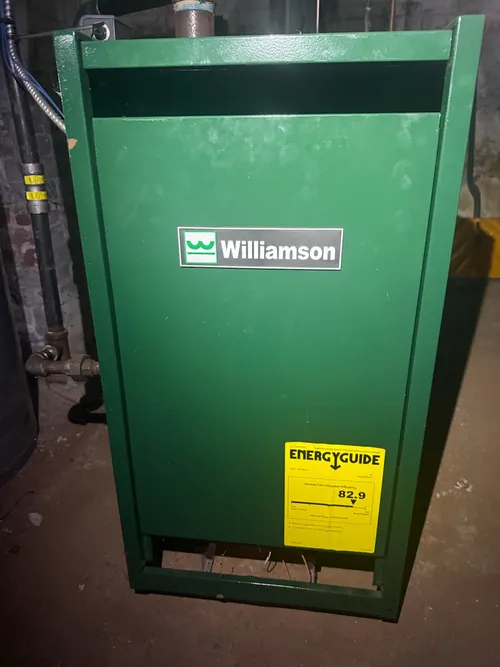
Minuteman Plumbing, Heating & Cooling is a full-service provider based in Boston, MA, offering plumbing, heating, and air conditioning services for homes and small businesses. They cover Greater Boston and the South Shore, including suburbs such as Allston, Belmont, Brookline, and Somerville, as well as towns like Weymouth, Braintree, and Hingham. Their services include AC installation and repair, furnace and boiler installation and repair, HVAC tune-ups, and plumbing repairs. The company emphasizes expert assessment, clear communication, and efficient execution, with every installation backed by a lifetime workmanship guarantee. With decades of combined experience, their veteran-led team provides 24/7 emergency services and a one-hour business response time.
Yellow Dog Plumbing, Heating & Cooling
19 Kearney Rd, Needham, MA 02494
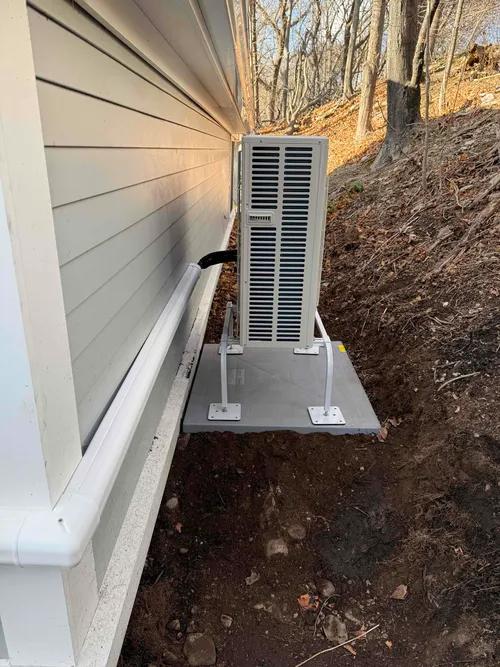
Yellow Dog Plumbing, Heating & Cooling is a plumbing and HVAC company serving Boston, MA, and nearby areas. They offer a wide range of services including air conditioning, furnace, heat pump, and boiler repair and installation, as well as HVAC tune-ups and indoor air quality solutions. Their technicians are equipped to handle both residential and light commercial HVAC needs, with well-stocked trucks to complete most repairs on the first visit. Yellow Dog emphasizes clear communication and customer care, providing same-day service and 24/7 live answering to support their clients' comfort and safety.
Royal Air Systems, Inc.
210 Main St, North Reading, MA 01864
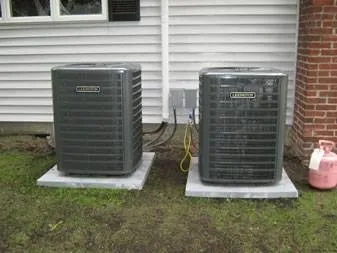
Royal Air Systems, Inc. is an HVAC company serving Boston, MA, and the surrounding North Shore communities. They offer a wide range of services including repair and installation of air conditioners, furnaces, heat pumps, and boilers. The company is known for its expertise in heat pump systems, providing flexible heating and cooling solutions that adapt to seasonal changes. Established in 1980, Royal Air Systems has over 46 years of experience in the HVAC industry. They also provide emergency after-hours service for heating repairs.
Back Bay Mechanical AC Repair & Heating
654 Washington St, Braintree, MA 02184
Back Bay Mechanical AC Repair & Heating is a licensed and insured HVAC company serving Boston, MA. They provide a range of services including furnace, heat pump, boiler, and water heater repair, as well as AC installation and duct cleaning. Their technicians evaluate all furnace components such as the combustion chamber, burners, heat exchanger, and thermostat to ensure safe and efficient operation. The company is recognized for its thorough maintenance plans and does not push unnecessary repairs or replacements. They offer emergency service and cover multiple Boston neighborhoods and surrounding areas.
Accurate Baker Elman
671 Saw Mill Brook Pkwy, Newton, MA 02459
Accurate Baker Elman is a plumbing and HVAC service provider located in Boston, MA. They offer a range of services including AC repair and installation, furnace and boiler repair and installation, HVAC tune-ups, and indoor air quality services. With over 76 years of experience since 1943, they handle plumbing projects such as kitchen and bath remodeling, water heater and boiler installations, and freeze-up repairs. The company also provides 24/7 emergency plumbing services to their customers. Serving Boston and surrounding areas, Accurate Baker Elman emphasizes customized solutions and preventative maintenance to extend equipment life. Their technicians work closely with customers to explain options and ensure informed decisions. The company maintains a broad service area covering many communities around Boston.
Understanding Your Hydronic Heating System
Most homes in Lynn and the surrounding North Shore area are heated by hydronic systems, commonly referred to as hot water boilers. These units heat water using oil, natural gas, or propane, then distribute it through a network of pipes to terminal units like radiators, baseboard heaters, or in-floor radiant tubing. The classic cast-iron radiators found in many older homes are a hallmark of this system, while modern constructions more frequently use slim baseboard units. Understanding this basic setup is the first step in recognizing when something isn't working correctly. A failure in any component-from the boiler itself to the circulating pump or the distribution lines-can lead to a cold house.
The local climate in Lynn demands a robust and efficient heating solution. Our harsh New England winters put significant strain on heating equipment, especially older systems. When temperatures plummet, an aging or poorly maintained boiler must work much harder, leading to increased wear, higher fuel consumption, and a greater risk of a mid-winter breakdown. Issues like frozen pipes or a struggling boiler are not just inconveniences; they can lead to costly emergency repairs and dangerously low indoor temperatures.
Common Boiler Problems in Lynn Homes
Given the prevalence of older housing stock, certain boiler issues are particularly common in our area. Recognizing the signs early can prevent a minor repair from turning into a major replacement.
- Unusual Noises: Banging, whistling, or gurgling sounds (often called "kettling") are rarely normal. These can indicate a buildup of limescale on the heat exchanger, air in the system, or a failing pump.
- Leaks: Any sign of water around the boiler or its associated piping is a cause for immediate concern. Leaks can stem from corroded pipes, faulty pressure relief valves, or failing seals and gaskets.
- Loss of Pressure: Hydronic systems are closed-loop and maintain a specific pressure. If you frequently need to repressurize the system, there is likely a leak somewhere.
- Pilot Light or Ignition Issues: For gas boilers, a pilot light that won't stay lit or a system that fails to ignite points to problems with the thermocouple, gas supply, or electronic ignition system.
- Cold Radiators: If some radiators are cold while others are hot, it could signal a problem with the circulating pump, airlocks in the lines, or a need for system balancing.
- Rising Energy Bills: A gradual but steady increase in your heating costs, without a change in usage, is a classic symptom of declining boiler efficiency.
When facing these issues, the critical question becomes whether to fix the existing equipment or invest in a new installation.
Repair vs. Replacement: Making the Right Choice
This is one of the most significant decisions a homeowner will face regarding their heating system. The choice hinges on several key factors: the age of the unit, the frequency of repairs, the cost of the current fix, and long-term efficiency goals.
When Repair is the Prudent Path: Opting for boiler service and repair is often the best short-term strategy for newer systems. If your boiler is under 10-15 years old and experiencing an isolated issue-such as a faulty thermostat, a worn-out pump, or a minor leak-a repair is typically cost-effective and can extend the system's life for many more seasons 1. Regular maintenance can also prevent many common problems, making repair a proactive choice.
When Replacement Becomes the Smarter Investment: There comes a point when pouring money into an old boiler is like throwing good money after bad. Consider replacement if your system exhibits any of the following:
- Age: The boiler is 15 years or older. Most systems have a lifespan of 15-20 years, and efficiency drops significantly with age.
- Chronic Breakdowns: You are calling for repairs more than once a year. This is a sign of systemic failure.
- Major Component Failure: If the heat exchanger-the core component-is cracked or leaking, replacement is almost always recommended, as this repair is exceptionally costly.
- Low Efficiency: Older boilers, especially oil-fired models, can have Annual Fuel Utilization Efficiency (AFUE) ratings as low as 60-70%. Modern high-efficiency condensing boilers can achieve ratings over 95%, dramatically reducing fuel consumption.
- Desire to Change Fuel Source or System Type: Many homeowners are now considering a switch to high-efficiency heat pumps, which can provide both heating and cooling.
Find the perfect boiler repair contractors for your needs
Get personalized recommendations and expert advice
Cost Considerations and Financial Incentives
Understanding the potential costs involved is crucial for planning. For major boiler repairs in the Lynn area, such as replacing a circulator pump or addressing a complex leak, homeowners can expect costs to range from $1,000 to $3,000 or more. While this is a significant expense, it must be weighed against the cost of a full replacement.
A new boiler or heating system installation represents a more substantial investment, typically ranging from $5,000 to over $15,000. The final price depends on the fuel type (gas, oil, or propane), the efficiency rating of the new unit, the complexity of the installation, and whether any existing distribution piping needs modification 2.
The good news for Massachusetts residents is that significant financial assistance is available to offset these costs. State and federal programs are designed to encourage upgrades to more efficient systems:
- Mass Save®: This statewide program offers substantial rebates for installing high-efficiency natural gas boilers and, more prominently, for converting to cold-climate air-source or ground-source heat pumps. Income-eligible households can qualify for even deeper discounts and no-interest financing.
- Federal Tax Credits: The Energy Efficient Home Improvement Credit allows you to claim a tax credit for 30% of the cost of a qualified new boiler or heat pump, up to a $2,000 annual limit 3.
These incentives can reduce the out-of-pocket expense of a new, efficient system by thousands of dollars, improving the return on investment and making replacement a financially savvy long-term decision.
Key Steps for Lynn Homeowners
If you're experiencing boiler problems or simply assessing your system's health, follow these steps:
- Schedule a Professional Assessment: Contact a reputable, local HVAC contractor with specific expertise in hydronic systems. A qualified technician can accurately diagnose any current issues, evaluate the overall condition of your boiler, and provide a clear, written estimate for both repair and replacement options.
- Research Available Incentives: Before making a decision, visit the official Mass Save website or the EnergizeMA portal to understand the current rebates and financing offers for which you may qualify 4. Your contractor should also be knowledgeable about these programs.
- Analyze Long-Term Value: Look beyond the immediate price tag. Calculate the potential energy savings of a high-efficiency system against the ongoing cost of repairing and running an old boiler. The comfort, reliability, and lower operating costs of a new system often justify the initial investment.
Frequently asked questions
Sources
Footnotes
-
The Pros and Cons of Boiler Replacement vs. Repair - AN Heating - https://anheating.co.uk/the-pros-and-cons-of-boiler-replacement-vs-repair/ ↩
-
Comprehensive Boiler Services in Lynn, MA and The North ... - https://www.waldmanplumbing.com/heating-services/furnaces-boilers/ ↩
-
Energy Efficient Home Improvement Credit | Internal Revenue Service - https://www.irs.gov/credits-deductions/energy-efficient-home-improvement-credit ↩
-
The Massachusetts 2025-2027 Energy Efficiency and ... - https://ma-eeac.org/wp-content/uploads/FINAL-MA-2025-2027-Plan-09-25-24-v2.pdf ↩