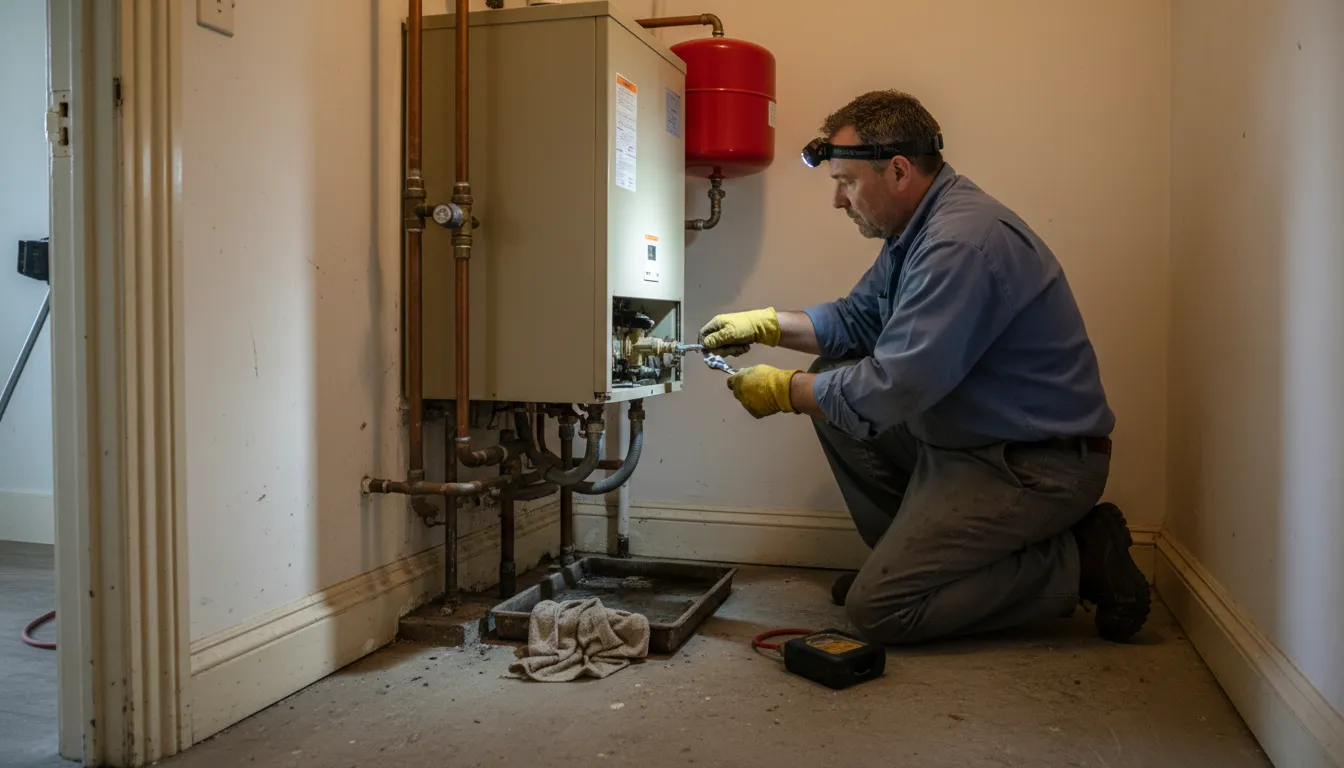
Find the Best Boiler Repair Contractors for Your Business
No obligation • Fast responses • Nationwide coverage

Why you can trust HVAC Firms
HVAC Firms is a leading United States resource for evaluating HVAC service providers. Our team researches companies, checks credentials, and reviews customer feedback to present clear, unbiased information. Listings and rankings are based on merit, and companies cannot pay to change our editorial content.
Search providers near you
Top Boiler Repair Contractors in Miami Gardens, Florida Ranked
While air conditioning is the undisputed star in South Florida, a reliable heating system is still essential for those cooler winter nights and mornings. For homes and businesses in Miami Gardens equipped with a boiler or hydronic heating system, proper maintenance and timely repair are crucial. These systems, which use hot water or steam circulated through pipes to radiators or baseboard heaters, face unique challenges in our humid climate. This guide is designed to help you understand your boiler system, recognize when it needs service, and make informed decisions between repair and replacement. You can use the information here to identify qualified local professionals who specialize in hydronic heating solutions.
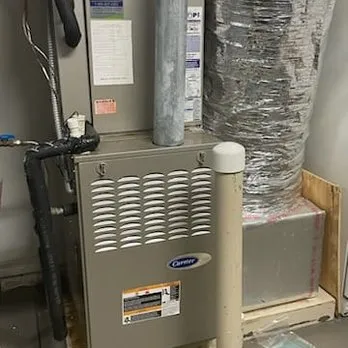
Shark AC & Refrigeration
4900 SW 101st Ave, Miami, FL 33165
Shark AC & Refrigeration is a Miami, FL-based company offering a range of HVAC and refrigeration services. They provide repair, maintenance, and installation for air conditioning, boilers, furnaces, and commercial refrigeration systems including walk-in coolers, freezers, and ice machines. The company also handles duct cleaning, ventilation installation, and air and water systems balancing. Shark AC & Refrigeration serves Miami and surrounding areas such as Hialeah, West Palm Beach, Key West, and Fort Lauderdale. They offer 24-hour service throughout the week to support commercial and residential clients.
60 Degrees
SW 129th Ave, Miami, FL 33175
60 Degrees is an HVAC company based in Miami, FL, providing heating, ventilation, and air conditioning services for both residential and commercial properties. They offer repair, installation, and tune-up services for air conditioners, furnaces, heat pumps, and boilers. Their certified technicians focus on delivering efficient and reliable HVAC solutions. 60 Degrees serves the Miami area with a full range of HVAC capabilities to maintain comfort throughout the year.
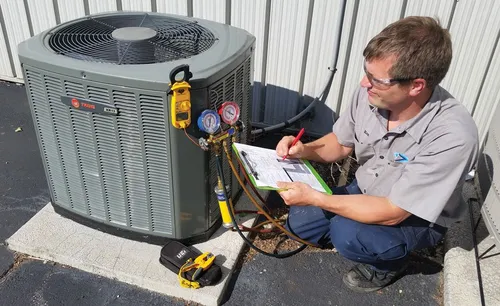
Grand AC Repair
2251 NW 20th St, Miami, FL 33142
Grand AC Repair is a family-owned HVAC company serving Miami, FL, with over 10 years of experience. They provide a full range of heating and air conditioning services including repair, replacement, and installation for air conditioners, furnaces, heat pumps, and boilers. As a Factory Authorized Dealer, they employ NATE-Certified technicians and offer 24-hour emergency service along with same-day service options. Their capabilities include indoor air quality solutions such as electronic air cleaners, air purifiers, and humidifiers. The company also emphasizes eco-friendly practices and energy-saving technologies in their work.

Xtreme HVAC Inc
Miami Lakes, Miami, FL 33015
Xtreme HVAC Inc provides heating, air conditioning, and duct cleaning services in Miami, FL. They offer installation and repair for furnaces, heat pumps, boilers, and air conditioning systems, along with duct replacement and sanitation. Serving Miami-Dade, Broward, and Palm Beach counties, the company emphasizes licensed technicians and transparent pricing. Their capabilities include air duct cleaning using the latest technology. Xtreme HVAC Inc also offers 24/7 emergency services to address urgent HVAC needs.
Sears Heating and Air Conditioning
3825 NW 7th St, Miami, FL 33126
Sears Heating and Air Conditioning provides comprehensive HVAC repair and installation services in Miami, FL. Their certified technicians handle a wide range of heating and cooling systems, including furnaces, heat pumps, boilers, central air conditioning, and mini-split units. They offer accurate diagnostics, component replacement, and regular maintenance to ensure system efficiency and longevity. Sears has over 100 years of experience in home services and uses genuine manufacturer parts for repairs and installations. They also provide same-day and next-day appointments for many services.
Understanding Your Hydronic Heating System
Before diving into repair scenarios, it's helpful to know what you're working with. A boiler is the heart of a hydronic system. It heats water, which is then pumped through a network of pipes to terminal units like radiators, baseboard heaters, or even in-floor tubing 1. This method of heating is often praised for its consistent, comfortable warmth without the dry, blowing air associated with forced-air furnaces.
The core components include the boiler itself, circulating pumps, expansion tanks, control valves, and the network of pipes and emitters. In Miami Gardens, the high humidity is a significant factor for these systems. Moisture in the air can accelerate corrosion on metal components, cause electrical connections to fail, and lead to premature wear on parts like pumps and ignitors. This environmental stress means that even boilers used infrequently require attention from HVAC technicians familiar with these specific conditions.
Common Boiler Problems in a Humid Climate
What goes wrong with a boiler system in South Florida? The issues often stem from inactivity combined with moisture. Here are some frequent problems that necessitate a service call:
- Ignition Failure: The boiler won't start. This could be a faulty ignitor, a flame sensor coated with residue, or a problem with the gas valve or electrical supply.
- Circulator Pump Issues: You might hear strange noises (whining, grinding) from the pump, or notice that heat isn't reaching all your radiators or baseboards. Pump failure stops hot water from moving through the system.
- Leaks: Corrosion or failed seals can cause water leaks from the boiler tank, pipes, valves, or pumps. Even a small drip can lead to significant water damage and reduced system pressure.
- Pressure Problems: Low water pressure can cause the system to shut down as a safety precaution. This may be due to a leak or a failing pressure-reducing valve.
- Unusual Noises: Kettling (a rumbling or banging sound) often indicates limescale buildup on the heat exchanger, while whistling or gurgling can point to air in the lines or circulation issues.
- Pilot Light or Sensor Problems: For older systems, the pilot light may go out frequently. For newer ones, a dirty or faulty sensor can prevent operation.
When facing these issues, it's important to contact an HVAC professional with specific experience in hydronic system repair. General AC technicians may not have the specialized knowledge for boiler diagnostics and service.
Repair vs. Replacement: Making the Right Choice
This is the central question for many Miami Gardens homeowners when their boiler acts up. The decision hinges on the age of your system, the frequency of repairs, and the cost.
When Repair is the Best Path: Opt for repairing your boiler if the issue is isolated, the system is relatively young (less than 15 years old), and it has been historically efficient. Common repairable items include replacing a failed circulator pump, a faulty ignitor or flame sensor, a leaky valve, or a malfunctioning thermostat. These fixes are typically more affordable and can extend the life of a dependable unit.
Signs It Might Be Time for Replacement: Consider investing in a new boiler system if you encounter the following:
- Age: Your boiler is over 15-20 years old. Efficiency drops significantly with age.
- Frequent Breakdowns: You're calling for repairs every heating season.
- Rising Energy Bills: An inefficient boiler works harder, costing you more money.
- A Major Component Failure: If the heat exchanger is cracked or the combustion chamber is compromised, repair costs can be prohibitively high.
- The 50% Rule: A common guideline suggests that if the cost of a major repair approaches 50% of the price of a new, high-efficiency unit, replacement is often the more economical long-term choice.
- Inconsistent Heating: You have cold spots or rooms that never get warm, indicating system design flaws or severe blockages.
Find the perfect boiler repair contractors for your needs
Get personalized recommendations and expert advice
The Benefits of Modern High-Efficiency Boilers
If replacement is on the table, today's hydronic heating technology offers compelling advantages. Modern condensing boilers can achieve Annual Fuel Utilization Efficiency (AFUE) ratings of 90-98%, meaning they convert nearly all the fuel into heat for your home 2 3. This is a dramatic improvement over older models that may operate at 70-80% efficiency.
Another significant benefit is advanced zoning. Modern systems allow you to divide your home into different temperature zones, each controlled by its own thermostat. This means you can keep bedrooms cooler at night while maintaining warmth in living areas, enhancing comfort and reducing energy waste by not heating unused spaces. While the initial investment for a high-efficiency boiler with zoning capabilities is higher, the long-term savings on energy bills and the improved comfort can make it a worthwhile upgrade.
Understanding Costs for Boiler Service in Miami Gardens
Costs can vary widely based on the complexity of the job, the parts required, and the specific model of your boiler. It's always best to get a detailed, written estimate from a qualified technician. However, here is a general range to provide context 4:
- Minor Repairs: Fixing an ignitor, replacing a sensor, or repairing a small leak might range from $200 to $800.
- Major Component Repairs: Replacing a circulator pump, a control board, or a gas valve typically falls between $1,000 and $3,000.
- Full System Replacement: Installing a new high-efficiency boiler, including necessary components and labor, can range from $3,000 to $8,000 or more. The final price depends heavily on the unit's size (BTU output), efficiency rating (AFUE), the complexity of your existing piping, and whether you're adding zoning controls.
Key Takeaway: The most important step is to get multiple, itemized quotes from licensed and insured HVAC contractors who explicitly mention experience with boilers and hydronic systems. A reputable technician will perform a thorough inspection, explain your options clearly, and help you weigh the upfront cost against long-term efficiency and reliability 5 6.
Maintaining Your Boiler for Longevity
Preventive maintenance is the best way to avoid costly emergency repairs and extend the life of your system. An annual professional tune-up before the heating season is recommended. This service typically includes:
- Inspecting and cleaning the combustion chamber and heat exchanger.
- Checking and testing all safety controls and valves.
- Examining the venting system for blockages.
- Assessing the condition of the circulator pump and expansion tank.
- Checking system pressure and adding water or inhibitor if needed.
- Looking for signs of corrosion or leaks.
Between professional visits, you can keep an eye on the system pressure gauge and listen for unusual noises. Ensuring the area around your boiler is clear of clutter and flammable materials is also a critical safety practice.
Frequently asked questions
Sources
Footnotes
-
Learn Hydronic System Fundamentals - https://www.bluegrasshydronics.com/post/mastering-the-basics-of-hydronic-systems ↩
-
Does My Heating System Need Repair or Replacement? - https://www.climateexpertsac.com/blog/does-my-heating-system-need-repair-or-replacement/ ↩
-
Pros and Cons of Hydronic Heating | First Supply - https://www.firstsupply.com/Knowledge-Center/pros-and-cons-of-hydronic-heating ↩
-
A Systematic Approach to Hydronic Design: the 4 Essentials - https://sobieskiinc.com/blog/systematic-approach-hydronic-design-4-essentials/ ↩
-
Furnace Repair in Miami Gardens, FL - 24/7 Heating Solutions - https://championhvacair.com/furnace-repair-miami-gardens-fl/ ↩
-
Who services boilers and hydronic heating systems? - Team Austin - https://teamaustin.com/blog/who-services-boilers-and-hydronic-heating-systems/ ↩